
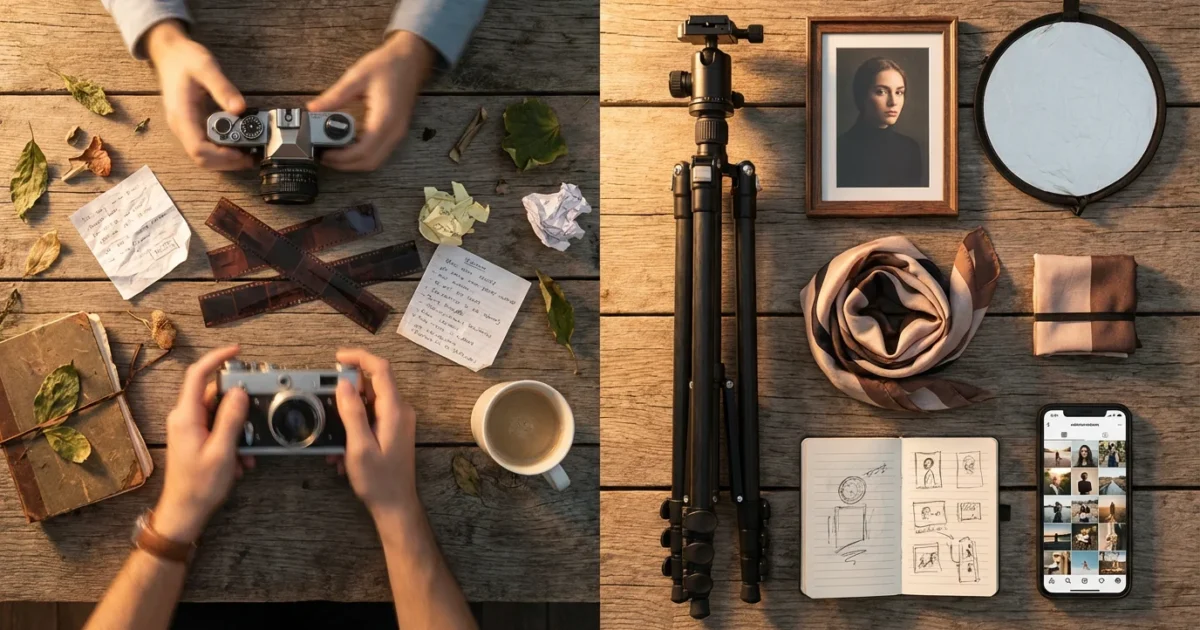
Every photograph holds a story, a captured fragment of time, emotion, or connection. As you build your family’s visual legacy, you encounter two fundamental approaches to photography: candid and posed. Both styles offer unique benefits and distinct ways of preserving memories. Understanding when to use each empowers you to create a comprehensive and meaningful photo collection, ensuring your images truly reflect the moments and people you cherish.
Developing a photo organization system ensures your new shots are easy to find as your library grows.
Whether you are documenting a lively family gathering, celebrating a significant milestone, or simply capturing everyday joy, choosing the right approach makes a profound difference. This guide explores the strengths of candid photography and posed photography, offering practical advice and examples to help you master both techniques. You will learn how to capture authentic emotions, craft stunning portraits, and ultimately, build a visual narrative that resonates deeply with your family’s history.
Understanding Candid Photography
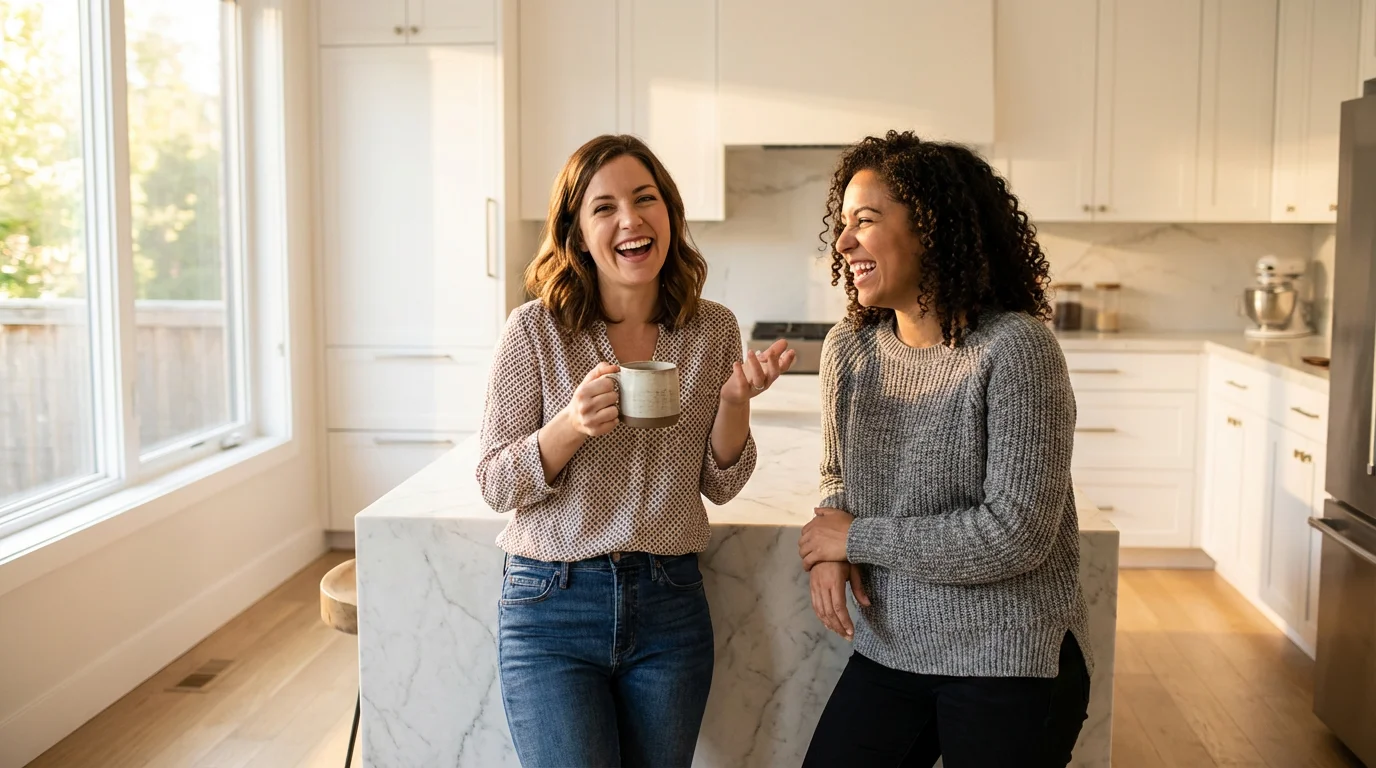
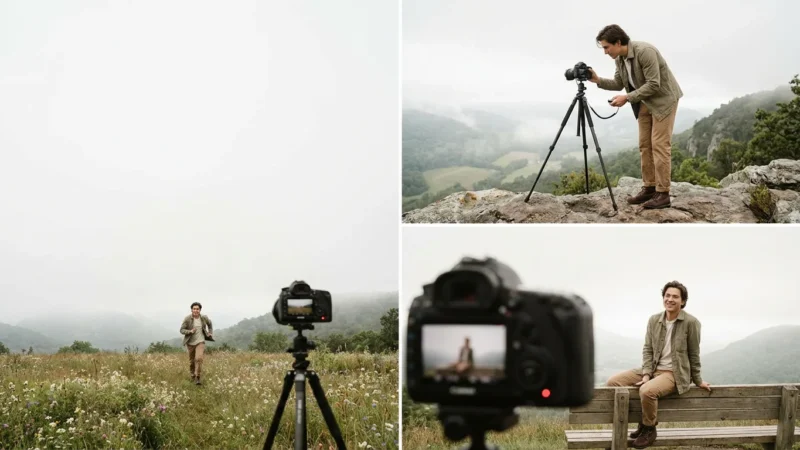
Candid photography captures subjects unaware, resulting in natural, unscripted moments. This style thrives on authenticity, revealing genuine emotions and interactions that posed shots might miss. The power of candid images lies in their ability to transport you back to the exact feeling of a moment, not just the visual representation of it.
To manage a high volume of spontaneous shots, it is helpful to tag and label your photos with specific keywords.
When shooting inside, it is helpful to master your camera settings to ensure every unscripted moment is clear and properly exposed.
Think about a photograph of your child laughing uncontrollably as they open a birthday gift, or a quiet moment of connection between two family members sharing a private joke. These images often become the most treasured because they preserve the true spirit and personality of the individuals and the event. They offer a window into unfiltered reality, free from the self-consciousness that sometimes accompanies a camera’s gaze.
For instance, a study on visual memory found that images evoking strong emotions, like authentic joy or surprise, are recalled with greater detail and vividness than neutral or staged images. Candid photos, by their very nature, excel at eliciting these powerful emotional responses. You see the raw, unpolished beauty of life unfolding. This approach values the imperfect, the fleeting, and the deeply human, creating a photographic record rich in narrative and emotional depth.

Mastering Candid Moments: Tips for Natural Shots
Capturing natural candid moments requires a blend of anticipation, discretion, and technical skill. You do not need professional equipment to achieve stunning results; your smartphone camera or a simple point-and-shoot works wonderfully. Here is how to improve your candid photography:
Before you begin shooting, consider whether RAW or JPEG format is better suited for capturing these fast-moving moments.
Using burst mode is one of the most effective ways to take sharp photos every time when your subjects are moving spontaneously.
- Be Observant and Anticipate: Pay close attention to your surroundings and the people in them. Watch for gestures, expressions, or interactions that might lead to a great photo. For example, if two siblings are whispering intently, a moment of shared laughter or a unique expression will likely follow. Learn to predict these human behaviors.
- Shoot in Bursts: Modern cameras and smartphones offer burst mode, which captures several frames per second. Use this feature liberally in dynamic situations. You increase your chances of catching that perfect, fleeting expression or action without missing it. Later, you can select the best image from the sequence.
- Blend In: The less intrusive you appear, the more natural your subjects behave. Avoid drawing attention to yourself or your camera. Use a longer lens if possible to give yourself some distance, or simply be patient and quiet in a close-up setting. You become part of the background, allowing life to unfold uninterrupted.
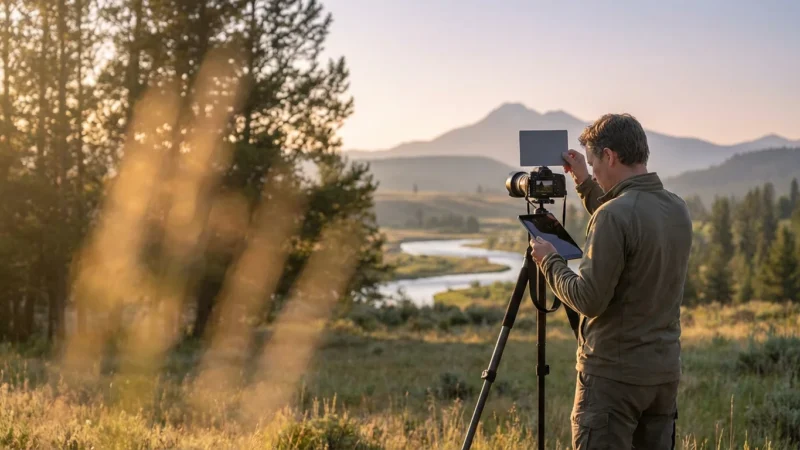
- Utilize Natural Light: Harsh flash often disrupts a candid scene and alters the mood. Whenever possible, rely on available natural light. Position yourself so the light falls pleasantly on your subjects, avoiding direct midday sun that creates harsh shadows. Early morning or late afternoon light often produces soft, flattering results.
- Focus on Storytelling: Think beyond just faces. Look for details that tell a story: hands working on a project, feet dancing, reflections in a window, or the environment itself. These elements add context and depth, making your candid shots more compelling. A candid shot of hands covered in flour while baking tells a richer story than just a smiling face.
- Practice Patience: Great candid moments do not happen on command. Sometimes, you need to wait, observe, and let the scene develop naturally. Do not force it. Your patience will be rewarded with authentic and powerful images.
Exploring Posed Photography
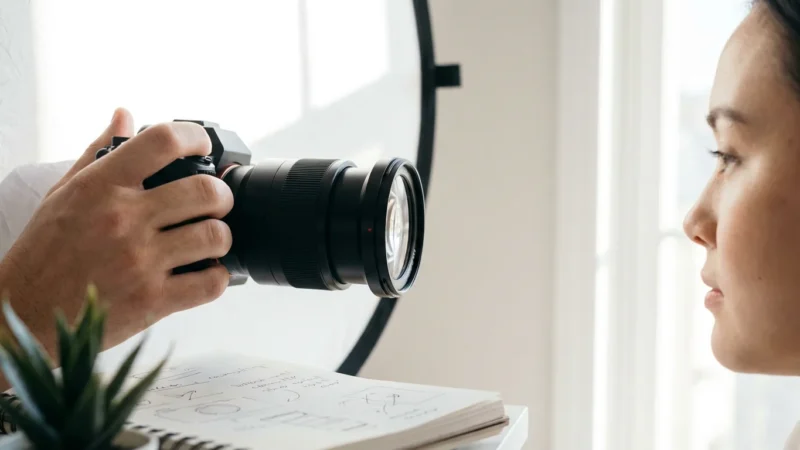
Posed photography involves deliberate arrangement of subjects and elements within the frame. This style gives you complete control over composition, lighting, and expression, allowing you to craft a specific aesthetic and convey a precise message. Where candid photography celebrates spontaneity, posed photography embraces intention.
Polished portraits often become the cornerstones of a well-organized home photo archive.
These polished, intentional portraits are perfect candidates for a home photo wall or a high-quality family gallery.
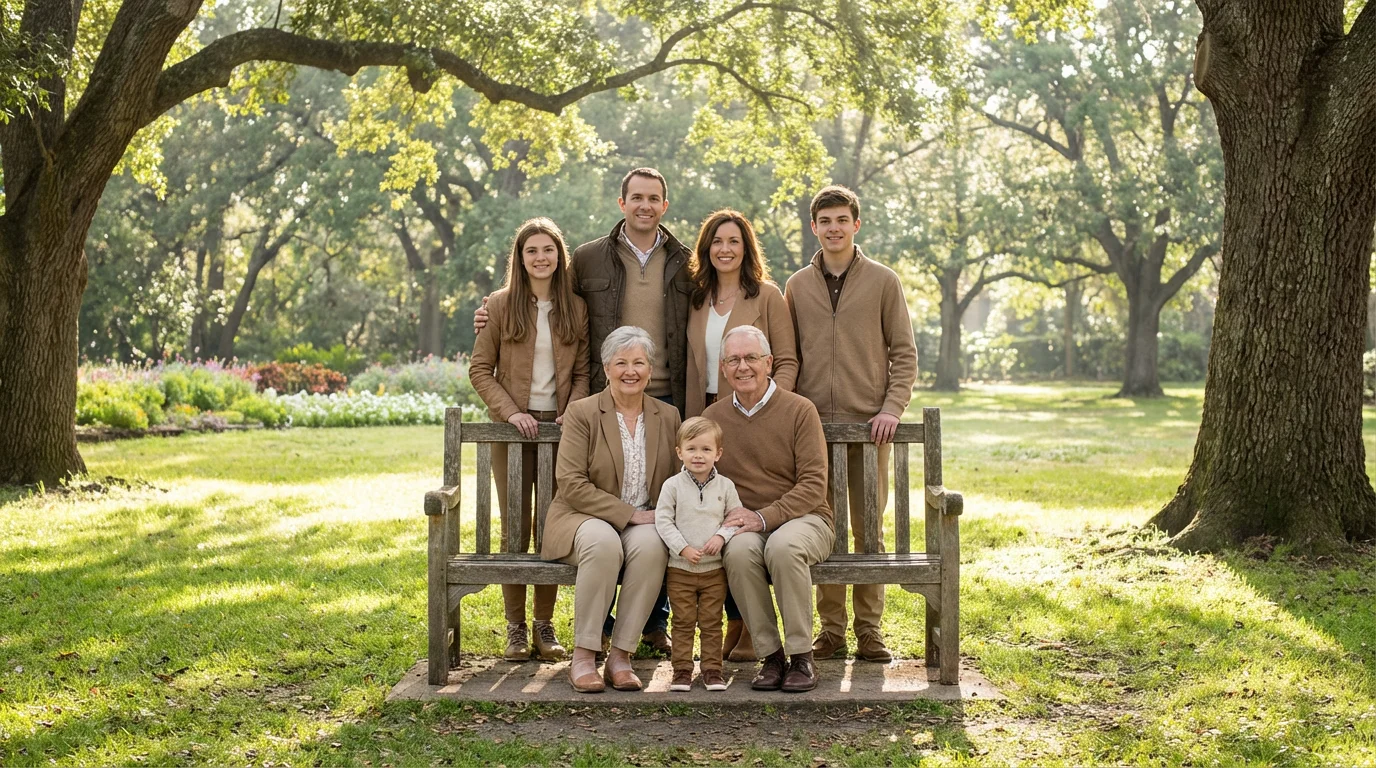
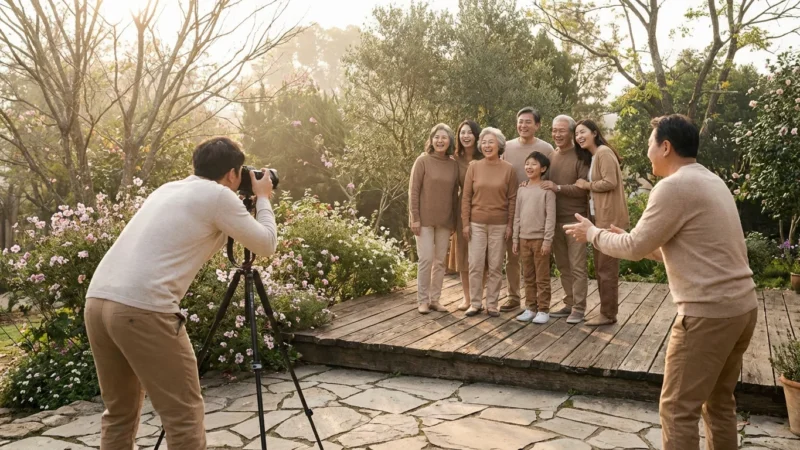
Consider a formal family portrait where everyone is looking at the camera, dressed in coordinating outfits, with careful attention paid to posture and placement. Or think of a senior portrait designed to highlight an individual’s personality and aspirations through thoughtful posing and backdrop choices. These photographs offer a clear, definitive record, often symbolizing important milestones or relationships.
The benefits of posed photography include clarity, precision, and the ability to correct imperfections before the shutter clicks. You can ensure everyone looks their best, that the lighting is ideal, and that the background enhances the subject without distraction. This control allows for the creation of visually stunning and technically sound images. Posed photos often become the iconic images of an event or era, meticulously crafted to stand the test of time.
“Posed photography allows for the meticulous crafting of a visual narrative. You intentionally direct the viewer’s eye, highlight specific features, and control the mood, ensuring the final image aligns perfectly with your vision. This precision delivers timeless, impactful portraits.”
Crafting Effective Posed Photos: Techniques for Success
Creating compelling posed photographs requires planning and clear direction. You guide your subjects to achieve the desired look and feel. Here are practical techniques to improve your posed shots:
For the most professional results, remember that adjusting your white balance is crucial for achieving natural skin tones.
- Communicate Clearly: Explain your vision to your subjects. Tell them what you are trying to achieve and why certain poses work. Gentle guidance, like “Slightly turn your shoulders towards me,” or “Look towards the window,” helps them understand and cooperate.
- Focus on Lighting: Lighting makes or breaks a posed shot. Position your subjects to take advantage of soft, flattering light. Window light, open shade, or diffused artificial light minimizes harsh shadows and highlights features beautifully. Avoid direct, overhead sunlight, which often creates unflattering shadows under the eyes and nose.
- Mind the Background: A clean, uncluttered background ensures your subjects remain the focal point. Look for simple walls, natural textures, or blurred distant elements. Eliminate distractions like overflowing trash cans or busy street signs before you start shooting.
- Use Classic Poses as a Starting Point: Learn a few basic poses that flatter most body types and situations. For individuals, a slight lean, a hand resting gently, or a turn of the head often adds elegance. For groups, arrange people at varying heights and create triangles within the composition for visual interest. Resources like photographic posing guides offer excellent examples.
- Encourage Natural Expression: Even in a posed shot, you want genuine emotion. Engage your subjects in conversation, tell a joke, or ask them to recall a happy memory. This brings life to their eyes and a natural curve to their smiles. Sometimes, a gentle laugh or a thoughtful gaze is more impactful than a forced grin.
- Pay Attention to Details: Check clothing, hair, and accessories. Are collars straight? Is hair out of faces? Are hands positioned gracefully? Small adjustments make a big difference in the final image’s polish.
When to Choose Candid: Ideal Scenarios
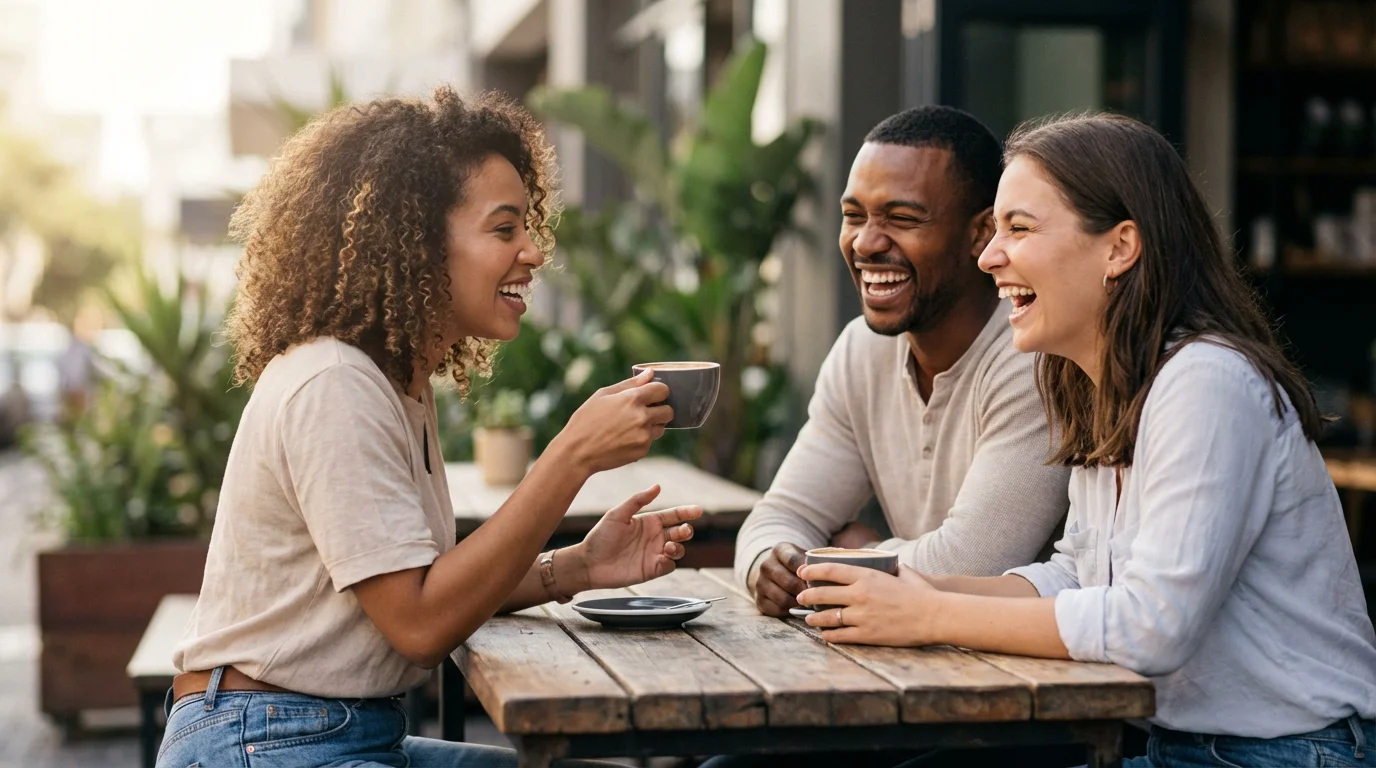
Deciding when to take candid vs posed photos depends on the event, the subjects, and the desired outcome. Candid photography excels in situations where you want to capture the raw, unadulterated essence of life. Here are scenarios where candid photography truly shines:
Because candid sessions often generate many shots, you should periodically declutter your collection to keep only the best images.
These authentic moments tell a vibrant story, making them perfect for inclusion in a custom photo book online.
If your celebration involves many people, you can also learn how to take better group photos to ensure everyone is captured perfectly.
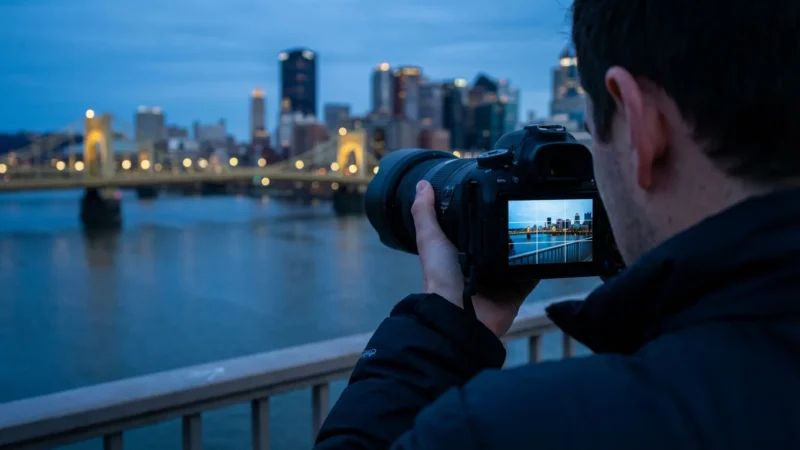
During evening events, mastering low light photography without a flash allows you to keep the mood natural without startling your subjects.
- Family Gatherings and Celebrations: Birthdays, holidays, reunions, and casual get-togethers are prime opportunities for candid shots. Capture children playing, relatives chatting, and the general atmosphere of joy and interaction. These photos often become cherished glimpses into the heart of your family.
- Documenting Children and Pets: Children and animals are often at their most authentic when they are unaware of the camera. Their spontaneous reactions, boundless energy, and uninhibited play make for incredibly endearing and memorable candid photographs.
- Travel and Adventure: When exploring new places, candidly documenting your experiences preserves the genuine feeling of discovery. Capture local life, spontaneous reactions to new sights, and the unspoken stories of your journey. These images often evoke the spirit of the place more powerfully than staged photos.
- Everyday Life: The simple, routine moments often hold the most profound meaning over time. Candidly capture breakfast rituals, shared hobbies, reading a book, or working in the garden. These slices of daily life become invaluable historical records of your family’s existence.
- Sporting Events and Performances: The dynamic nature of sports and live performances makes them ideal for candid photography. Focus on intense expressions, decisive action, and emotional reactions from participants and spectators.
In these situations, your goal is to be an observer, letting the story unfold naturally. The value of these images often grows exponentially over the years, reminding you of genuine moments and heartfelt connections.

When to Opt for Posed: Best Use Cases
While candid photography brings authenticity, posed photography offers control and precision, making it indispensable for specific occasions and desired outcomes. Here are scenarios where posed photography proves to be the best choice:
When setting up a portrait indoors, understanding camera settings for better indoor photos is crucial for balancing artificial light and shadows.
- Formal Family Portraits: For a generational family photo, a professional headshot, or a classic portrait for the mantelpiece, posed photography ensures everyone is visible, well-lit, and looking their best. You achieve a timeless image that represents the family unit.
- Milestone Events: Weddings, graduations, engagement sessions, and significant anniversaries often require a blend of both styles, but posed shots are crucial for defining moments. You want a clear photograph of the bride and groom, the graduate with their diploma, or the couple celebrating their golden anniversary.
- Product Photography and Professional Headshots: When the image serves a commercial or professional purpose, control over lighting, composition, and presentation is paramount. Posed shots ensure the product looks appealing or the individual projects a specific professional image.
- Maternity and Newborn Photography: These sessions frequently involve delicate posing to highlight the beauty of pregnancy or the tiny, intricate details of a newborn. Safety and careful positioning are key, making a posed approach essential.
- Artistic and Conceptual Photography: When you have a specific artistic vision or a story to tell through imagery, posing allows you to arrange elements, models, and props to create a deliberate and impactful composition.
Posed photography ensures you capture the critical “everyone looking at the camera” shot, providing a clear record of key individuals and events. This style allows for meticulous planning and execution, resulting in polished, professional-looking images.
Combining Both Styles for a Comprehensive Collection
The most compelling photographic collections often blend candid and posed photos. You do not have to choose one over the other; instead, consider how they complement each other to tell a richer, more complete story. This dual approach provides both the formal record and the emotional narrative.
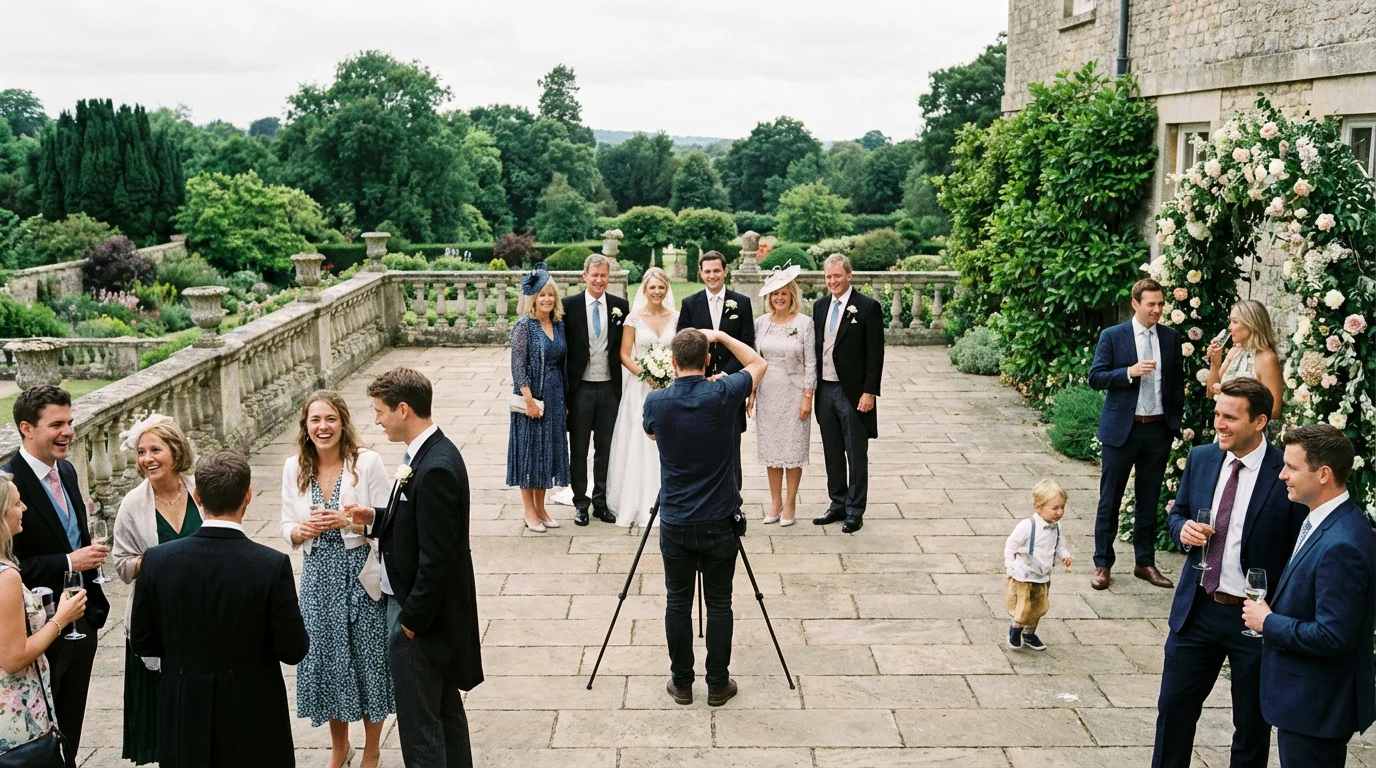
For example, at a wedding, you will certainly want carefully posed photographs of the bridal party, the family groups, and the couple. These are the iconic shots, the ones that often hang on walls. However, the truly heartwarming images might be the candid ones: the nervous glance before walking down the aisle, the tear in a parent’s eye, the uninhibited laughter on the dance floor. These spontaneous moments add depth and feeling, painting a full picture of the day’s emotions.
When planning a family photoshoot, consider dedicating specific times for each style. Start with some posed shots to capture everyone looking their best and to secure those “keepers.” Then, shift to a more relaxed atmosphere, encouraging interaction and play to capture genuine candid moments. This approach maximizes your photo yield, giving you a diverse collection of images that cater to different purposes and evoke a wide range of emotions.
You can also think about how professional photojournalists work. They capture both the key figures and the emotional responses of those around them. This comprehensive view ensures that the entire story, from the major events to the subtle human reactions, becomes part of the photographic record.

Preserving Your Photographic Heritage
No matter which photography styles you use, the ultimate goal remains the same: preserving your precious memories for future generations. Once you capture these moments, whether candid or posed, ensure their longevity. Properly organizing, digitizing, and storing your photographs safeguards your family’s history.
Consider the physical photographs you inherited. Were they stored in archival-safe boxes, or did time and environmental factors take their toll? Learn from past lessons. For your own prints, use acid-free sleeves and archival boxes to prevent deterioration. The Library of Congress offers excellent guidance on proper care for physical photographs, helping you protect these irreplaceable treasures. Digitizing your entire collection, both new and old, creates a crucial backup and makes your images accessible for sharing and enjoyment.
Digital files also require diligent preservation. Implement a robust backup strategy, including cloud storage and external hard drives. Organize your digital folders with consistent naming conventions, making it easy to find specific memories. Regularly review and migrate your files to current formats as technology evolves. These actions ensure that the vibrant stories told through your candid and posed photos endure, becoming a lasting legacy for your family.
Frequently Asked Questions
Can I combine candid and posed photography in one session?
Absolutely. Many professional photographers adeptly blend both styles. You might start with some intentionally posed group shots to ensure everyone looks their best, then transition into a more relaxed phase, allowing genuine interactions to unfold for candid captures. This approach provides a comprehensive collection of memories, offering both formal portraits and authentic moments.
How can I make posed photos look more natural?
Achieving natural-looking posed photos involves several techniques. Encourage genuine interaction by giving subjects prompts, not just commands. Ask them to tell a funny story, share a secret with a sibling, or look at each other. Focus on natural light, choose comfortable settings, and encourage slight movements or shifts in weight rather than rigid stances. A relaxed atmosphere helps subjects feel at ease, leading to more authentic expressions.
What equipment is best for candid photography?
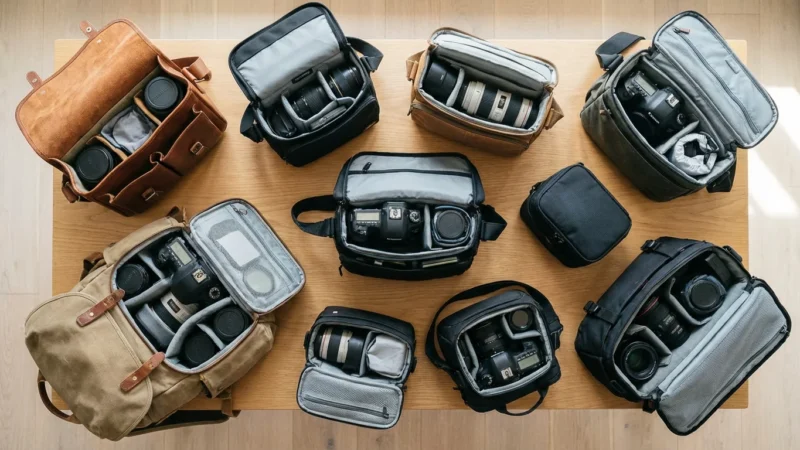
For candid photography, portability and discretion are key. A mirrorless camera or a compact DSLR with a versatile prime lens (like a 50mm or 35mm) or a zoom lens (like a 24-70mm) works well. These setups allow you to move freely and capture moments without drawing too much attention. Fast lenses, with wide apertures, are beneficial for low-light conditions and creating beautiful background blur, further emphasizing your subjects.
How do I choose the right photography style for a specific event?
Consider the event’s purpose and your desired outcome. For formal occasions like weddings or milestone anniversaries, a mix of both styles often works best, ensuring you capture both classic portraits and spontaneous joy. For a family picnic or a child’s birthday, lean more heavily into candid photography to document the unscripted fun. Discuss expectations with family members or your photographer beforehand to align on the desired look and feel of the final collection.
Disclaimer: This article is for informational purposes only. When handling valuable or irreplaceable photographs, consider consulting a professional conservator. Always test preservation methods on non-valuable items first.

Leave a Reply