
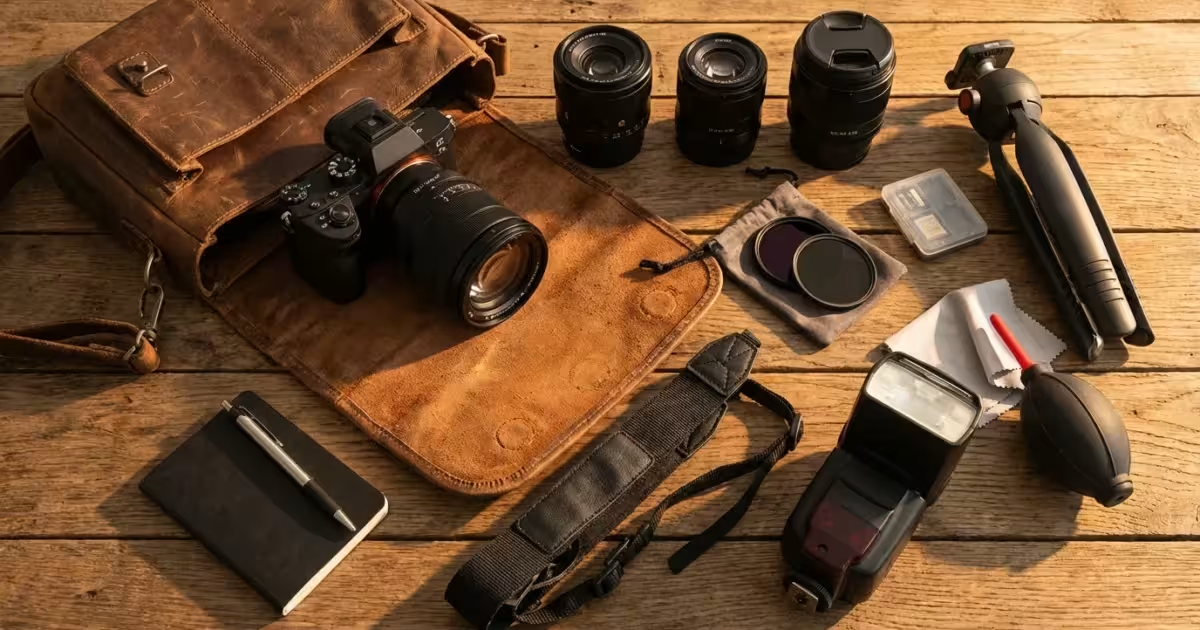
Every photographer, from the beginner capturing family moments to the seasoned professional documenting life, relies on more than just a camera body and a lens. The right camera accessories elevate your craft, protect your investment, and ensure you capture those irreplaceable memories with clarity and confidence. Investing in thoughtful photography gear empowers you to overcome common challenges and expand your creative possibilities. You do not need to buy every gadget on the market. Instead, focus on building a practical kit that truly enhances your shooting experience.
This guide helps you identify the essential camera accessories that will make the biggest difference in your photography journey. We cover everything from crucial protection to tools that unlock new artistic expressions, ensuring you select the best photography accessories to buy first. By understanding the purpose and benefits of each item, you build a kit perfectly suited to your needs, whether you are preserving old photos digitally or embarking on new photographic adventures.
Understanding Your Photography Journey and Gear Needs
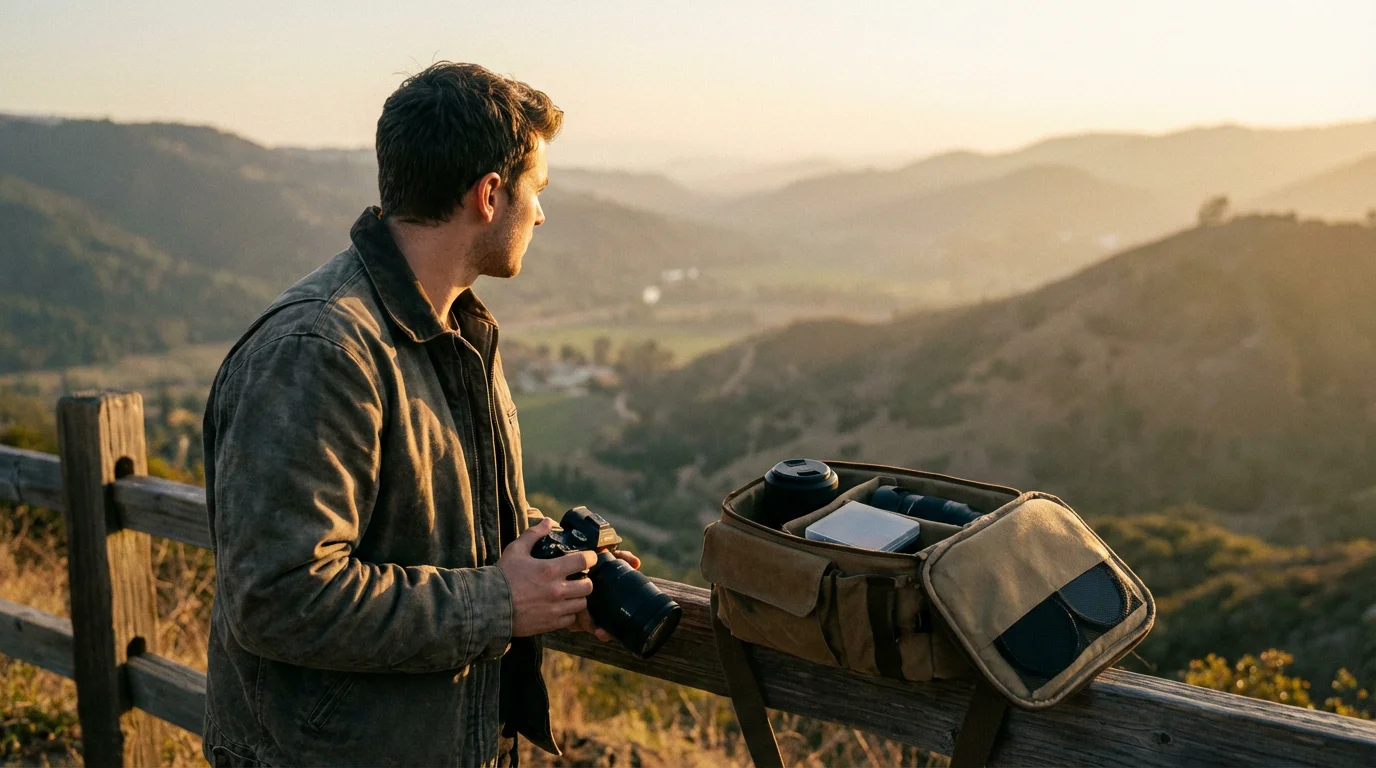
Before you dive into a list of specific photography gear, consider your current photographic goals. Are you primarily capturing candid family moments, exploring landscapes, or delving into portraiture? Your aspirations shape your essential camera accessories for beginners and seasoned enthusiasts alike. Someone focusing on family snapshots might prioritize a comfortable strap and extra batteries, while a landscape photographer needs a sturdy tripod and specific filters.
Selecting the right gear is much easier once you have one of the best cameras for beginners to practice with.
Think about where you typically shoot. Are you always indoors, in a studio, or frequently outdoors in varying weather conditions? These environmental factors influence your choices for protective gear and power solutions. For instance, if you often photograph in dusty environments, a robust cleaning kit becomes a non-negotiable item. Understanding your specific needs prevents impulse purchases and ensures every accessory genuinely supports your photographic endeavors.
Start by assessing your current equipment. Do you have a basic kit lens? Do you often find yourself running out of battery power? By pinpointing your pain points and areas for improvement, you can strategically select the must-have equipment that directly addresses those challenges. This thoughtful approach saves you money and time, allowing you to focus on what matters most: capturing beautiful images.
The Foundation: Bags and Straps
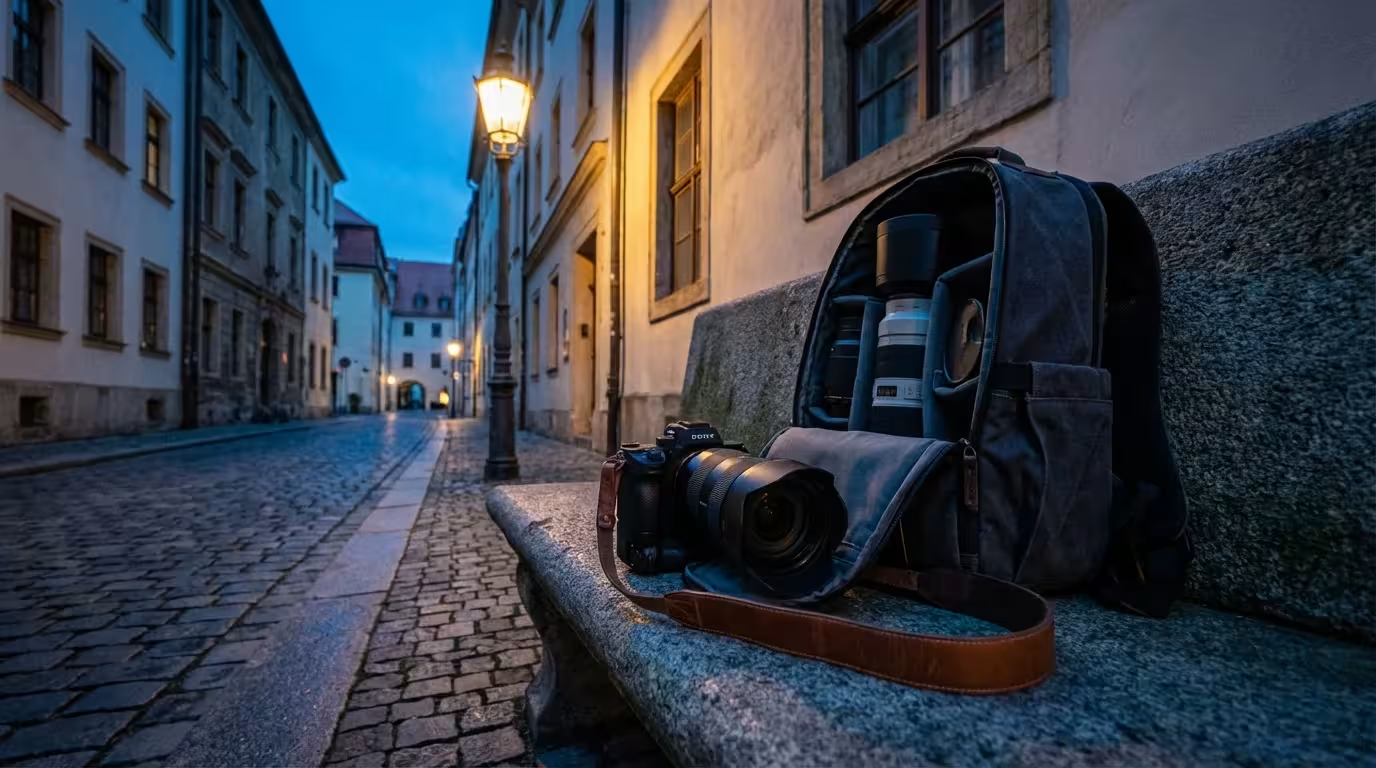
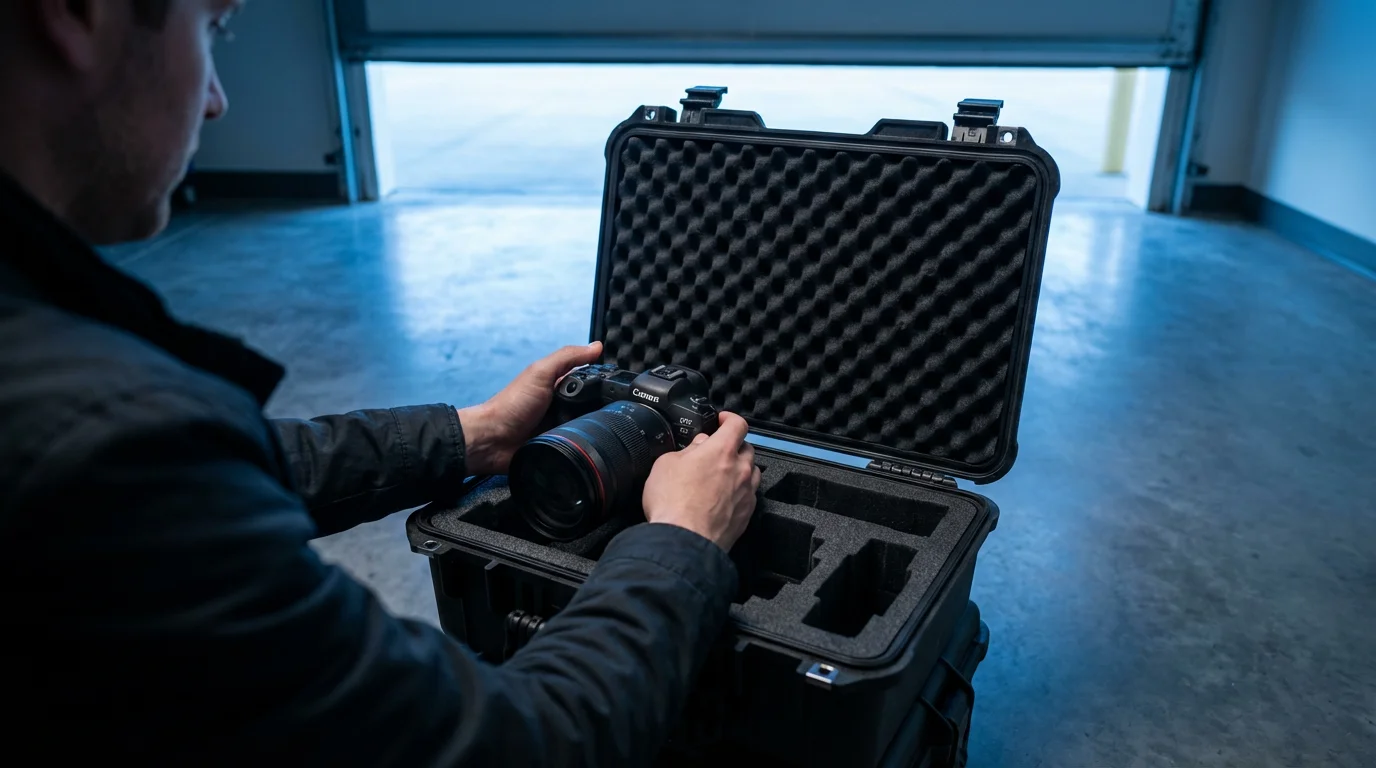
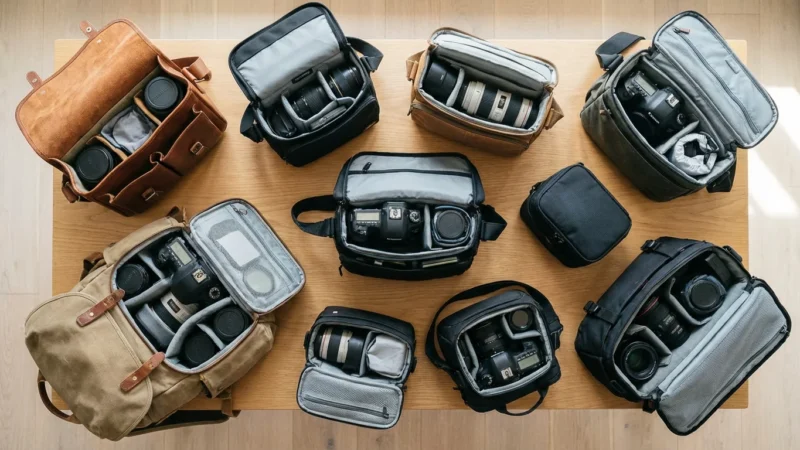
Your camera and lenses represent a significant investment, making their safe transport and comfortable handling paramount. This is where quality bags and straps become truly essential camera accessories. They are not merely conveniences, but vital protective gear.
- Camera Bags: A good camera bag protects your equipment from bumps, scratches, dust, and moisture. More importantly, it organizes your lenses, spare batteries, memory cards, and cleaning supplies, making them easily accessible.
- Backpacks: Ideal for carrying a full kit, often providing space for personal items, perfect for longer shoots or travel. Look for padded compartments and weather-resistant materials.
- Shoulder Bags (Messengers): Offer quicker access to gear, suitable for street photography or when you need to change lenses frequently. Ensure the strap is wide and well-padded for comfort.
- Sling Bags: A hybrid offering quick rotation from back to front for access without removing the bag entirely. Excellent for dynamic shooting situations.
“A camera bag is more than just storage, it’s a mobile workstation. The right bag keeps your tools organized and protected, so you spend less time fumbling and more time focusing on the shot.”
- Camera Straps: The strap that comes with your camera often lacks comfort and security. Upgrading this piece of photography gear significantly improves your shooting experience.
- Comfort Straps: Wider and padded straps distribute the camera’s weight more evenly across your neck or shoulder, reducing fatigue during long shooting sessions. Many options use neoprene or other breathable materials.
- Hand Straps: Secure your camera to your hand, providing extra stability and peace of mind, especially when shooting in crowded areas or precarious positions.
- Quick-Release Systems: Some straps feature quick-release mechanisms that allow you to rapidly attach or detach your camera, making it easier to mount on a tripod or store in a bag.
When selecting bags and straps, prioritize durability, comfort, and functionality. Think about the amount of gear you typically carry and how you prefer to access it. Investing in these foundational camera accessories ensures your gear remains safe and always ready for action.
Stabilization for Sharper Shots: Tripods and Monopods
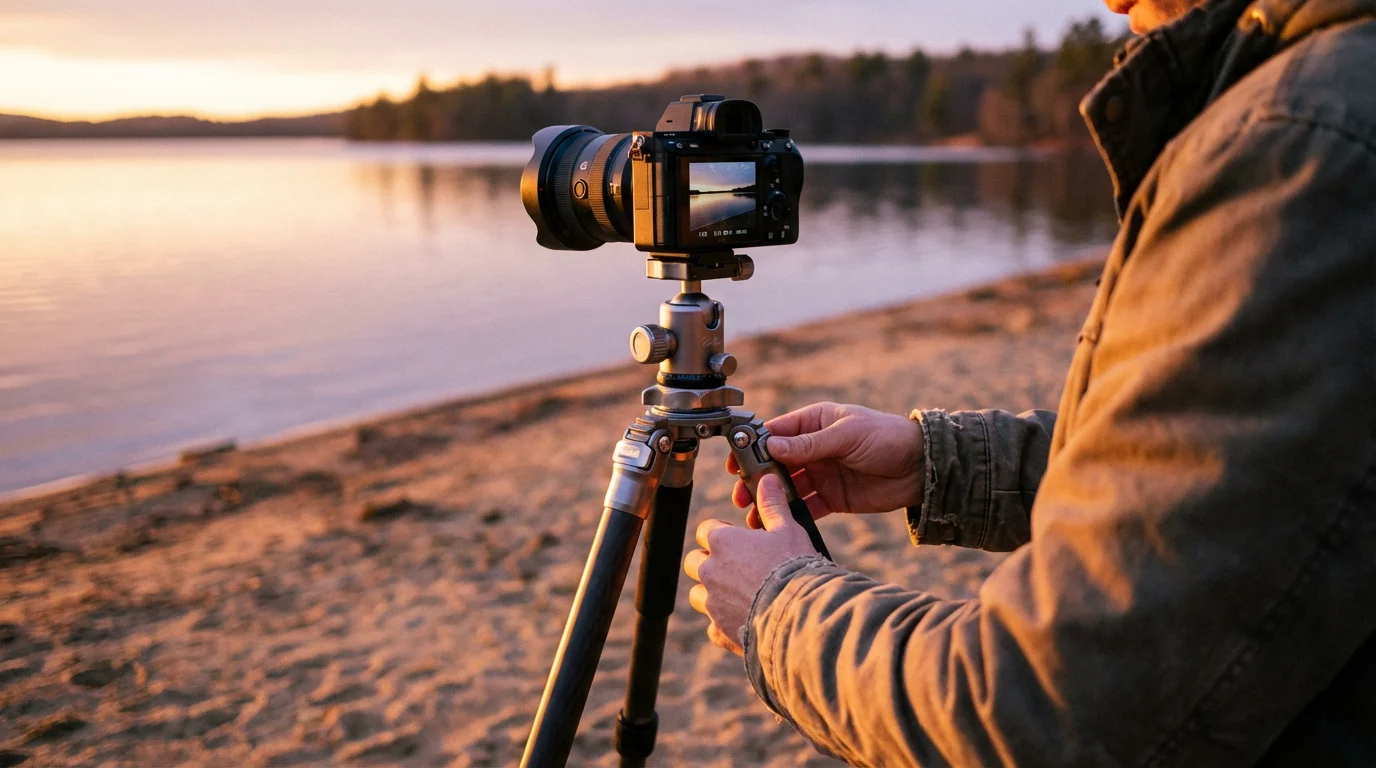
Sharp images are fundamental to quality photography. Achieving consistent sharpness, especially in challenging lighting conditions or with longer exposures, often requires stability beyond what your hands can provide. This is where tripods and monopods become indispensable photography gear.
- Tripods: A three-legged support system providing maximum stability. Tripods are essential for:
- Long Exposure Photography: Capture stunning light trails, smooth water, or starry nights without motion blur.
- Low-Light Situations: Use slower shutter speeds to gather more light without increasing ISO too high, preventing noisy images.
- Macro Photography: Achieve precise focusing and stable compositions for extreme close-ups.
- Time-Lapse Photography: Maintain a consistent camera position over extended periods.
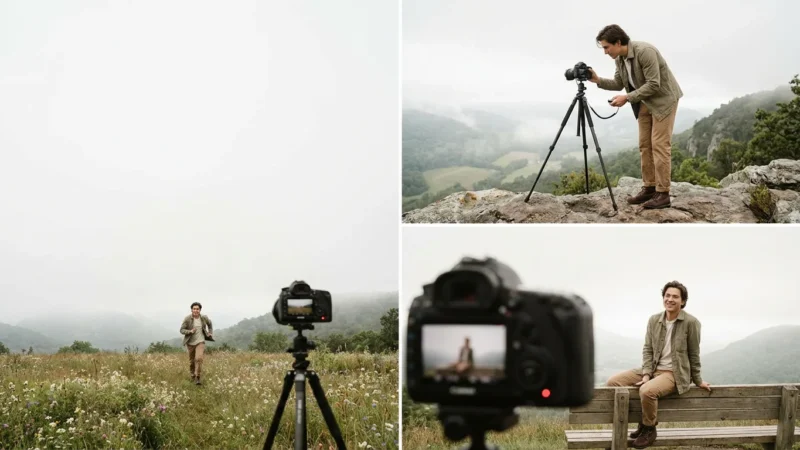
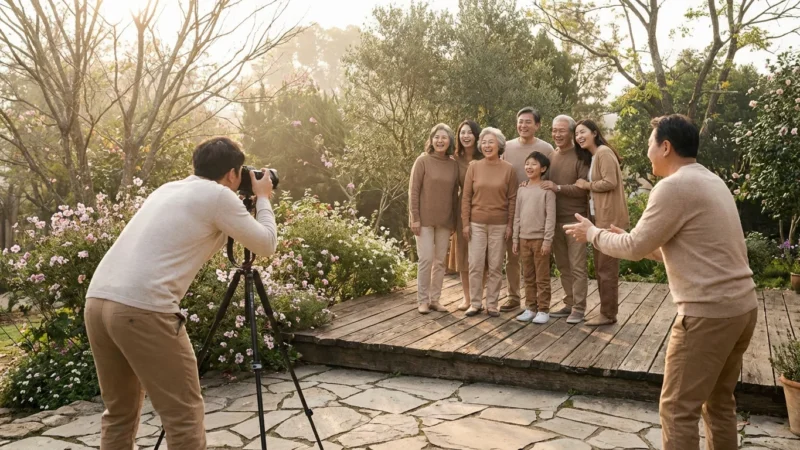
- Self-Portraits and Group Shots: Use the self-timer or a remote trigger to include yourself in the frame.
When choosing a tripod, consider its weight capacity, maximum height, folded length for portability, and construction material (aluminum is robust but heavier, carbon fiber is lighter but more expensive). The tripod head is equally important; ball heads offer flexibility, while pan-tilt heads provide precise, independent control over axes. Ensure the quick-release plate is easy to use and secure.
- Monopods: A single-legged support offering more flexibility and portability than a tripod. Monopods are excellent for:
- Sports and Wildlife Photography: Support heavy telephoto lenses, reducing arm fatigue and improving stability for fast-moving subjects.
- Concerts and Events: Navigate crowded spaces more easily while still gaining a crucial boost in stability for sharper shots.
- Videography: Provide smoother panning and steady shots compared to handheld video.
Monopods offer a compromise between handheld shooting and tripod stability. They are not as stable as a tripod but significantly reduce camera shake, especially with longer lenses or in situations where a tripod is impractical. Look for models that extend and collapse easily and have a comfortable grip. Both tripods and monopods are vital must-have equipment for photographers seeking consistently sharp, professional-quality images.
Protecting Your Investment: Filters and Cleaning Kits
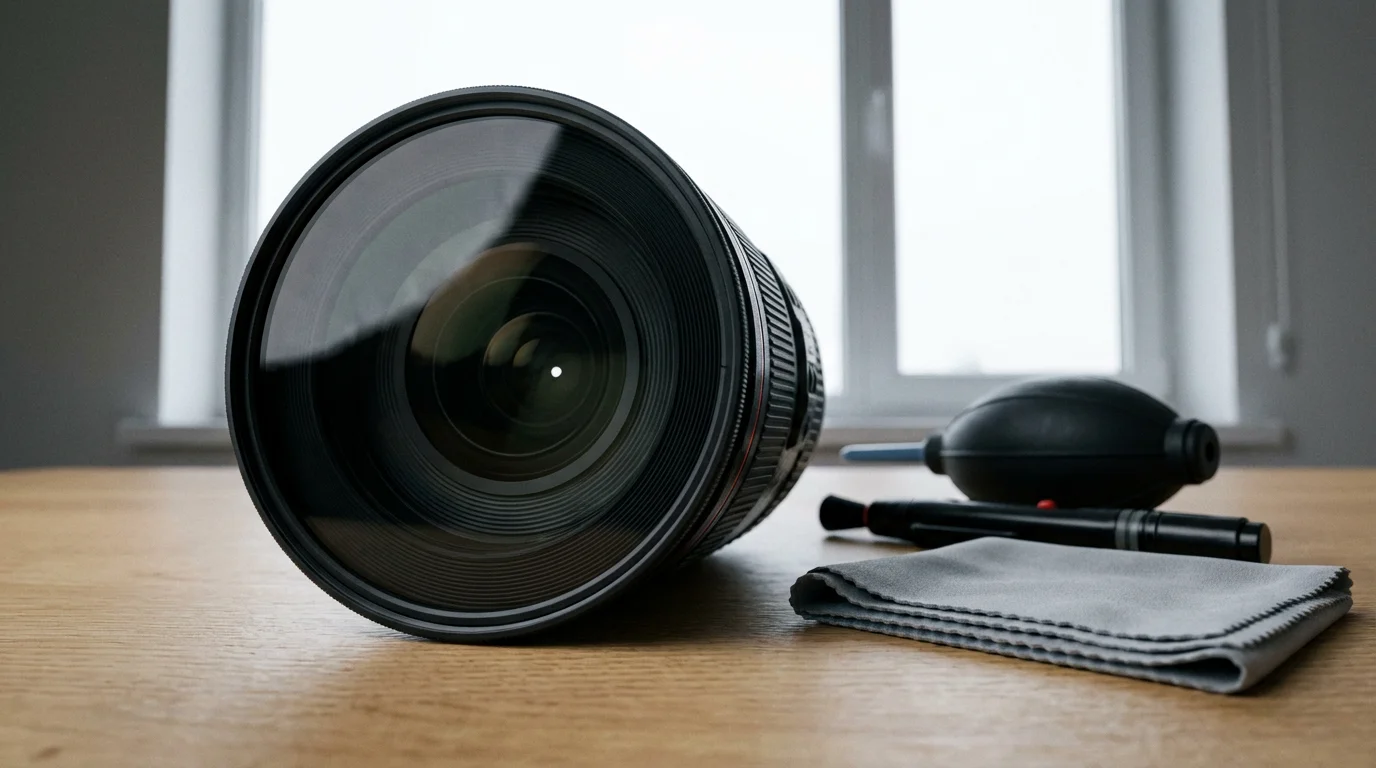
Your camera’s lens is its eye, and keeping it clear and protected is paramount. Filters and cleaning kits are non-negotiable camera accessories for extending the life of your equipment and enhancing image quality. Neglecting proper care can lead to costly repairs or permanently degraded images.
- Lens Filters: Filters serve both protective and creative purposes.
- UV Filters: While often debated for their optical necessity with modern digital sensors, a UV filter acts as a sacrificial layer of glass, protecting your expensive front lens element from scratches, dust, and impacts. It is a small investment that prevents potentially catastrophic damage.
- Circular Polarizer (CPL) Filters: These are powerful creative tools. CPL filters reduce glare from reflective surfaces like water, glass, and foliage, deepen blue skies, and enhance color saturation. They are indispensable for landscape and outdoor photography.
- Neutral Density (ND) Filters: ND filters act like sunglasses for your camera, reducing the amount of light entering the lens without affecting color. This allows you to use slower shutter speeds in bright conditions (for smooth water effects) or wider apertures (for shallow depth of field in sunlight).
Always purchase high-quality filters from reputable brands. Cheap filters can introduce color casts, reduce sharpness, or create unwanted reflections. Match the filter size to your lens’s front element diameter, usually marked on the lens barrel with a ø symbol.
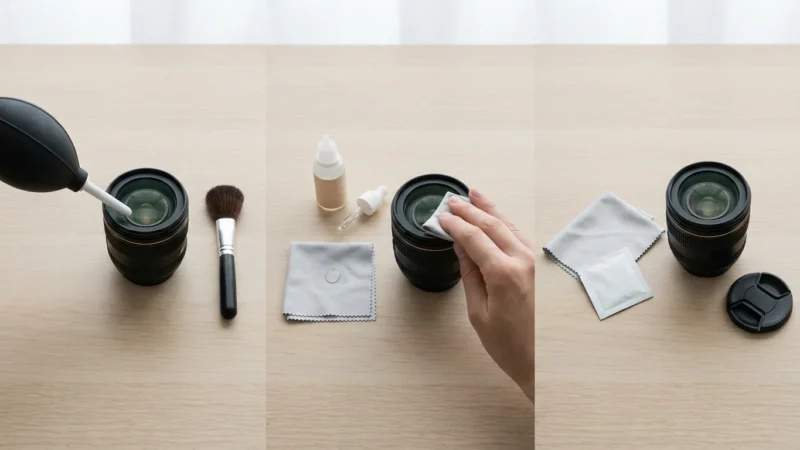
- Cleaning Kits: A clean lens and sensor directly impact image quality. Dust, smudges, and fingerprints degrade sharpness and create distracting artifacts.
- Lens Pen or Brush: A soft, retractable brush effectively removes loose dust particles without scratching the lens surface.
- Microfiber Cloths: Specifically designed for optics, these cloths gently wipe away smudges and fingerprints without leaving lint. Always use a clean, dedicated microfiber cloth for your lenses.
- Lens Cleaning Solution: A few drops of professional lens cleaning solution applied to a microfiber cloth help remove stubborn grease or smudges. Never spray directly onto the lens.
- Rocket Blower: This bulb-style blower directs a powerful puff of air to dislodge dust from lenses, camera bodies, and even sensors without touching the surfaces. Avoid using canned air, which can contain propellants that damage coatings or sensors.
- Sensor Cleaning Kit: If you frequently change lenses, dust inevitably finds its way onto your camera’s sensor. A specialized sensor cleaning kit, which typically includes swabs and a cleaning solution, allows you to safely clean your sensor. If uncomfortable, professional sensor cleaning services are available.
Regular, gentle cleaning with the right tools preserves your photography gear and ensures your images remain pristine. These items are fundamental must-have equipment for any photographer.
Power and Storage: Batteries and Memory Cards
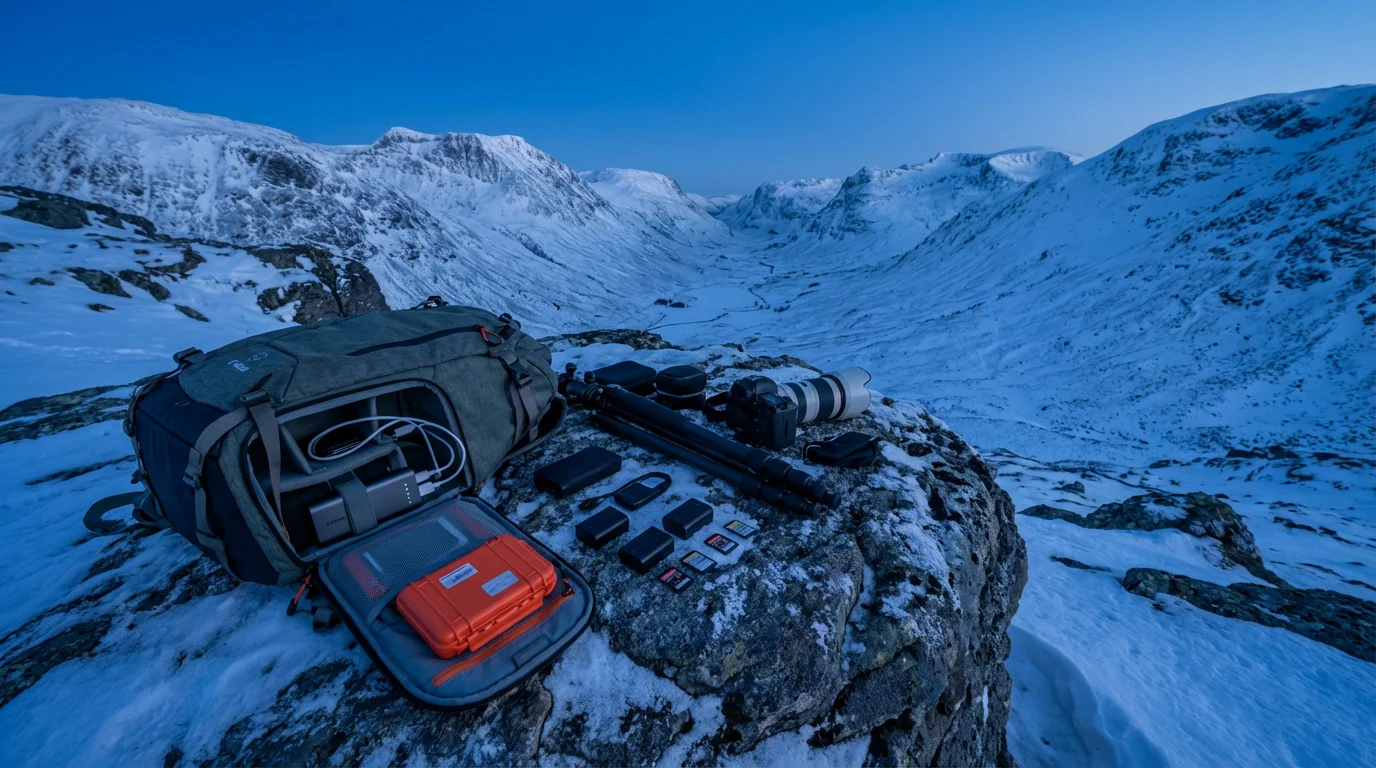
Imagine missing a perfect shot because your battery died or your memory card filled up. Power and storage solutions are arguably the most crucial must-have equipment for uninterrupted shooting. No amount of creative talent can overcome a dead battery or a full card.
- Spare Batteries: Always carry at least one, preferably two, fully charged spare batteries. Modern digital cameras consume significant power, especially when using live view, video recording, or built-in Wi-Fi.
- Original Manufacturer Batteries: These typically offer the best performance, reliability, and safety.
- Reputable Third-Party Batteries: Some third-party brands offer good quality at a lower price. Research reviews thoroughly before purchasing to ensure compatibility and safety.
Battery life often decreases in cold weather, so carrying spares is even more critical for outdoor winter shoots. Keep spare batteries in a dedicated pocket or compartment where they remain warm, extending their charge. You invest in confidence and continuous shooting capacity by having extra power, ensuring you never miss a moment.
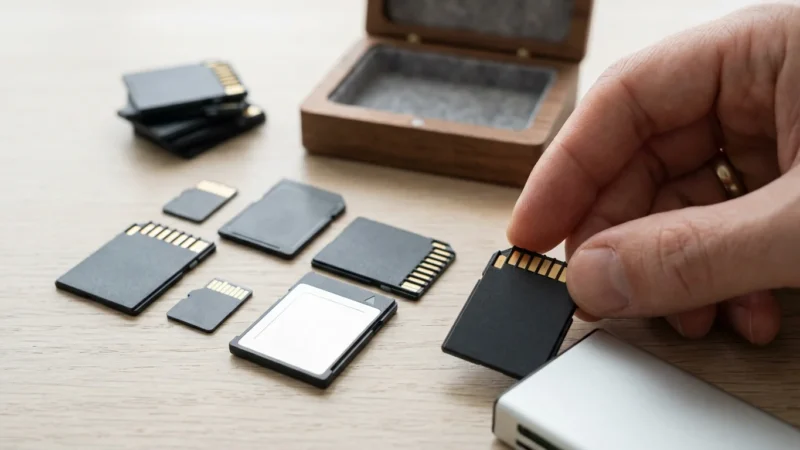
- High-Speed Memory Cards: These cards store your precious images and videos. Speed and capacity are key considerations for these essential camera accessories.
- Capacity: A 64GB or 128GB card offers a good balance for most photographers, allowing thousands of RAW or JPEG images and significant video footage. The exact capacity you need depends on your shooting habits and file sizes.
- Speed (Write Speed): Look for cards with high write speeds (e.g., U3, V30, V60, V90 ratings) to handle rapid-fire continuous shooting, 4K video recording, and quick image processing. Slower cards can cause your camera to buffer, making you wait between shots.
- Reliability: Stick with well-known, reputable brands for memory cards. Data loss due to a faulty card is heartbreaking. Consider brands known for durability and robust error correction.
Always format your memory cards in your camera before each shoot. This prepares the card for optimal performance with your specific camera. Consider carrying multiple smaller capacity cards rather than one large one. If a card fails, you only lose a portion of your day’s work, not everything. These camera accessories directly impact your ability to capture and retain your photographic memories.
Shaping Light: External Flashes and Reflectors
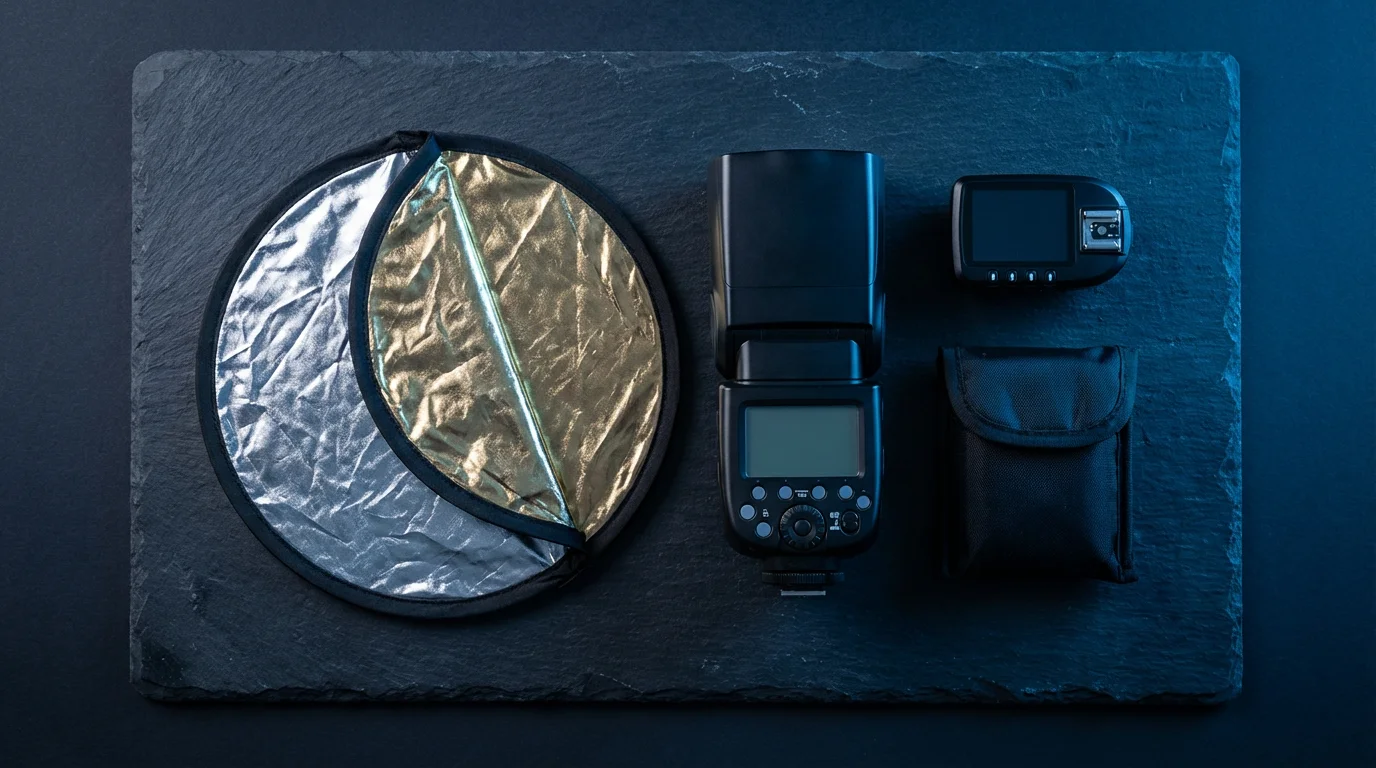
Light is the fundamental element of photography. While natural light offers endless possibilities, controlling and shaping light with artificial tools expands your creative reach dramatically. External flashes and reflectors are must-have equipment for photographers seeking precise control over illumination, transforming ordinary scenes into captivating images.
Beyond lighting, mastering composition techniques is essential for creating truly professional-looking photographs.
- External Flashes (Speedlights): Unlike your camera’s small, harsh pop-up flash, an external flash provides more power, flexibility, and control.
- Bouncing Light: The most significant advantage. You can swivel an external flash head to bounce light off ceilings or walls, creating soft, diffused, and natural-looking illumination that avoids harsh shadows and red-eye.
- Off-Camera Flash: Mount your speedlight on a stand or hold it away from the camera to create more dynamic and directional lighting, sculpting your subject with light and shadow. This requires a wireless trigger system.
- Fill Light: Use a speedlight outdoors to fill in harsh shadows on your subject’s face when shooting in bright sunlight, balancing the exposure.
When selecting a speedlight, consider its Guide Number (a measure of power), its ability to swivel and tilt, and its compatibility with your camera’s TTL (Through-The-Lens) metering system for automatic exposure. Many photographers find even a single external flash dramatically improves their portraiture and event photography.
- Reflectors: A simple, yet incredibly effective tool for manipulating natural or artificial light. Reflectors are inexpensive and lightweight, making them essential camera accessories for any outdoor or studio photographer.
- Fill Shadows: Reflect light back onto your subject to brighten shadows and reduce contrast, creating a more flattering, even illumination.
- Add Catchlights: Position a reflector to create appealing sparkle in a subject’s eyes, bringing life to portraits.
- Warm or Cool Light: Reflectors often come with different surfaces (silver for bright, neutral reflection; gold for warmer tones; white for softer fill; black for subtraction/flagging light).
A 5-in-1 collapsible reflector is a popular choice, offering multiple surfaces in a portable package. Holding a reflector requires an assistant, a stand, or careful positioning. Mastering the use of external flashes and reflectors significantly enhances your ability to create professional-looking images by giving you command over the quality and direction of light.
Beyond the Basics: Remote Triggers and Lens Adapters
Once you have a solid foundation of essential camera accessories, you can explore tools that push your creative boundaries and solve specific photographic challenges. Remote triggers and lens adapters fall into this category, offering advanced functionality for specialized techniques.
Once you have stabilized your camera and managed your light, applying effective composition techniques will help you create truly memorable images.
- Remote Triggers (Shutter Releases): These devices allow you to fire your camera’s shutter without physically touching the camera body.
- Eliminate Camera Shake: Crucial for long exposures, macro photography, or any situation where the slightest vibration blurs your image. Even pressing the shutter button creates minor shake.
- Self-Portraits and Group Photos: Gives you the freedom to be in the shot and trigger the camera remotely.
- Wildlife Photography: Trigger your camera from a distance without disturbing skittish animals.
- Time-Lapse Photography: Advanced remotes can program intervals and sequences, making complex time-lapses much easier.
Remote triggers come in wired and wireless versions. Wired remotes are reliable and inexpensive, while wireless remotes offer greater freedom of movement. Some cameras even connect to smartphone apps, turning your phone into a remote trigger, making this one of the most convenient photography gear upgrades.
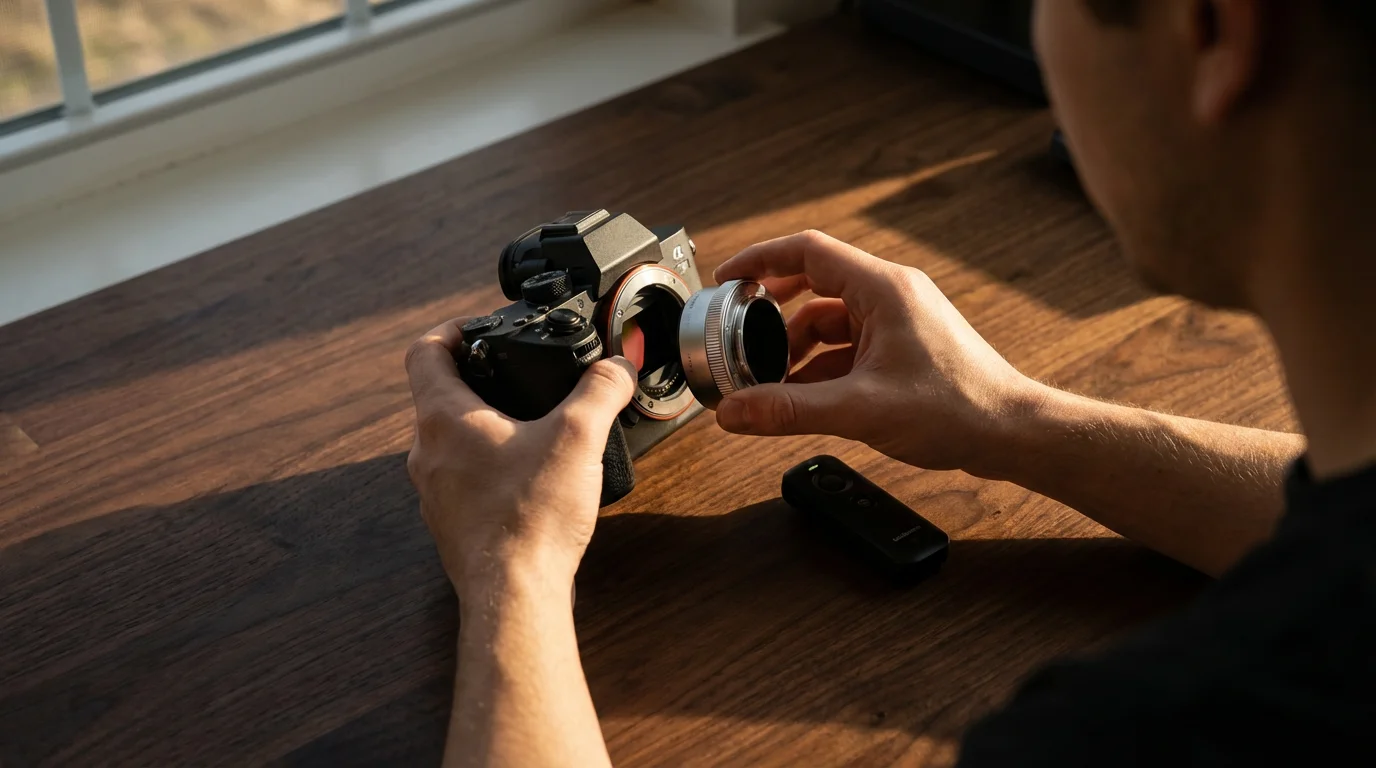
- Lens Adapters: These allow you to mount lenses designed for one camera system onto a different camera body.
- Access Vintage Lenses: Adapt older, often high-quality, manual focus lenses to your modern digital camera. This opens up a world of unique optical characteristics and often at a fraction of the cost of new lenses.
- Cross-System Compatibility: If you own lenses from a different brand or mount, an adapter can allow you to use them on your current camera, expanding your lens library without buying all new glass.
- Specialized Lenses: Some adapters enable the use of specialized lenses like tilt-shift or anamorphic lenses not natively available for your system.
When considering lens adapters, research compatibility carefully. Passive adapters only allow manual focus and aperture control, while electronic adapters transmit lens data and enable autofocus and aperture control, though they are often more expensive. Lens adapters are excellent must-have equipment for photographers looking to experiment with different aesthetics or utilize existing investments. They unlock new creative avenues and help you explore diverse photographic styles.
Curating Your Kit: Making Smart Choices for Your Photography Gear
Building your ideal photography kit is an ongoing process, not a one-time purchase. As your skills grow and your photographic interests evolve, so too will your needs for essential camera accessories. The key is to make smart, informed decisions that genuinely enhance your creative process and protect your valuable equipment.
Prioritize Functionality Over Quantity: You do not need every gadget advertised. Focus on the tools that directly address your current challenges and enable the types of photography you want to pursue. For a beginner, a sturdy bag, an extra battery, and a reliable memory card are far more impactful than a specialized lighting modifier.
Invest in Quality: While budgeting is important, avoid the cheapest options for critical items like memory cards, batteries, and protective filters. Poor quality here can lead to data loss, equipment damage, or degraded image quality. Reputable brands often provide better durability, performance, and peace of mind.
Consider Your Portability Needs: If you frequently travel or hike with your camera, the weight and bulk of your photography gear become critical factors. Carbon fiber tripods, compact lenses, and lightweight bags significantly reduce strain and encourage you to take your camera more places.
Research and Read Reviews: Before making a purchase, consult expert reviews and user feedback. Sites like Digital Photography Review (dpreview.com) offer in-depth analyses of camera accessories. Learn from the experiences of others to avoid common pitfalls.
Start Simple and Expand Gradually: Begin with the most fundamental accessories discussed in this guide. As you gain experience, you will naturally discover specific needs. Perhaps you realize you need a macro lens for close-ups, or a specific type of filter for astrophotography. Let your photographic journey guide your next accessory purchase.
By thoughtfully curating your selection of must-have equipment, you build a robust and versatile kit that supports your passion for photography. These essential camera accessories empower you to capture the world around you with greater confidence, creativity, and technical proficiency, ensuring your precious photo memories are preserved beautifully.
Frequently Asked Questions
What are the absolute essential camera accessories for beginners?
For beginners, the absolute essential camera accessories include a reliable camera bag to protect your gear, a comfortable strap for easy carrying, at least one spare battery to ensure uninterrupted shooting, and a high-speed, high-capacity memory card to store your photos. A basic cleaning kit with a lens pen and microfiber cloths also proves vital for maintaining image quality.
How many memory cards should I carry?
You should carry at least two high-speed memory cards. This practice provides redundancy, meaning if one card fails, you have another to continue shooting. It also allows you to manage file sizes more effectively, perhaps using one card for photos and another for video, or using smaller capacity cards to minimize potential data loss if a single card corrupts.
Is a UV filter still necessary for modern lenses?
While modern lenses often have excellent coatings that render the optical benefits of UV filters minimal, a UV filter still serves as a sacrificial layer of glass. It protects your expensive front lens element from scratches, dust, and minor impacts. Many photographers consider it a small investment for significant protection against accidental damage.
Can I use third-party batteries, or should I stick to brand-name ones?
You can use third-party batteries, but do so with caution. Original manufacturer batteries generally offer the best performance, reliability, and safety features. If you choose third-party options, research reputable brands with positive reviews, as cheaper, unverified alternatives can sometimes offer less power, degrade quickly, or even pose safety risks. Prioritize reliability for your essential camera accessories.
How do I clean my camera lens without damaging it?
Clean your camera lens by first using a rocket blower to remove loose dust particles. If smudges or fingerprints remain, gently wipe them with a clean, dedicated microfiber cloth. For stubborn spots, apply a few drops of a professional lens cleaning solution to the microfiber cloth, never directly onto the lens, and then gently wipe in a circular motion from the center outwards. Always avoid harsh chemicals or abrasive materials.
Disclaimer: This article is for informational purposes only. When handling valuable or irreplaceable photographs, consider consulting a professional conservator. Always test preservation methods on non-valuable items first.
Leave a Reply