
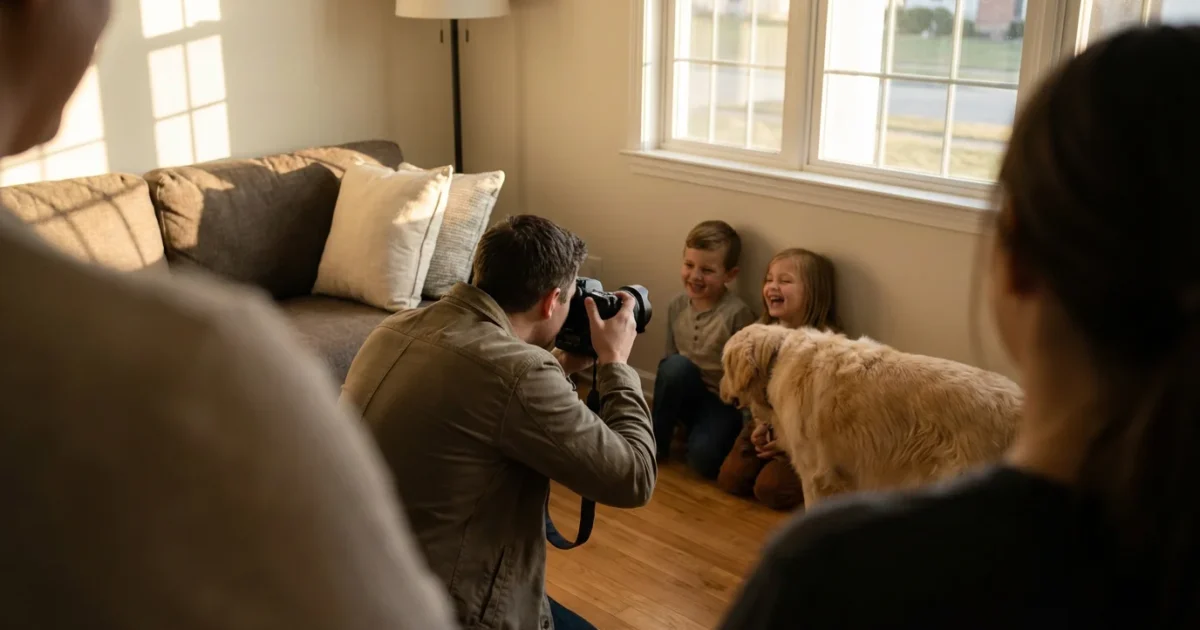
Capturing the fleeting moments of childhood and the unique personalities of our beloved pets provides some of life’s most precious photographic memories. These subjects, however, also present distinct challenges. Children move unpredictably, and pets rarely sit still on command. You want to create beautiful, lasting images that truly reflect their spirit, not blurry approximations or forced poses. This guide offers practical, actionable strategies to help you navigate these photographic adventures with confidence and capture stunning results.
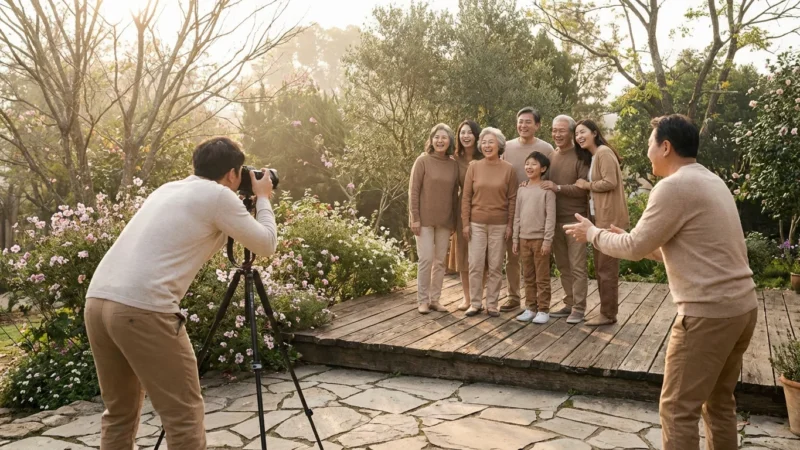
Once you have mastered individual portraits, you may also want to learn how to take great group photos at family gatherings to document everyone together.
While professional equipment is ideal, you can also apply specific smartphone photography tips for capturing family moments when you need to act fast.
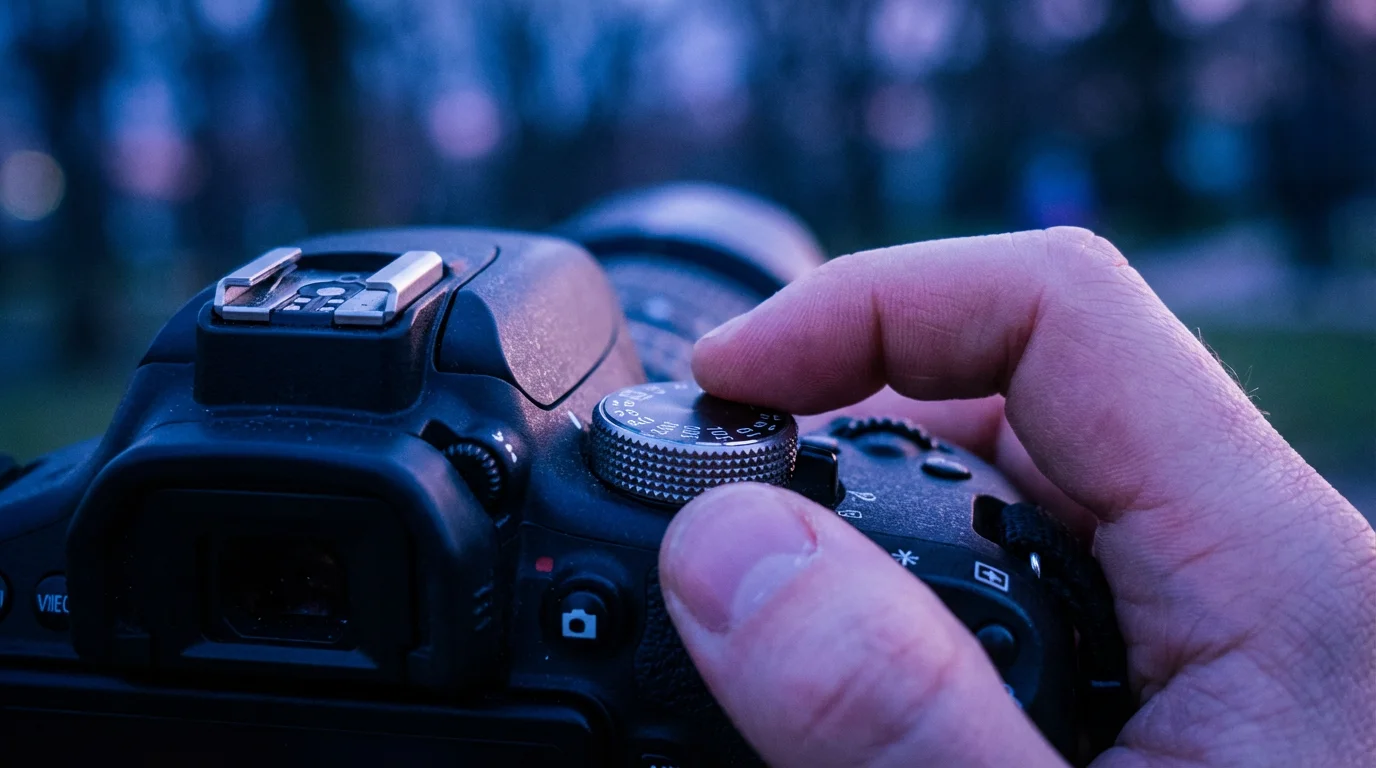
Master Your Camera Settings for Dynamic Subjects
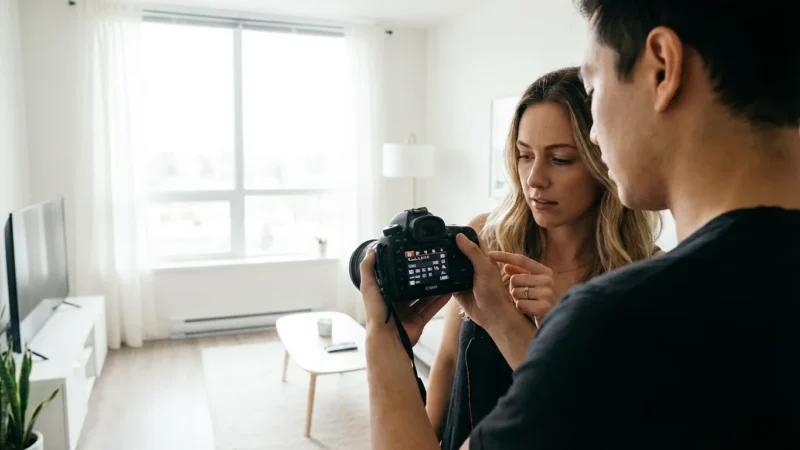
Photographing children and pets successfully requires a foundational understanding of your camera’s manual settings. These dynamic subjects demand responsiveness and precision from your equipment. Adjusting your camera correctly ensures you freeze motion, create pleasing backgrounds, and manage light effectively.
Prioritize Shutter Speed for Clarity
The most crucial setting for photographing children photography and pet photos, especially when capturing action shots, is shutter speed. A fast shutter speed freezes motion, preventing blurry subjects. Begin with a shutter speed of at least 1/250th of a second for walking or gentle movements. For running children or playful pets, you will need 1/500th of a second or faster. If your camera permits, use Shutter Priority mode (Tv or S) to control this setting directly, allowing the camera to adjust aperture for proper exposure. For instance, a child running across a playground might require 1/1000th of a second to render sharp details, while a dog mid-leap could demand 1/1600th of a second or higher.
Control Depth of Field with Aperture
Aperture, represented by f-numbers like f/2.8 or f/8, controls the depth of field, which determines how much of your image is in focus. A wide aperture (small f-number) creates a shallow depth of field, blurring the background and making your subject stand out. This technique, often called “bokeh,” works beautifully for portraits of individual children or pets. Start with an aperture between f/2.8 and f/4 for a single subject. If you photograph multiple children or pets together, or want more of the environment in focus, use a narrower aperture like f/5.6 or f/8. In Aperture Priority mode (Av or A), you set the aperture, and your camera selects the shutter speed.
Balance Light Sensitivity with ISO
ISO determines your camera sensor’s sensitivity to light. A lower ISO (e.g., 100 or 200) produces cleaner images with less digital noise. However, in lower light conditions or when fast shutter speeds are necessary, you must increase ISO. Aim for the lowest ISO possible while maintaining a fast enough shutter speed and appropriate aperture. Modern cameras handle higher ISOs better than older models, but excessive ISO (e.g., 6400 or higher) can introduce noticeable grain. Evaluate your shooting environment and find the balance.
Utilize Continuous Autofocus for Moving Subjects
For how to take good photos of kids and pets, especially when they are active, switch your camera’s autofocus mode to continuous autofocus (often labeled AI Servo on Canon or AF-C on Nikon and Sony). This mode continuously tracks your subject as it moves, maintaining focus as long as you hold down the shutter button. This proves invaluable for tips for photographing moving subjects, ensuring critical focus on your child’s face as they run towards you or on your pet during play. Combine continuous autofocus with burst mode for the highest success rate in capturing sharp action.
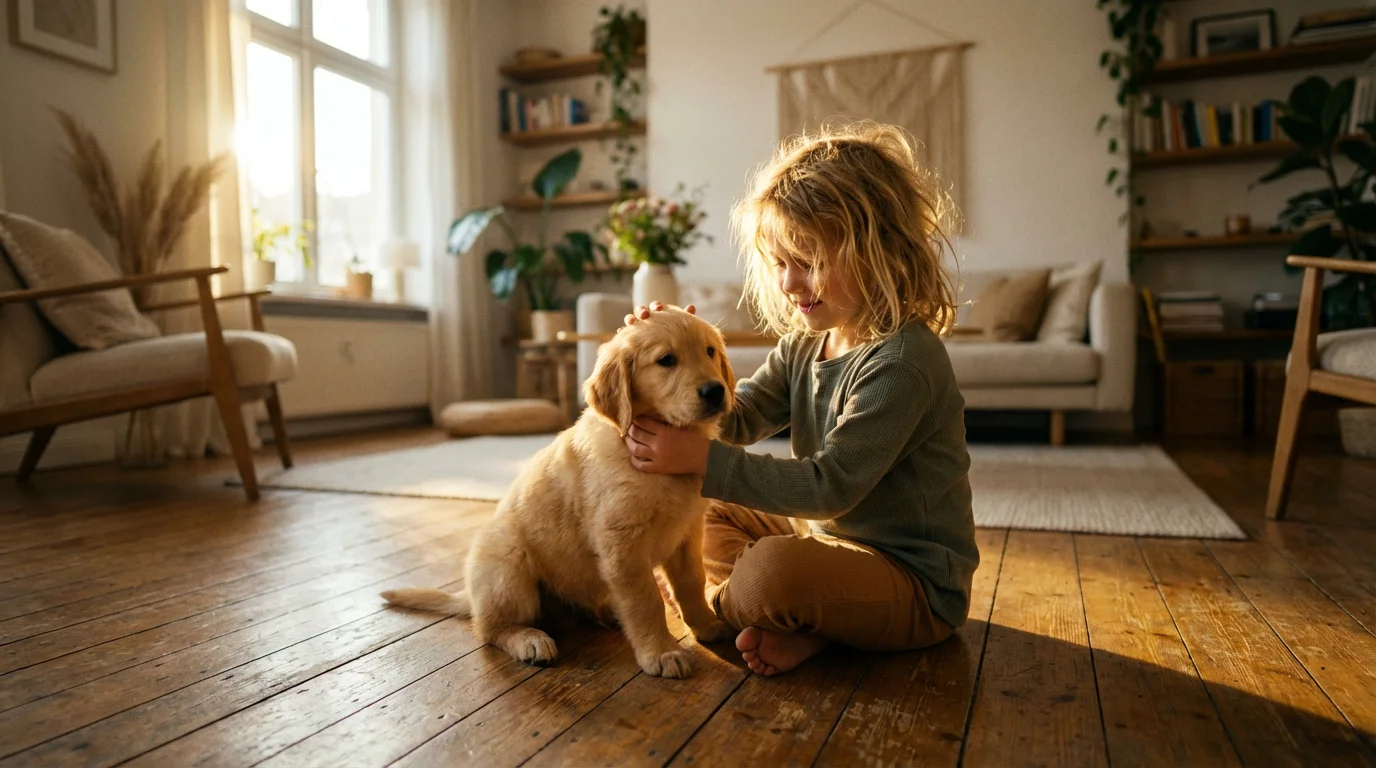
Harnessing Light for Engaging Portraits
Light sculpts your subject, creates mood, and adds depth to your photographs. Understanding how to use natural and artificial light effectively transforms ordinary snapshots into extraordinary portraits of children and pets.
Embrace Natural Light Outdoors
Natural light remains your best friend. The “golden hour,” occurring shortly after sunrise and before sunset, offers soft, warm, diffused light ideal for children photography and pet photos. This light produces flattering tones and avoids harsh shadows. Overcast days also provide excellent soft light because clouds act as a giant diffuser. Position your subject with the light hitting them from the side or slightly behind for beautiful rim lighting. Avoid direct midday sun whenever possible, as it creates harsh shadows and causes subjects to squint.
Seek Open Shade
If you must shoot midday, find open shade. This could be under a large tree, on the shaded side of a building, or under a porch. Open shade provides even, soft light, preventing blown-out highlights and deep, distracting shadows. It offers a consistent quality of light that flatters all subjects, making it an excellent environment for capturing serene portraits.
Utilize Window Light Indoors
Indoors, window light acts as a large, soft light source. Position your child or pet near a window, ideally one that does not receive direct, harsh sunlight. The closer they are to the window, the softer the light. Experiment with different angles: position them facing the window for even frontal light, or to the side for more dramatic shadows and texture. A white sheet or reflector on the opposite side of the window can bounce light back onto your subject, filling in shadows and creating more balanced illumination.
Employ Reflectors for Fill Light
A simple, inexpensive reflector can dramatically improve your lighting. Use it to bounce available light back onto your subject, softening shadows and adding catchlights to their eyes. A white card, a silver reflector, or even a large piece of white foam board works effectively. Position it opposite your main light source to ‘fill’ in the darker areas of your subject’s face or body. This technique is particularly useful when you have a strong single light source, such as a window, and want to reduce contrast.
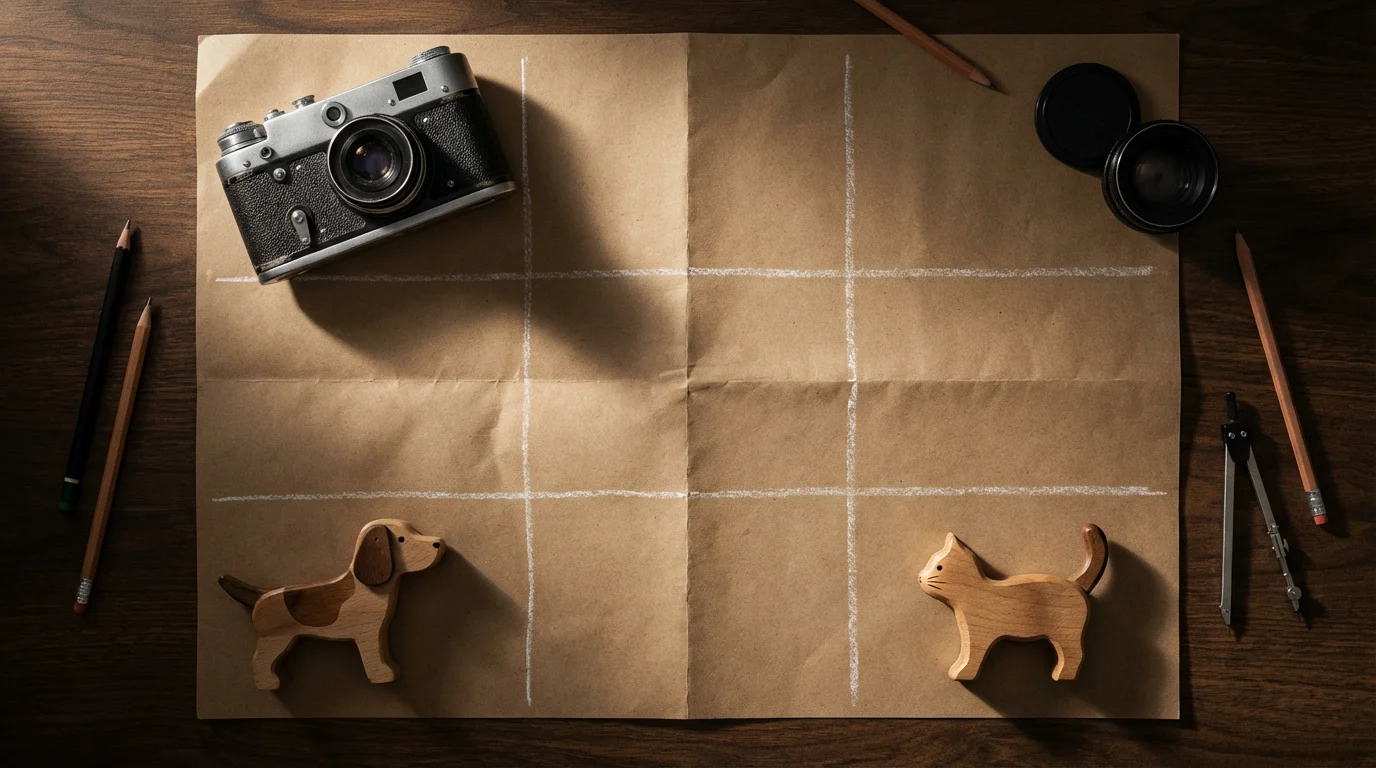
Composition Techniques for Captivating Images
Composition guides the viewer’s eye and adds artistic appeal to your photos. Effective composition transforms a simple snapshot into a compelling visual story, making your children photography and pet photos truly stand out.
Get Down to Their Level
One of the most impactful tips for photographing moving subjects, especially children and pets, is to photograph them at their eye level. This perspective immerses the viewer into their world, creating a more intimate and engaging image. Crouching or even lying on the ground changes your viewpoint from a distant observer to an active participant, making the subject feel more prominent and important. This technique offers a unique insight into their size and environment.
Apply the Rule of Thirds
The rule of thirds suggests dividing your frame into nine equal sections using two horizontal and two vertical lines. Place your subject or key elements along these lines or at their intersections, rather than directly in the center. This creates a more balanced, dynamic, and visually interesting composition. For example, position your child’s eyes on an upper intersection point or your pet’s body along a vertical line.
Use Leading Lines and Framing
Leading lines, such as a path, a fence, or even a pattern on the floor, draw the viewer’s eye towards your subject. Incorporate them to add depth and direction to your images. Natural frames, like doorways, tree branches, or even a child’s arms, can also isolate your subject and add context. Framing directs attention and enhances the storytelling aspect of your photographs.
Incorporate Negative Space
Negative space refers to the empty areas surrounding your subject. Using negative space strategically can simplify your composition, make your subject pop, and convey a sense of scale or isolation. A child on a vast beach or a pet against a plain wall allows the viewer’s eye to focus entirely on the subject without distractions. This technique adds an artistic, minimalist feel to your photos.
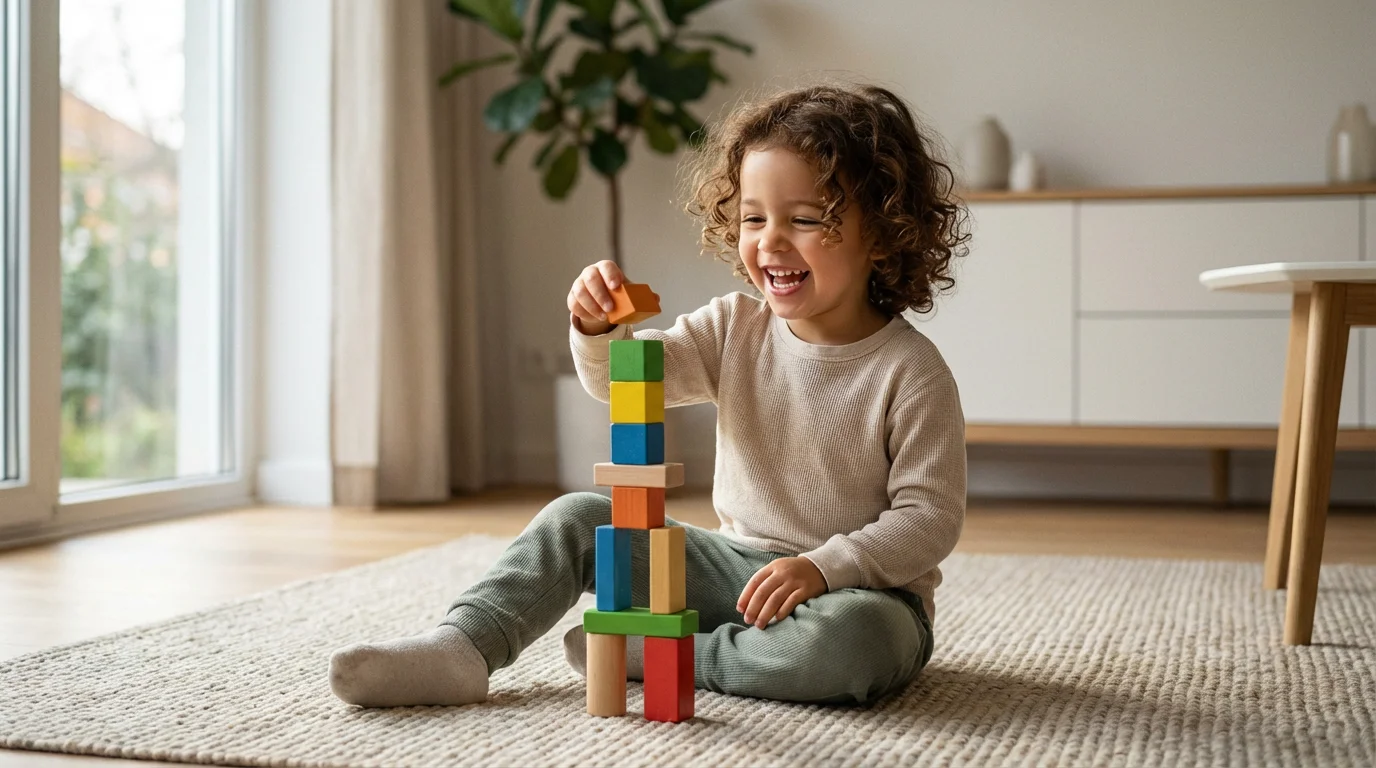
Engaging Children: Capturing Authentic Moments
Capturing the genuine spirit of children in photographs demands patience, playfulness, and a willingness to let go of perfection. Authentic moments often emerge when children feel comfortable and uninhibited.
Prioritize Patience and Play
Children are not always cooperative models. Pushing them to pose often results in forced smiles and frustrated expressions. Instead, approach children photography with patience and a playful attitude. Engage them in activities they enjoy, such as blowing bubbles, reading a book, or playing with their favorite toy. Let them run, jump, and explore. Your role is to observe and react, ready to capture those unscripted moments of joy, curiosity, or even contemplation.
“The most compelling photographs of children are rarely posed. They are windows into genuine emotion and uninhibited play. Approach each session with a spirit of patient observation, allowing the child’s natural curiosity and joy to guide your lens.”
Let Them Be Themselves
The best how to take good photos of kids and pets means allowing their unique personalities to shine. Instead of directing every movement, encourage natural interactions. Ask open-ended questions, tell silly jokes, or simply give them space to play. Document their reactions and expressions. A child deeply engrossed in building a block tower or laughing spontaneously offers far more compelling imagery than a child awkwardly smiling for the camera.
Embrace Candid Over Posed
While a few posed shots have their place, prioritize candid photography for children. Candid shots reveal true emotions, interactions, and character. Use a longer lens (e.g., 70-200mm) if you prefer to maintain some distance and remain less intrusive. Shoot continuously in burst mode to catch fleeting expressions and movements. Reviewing these sequences later will almost always yield several gems you might have missed in real time.
Utilize Props and Activities
Simple props can spark engagement and create opportunities for captivating photos. Bubbles, colorful balloons, a favorite stuffed animal, or even a simple blanket for a picnic can provide focus and encourage natural play. Activities like baking cookies, finger painting, or a trip to the park create dynamic scenes where children forget the camera and just live in the moment. These real-life scenarios offer endless possibilities for compelling children photography.
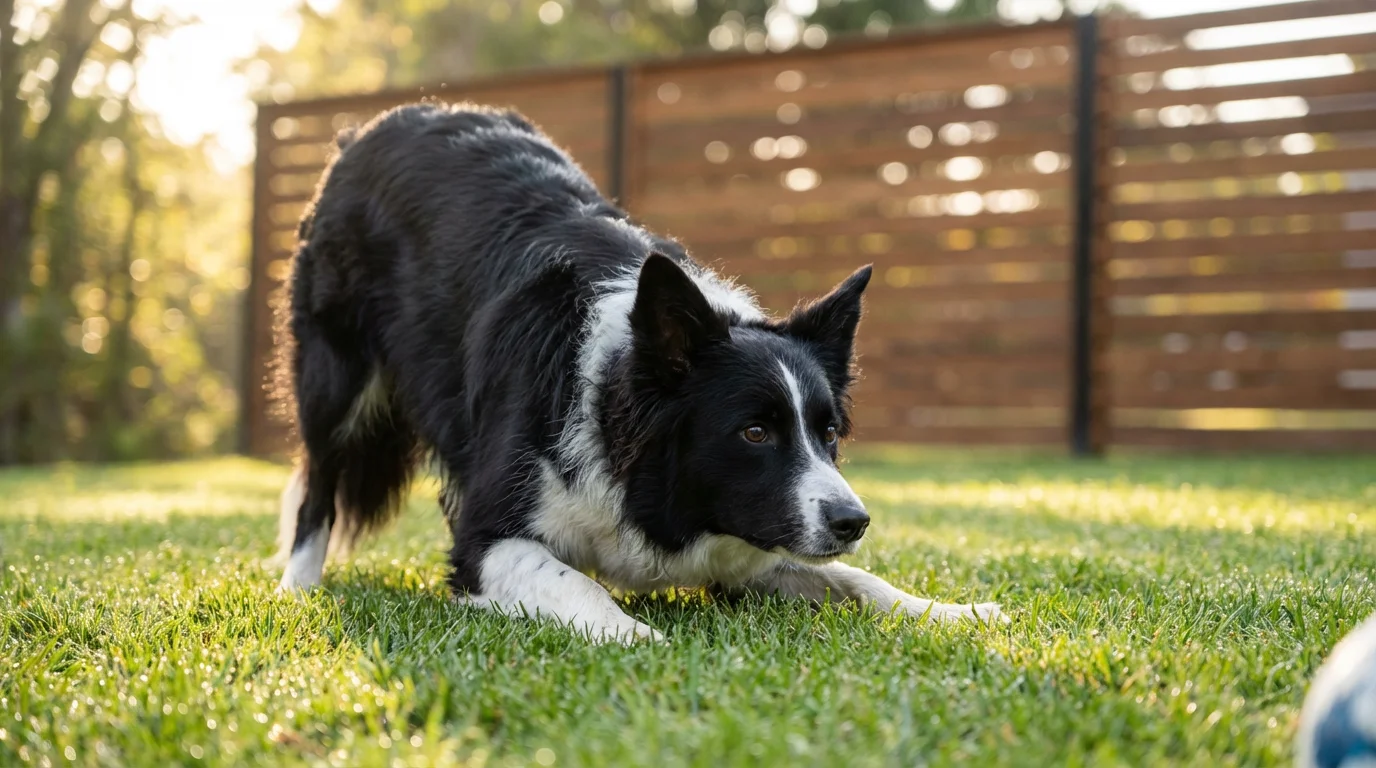
Photographing Pets: Techniques for Animal Charisma
Our pets are cherished family members, and capturing their unique personalities is a rewarding endeavor. Photographing pets, like children, requires understanding their behavior and employing specific techniques to highlight their charm.
Understand Animal Behavior and Anticipate Movement
Successful pet photos begin with understanding your subject. Observe your pet’s habits: when are they most playful, most relaxed, or most curious? Anticipate their movements. If your dog loves chasing a ball, prepare for the moment it leaps. If your cat often stretches in a sunbeam, be ready to capture that elegant pose. Knowing your pet’s routine allows you to set up your shot and be prepared for those perfect, spontaneous moments. Many tips for photographing moving subjects directly apply here.
Use Treats, Toys, and Sounds
Pets respond well to positive reinforcement. Have their favorite treats readily available to reward good behavior or to encourage them to stay in a particular spot. Squeaky toys, feathers on a stick, or even a crinkling bag can grab their attention and create those desirable “head tilts” or alert expressions. Use specific sounds to get their ears up or their eyes focused on you, but avoid overusing them to prevent desensitization.
Prioritize Safety and Comfort
Always put your pet’s safety and comfort first. Never force them into uncomfortable positions or environments. If your pet shows signs of stress, take a break. Ensure the shooting location is safe, especially outdoors, free from hazards or distractions. A comfortable and happy pet translates into more natural and joyful photographs. For instance, photographing a dog on a leash in a busy park ensures its safety while still allowing for dynamic outdoor shots.
Achieve Eye-Level Perspective
Just as with children, getting down to your pet’s eye level creates a more personal and intimate portrait. Whether it is a tiny hamster or a large dog, lowering your camera to their height makes them the hero of the frame. This perspective allows you to truly see the world from their point of view and captures the depth of their character.
Capture Their Unique Personality
Every pet has a distinct personality. Does your cat love to nap in absurd positions? Does your dog always carry a specific toy? Focus on capturing these quirks. Instead of aiming for generic poses, look for moments that reveal their individuality. Photograph them in their favorite spot, engaging in their favorite activity, or interacting with family members. These genuine moments will be the most cherished pet photos.
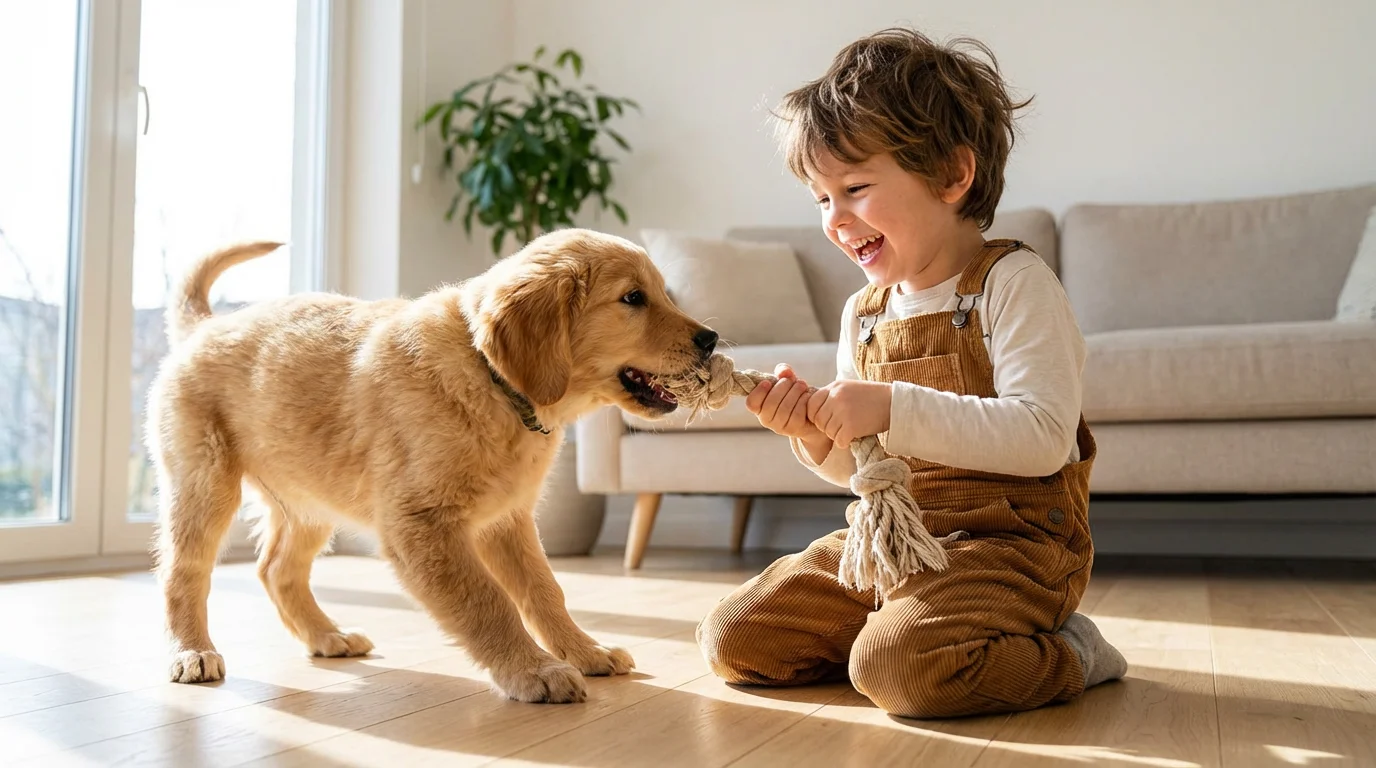
Mastering the Art of Action Shots
Action shots of children and pets are incredibly exciting but challenging to capture. These tips will help you freeze movement and create dynamic, sharp images.
Employ High Shutter Speeds
As discussed, high shutter speeds are non-negotiable for action shots. A minimum of 1/500th of a second should be your starting point, moving to 1/1000th or even 1/2000th of a second for very fast subjects like a child sprinting or a dog fetching a frisbee. The faster the subject, the faster your shutter speed needs to be to achieve a sharp freeze. Adjust your ISO and aperture accordingly to maintain proper exposure.
Utilize Continuous Autofocus (AF-C/AI Servo)
Set your camera to continuous autofocus mode. This allows your camera to track a moving subject as long as you hold the shutter button halfway down. This is critical for how to take good photos of kids and pets in motion. Practice tracking your subjects before pressing the shutter fully. Maintain your focus point on the subject’s face or eyes for the most engaging results.
Use Burst Mode (Continuous Shooting)
Burst mode, also known as continuous shooting, allows your camera to take multiple photos in rapid succession with a single press of the shutter button. This increases your chances of capturing the perfect moment, whether it is a child mid-jump or a pet’s unique expression during play. Reviewing a sequence of images often reveals subtle nuances and expressions you might otherwise miss. Most modern cameras offer various burst speeds; choose the fastest one available for high-speed action.
Anticipate Movement and Pre-focus
Predicting where your subject will be is a powerful technique. If a child runs down a slide, pre-focus on the bottom of the slide and wait for them to enter the frame. For a pet, if you know they will jump for a toy, pre-focus on the spot where they typically launch. This reduces the camera’s work and increases your hit rate for sharp action shots. You can also use a wider lens to give yourself more room for error in composition.
Consider Panning
Panning is an advanced technique for photographing moving subjects that involves moving your camera horizontally at the same speed as your subject. This keeps your subject relatively sharp while blurring the background, creating a sense of speed and motion. It requires practice but delivers striking results, especially for subjects moving predictably across your frame, like a child on a bicycle or a dog running alongside you. Start with a shutter speed around 1/60th or 1/125th of a second and experiment.
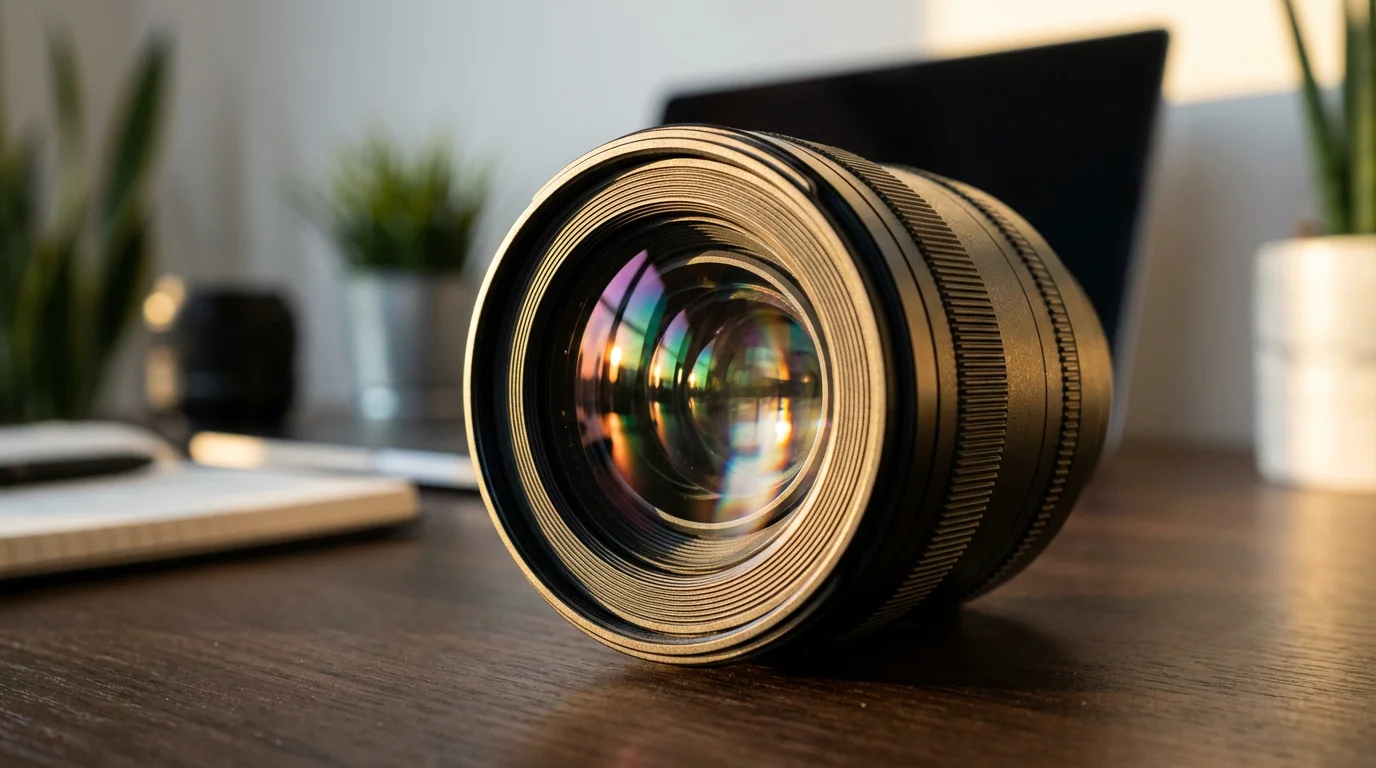
Essential Gear and Accessories
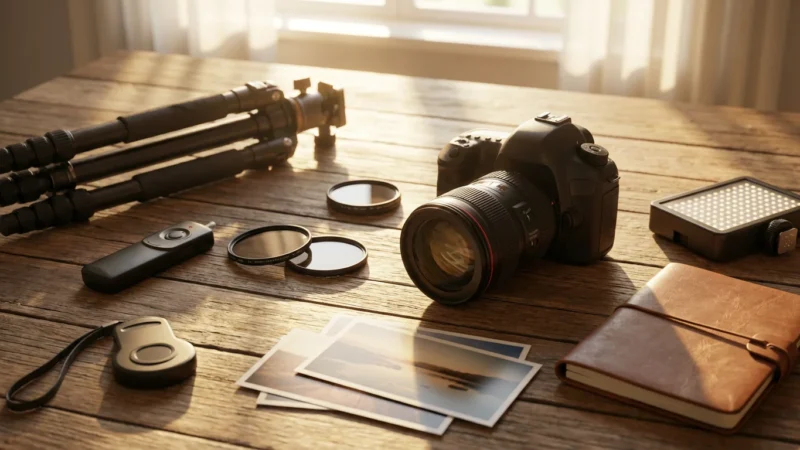
While excellent photos stem from skill, the right equipment can significantly enhance your ability to capture stunning children photography and pet photos. Consider these essential items to improve your results.
Before you begin your session, always check that your equipment is ready, including knowing how to clean your camera lens properly for maximum clarity.
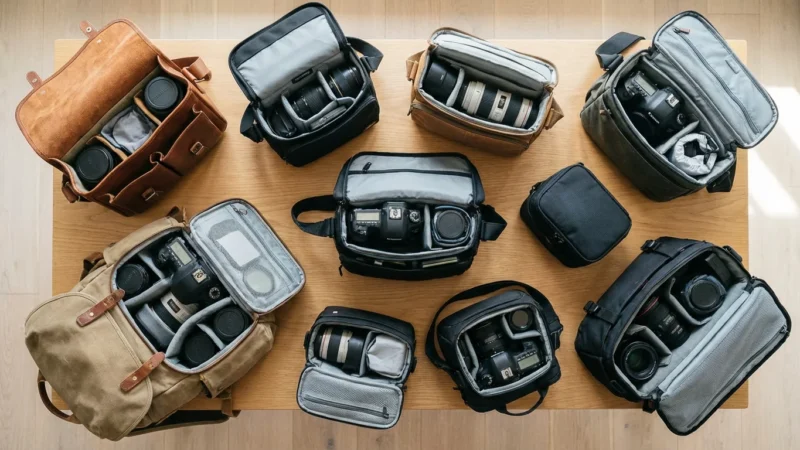
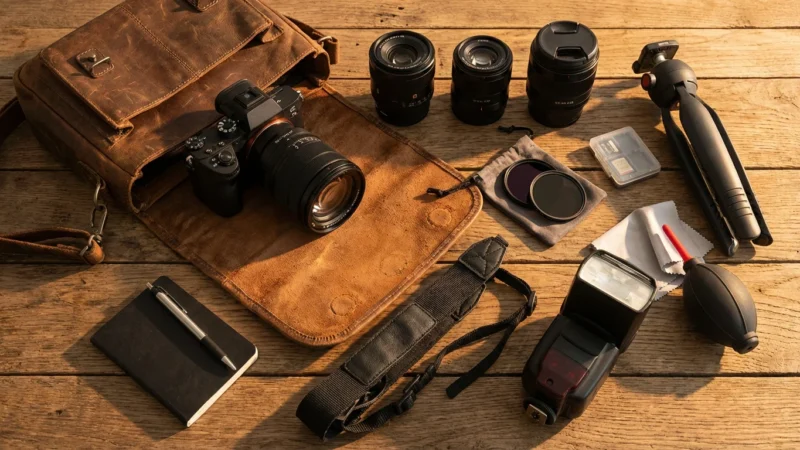
Beyond a capable camera, investing in essential camera accessories every photographer needs—like a sturdy strap or extra batteries—ensures you are always ready.
Camera Bodies: DSLR or Mirrorless
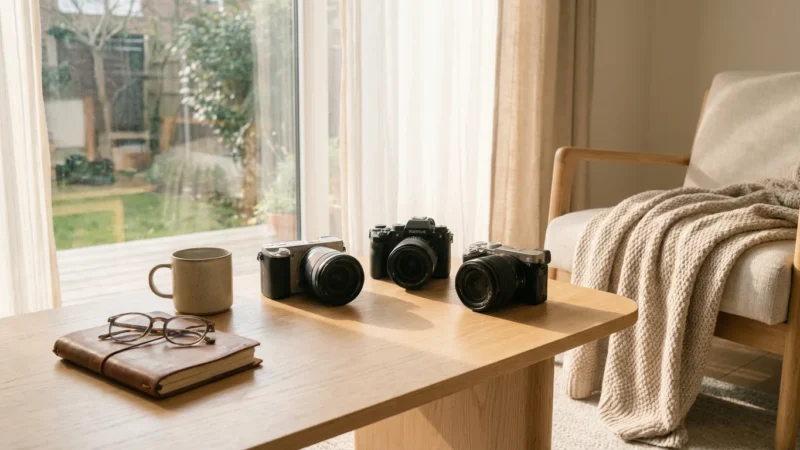
Modern DSLR and mirrorless cameras offer excellent image quality, fast autofocus systems, and the ability to change lenses. Mirrorless cameras are generally lighter and have advanced electronic viewfinders, while DSLRs often provide longer battery life and a traditional optical viewfinder. Both are capable of producing professional-grade how to take good photos of kids and pets. Investing in a camera with strong low-light performance (good high ISO capabilities) and a fast burst rate proves beneficial for capturing action shots.
Lenses: Primes and Zooms
Your choice of lens impacts your image quality and creative options:
- Fast Prime Lenses: A 50mm f/1.8 or f/1.4 lens is often called a “nifty fifty” for good reason. These lenses are relatively inexpensive, produce incredibly sharp images, and their wide apertures excel in low light and create beautiful background blur (bokeh). A 35mm f/1.8 or f/1.4 offers a slightly wider field of view, ideal for capturing more of the environment around your subject without distortion. They are perfect for children photography indoors or for single-subject pet photos.
- Zoom Lenses: A versatile zoom lens like a 24-70mm f/2.8 or a 70-200mm f/2.8 offers flexibility without constantly changing lenses. The 70-200mm lens is particularly excellent for action shots, allowing you to capture distant subjects or create tight portraits without getting too close, which can be less intrusive for shy children or pets. Consider a lens with image stabilization (VR/OS/IS) to help reduce camera shake, especially in lower light or when using longer focal lengths.
Reflectors
As mentioned earlier, a simple collapsible reflector (5-in-1 kit) can dramatically improve lighting by bouncing light onto your subject, filling shadows, and adding professional polish. They are lightweight, portable, and relatively inexpensive.
Memory Cards
Invest in fast, high-capacity memory cards (e.g., SDXC UHS-II). When shooting in burst mode for action shots, your camera writes data rapidly, and a slow card can cause buffering delays, preventing you from capturing consecutive moments. A larger capacity ensures you do not run out of space during an important shoot.

Post-Processing Your Memories
Post-processing offers the opportunity to refine your images, correct minor flaws, and enhance their overall impact. It is an integral step in creating polished, lasting photo memories.
To keep your library manageable, take a moment to learn how to tag and label photos so you can find these precious family milestones in an instant.
When editing, you can further improve your shots by removing unwanted objects from photos that might have cluttered the background during a busy play session.
Perform Basic Adjustments
Begin with fundamental adjustments that optimize your photo’s core qualities. This includes cropping to improve composition, adjusting exposure to brighten or darken the image, correcting white balance for accurate colors, and tweaking highlights and shadows to reveal more detail. Even subtle adjustments can significantly improve a photograph, making it more vibrant and appealing. Aim for a natural look that enhances the original capture.
Enhance Color and Tone
Once basic adjustments are complete, delve into color and tone. Increase saturation or vibrance selectively to make colors pop, or desaturate certain tones for a more muted, artistic effect. Adjust contrast to add depth, but be careful not to overdo it, which can make images look harsh. Consider splitting tones to add subtle color shifts to highlights and shadows for a unique aesthetic. These tools help you refine the mood and visual impact of your children photography and pet photos.
Sharpen and Reduce Noise
Careful sharpening can make your subjects appear clearer and more defined. Apply sharpening sparingly, focusing on key areas like eyes or fur texture. Excessive sharpening can introduce an artificial, grainy look. Simultaneously, if you used a higher ISO, you might need to apply noise reduction to smooth out digital grain, especially in darker areas of the image. Balance these two adjustments for a clean, sharp result.
Practice Non-Destructive Editing
Always perform edits using non-destructive methods. This means working with editing software that allows you to revert to your original image at any point. Programs like Adobe Lightroom or Capture One use a catalog system, storing your edits as instructions rather than permanently altering the original file. This approach safeguards your precious photo memories, providing flexibility to experiment without fear of irreversible changes. You can always go back and make new adjustments if your style evolves or if you want to repurpose an image.
Back Up Your Digital Photo Collections
After investing time in capturing and processing your images, backing up your digital photo collections becomes paramount. Implement a “3-2-1 backup strategy”: keep three copies of your data, on two different types of media, with one copy offsite. This might involve an external hard drive, cloud storage, and your computer’s internal drive. Consistent backups protect your efforts and preserve these invaluable memories for the future. The National Archives offers guidance on preserving digital assets, emphasizing the importance of robust backup strategies.
Frequently Asked Questions
What is the best lens for children photography and pet photos?
A fast prime lens like a 50mm f/1.8 or a 35mm f/1.8 works exceptionally well, offering excellent low-light performance and beautiful background blur. For more versatility and capturing action from a distance, a zoom lens like a 70-200mm f/2.8 is also a fantastic choice, especially for tips for photographing moving subjects.
How do I get my pet to look at the camera?
Use high-pitched sounds, crinkling noises, or hold a favorite squeaky toy or treat near your camera lens. Sometimes a simple, calm whisper of their name works best. Be ready to take the shot quickly, as their attention span can be short. Try to make it a positive experience, rewarding them when they look.
What camera settings are best for action shots of kids and pets?
Prioritize a fast shutter speed (1/500th of a second or faster) to freeze motion. Use continuous autofocus (AF-C or AI Servo) to track moving subjects and shoot in burst mode (continuous shooting) to capture multiple frames. Set your aperture to control depth of field and adjust ISO to maintain proper exposure without excessive noise.
Should I use flash when photographing children and pets?
Natural light is generally preferred for children and pets as it appears softer and more flattering. Direct on-camera flash can startle subjects, create harsh shadows, and result in “red-eye” or “green-eye” in animals. If you must use flash indoors, bounce it off a ceiling or wall for softer, more diffused light, or use an off-camera flash with a softbox or diffuser.
How can I make my photos of children and pets more engaging?
Get down to their eye level for a more intimate perspective. Focus on capturing candid, authentic moments rather than forced poses. Engage children in play, use treats and toys for pets, and anticipate their movements. Pay attention to composition, light, and background to create visually appealing and storytelling images. Learn more about basic composition techniques to enhance visual appeal.
Disclaimer: This article is for informational purposes only. When handling valuable or irreplaceable photographs, consider consulting a professional conservator. Always test preservation methods on non-valuable items first.
Mastering these speed adjustments is the most effective way to take sharp photos every time, even with the most energetic subjects.
When indoor lighting is particularly dim, you may need to utilize techniques for low light photography without a flash to avoid harsh glares.

Leave a Reply