
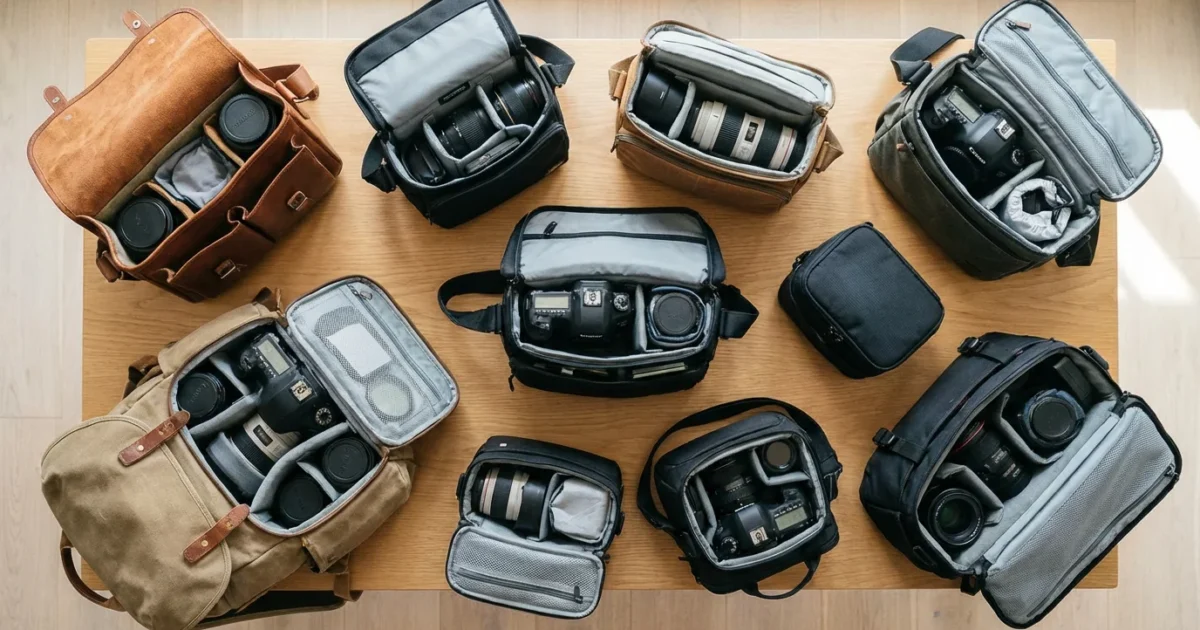
Your camera gear represents a significant investment, both financially and emotionally. Each lens, every camera body, and all the accessories play a role in capturing your precious memories, from family milestones to breathtaking landscapes. Protecting this equipment is not just about safeguarding its monetary value, it is about preserving your ability to document life’s fleeting moments and ensuring your photographic journey continues unimpeded. A quality camera bag acts as the first line of defense, shielding your gear from the elements, accidental impacts, and even theft.
Once you have captured high-quality images with your protected gear, you may also want to digitize your older family prints using one of the best photo scanners available today.
This level of protection is vital whether you are a seasoned pro or just starting out with one of the best cameras for beginners currently on the market.
Choosing the right camera bag is a critical decision. It impacts how you carry your equipment, how quickly you access it, and most importantly, how well it withstands the rigors of travel and everyday use. This guide helps you navigate the options, focusing on practical features and specific bag types so you can select the best camera bags for travel and protection, ultimately empowering you to keep your valuable equipment safe and ready for your next shot.
Why Your Camera Gear Demands Robust Protection
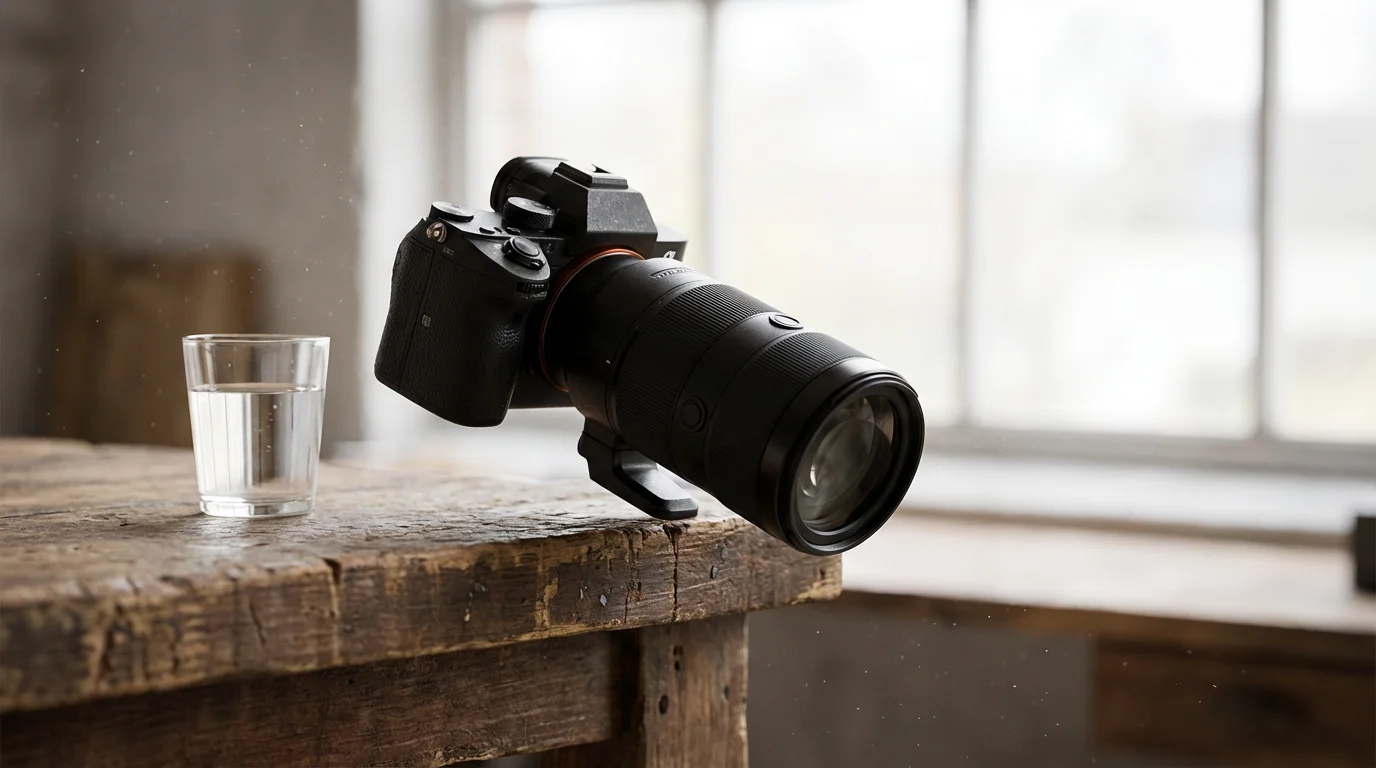
Every photographer understands the bond with their equipment. Your camera is an extension of your creative vision, and your lenses are the eyes through which you see the world. Without proper protection, this essential gear faces numerous threats. Consider the impact of a sudden rain shower on unprotected electronics, the damage a hard fall can inflict on delicate optical elements, or the dust and grime that accumulate during outdoor adventures. These are not minor inconveniences, they are potential destroyers of expensive equipment and lost opportunities for capturing irreplaceable moments.
While a quality bag protects your physical hardware, choosing between RAW vs JPEG formats is what protects the integrity of your digital image data.
A damaged camera body can mean costly repairs or a complete replacement. A scratched lens element permanently compromises image quality. Beyond the monetary cost, consider the frustration of missing a crucial shot because your gear failed. Proper gear protection extends the lifespan of your equipment, maintains its resale value, and most importantly, ensures reliability when you need it most. Investing in a high-quality camera bag is a proactive step toward preserving your tools and, by extension, your photographic legacy.
Essential Features for Optimal Gear Protection
When you evaluate camera bags, prioritize specific features designed to safeguard your equipment. These elements work together to provide comprehensive defense against common photographic hazards. Understanding them helps you make an informed decision about how to choose a camera bag that meets your rigorous demands.
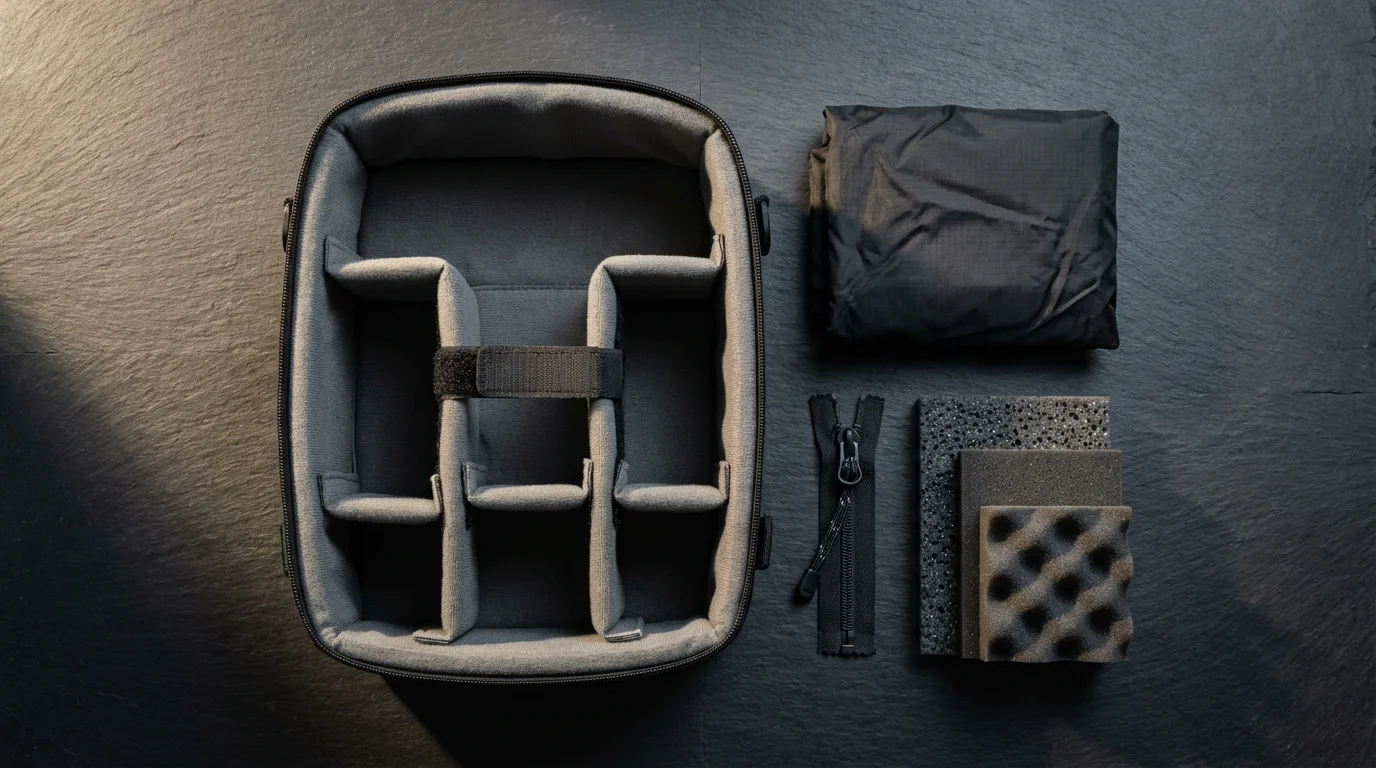
- Ample Padding and Customizable Dividers: The internal cushioning of a camera bag is its most crucial protective feature. High-density foam padding absorbs impacts, preventing your lenses and camera bodies from jostling against each other or external surfaces. Customizable dividers allow you to configure the interior layout precisely for your specific gear, ensuring a snug fit for each item. This prevents movement, which can cause scratches or damage during transport.
- Weather Resistance: Rain, snow, dust, and sand pose significant threats to electronics. Look for bags constructed from water-repellent materials like nylon or polyester with DWR (durable water repellent) coatings. Sealed zippers, storm flaps, and integrated rain covers offer additional layers of defense against moisture. Even if you do not plan extensive outdoor shoots, unexpected weather changes can occur, making this feature invaluable.
- Durability and Construction: A camera bag endures significant wear and tear. High-quality construction involves robust stitching, reinforced stress points, and strong, reliable zippers. YKK zippers, for instance, are widely recognized for their durability. The exterior fabric should resist abrasions and tears, ensuring the bag remains intact even after years of use.
- Security Features: Theft is a concern, especially in crowded areas or while traveling. Anti-theft features include lockable zippers, hidden pockets for valuables, and robust buckles or straps that deter quick snatches. Some bags incorporate slash-resistant materials in critical areas. While no bag is entirely impenetrable, these features make your gear less attractive to opportunistic thieves.
- Comfort and Ergonomics: You carry your gear for extended periods, so comfort is not merely a luxury, it is a necessity. Padded shoulder straps, a ventilated back panel, and a weight-distributing hip belt reduce strain, especially with heavier loads. Good ergonomics prevent fatigue, allowing you to focus on your photography, not your aching back.
- Accessibility: Quick access to your camera means you do not miss fleeting moments. Some bags feature side-access panels, allowing you to grab your camera without taking the bag off your back. Top-loading compartments or wide-opening main flaps also enhance speed.
“Protecting your camera gear goes beyond simply carrying it. It involves a holistic approach to security, environmental resistance, and internal organization. A well-designed bag integrates these elements, transforming mere transport into true safeguarding.”
Navigating the World of Camera Bag Types
The market offers a diverse range of camera bags, each designed with specific use cases and photographer preferences in mind. Understanding the strengths of each type helps you identify the best fit for your gear, your shooting style, and your travel habits.
While a hard case protects gear from physical impacts during transport, you may also want to preserve your most valuable photos in a fireproof safe for ultimate security at home.
Camera Backpacks: The Ergonomic Choice for Extensive Kits
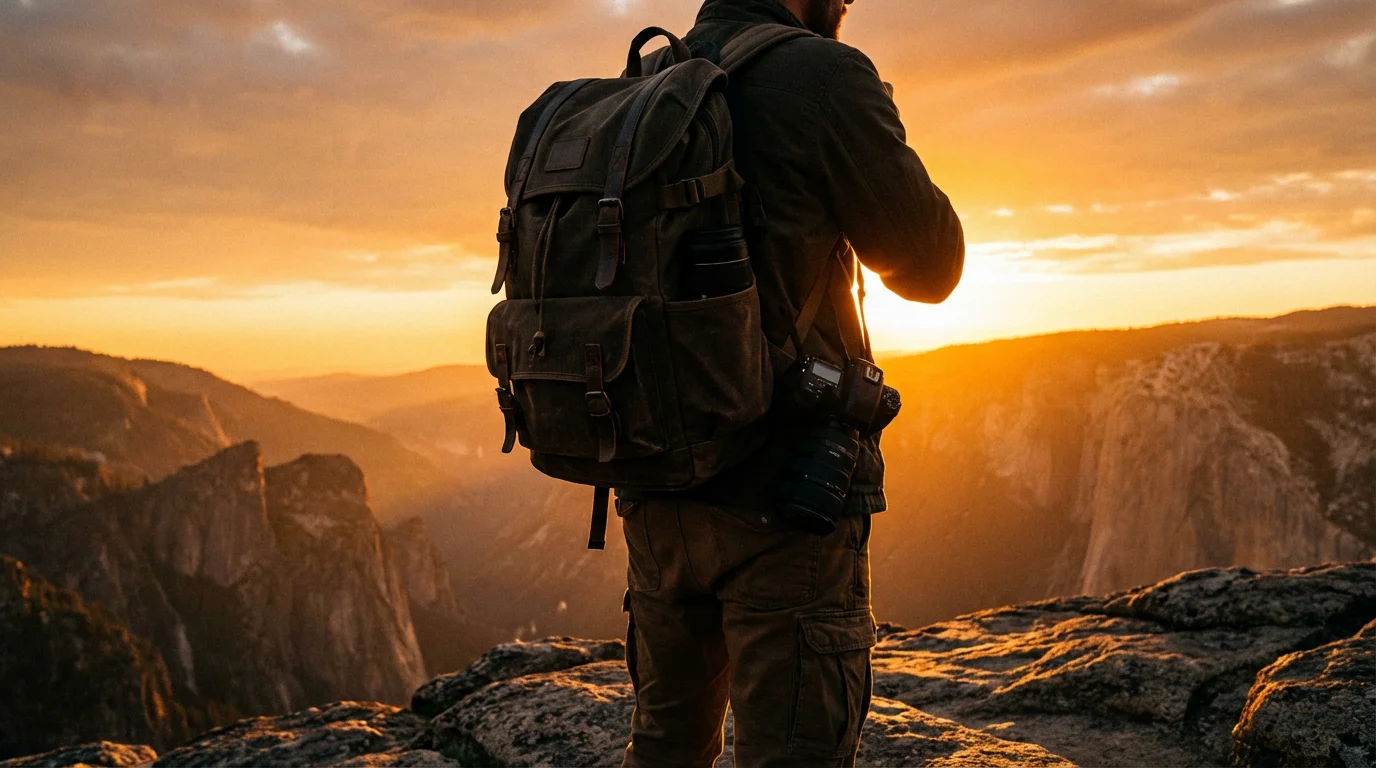
Camera backpacks are a favorite among landscape, wildlife, and travel photographers who carry extensive gear and cover significant distances. They distribute weight evenly across both shoulders and your hips, making them comfortable for long treks and extended periods of wear.
Most camera backpacks feature multiple compartments. The main compartment typically holds your camera body with a lens attached, along with several additional lenses, a flash, and other accessories. Dedicated pockets often accommodate laptops, tablets, and personal items. Many offer external straps for tripods or water bottles. For travel photography bags that offer both protection and capacity, backpacks often lead the way. You find designs with front, top, or side access, catering to different preferences for quick retrieval.
Ideal for: Long hikes, international travel, photographers with multiple lenses and accessories, anyone prioritizing comfort and load distribution.
Messenger and Sling Bags: Accessibility Meets Style
Messenger bags and sling bags offer a blend of style, quick access, and moderate capacity. You wear them across your body, allowing you to swing the bag around to your front for easy access to your camera without removing the bag. This feature proves invaluable in fast-paced environments or when you need to capture spontaneous shots.
Messenger bags generally offer more capacity and a more traditional, casual look, often resembling everyday bags. Sling bags are more compact and designed specifically for camera gear, fitting snugly against your back. Both types typically hold a camera body, one or two lenses, and smaller accessories. They work well for urban photography, street photography, or when you want to travel light.
Ideal for: Street photography, daily carry, quick access to a single camera and lens, photographers seeking a discreet and stylish option.
Roller Bags and Hard Cases: Ultimate Security for Heavy-Duty Transport
When you need maximum gear protection for professional equipment, air travel, or transporting heavy loads, roller bags and hard cases are your go-to options. Roller bags function like suitcases, featuring wheels and telescoping handles, significantly reducing the physical strain of carrying heavy camera setups.
Hard cases, often made from durable, impact-resistant polymers, provide an unparalleled level of protection against crushing, water, and dust. Many are waterproof and even crushproof, making them suitable for extreme environments or shipping valuable gear. They often come with pick-and-pluck foam or padded dividers, allowing for custom fitting of your equipment. For the best camera bags for travel and protection of high-value, fragile items, especially those subjected to checked luggage handling, these options offer superior peace of mind.
Ideal for: Professional photographers, air travel, transporting large camera systems or studio equipment, extreme environments, maximum gear protection against impacts and water.
Modular Inserts and Small Pouches: Customizing Any Bag
Not every situation demands a dedicated camera bag. Sometimes, you want to carry your camera in an existing backpack or a fashionable tote. Modular camera inserts and small padded pouches provide the flexibility to transform almost any bag into a protective camera carrier. These padded cubes or sleeves feature adjustable dividers and fit snugly inside your chosen bag, offering protection from bumps and scratches.
You can also use specialized lens pouches or battery organizers to keep smaller items neat and protected within a larger bag. This modular approach allows you to adapt your carrying solution to different occasions, offering gear protection without committing to a specific camera bag style for every outing. It is an excellent way to consolidate your gear and personal items when traveling.
Ideal for: Everyday carry, discreet transport, integrating camera gear into personal bags, photographers who own multiple bags and seek versatility.
How to Choose the Right Camera Bag for Your Needs
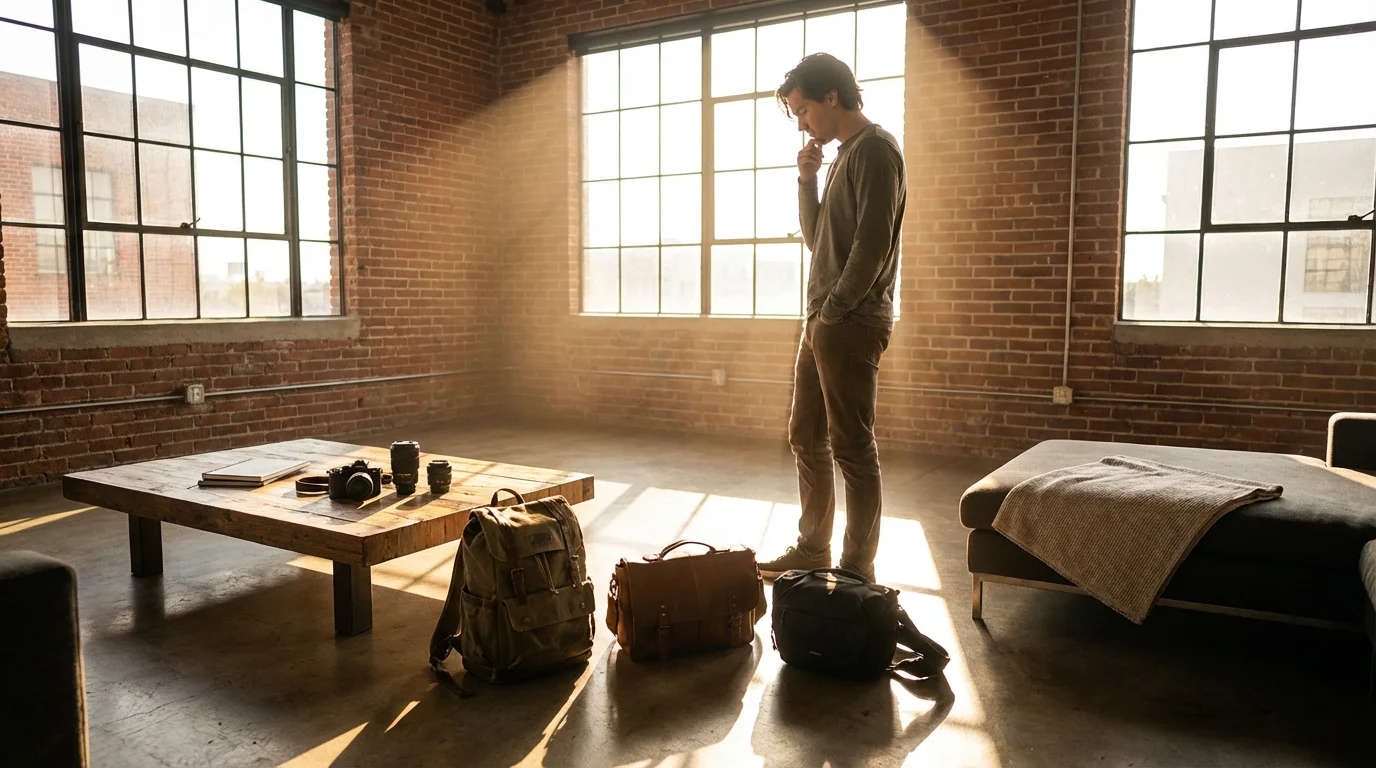
With so many options, deciding on the perfect camera bag can feel daunting. By considering a few key factors, you can narrow your choices and find a bag that genuinely serves your photographic pursuits. This approach helps you effectively evaluate how to choose a camera bag that aligns with your specific requirements.
In addition to a protective bag, knowing how to clean your camera lens correctly will ensure your gear stays in top working condition for years.
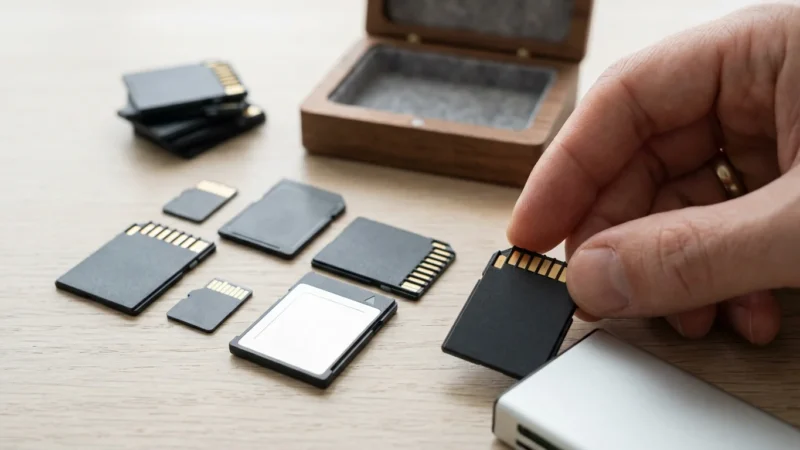
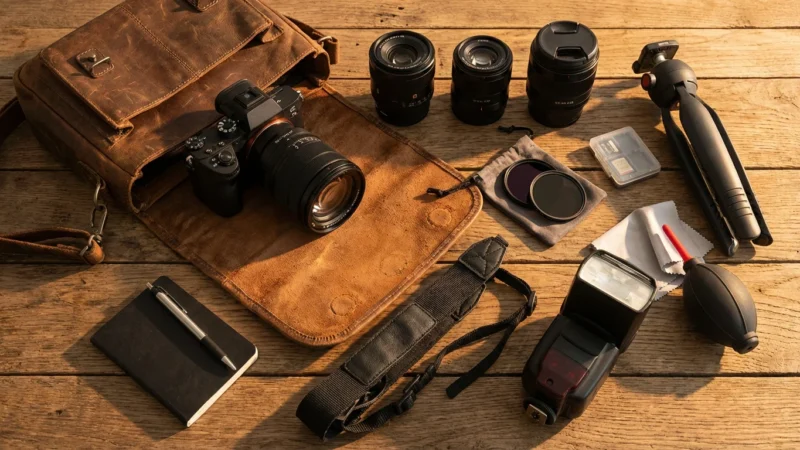
- Assess Your Gear Loadout: Lay out all the camera bodies, lenses, flashes, batteries, memory cards, and other accessories you typically carry. Measure the largest lens and your camera body to ensure it fits comfortably within the bag’s dimensions. Do not forget to account for a laptop or tablet if you usually carry one. A common mistake involves underestimating the space needed, leading to an overstuffed bag with inadequate protection.
- Consider Your Photography Style:
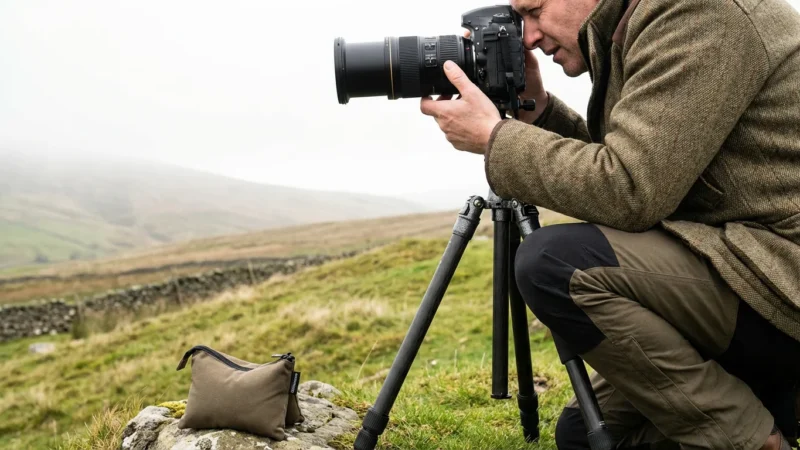
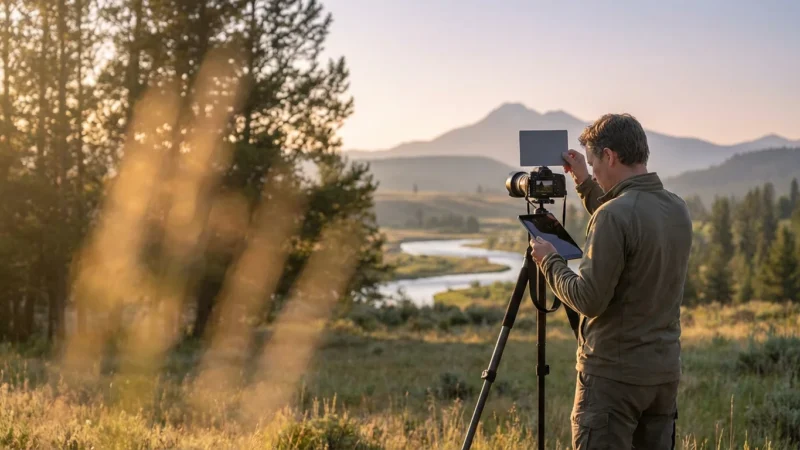
- Are you a landscape photographer who hikes for miles with a tripod? A camera backpack with good ergonomics and external tripod attachment points is likely your best option.
- Do you shoot street photography, needing quick access to your camera for candid shots? A messenger or sling bag offers the accessibility you require.
- Are you a studio photographer transporting heavy lighting equipment and multiple camera bodies? A rolling case or hard case provides the necessary capacity and protection.
Your shooting style directly dictates the features you will value most.
- Evaluate Your Travel Habits:
- Daily Commute: A discreet messenger bag or a modular insert in your regular backpack might suffice.
- Weekend Trips: A comfortable camera backpack that can double as a carry-on often works well.
- Air Travel: Pay attention to airline carry-on size restrictions. Roller bags designed for carry-on dimensions are popular choices. For checked luggage, hard cases offer superior protection.
Think about the environments you typically encounter and the level of gear protection those environments demand.
- Prioritize Comfort and Fit: Try on potential bags, especially if you carry substantial gear. Load them with approximate weight to get a realistic feel. Check if shoulder straps are adequately padded and adjustable, if a hip belt offers support, and if the back panel provides ventilation. An uncomfortable bag leads to fatigue and can detract from your shooting experience.
- Balance Protection with Accessibility: While maximum gear protection is crucial, you also need to access your equipment efficiently. Some bags excel at protection but make quick access challenging. Others offer rapid access but might compromise on overall structural rigidity. Find a balance that suits your shooting speed and the value of your equipment. For instance, a backpack with side-access allows for both good protection and quick retrieval.
By thoughtfully addressing these points, you move beyond merely buying a bag and instead invest in a crucial tool that supports your photography. You can find more insights into optimizing your photography workflow on sites like Digital Photography Review, which often covers various gear accessories.
Maintaining Your Camera Bag for Lasting Performance
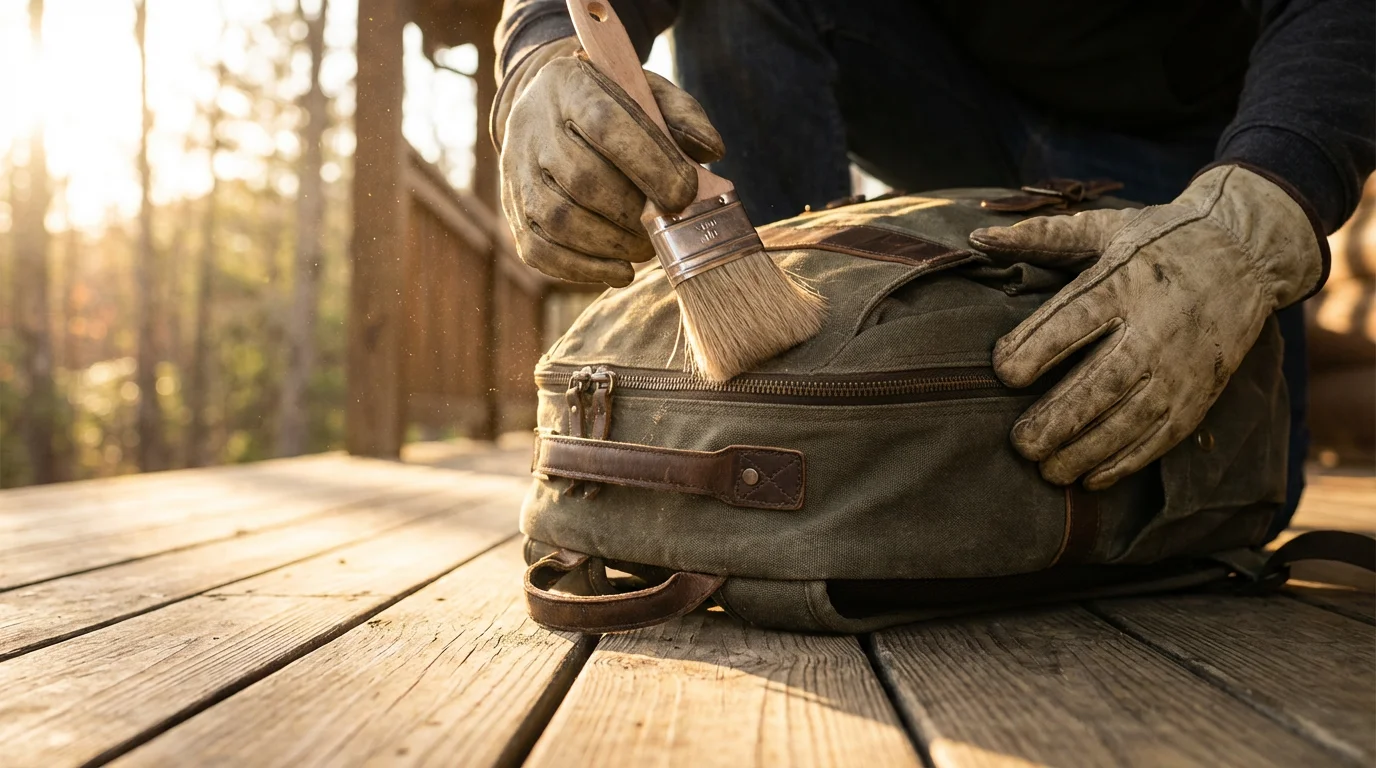
Even the best camera bags for travel and protection require a bit of care to ensure they continue to perform optimally over time. Regular maintenance extends the life of your bag and keeps your gear safe.
Just as you maintain your bag to protect your gear, ensure you are using the best archival boxes for long-term storage to protect your physical photo collection from aging.
Proper gear maintenance goes hand-in-hand with technical skill, such as mastering camera settings for indoor photos, to ensure every shot is a success.
- Regular Cleaning: Dust, dirt, and debris accumulate inside and outside your bag. Vacuum the interior compartments regularly to remove grit that could scratch lenses or camera bodies. Wipe down exterior surfaces with a damp cloth. For stubborn stains, use a mild soap and water solution, then allow the bag to air dry completely. Never put your camera bag in a washing machine or dryer, as this can damage padding and coatings.
- Inspect Zippers and Fasteners: Zippers are critical for security and access. Check them frequently for smooth operation. If they stick, a small amount of zipper lubricant can help. Ensure buckles and straps are intact and not fraying. Replace any broken components promptly to maintain the bag’s integrity.
- Re-apply Water Repellent Coatings: The DWR coating on many bags can wear off over time, reducing their weather resistance. You can purchase spray-on DWR treatments from outdoor gear stores to re-apply this protective layer. Always follow the product instructions carefully.
- Proper Storage: When not in use, store your camera bag in a clean, dry place, away from direct sunlight or extreme temperatures. Avoid compressing it under heavy items, as this can deform padding. If you store your bag for an extended period, remove all gear and ensure the bag is completely dry to prevent mold or mildew growth.
- Check for Wear and Tear: Regularly inspect your bag for any signs of wear, such as thinning fabric, loose stitching, or compromised padding. Addressing these issues early prevents them from escalating and potentially endangering your gear.
Diligent maintenance ensures your camera bag remains a reliable guardian for your valuable equipment, ready for countless adventures and photographic opportunities.
Frequently Asked Questions
What is the most important feature to consider for gear protection?
The most important feature for gear protection is adequate internal padding and customizable dividers. This prevents your valuable equipment from shifting, colliding, and absorbing impacts during transit, safeguarding delicate components like lenses and camera bodies.
Can I use a regular backpack with a camera insert for travel?
Yes, you can absolutely use a regular backpack with a camera insert for travel. Modular camera inserts offer excellent flexibility, allowing you to transform any suitable backpack into a protective camera carrier. This approach is discreet and convenient for daily use or when you prefer to consolidate your gear and personal items in one bag.
How often should I clean my camera bag?
Clean your camera bag regularly, especially after trips to dusty, sandy, or wet environments. A light cleaning, such as vacuuming the interior and wiping the exterior, every few weeks or months keeps it in good condition. Perform a deeper clean as needed, particularly if you notice significant dirt or grime.
Are camera bags with side access less secure?
Camera bags with side access are not inherently less secure, but the design requires careful consideration. Reputable brands integrate robust zippers, often with locking capabilities, into their side-access panels. When choosing such a bag, ensure the zippers are sturdy and that you can secure them, if necessary, to prevent unauthorized access.
What is the benefit of a camera roller bag over a backpack for travel?
A camera roller bag offers the significant benefit of reducing physical strain, especially when transporting heavy or extensive camera gear through airports or urban environments. Its wheels and telescoping handle eliminate the need to carry the weight on your back, making it a more comfortable option for long-distance travel or photographers with mobility concerns, while still providing robust gear protection.
Disclaimer: This article is for informational purposes only. When handling valuable or irreplaceable photographs, consider consulting a professional conservator. Always test preservation methods on non-valuable items first.
Many backpacks include dedicated tripod attachments, which are essential for those learning how to take sharp photos in low-light conditions.
The rapid accessibility of these bags makes them the top choice for photographers who enjoy capturing candid vs posed photos during street photography sessions.
Leave a Reply