
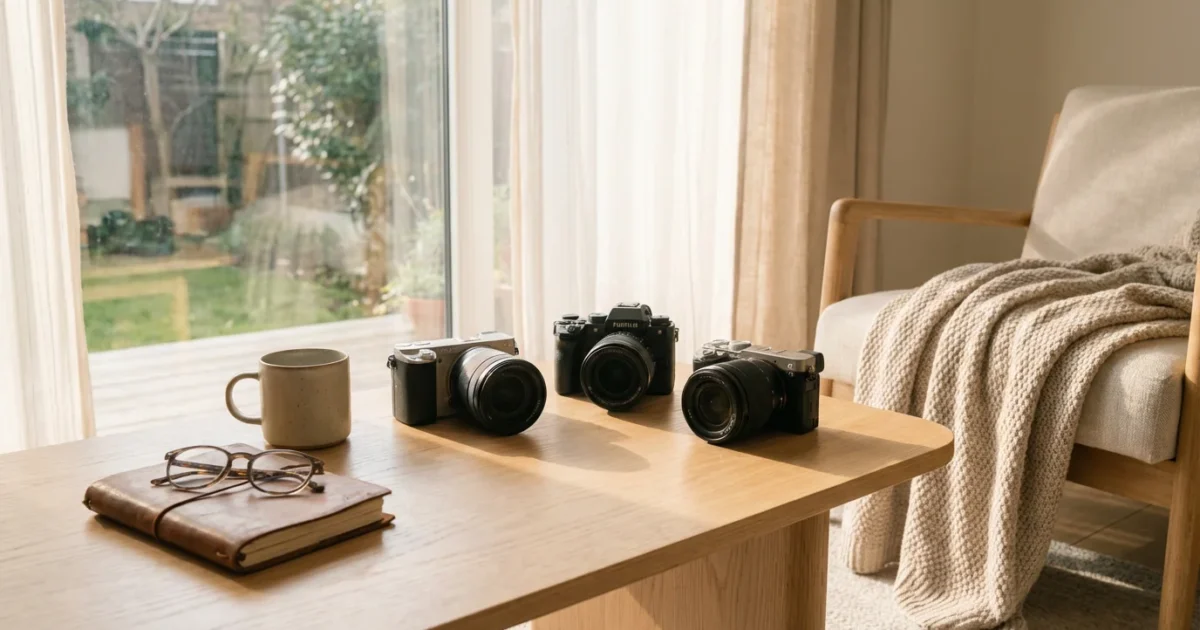
Choosing your `first camera` opens a world of creative possibilities, allowing you to capture life’s precious moments, from family milestones to breathtaking landscapes. As technology advances, the array of options can seem overwhelming, leaving you to wonder, `what camera should a beginner buy`? This comprehensive guide cuts through the noise, providing practical insights into selecting the `best cameras for photography beginners in 2025`. We focus on empowering you to make an informed decision that aligns with your specific needs and aspirations, ensuring your new camera becomes a tool for preserving and creating beautiful memories.

Choosing Your First Camera: A Foundation for Memories
Selecting a `beginner camera` involves more than just picking the newest model. It requires understanding your personal photography journey and what you hope to achieve with your camera. Think of your camera as a memory-making tool, a device to freeze time and emotion. While smartphones offer convenience, a dedicated camera provides superior image quality, greater creative control, and a richer learning experience. You will notice significant improvements in low-light performance, depth of field, and dynamic range. These benefits translate directly into more impactful photographs, transforming everyday scenes into cherished keepsakes.
The market offers a diverse range of `entry level DSLR` and mirrorless cameras tailored for beginners. These cameras balance ease of use with advanced features, allowing you to grow into your photography skills without feeling limited. This guide will help you navigate the options, focusing on features that genuinely matter for new photographers.

Understanding Your Photography Goals
Before you consider any specific camera model, take a moment to define what you want to photograph. Your goals significantly influence `what camera should a beginner buy`. Different cameras excel in different scenarios, and matching your camera to your primary use case ensures satisfaction and a more focused learning curve.
Consider these common photographic interests:
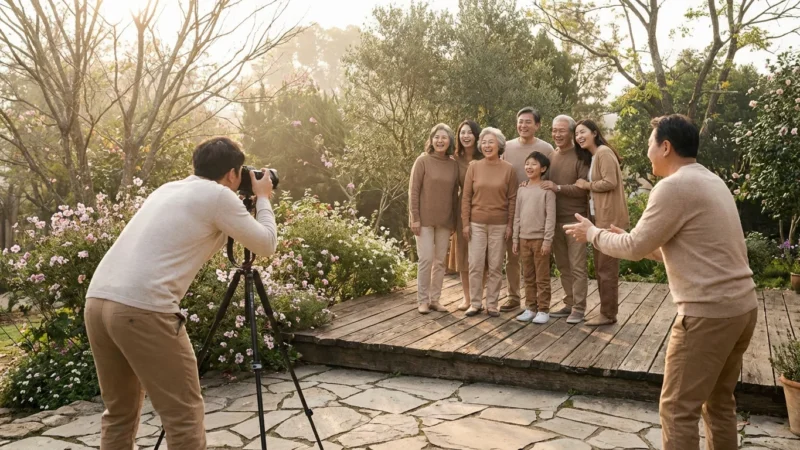
- Family and Everyday Life: Do you want to capture candid moments, children’s milestones, or family gatherings? You need a camera that is relatively compact, has good autofocus for moving subjects, and performs well in varied indoor lighting.
- Travel Photography: Are you planning adventures and want to document breathtaking landscapes, unique cultures, or vibrant cityscapes? Portability becomes key, alongside excellent image quality and perhaps weather sealing for durability.
- Portraits: Do you envision capturing stunning portraits of friends and family with beautifully blurred backgrounds? You will prioritize cameras with excellent low-light performance, precise autofocus, and access to fast prime lenses.
- Nature and Wildlife: Are you drawn to capturing birds in flight, majestic animals, or intricate details of flora? A camera with fast continuous shooting, robust autofocus, and the ability to use long telephoto lenses is essential.
- Vlogging and Video: Do you aim to create videos for social media, tutorials, or personal documentaries? Look for cameras with strong video capabilities, including 4K recording, reliable autofocus during video, and external microphone inputs.
- Street Photography: Do you enjoy documenting urban life, capturing spontaneous moments, and telling stories through everyday scenes? A discreet, compact camera with quick controls and good low-light performance will serve you well.
Regardless of which genre you choose, learning fundamental composition techniques will help you make the most of your new equipment’s capabilities.
Identifying your primary photographic interest streamlines your search. For instance, a dedicated wildlife photographer will prioritize different features than someone focused on casual family snapshots.
Key Camera Features for Beginner Photographers
Understanding a few fundamental camera features empowers you to make an educated choice. You do not need to become a technical expert immediately, but familiarity with these concepts will guide your selection process.
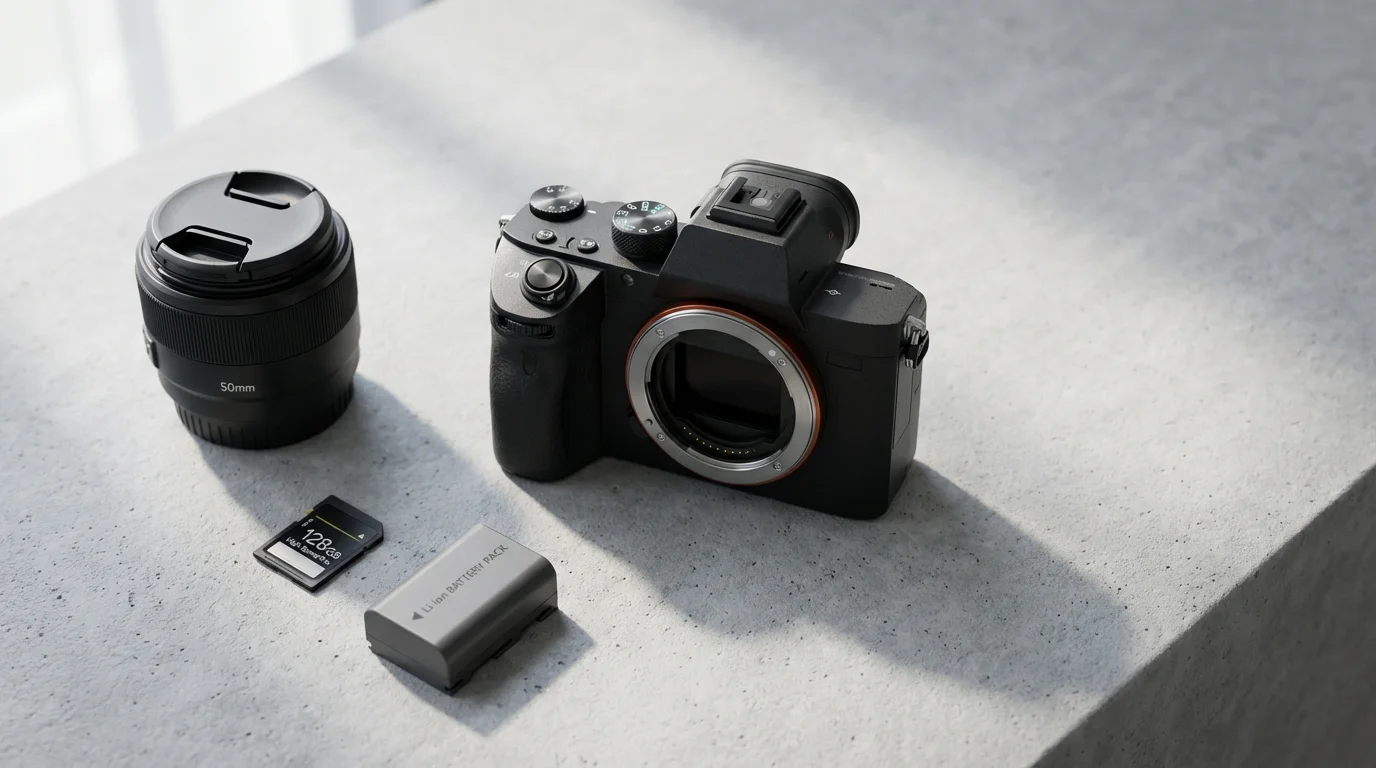
Additionally, ensure you invest in high-quality memory cards to handle the fast data transfer required for high-resolution photography.
Before diving into technical specs, it’s worth learning about RAW vs JPEG to decide how much control you want over your final images.
Once you understand these features, learning how to take sharp photos consistently will be your next major milestone.
- Sensor Size: The camera’s sensor captures light and determines image quality. Larger sensors generally produce better image quality, especially in low light, and offer more control over depth of field (the amount of blur in the background). Entry-level cameras typically feature APS-C (cropped) sensors, which provide a great balance of size, quality, and cost. Full-frame sensors, while offering superior quality, usually come in more expensive and larger camera bodies, often overkill for a `first camera`.
- Megapixels (MP): This number indicates the resolution of the sensor. While higher megapixels mean you can print larger images or crop more aggressively without losing detail, even 20-24MP cameras offer excellent quality for most purposes. Do not let megapixel count be your sole deciding factor; sensor size and lens quality often play a more significant role in overall image quality.
- ISO Range: ISO measures the camera’s sensitivity to light. A wider ISO range means your camera can capture images in dimmer conditions without flash. High ISO settings can introduce “noise” or grain into your photos, so a camera that manages noise well at higher ISOs is beneficial.
- Autofocus (AF) System: A camera’s autofocus system determines how quickly and accurately it can achieve focus. For beginners, a reliable and fast AF system is crucial, especially when photographing moving subjects like children or pets. Look for cameras with many autofocus points and features like face or eye detection.
- Video Capabilities: Most modern `beginner cameras` record video, with many offering 4K resolution. If video is important to you, check the frame rates (e.g., 24fps, 30fps, 60fps) available at different resolutions. Higher frame rates allow for smoother slow-motion footage.
- Image Stabilization: This technology helps reduce blur caused by camera shake, especially important when shooting handheld in low light or with longer lenses. Some cameras feature in-body image stabilization (IBIS), where the sensor itself moves to counteract shake. Others rely on lens-based stabilization. Both are valuable for producing sharper images.
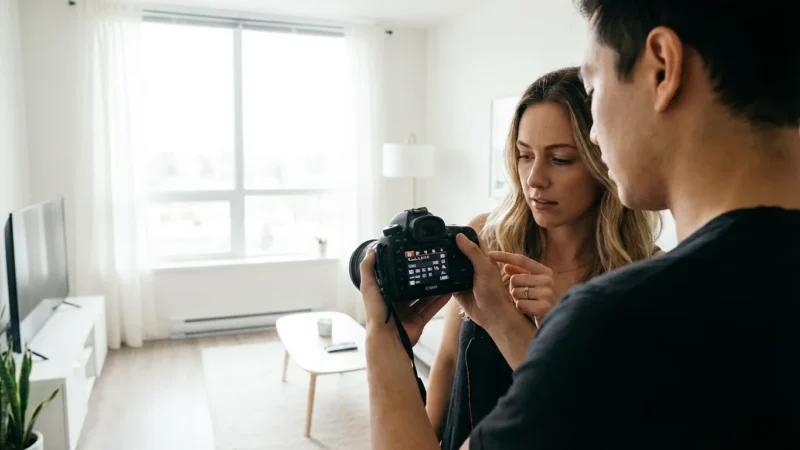
- Ergonomics and Controls: Pick up the camera if possible. Does it feel comfortable in your hands? Are the buttons and dials intuitively placed? Some cameras offer touchscreens, tilting LCDs, or electronic viewfinders (EVFs). Consider what feels most natural for your shooting style.
Maintaining your gear is vital for long-term use, so be sure to learn how to clean your camera lens properly early on.
Mirrorless vs. DSLR: Which Is Right for Your First Camera?
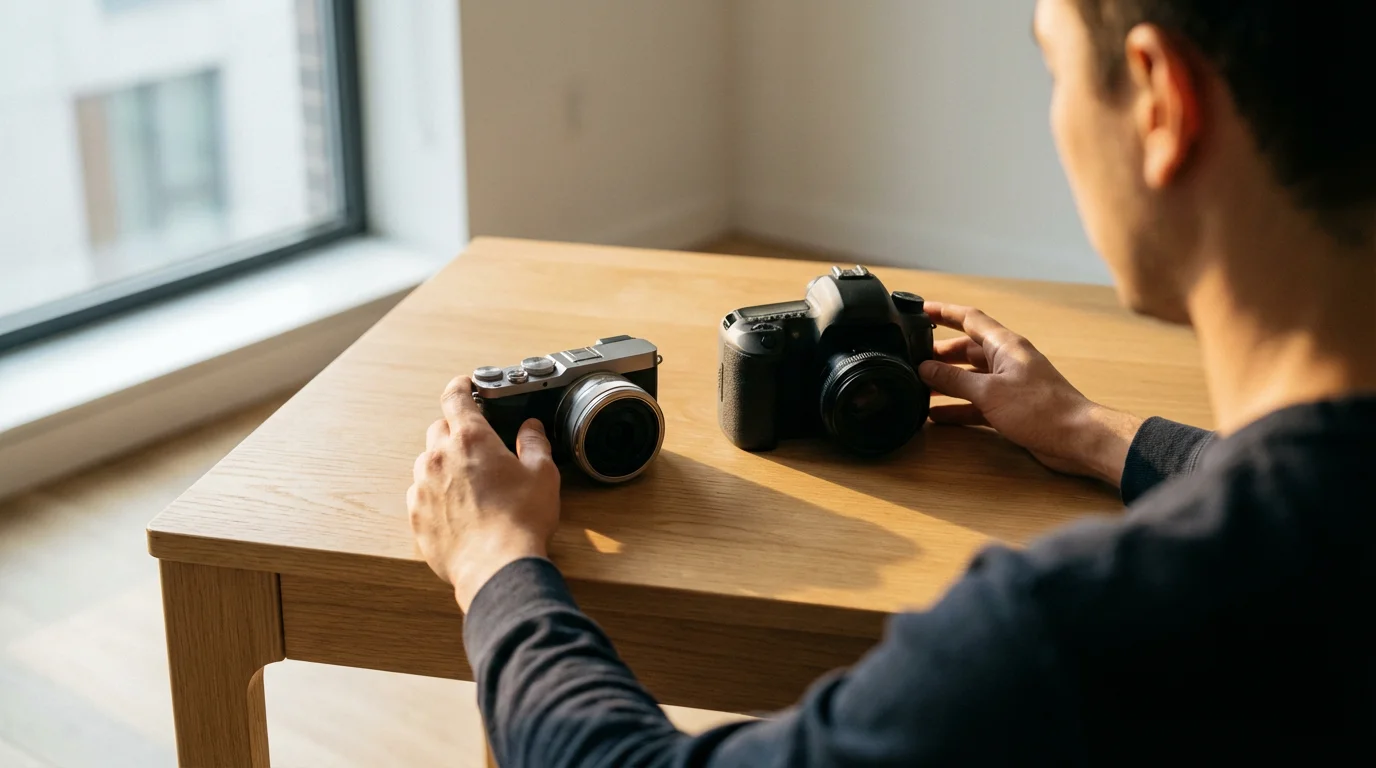
The photography world largely divides into two main camera types for beginners: mirrorless and Digital Single-Lens Reflex (DSLR). Both are excellent `beginner cameras`, but they operate differently and offer distinct advantages.
DSLR Cameras (Digital Single-Lens Reflex)
DSLRs use a mirror mechanism to reflect light from the lens into an optical viewfinder, allowing you to see directly through the lens. When you press the shutter, the mirror flips up, and light hits the sensor.
Pros:
- Optical Viewfinder: Provides a natural, lag-free view of the scene, especially useful in bright sunlight.
- Battery Life: Generally superior to mirrorless cameras due to the optical viewfinder and less reliance on electronic components.
- Established Lens Ecosystem: A vast selection of lenses, often available at lower prices, especially for older models. Many `entry level DSLR` cameras can leverage decades of lens design.
- Robust Build: Often have a more substantial, reassuring feel in hand, which some photographers prefer.
Cons:
- Size and Weight: Typically larger and heavier than mirrorless cameras due to the mirror box.
- Slightly Older Technology: While still excellent, new camera development often prioritizes mirrorless systems.
Mirrorless Cameras
Mirrorless cameras, as the name suggests, eliminate the mirror mechanism. Light passes directly through the lens to the sensor, and the image is displayed on an electronic viewfinder (EVF) or the rear LCD screen.
Pros:
- Compact and Lightweight: Smaller and lighter designs make them easier to carry for travel or everyday use.
- Advanced Autofocus: Often feature more sophisticated autofocus systems, including superior face and eye detection, which are excellent for portraits and tracking moving subjects.
- Electronic Viewfinder (EVF): Shows you exactly what the sensor sees, including exposure adjustments, white balance, and creative filters in real-time. This “what you see is what you get” experience simplifies learning exposure.
- Faster Burst Shooting: Without a mechanical mirror, mirrorless cameras often achieve higher continuous shooting speeds.
- Video Focus: Generally excel in video capabilities with features optimized for filmmakers.
Cons:
- Battery Life: Tend to consume more power, requiring spare batteries for extended shoots.
- Lens Ecosystem (Historically): While rapidly expanding, the mirrorless lens selection for some mounts might still be less extensive or more expensive than equivalent DSLR lenses, particularly for specific `entry level DSLR` options. This gap is quickly closing.
For many beginners in 2025, a mirrorless camera offers a compelling package of modern features, portability, and ease of use. However, a well-chosen `entry level DSLR` remains a fantastic and often more budget-friendly option, especially if you value an optical viewfinder and robust battery life.
Top `Beginner Cameras` in 2025: Your Starting Point
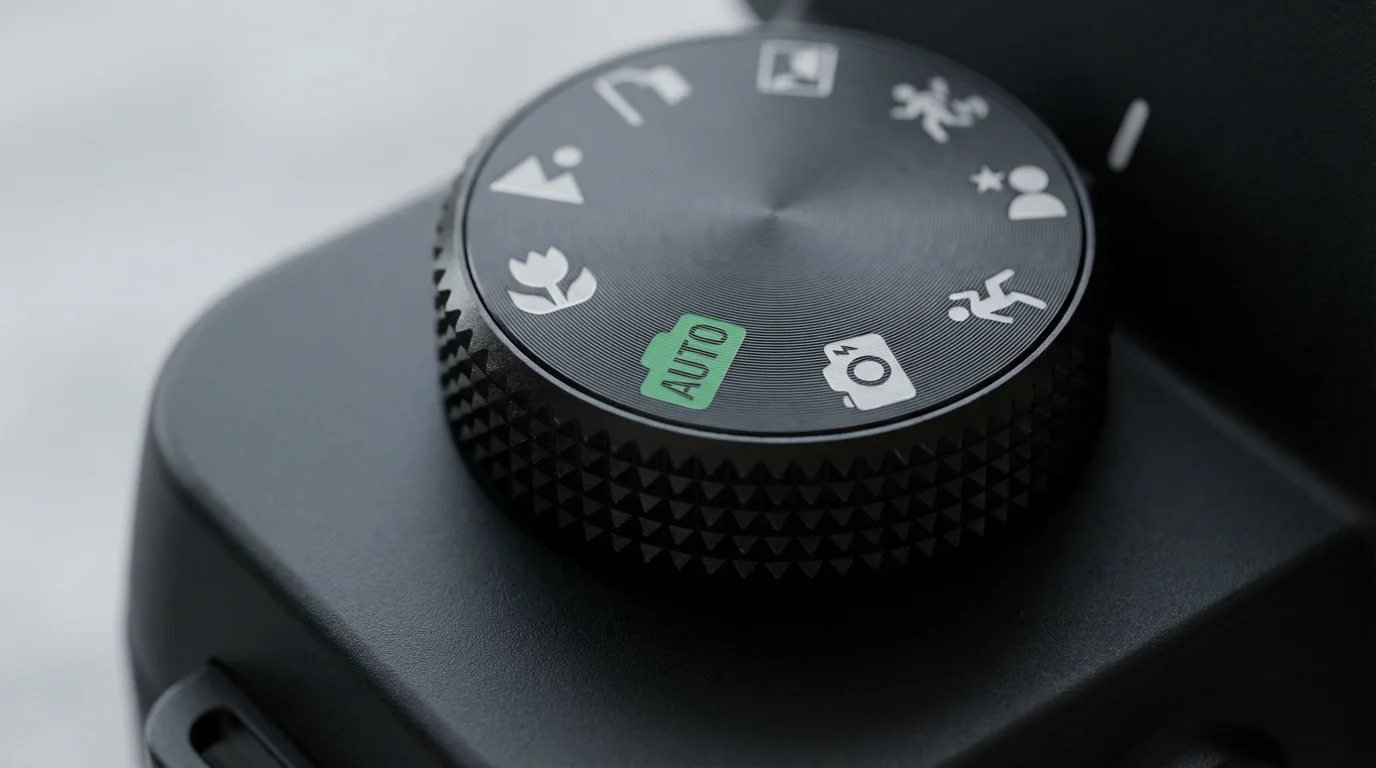
The `best cameras for photography beginners in 2025` balance affordability, user-friendliness, and room for growth. We will examine a few exemplary options that represent popular choices, keeping in mind that specific models update annually. Focus on the *characteristics* that make these cameras suitable for you.
| Camera Type/Series | Key Features for Beginners | Pros | Cons | Ideal User |
|---|---|---|---|---|
| Canon EOS R Series (Entry-Level Mirrorless) | User-friendly interface, excellent dual-pixel autofocus, good video. | Intuitive controls, strong image quality, robust lens roadmap. Great for casual photography. | Lens selection can be pricier than older DSLR options. | General family photographer, content creator, travel enthusiast wanting modern features. |
| Sony Alpha a6000 Series (Entry-Level Mirrorless) | Compact size, rapid autofocus, strong video features, large third-party lens support. | Exceptional speed for its class, very portable, excellent for sports/action. | Menu system can feel complex to new users, smaller grip for large hands. | Action/sports enthusiast, vlogger, those prioritizing speed and compactness. |
| Nikon Z Series (Entry-Level Mirrorless) | Excellent image quality, good ergonomics, robust build quality, strong low-light performance. | Comfortable to hold, reliable image stabilization, growing Z-mount lens system. | Autofocus might not be as universally praised as Canon/Sony in all scenarios. | Landscape photographers, those valuing ergonomics and build quality, mixed-use. |
| Canon EOS Rebel/Nikon D3000-D5000 Series (Entry-Level DSLR) | Optical viewfinder, affordable access to vast lens libraries, simple controls. | Great value, long battery life, excellent for learning fundamentals, durable. | Larger and heavier than mirrorless, less advanced video features. | Budget-conscious beginner, those preferring an optical viewfinder, students learning core concepts. |
When considering these `beginner cameras`, remember to review current models in these series. Manufacturers frequently update their entry-level offerings, often inheriting features from higher-end cameras. For example, a Canon EOS R100 or Nikon Z30 might be excellent considerations, offering impressive performance in compact bodies. Similarly, if you want a reliable `entry level DSLR`, models like the Canon EOS Rebel T8i (250D in some regions) or Nikon D3500 still provide exceptional value and image quality.
Many photographers find success starting with a camera bundled with a “kit lens,” typically a versatile zoom like an 18-55mm. This lens covers a useful range for most general photography, from wide-angle landscapes to tighter portraits. It is an excellent way to begin learning composition and different focal lengths.
“The best camera for a beginner is the one they will use consistently. Do not get caught up in having the most features, instead, focus on a camera that feels good in your hands and excites you to take pictures.”
Research individual camera reviews on sites like `dpreview.com` to compare specific features and user experiences. Pay attention to feedback regarding menu navigation and autofocus performance, as these significantly impact a beginner’s experience. You want a camera that encourages you to explore, not one that frustrates you with complexity.
Beyond the Camera Body: Lenses and Essential Accessories
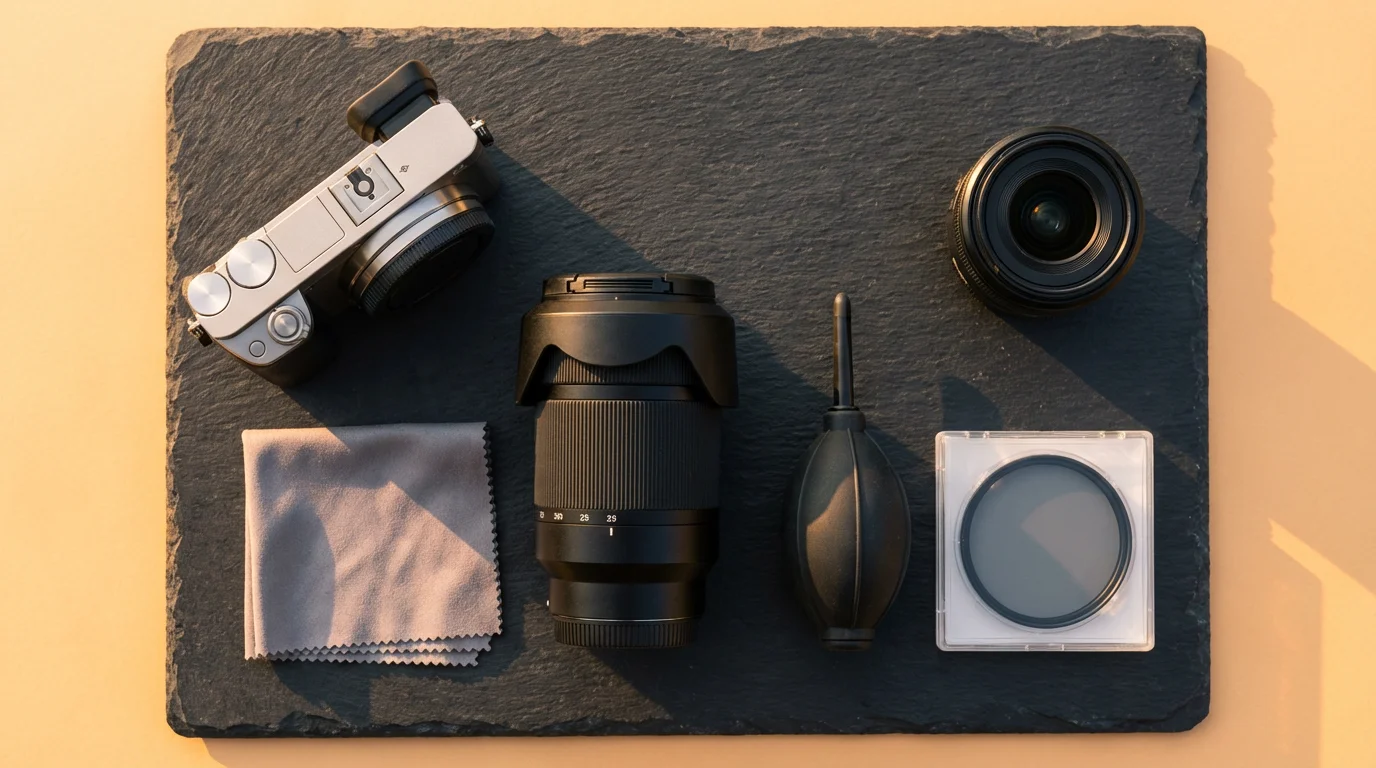
While the camera body captures the image, the lens truly shapes it. Many beginners overlook the importance of lenses when choosing a `first camera`. Your kit lens is a great starting point, but exploring additional lenses unlocks new creative possibilities.
You should also look into the best camera bags to keep your new investment safe and organized during your travels.
While a quality lens is vital, other essential camera accessories like tripods and extra batteries will complete your starter kit.
To protect and enhance your investment, check out our list of essential camera accessories that every new owner should consider.
Understanding Lenses:
- Kit Lenses (e.g., 18-55mm): These general-purpose zoom lenses come bundled with most `beginner cameras`. They offer flexibility for various situations and are excellent for learning.
- Prime Lenses (Fixed Focal Length, e.g., 50mm f/1.8): These lenses have a fixed focal length and often have a wider maximum aperture (e.g., f/1.8). They excel in low light, create beautiful background blur (bokeh) for portraits, and are usually sharper than zoom lenses. A “nifty fifty” (50mm f/1.8) is often recommended as a second lens for beginners due to its affordability and versatility.
- Telephoto Zoom Lenses (e.g., 70-300mm): Extend your reach for subjects far away, such as wildlife or sports. They compress perspective, making backgrounds appear closer.
- Wide-Angle Lenses (e.g., 10-24mm): Capture expansive scenes, ideal for landscapes, architecture, or tight interior spaces.
Investing in a good prime lens after mastering your kit lens can dramatically improve your photography. It forces you to “zoom with your feet” and think more about composition.
Essential Accessories for Your `First Camera`:
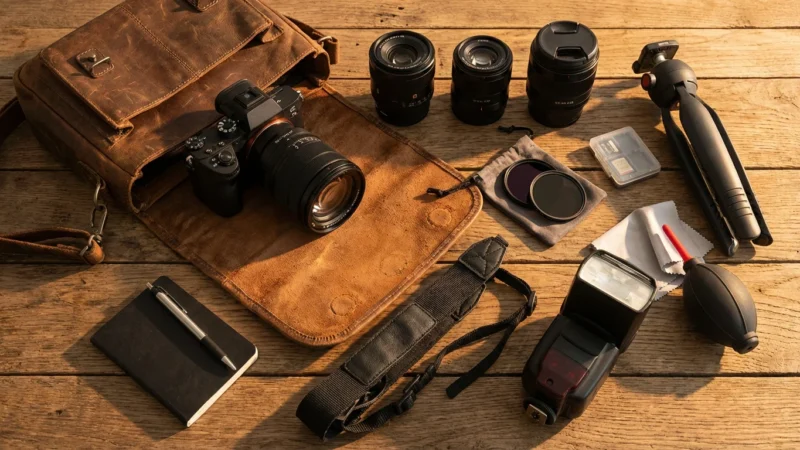
Do not forget these crucial items to protect your investment and enhance your shooting experience:
- Extra Battery: Mirrorless cameras, especially, benefit from a spare battery. Nothing cuts a shoot short faster than a drained power source.
- SD Cards: Always use reliable, high-speed SD cards (e.g., Class 10 or UHS-I/II) to ensure smooth recording of photos and videos. Have at least two.
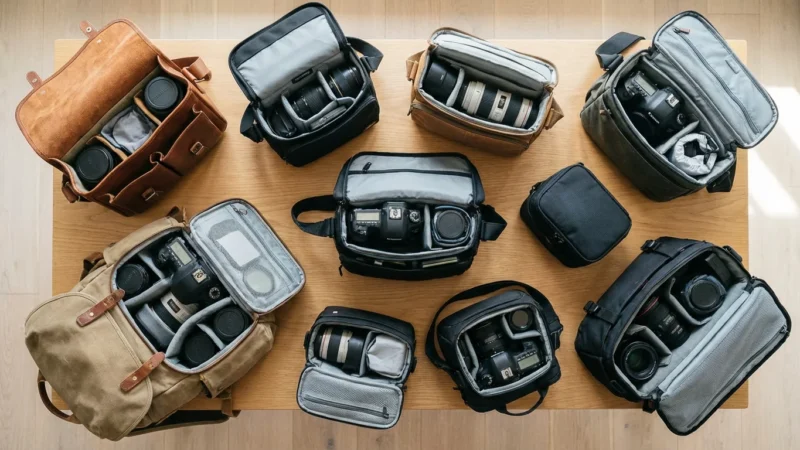
- Camera Bag: Protect your camera and lenses from bumps, dust, and weather. Choose a bag that comfortably fits your gear and is easy to carry.
- Lens Cleaning Kit: Dust and smudges on your lens degrade image quality. A blower brush, microfiber cloth, and lens cleaning fluid are essential.
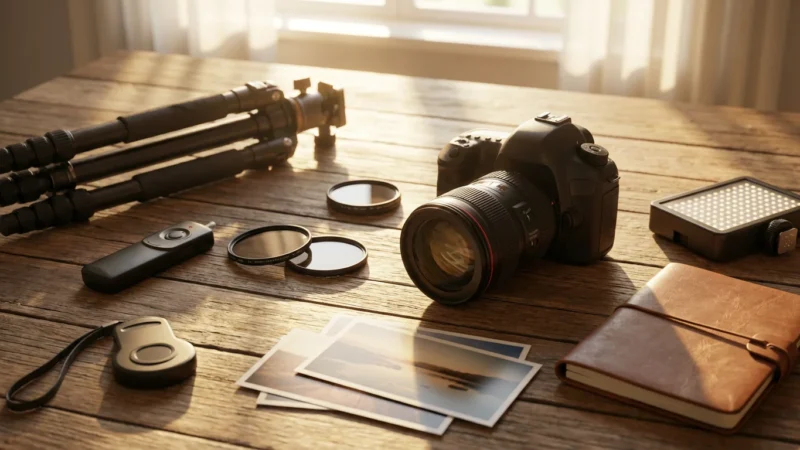
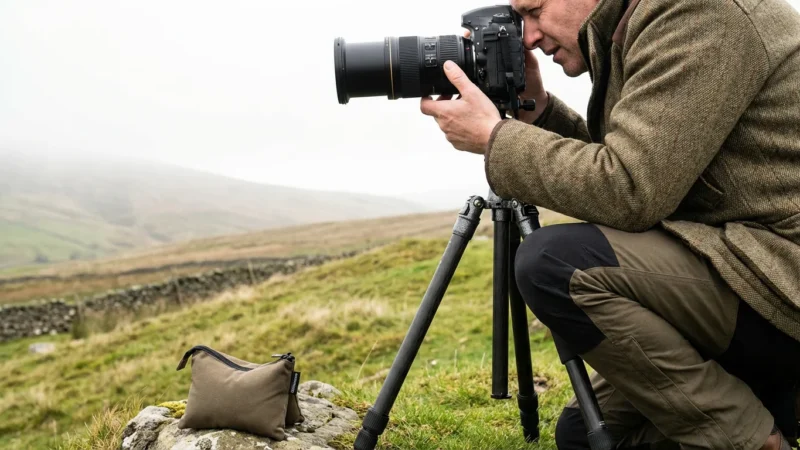
- Tripod: For sharp low-light shots, long exposures, or self-portraits, a stable tripod is invaluable. Even a basic, lightweight model makes a difference.
- Protective UV Filter: While some debate their optical impact, a UV filter primarily protects the front element of your lens from scratches, dust, and minor impacts. It is a small investment that can save an expensive lens.
Building Your Photography Skills: Practice and Growth
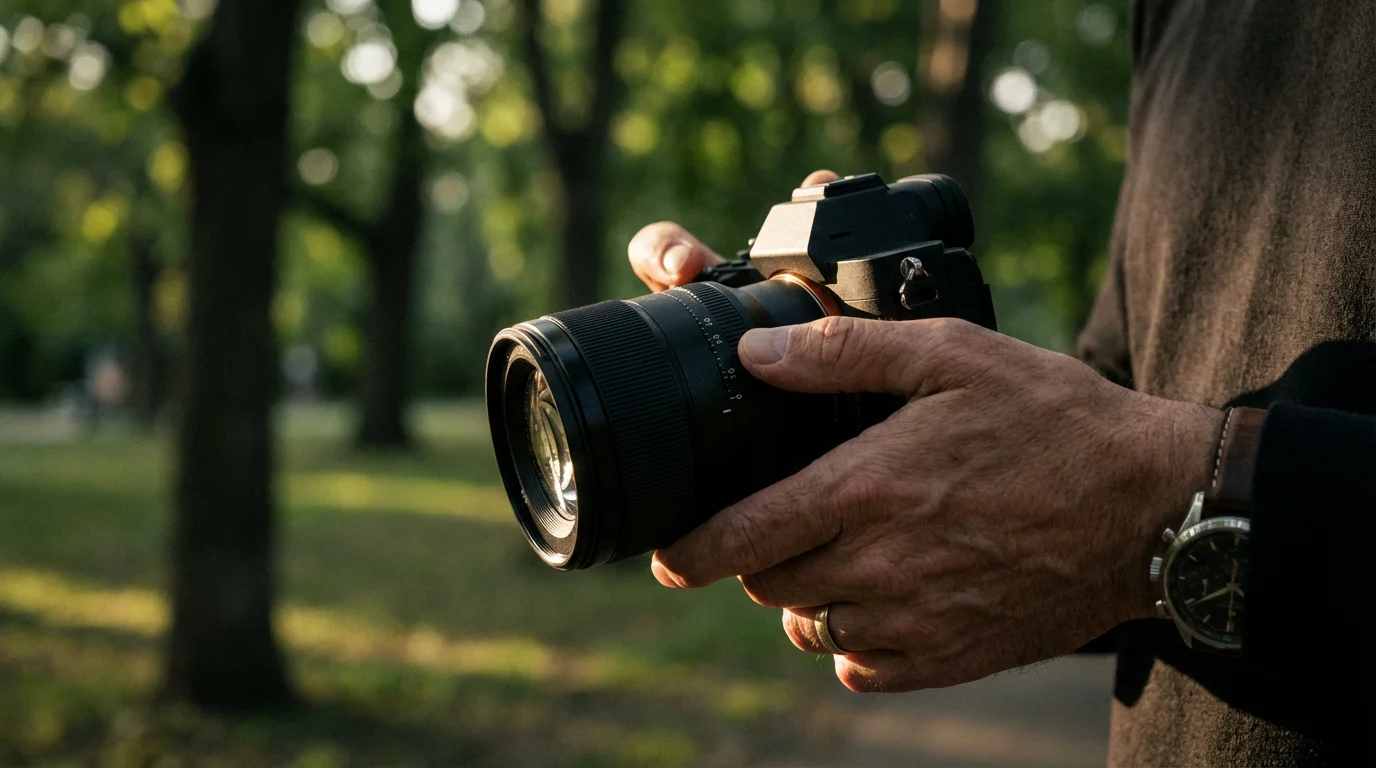
Acquiring the `best cameras for photography beginners in 2025` is only the first step. The true magic happens when you learn to use it effectively. Photography is a journey of continuous learning and practice.
As your photo library begins to grow, using professional photo management software will help you keep your digital memories organized for years to come.
- Understand the Exposure Triangle: Master the relationship between ISO, aperture, and shutter speed. This is fundamental to controlling the brightness and look of your photos. Resources like `cambridgeincolour.com` offer excellent interactive tutorials.
- Practice Regularly: Take your camera everywhere. Experiment with different settings and subjects. The more you shoot, the better you become.
- Learn Composition: Rules like the rule of thirds, leading lines, and framing help you create visually appealing images. Do not just take a picture, compose one.
- Study Light: Photography is essentially painting with light. Pay attention to how light falls on your subjects, whether it is soft morning light, harsh midday sun, or dramatic artificial light.
- Post-Processing Basics: Learn simple editing techniques using free software like GIMP or online tools. Minor adjustments to brightness, contrast, and color can significantly enhance your images.
- Join a Community: Share your work, ask for feedback, and learn from others. Online forums or local photography clubs provide valuable support.
If your goal is capturing active family members, mastering how to photograph children and pets successfully is a great next step in your journey.
Remember, your camera is a tool. Your vision and practice define the quality of your photographs. Embrace the learning process, enjoy capturing moments, and watch your skills grow.
Frequently Asked Questions
Should I buy a used `beginner camera`?
Buying a used `first camera` can be an excellent way to save money. Look for reputable sellers and check the camera’s shutter count (how many photos it has taken). Inspect the lens for scratches and the sensor for dust. Used cameras from the previous year often offer incredible value and are still fantastic choices for beginners.
Is a smartphone camera enough for a beginner?
While smartphone cameras have become incredibly capable, they do not offer the same level of creative control, image quality, or learning experience as a dedicated `beginner camera`. If you are serious about photography, a camera allows you to explore concepts like depth of field, different lenses, and manual controls in a way a smartphone cannot.
How much should I spend on my `first camera`?
You can find excellent `entry level DSLR` and mirrorless `beginner cameras` ranging from $500 to $1,000, often including a kit lens. Aim for a budget that allows you to buy a decent camera body and perhaps a second, inexpensive prime lens. Avoid overspending on advanced features you will not use initially.
What is the most important setting for a beginner to learn first?
Start by understanding aperture. It controls depth of field (how much of your image is in focus) and plays a crucial role in creative expression. Learning to manipulate aperture will immediately elevate your photos, especially for portraits with blurred backgrounds.
When you finally pick your camera, make sure you choose reliable memory cards to safely store all your new high-resolution images.
Disclaimer: This article is for informational purposes only. When handling valuable or irreplaceable photographs, consider consulting a professional conservator. Always test preservation methods on non-valuable items first.


Leave a Reply