

Digital photos offer unparalleled convenience, but a physical print holds an undeniable magic. It transforms a fleeting digital memory into a tangible artifact, a story you can hold, share, and pass down. Choosing the right `photo printing services` ensures your cherished moments translate from screen to paper with stunning `print quality`. You deserve prints that capture the true essence and detail of your images, prints that stand the test of time.
This comprehensive guide helps you navigate the diverse landscape of `online printing` options. You will discover what distinguishes a truly great print, understand the critical factors influencing your choice, and identify the `best photo printing service for high quality prints` tailored to your specific needs. We will help you understand `where to print photos online` with confidence, transforming your digital files into lasting memories.
Why Print Your Photos?
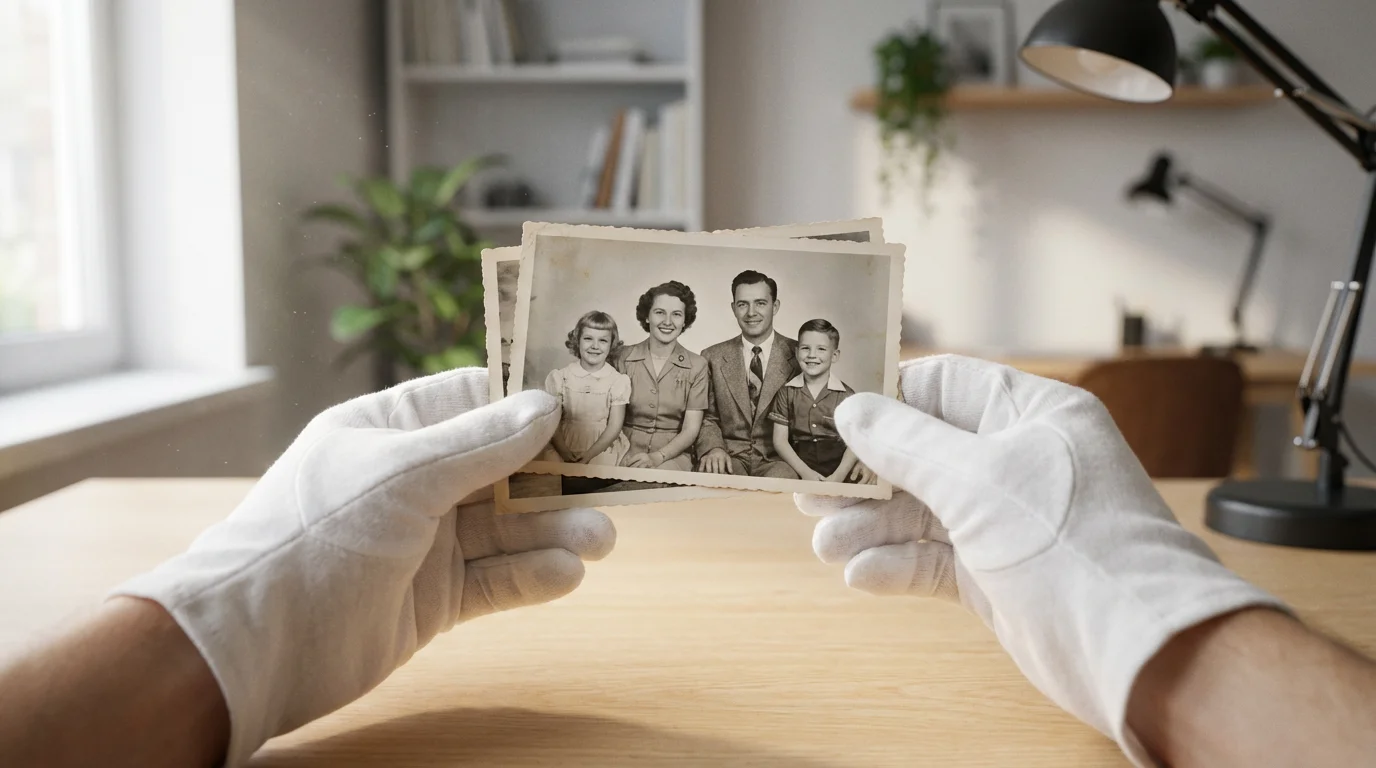
Printing your photographs offers benefits far beyond simple aesthetics. A physical print anchors a memory in time, creating a tangible connection to the past. Consider these compelling reasons to print your most precious images:
If your original physical pictures have deteriorated over time, professional photo restoration services can revitalize them before you create new high-quality prints.
If you are starting with a collection of vintage film, you should first learn how to scan old photos at home to ensure you have high-resolution files ready for the printer.
* **Tangible Connection to Memories:** Digital files exist on screens, easily scrolled past and forgotten. A printed photograph commands attention, prompting reflection and storytelling. You physically hold a piece of your history.
* **Enhanced Emotional Impact:** People respond more emotionally to physical objects. A print displayed on a wall or held in a hand evokes stronger feelings and deeper connections than a digital image.
* **Protection Against Digital Loss:** Hard drives fail, cloud services change, and digital formats evolve. Physical prints, when properly cared for, offer a robust backup against technological obsolescence and data loss. Many families inherit boxes of old photos, each image a testament to enduring physical preservation.
* **Display and Sharing:** Prints transform your photos into art for your home
For those returning from a long trip, creating a travel photo journal is a wonderful way to give your prints a narrative context.
, creating a personalized environment. They facilitate sharing with loved ones in a direct, engaging way, sparking conversations and new memories.
* **Legacy for Future Generations:** Think about the joy of discovering old family albums. Your prints become a visual legacy, a chronological record for your children and grandchildren, helping them understand their roots.
Physical prints represent more than just images; they are custodians of your personal and family history. Investing in quality prints ensures these stories endure.

Key Factors to Consider When Choosing a Photo Printing Service
Selecting the right `online printing` service requires careful consideration of several factors. Each element plays a crucial role in the final `print quality` and your overall satisfaction. Evaluate these points before you commit your precious memories to paper:
To streamline your project and save on costs, consider decluttering your photo collection to identify only your most meaningful shots for professional printing.
* **Image Resolution and Sharpness:** The clarity and detail in your prints depend heavily on the resolution your printing service can achieve. A high-quality service reproduces fine details without blurring or pixelation. Check the recommended DPI (dots per inch) for prints of your desired size. Services that maintain sharp resolution produce crisp, professional-looking images.
* **Color Accuracy and Gamut:** Colors should appear vibrant and true to your original digital file. A good service manages color profiles effectively, ensuring reds look red, not orange, and skin tones appear natural. A wider color gamut means the printer can reproduce a broader range of colors, resulting in richer, more lifelike prints. Look for services that offer color calibration information or proofs.
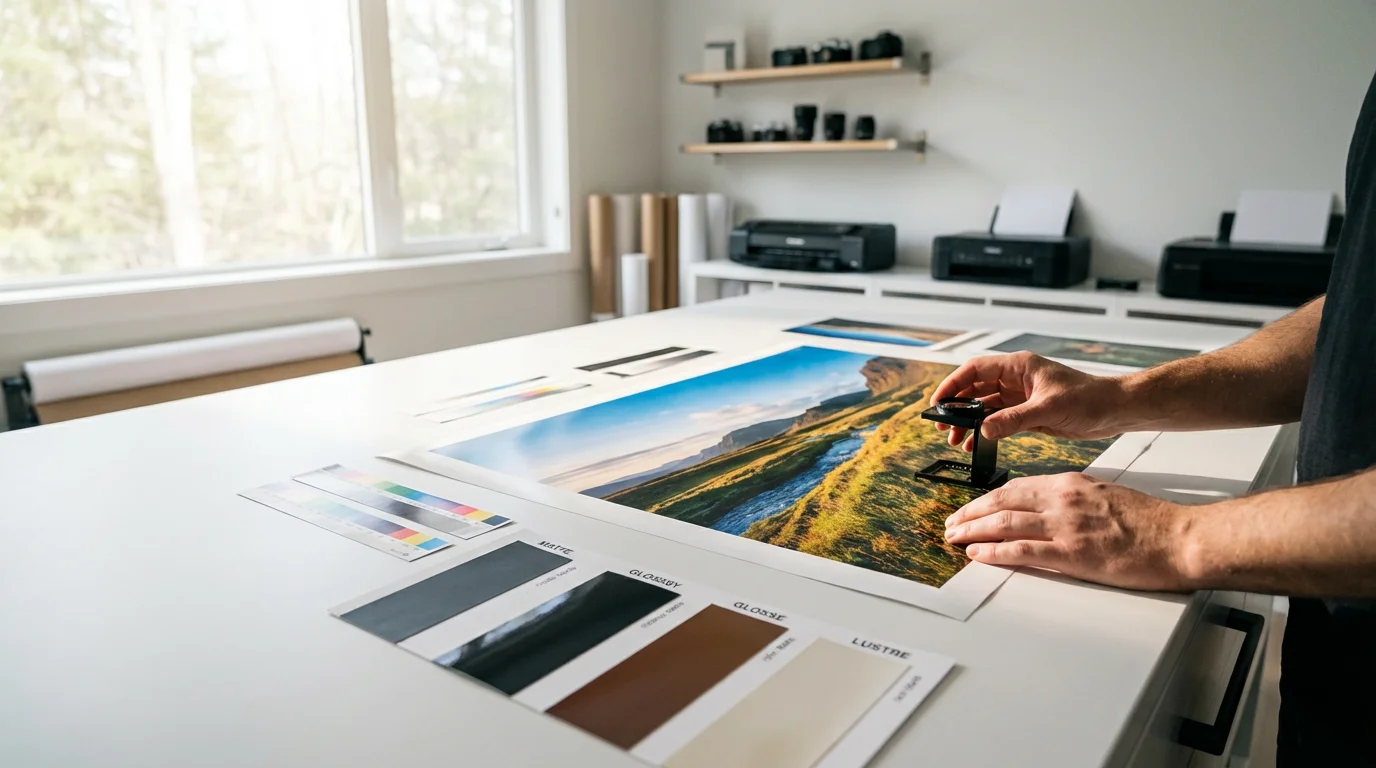
* **Paper Types and Finishes:** The paper choice significantly impacts the print’s look and feel.
* **Glossy:** Offers vibrant colors and high contrast, but shows fingerprints and glare.
* **Matte:** Provides a softer, non-reflective finish, ideal for black and white or fine art.
* **Luster:** A popular choice, offering a semi-gloss finish with less glare than glossy and more vibrancy than matte.
* **Metallic:** Gives images a unique, iridescent sheen, enhancing vibrancy and depth.
* **Fine Art Papers:** Often heavier, acid-free cotton or alpha-cellulose papers, designed for longevity and a luxurious feel. Consider these for truly special images.
* **Archival Properties and Longevity:** For prints you want to last generations, prioritize archival quality. This means using acid-free papers and stable, lightfast inks that resist fading and degradation over time. Reputable services specify if their prints meet archival standards, which is crucial for preserving family heirlooms. The Image Permanence Institute provides valuable research on archival stability for photographic materials, an important reference when you assess print longevity claims.
* **Pricing and Value:** While cost is a factor, avoid choosing a service based solely on the lowest price. Evaluate the cost per print in relation to the `print quality`, paper options, and overall service. Many services offer bulk discounts, which can reduce your overall cost for larger orders. Factor in shipping costs and potential promotions.
* **User Experience and Software:** An intuitive website and easy upload process make your experience smoother. Some services offer robust online editing tools, while others provide downloadable software for more advanced control. Look for clear instructions, preview options, and helpful customer support.
* **Shipping and Packaging:** How a service packages your prints determines their condition upon arrival. High-quality services use sturdy packaging to prevent bending, creasing, or water damage. Check their shipping policies and delivery times.
By thoroughly evaluating these key factors, you equip yourself to make an informed decision, ensuring your memories receive the treatment they deserve.
Understanding Print Quality: What Makes a Great Print?
A truly great print transcends a mere reproduction of your digital image. It embodies clarity, accurate color, and durability. To understand `print quality` deeply, consider these technical aspects:
For a more artistic approach to home decor, printing photos on canvas provides a textured alternative to traditional paper options.
* **Printer Technology:** Most `photo printing services` utilize one of two primary technologies:
* **Inkjet Printers:** These use microscopic droplets of ink applied to various papers. High-end inkjet printers, often referred to as Giclée printers, use pigment-based inks with multiple color channels (up to 12 different inks) to achieve incredibly wide color gamuts, smooth gradations, and excellent archival stability. These are common for fine art prints.
* **Silver Halide (LightJet/Chromogenic) Printers:** These traditional photographic printers expose light-sensitive paper to lasers or LEDs, which then processes the paper chemically. This method creates continuous tone images with exceptional detail, smooth transitions, and a classic photographic look. Many professional labs use silver halide for standard prints.
Both technologies, when implemented well, deliver outstanding results, but their characteristics differ.
* **Resolution (DPI):** Dots Per Inch (DPI) refers to the number of ink droplets or light points a printer places in one inch of paper. For high-`print quality`, aim for 300 DPI at your desired print size. This ensures sharp, detailed images without visible pixelation. Your camera’s megapixel count directly influences the maximum print size you can achieve at optimal DPI.
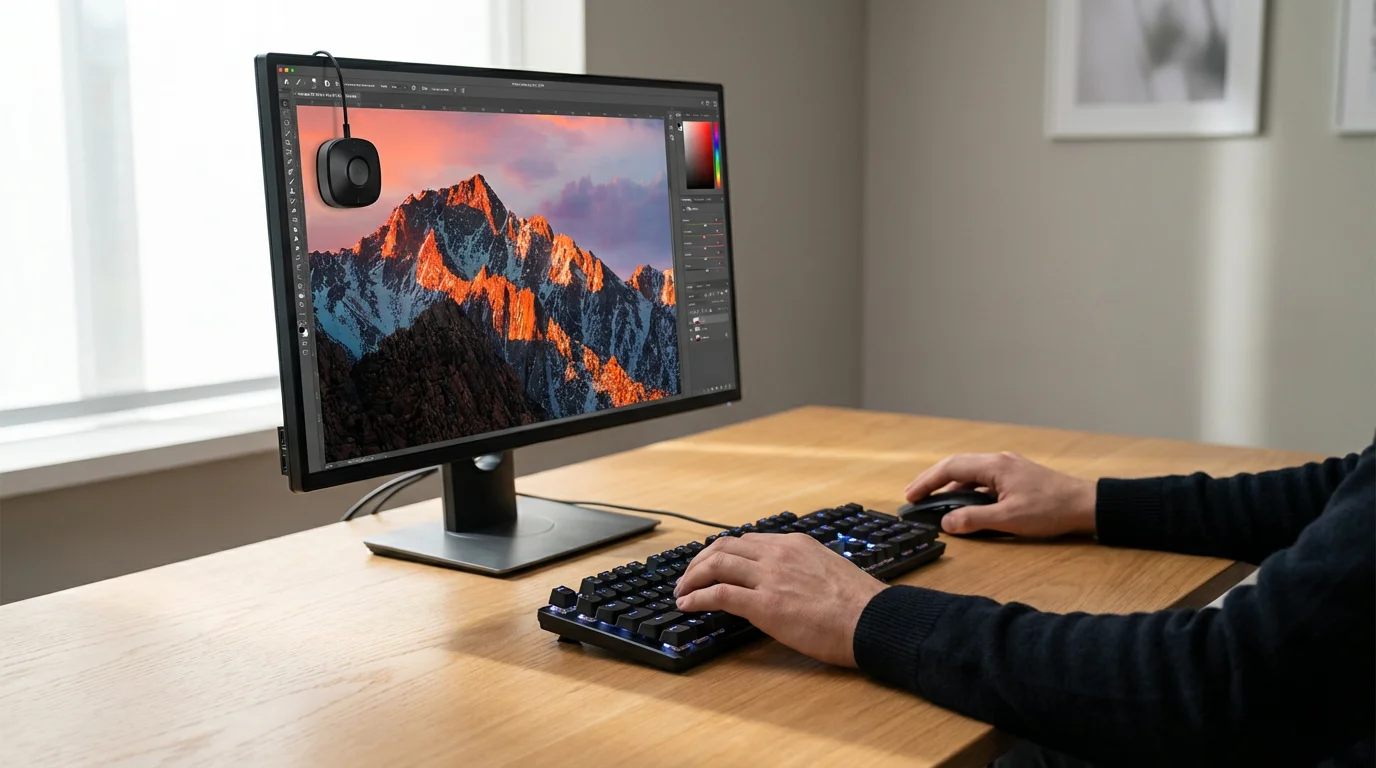
* **Color Depth and Accuracy:** A printer’s ability to reproduce a broad spectrum of colors (color gamut) and differentiate subtle color variations (color depth) defines its color accuracy. Professional labs often calibrate their printers meticulously and manage color profiles (like sRGB or Adobe RGB) to ensure what you see on a calibrated monitor closely matches the print. This prevents unexpected color shifts or muted tones.
* **Dynamic Range and Tonal Gradation:** A good print displays a wide range of tones, from deep blacks to bright whites, with smooth transitions in between. This means the printer effectively reproduces shadows and highlights without clipping, preserving detail across the entire tonal spectrum of your image.
* **Sharpness and Detail:** Beyond resolution, a high-quality print exhibits crisp edges and fine detail. This comes from both the printer’s capabilities and the quality of your original file, including proper focusing and minimal noise.
* **Surface Consistency:** A premium print shows uniform surface quality, free from banding, streaks, or inconsistent finishes. The paper should be evenly coated, contributing to the overall professional appearance.
Understanding these elements empowers you to discern genuinely high-quality prints and select `photo printing services` that meet professional standards.
Top Photo Printing Services for Quality Prints
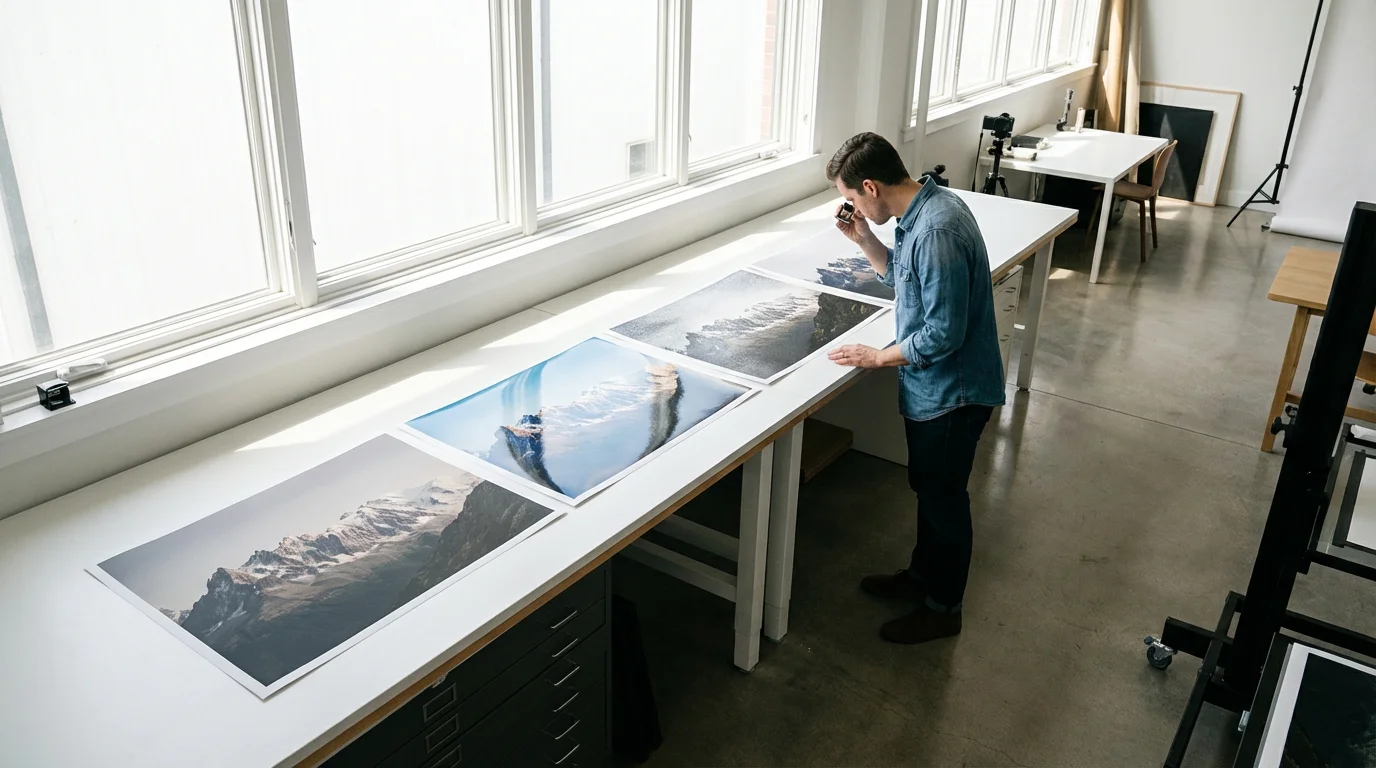
Many `photo printing services` cater to a wide range of needs, from budget-conscious casual printers to professional photographers demanding the absolute best. When you seek the `best photo printing service for high quality prints`, consider services consistently praised for their meticulous attention to detail, superior color reproduction, and extensive paper options. We have evaluated several prominent services based on their reputation for `print quality`, range of products, and customer satisfaction.
If you have a large volume of old physical archives, using professional photo scanning services can provide the high-resolution files necessary for premium reprints.
Here is a comparison of some leading `online printing` services, highlighting their strengths:
| Service Name | Key Strengths | Ideal For | Print Technology | Archival Options | Price Range (Standard Prints) |
|---|---|---|---|---|---|
| **Bay Photo Lab** | Exceptional professional lab quality, vast product range (including fine art), consistent color. | Photographers, enthusiasts seeking pro-level prints, diverse product needs. | Silver Halide, Giclée Inkjet | Excellent, wide selection of archival papers and finishes. | Mid-to-High |
| **Mpix** | Consumer-friendly arm of Miller’s Professional Imaging, renowned for excellent quality, fast shipping, user-friendly interface. | Families, individuals wanting high-quality but accessible prints, gifts. | Silver Halide | Good, uses archival-quality papers for standard prints. | Mid |
| **Nations Photo Lab** | Strong contender for professional-grade prints, good color accuracy, diverse products, competitive pricing. | Budget-conscious professionals, advanced amateurs, album creation. | Silver Halide, Giclée Inkjet | Good, offers various professional and archival paper options. | Mid |
| **WhiteWall** | Specializes in fine art prints, large formats, and premium finishes like acrylic and metal. Known for museum-quality results. | Artists, serious photographers, large format art pieces, gallery-quality display. | Giclée Inkjet (Pigment), Silver Halide (Photo Prints) | Excellent, specific certifications for archival longevity. | High |
| **Printique (formerly AdoramaPix)** | Excellent photo books, high-quality standard prints, good paper selection, strong customer service. | Photo book creators, those needing reliable quality across various formats. | Silver Halide | Good, uses professional-grade papers. | Mid |
Many of these top-rated labs also provide the tools to make a family photo calendar, turning a year of prints into a functional gift.
When you select `where to print photos online`, these services consistently deliver superior results compared to many discount options. They invest in better printing technology, use higher quality papers, and employ more rigorous color management practices. For casual prints or quick snapshots, local drugstores or big-box retailers might suffice. However, for memories you truly want to cherish and preserve, choose a dedicated `photo printing service` that prioritizes `print quality`.
“The choice of printing service defines how your digital vision translates into a tangible memory. Prioritize labs that demonstrate consistent color accuracy and offer robust archival options. This ensures your prints become heirlooms, not merely temporary reproductions.”
How to Prepare Your Photos for Printing
Even the `best photo printing service for high quality prints` cannot salvage a poorly prepared image. Taking a few proactive steps before you upload your photos significantly impacts the final `print quality`.
* **Check Image Resolution:** Ensure your image has sufficient resolution for the desired print size. A common guideline is 300 DPI (dots per inch) for optimal `print quality`. To calculate this, divide your image’s pixel dimensions by 300. For example, a 3000 x 2400 pixel image printed at 300 DPI yields a 10 x 8-inch print. Printing larger than this native resolution can result in pixelation or softness.
* **Select the Correct Color Space:** Most consumer `online printing` services expect images in the sRGB color space. If your camera or editing software uses Adobe RGB or ProPhoto RGB, convert your image to sRGB before uploading. This prevents color shifts, ensuring your prints reflect the colors you see on your screen. Professional labs often support Adobe RGB, but sRGB offers the broadest compatibility.
* **Crop and Aspect Ratios:** Crop your image to match the aspect ratio of your desired print size. For example, a 3:2 ratio for a 6×4 print, or a 5:4 ratio for a 10×8 print. If you upload an image with a different aspect ratio, the printing service might crop it automatically, potentially cutting out important parts of your photo. Preview your crops carefully.
* **Choose the Right File Format:** JPEG (Joint Photographic Experts Group) is the most common format due to its small file size and good `print quality` for everyday use. For maximum `print quality` and if the service supports it, consider using TIFF (Tagged Image File Format) files, which are uncompressed and preserve more image data. Always save your final print-ready files at the highest possible quality setting for JPEGs to minimize compression artifacts.
* **Perform Basic Editing:** Before uploading, make subtle adjustments.
* **Brightness and Contrast:** Ensure your image is not too dark or too light. A slightly brighter image often prints better.
* **White Balance:** Correct any color casts to make whites appear neutral.
* **Sharpening:** Apply a small amount of “output sharpening” specifically for print. This enhances perceived detail without making the image look unnatural. Be careful not to over-sharpen.
* **Soft Proofing (Advanced):** If your service offers it and you have a calibrated monitor, use their ICC profiles for soft proofing. This allows you to preview how colors will render on their specific printers and papers, giving you the most accurate prediction of the final print.
These preparatory steps are invaluable. They empower you to achieve the best possible results from any `photo printing service`, turning your digital visions into stunning physical realities.
Specialty Print Options
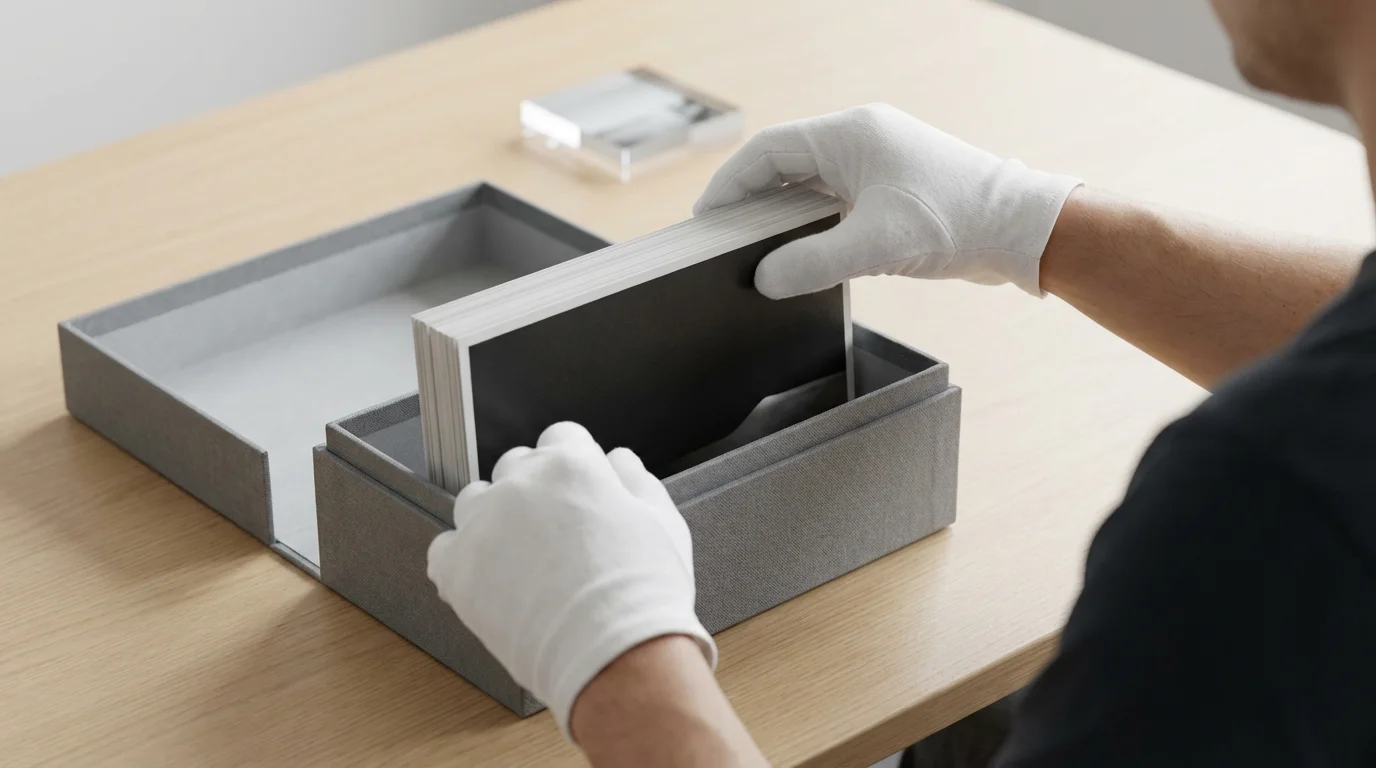
Beyond standard photographic prints, many `online printing` services offer a rich array of specialty products. These options allow you to display your memories creatively and functionally, transforming your images into unique home decor or thoughtful gifts.
One of the most popular ways to create a statement piece is by printing photos on canvas, which adds a professional artistic texture to your images.
* **Canvas Prints:** Your image prints directly onto artist’s canvas, then stretches over a wooden frame. This gives your photo a painterly, textured look. Canvas prints are lightweight and do not require framing, making them excellent for large wall displays.
* **Metal Prints:** Images infuse into a sheet of aluminum, creating prints with incredible vibrance, depth, and luminosity. Metal prints are durable, scratch-resistant, waterproof, and offer a sleek, modern aesthetic. They are particularly striking for high-contrast or colorful images.
* **Acrylic Prints:** Your image prints onto photographic paper and then mounts behind a clear sheet of acrylic glass. This method produces exceptional depth, vibrant colors, and a high-gloss finish that protects the image. Acrylic prints are often thicker and heavier, offering a premium, gallery-quality presentation.
* **Photo Books and Albums:** These allow you to curate entire collections of memories in a professionally bound format. You can customize layouts, add text, and choose various cover materials. Photo books are perfect for documenting vacations, weddings, or family milestones, creating narratives with your images.
* **Greeting Cards and Calendars:** Personalize cards for holidays, birthdays, or thank you notes with your own photographs. Custom calendars feature a different photo for each month, making them practical and sentimental gifts.
* **Wood Prints:** Images print directly onto wooden panels, giving a rustic, natural feel. The wood grain often shows through lighter areas of the image, adding unique character.
Exploring these specialty options allows you to match your print medium to the specific feeling or purpose of your photographs, extending their impact beyond traditional paper prints.
Beyond traditional paper, you might consider printing photos on canvas for a more artistic, textured look on your walls.
Maximizing Longevity: Archival Printing and Storage
You invest time and emotion into your photographs. Ensuring their longevity means understanding and implementing archival principles, both in the printing process and subsequent storage. This guarantees your `high quality prints` remain vibrant for decades, perhaps even centuries.
* **Archival Printing Materials:**
* **Pigment Inks:** Choose `photo printing services` that use pigment-based inks instead of dye-based inks. Pigment inks consist of solid particles suspended in a liquid, offering superior resistance to fading from UV light, ozone, and humidity. Dye-based inks, while often more vibrant initially, are generally less stable over time.
* **Acid-Free Papers:** Paper choice is paramount. Select papers specifically labeled as “acid-free” or “archival.” Acidic papers degrade over time, yellowing and becoming brittle, which harms the image printed on them. Cotton-rag papers are a prime example of archival, acid-free options.
* **Optical Brightening Agents (OBAs):** Some papers contain OBAs to make them appear whiter. While visually appealing initially, OBAs can break down over time, causing prints to yellow. For true archival longevity, seek papers with low or no OBA content. The American Institute for Conservation offers extensive resources on selecting appropriate materials for preservation, informing your choice of archival papers.
* **Proper Storage for Physical Prints:** Once you have your archival prints, proper storage protects them from environmental damage.
* **Archival Sleeves and Enclosures:** Store individual prints in acid-free, lignin-free, and inert plastic sleeves (polypropylene, polyester, or polyethylene). Avoid PVC sleeves, as they off-gas harmful chemicals.
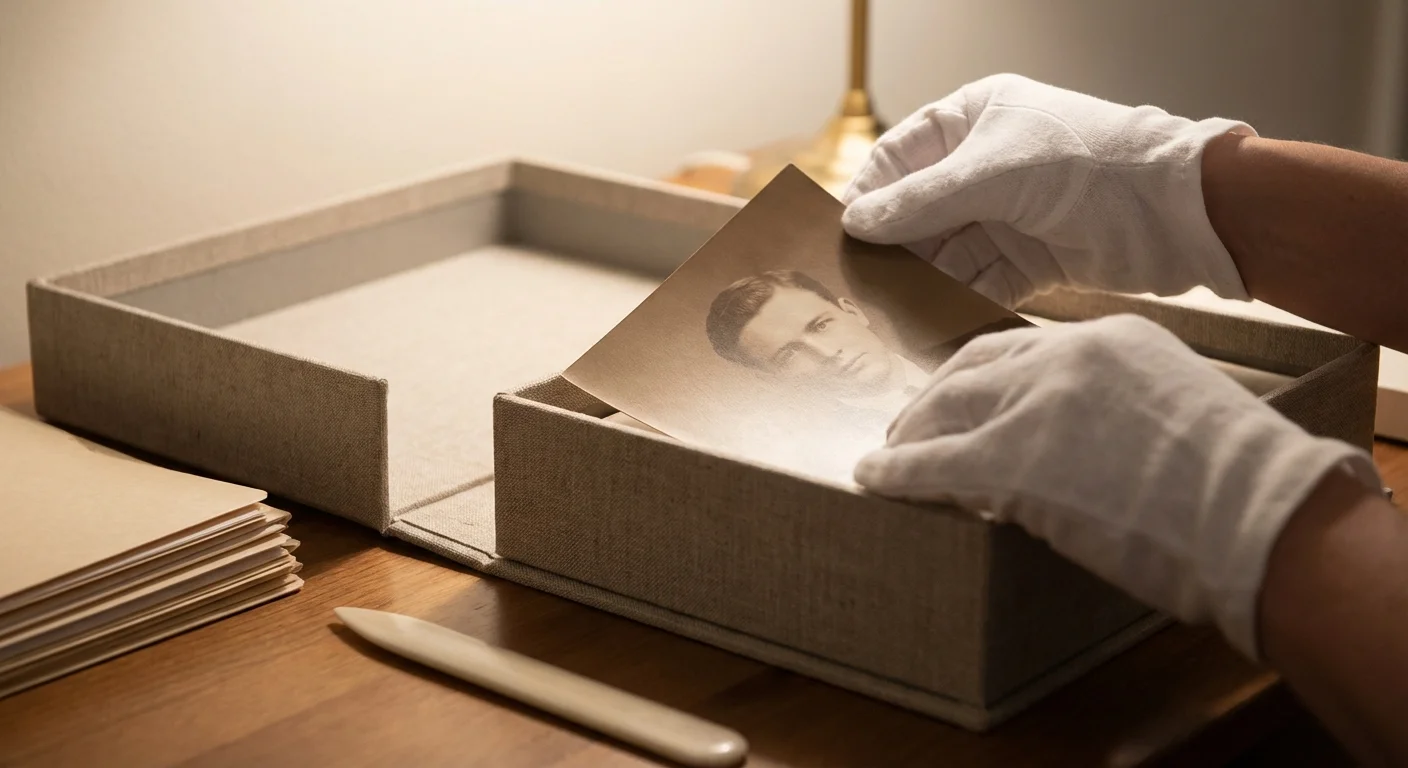
* **Archival Boxes:** Place sleeved prints into archival-quality, acid-free storage boxes. These boxes provide structural support and a barrier against pollutants.
* **Environmental Control:** Store your prints in a stable environment. Maintain consistent temperature (around 68°F / 20°C) and relative humidity (30-50%). Avoid attics, basements, or garages, where conditions fluctuate wildly. Keep prints away from direct sunlight, fluorescent lights, and heat sources.
* **Handling:** Always handle prints by the edges, preferably with clean cotton gloves, to prevent oils and dirt from transferring.
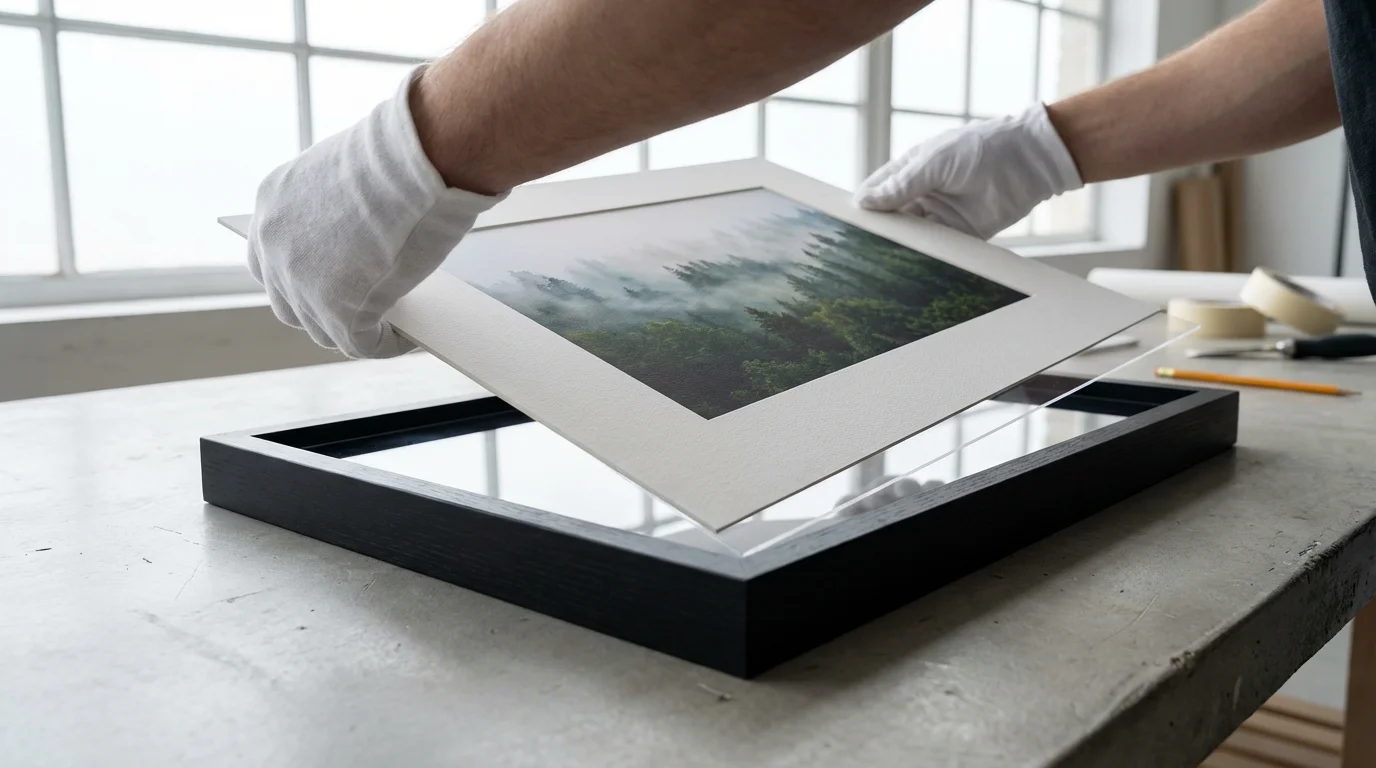
* **Display Considerations:** When displaying prints, use archival matting and framing materials. Ensure mats are acid-free, and use UV-filtering glass or acrylic to block harmful ultraviolet rays. Keep framed prints out of direct sunlight.
By integrating archival `photo printing services` with careful storage and display practices, you ensure your photographic heritage endures, maintaining its `print quality` and preserving its emotional value for future generations.
Frequently Asked Questions
You likely have specific questions as you explore `photo printing services` and strive for optimal `print quality`. Here are answers to common inquiries:
What resolution do I need for a good print?
For optimal print quality, aim for an image resolution of 300 DPI (dots per inch) at the final print size. For example, to print an 8×10 inch photo, your image should be at least 2400 x 3000 pixels (8 inches * 300 DPI by 10 inches * 300 DPI). You can print at lower resolutions, like 150-200 DPI, for larger prints viewed from a distance, but detail will be less sharp.
What’s the difference between glossy and matte paper?
Glossy paper features a smooth, reflective surface that enhances color vibrancy and contrast, making colors appear punchier. However, it shows fingerprints and glare readily. Matte paper offers a non-reflective, softer finish, reducing glare and minimizing fingerprints. It provides a more subdued, elegant look, often preferred for portraits, black and white images, or fine art, though colors may appear slightly less saturated than on glossy. Luster paper offers a good compromise, providing some sheen without excessive glare.
Can I print photos from my phone?
Yes, you can absolutely print photos from your phone. Modern smartphone cameras capture high-resolution images perfectly suitable for printing common sizes like 4×6, 5×7, or even 8×10 inches. Most `online printing` services offer mobile apps or allow direct uploads from your phone’s photo library. Ensure your phone’s photo settings capture images at the highest possible quality for the best `print quality`.
How long do photo prints last?
The longevity of your prints varies significantly based on the printing method, inks, paper, and storage conditions. Archival-quality prints made with pigment inks on acid-free paper, stored in optimal, stable environmental conditions, can last 100 years or more without significant fading or degradation. Non-archival prints, especially those made with dye-based inks on acidic papers and exposed to light or fluctuating temperatures, may show noticeable fading or color shifts within a few years.
Is it worth paying more for professional photo printing services?
Yes, it is often worth paying more for professional `photo printing services`, especially for cherished memories or important images. Professional labs invest in superior equipment, use archival-grade papers and inks, and employ rigorous color management techniques. This results in significantly better `print quality`, color accuracy, sharpness, and longevity compared to budget or consumer-grade services. For family heirlooms, art pieces, or gifts, the enhanced quality and durability justify the increased cost.
Disclaimer: This article is for informational purposes only. When handling valuable or irreplaceable photographs, consider consulting a professional conservator. Always test preservation methods on non-valuable items first.







Leave a Reply