
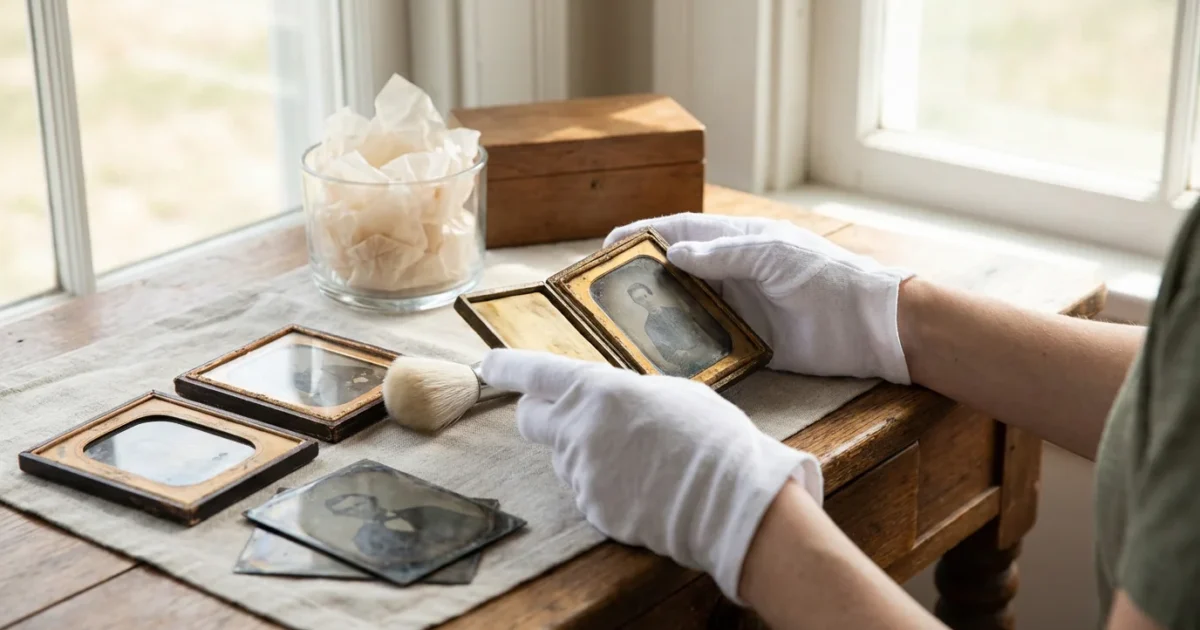
Your inherited boxes of photographs hold more than just images; they contain tangible pieces of your family’s story, moments captured long ago. Among these treasures, you might discover unique artifacts of early photography: tintypes and daguerreotypes. These 19th-century photographic processes offer a captivating glimpse into the past, yet their delicate nature demands specific care to ensure their survival for future generations. Understanding the materials and methods involved in their creation helps you protect them effectively.
Often, these metal plates are stored alongside other fragile documents, so it is equally important to understand preserving newspaper clippings and photo memorabilia you might find in the same boxes.
Unveiling Your Family History: Understanding Tintypes and Daguerreotypes
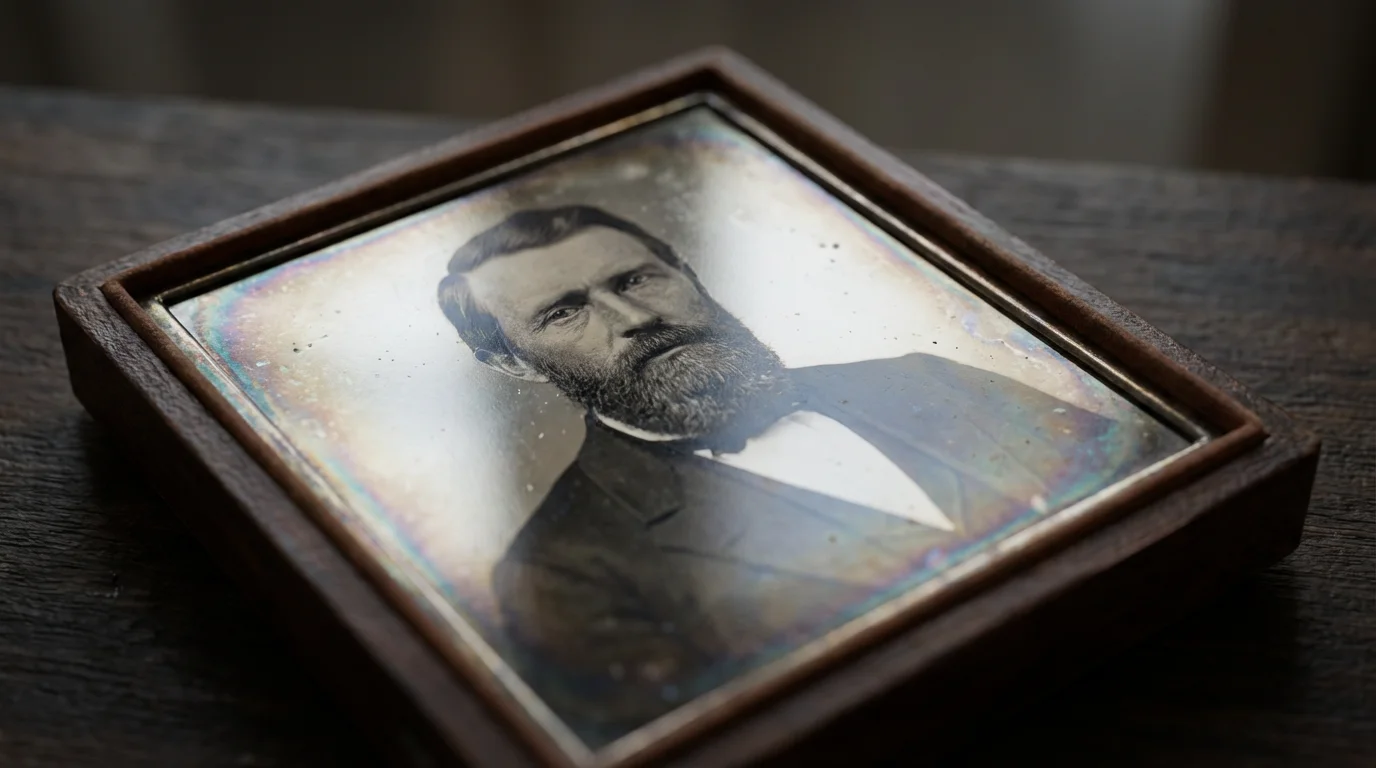
Before you begin the vital work of preservation, recognize the unique characteristics of your antique photographs. Daguerreotypes, introduced in 1839, represent one of the earliest photographic processes. A daguerreotype is a direct positive image formed on a highly polished silver-plated copper sheet. The image surface, a microscopic layer of silver amalgam, creates a mirror-like finish, reflecting light in different ways to reveal the image. Holding a daguerreotype, you might see a positive image from one angle and a negative from another, or even a mirror reflection of yourself. These images often reside in decorative cases, sealed behind glass, which provides crucial protection.
Tintype photos, or ferrotypes, emerged in the mid-1850s. Unlike daguerreotypes, tintypes are images on a thin sheet of iron, blackened with lacquer or enamel. The photographic emulsion, typically collodion, binds directly to this metal base. Tintypes are known for their durability and lack of reflective surface, making them easier to view from any angle. They often appear as single images, sometimes mounted in paper sleeves, small cases, or as carte de visite size portraits. Understanding these fundamental differences helps you apply the correct preservation techniques.
The Delicate Nature of Daguerreotypes: Specific Vulnerabilities
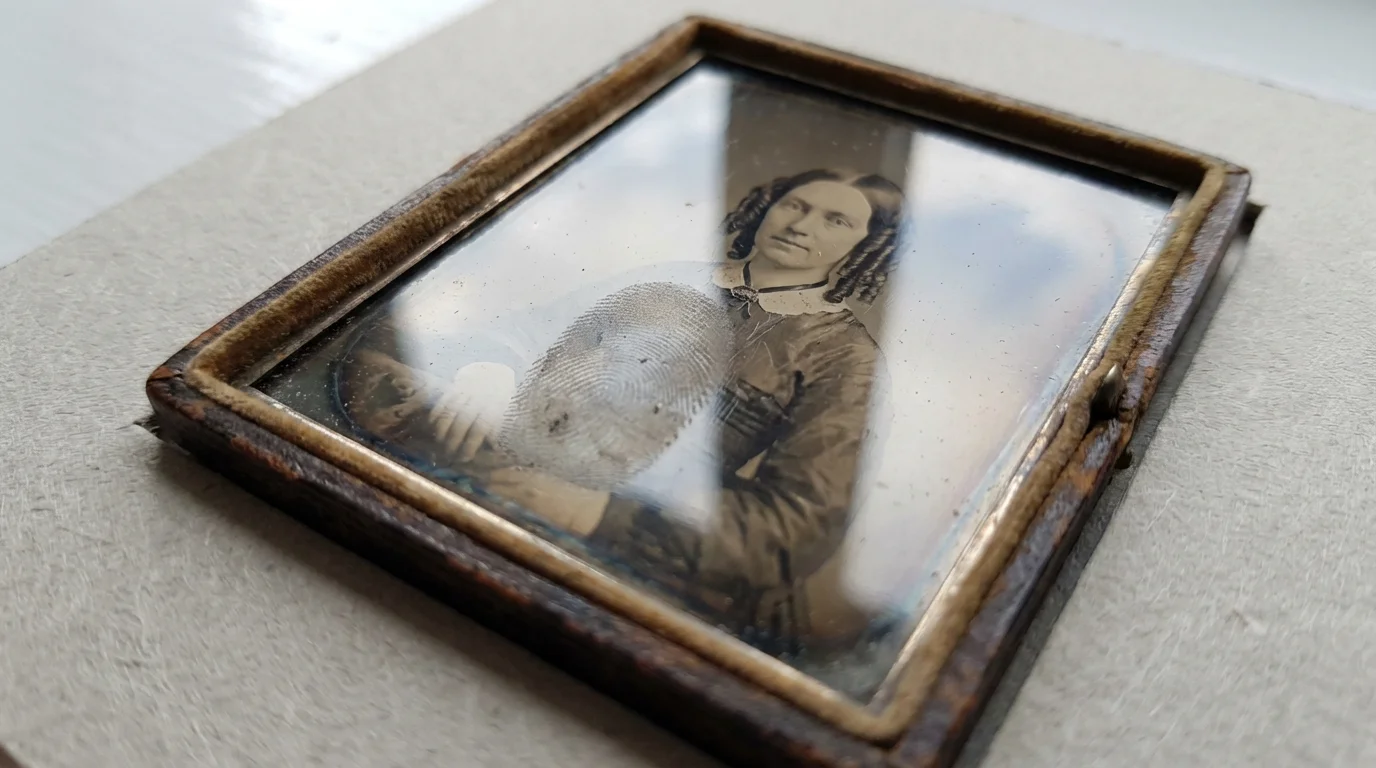
Daguerreotypes present unique preservation challenges due to their delicate composition. The image surface, pure silver, is extraordinarily fragile. Even a slight touch can leave an irreversible fingerprint, while exposure to air and pollutants causes tarnishing. This tarnish, typically silver sulfide, obscures the image. Historically, manufacturers sealed daguerreotypes in small cases behind glass to protect this vulnerable surface. If you find a daguerreotype out of its original case or with a broken seal, it faces immediate danger from oxidation and physical damage.
The protective glass cover also has its own risks. Condensation or moisture trapped inside the case can cause mold growth or corrosion on the silver surface. Additionally, rough handling can dislodge the image plate, placing it directly against the glass or allowing debris to enter. The cases themselves, made from wood, leather, or thermoplastic (often called union cases), also degrade over time. Leather dries and cracks, wood warps, and union cases become brittle. Your proactive daguerreotype care focuses on maintaining the integrity of the original sealed package.
“The daguerreotype image is an atomic layer of silver, susceptible to the slightest abrasion. Its preservation hinges on protecting that surface from touch and environmental contaminants. Maintaining its original sealed enclosure is paramount for long-term survival.”
Preserving Tintype Photos: Robust Yet Requiring Attention
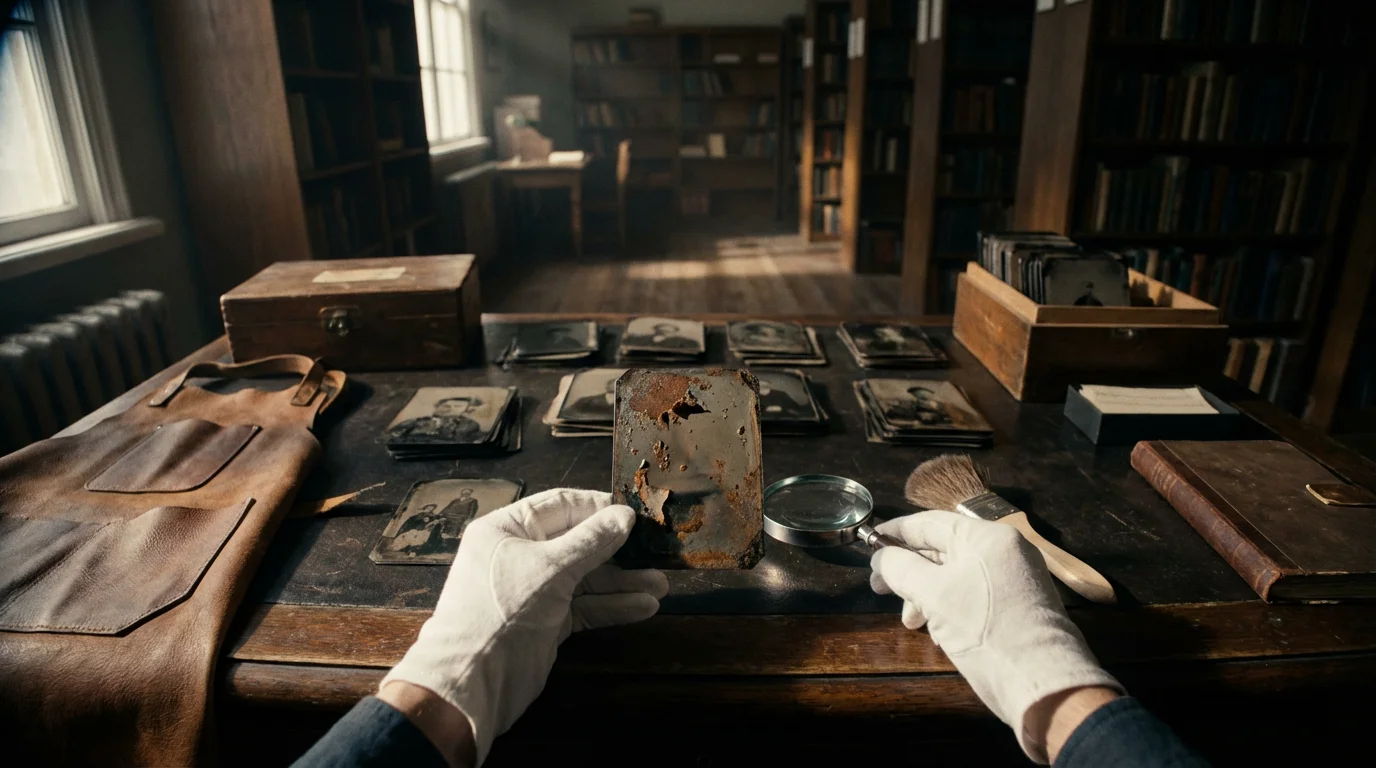
While tintype photos are generally more robust than daguerreotypes, they still require diligent preservation efforts. The iron base makes them sturdy, resistant to bending and cracking, but not impervious to damage. Corrosion of the iron plate, commonly known as rust, poses a significant threat, especially in humid conditions. Rust expands, lifting the photographic emulsion and causing irreversible image loss. Scratches, abrasions, and flaking of the emulsion are also common issues, often exacerbated by improper handling or storage.
If you discover tintypes that have been glued into later scrapbooks, you must learn how to remove photos from old magnetic albums safely to avoid tearing the emulsion.
Tintypes might also suffer from degradation of their protective lacquer or enamel coating. This coating can become brittle, crack, or peel, exposing the underlying iron to moisture. Many tintypes were trimmed with shears, leaving sharp, unprotected edges that easily chip or cause injury. Additionally, adhesives used to mount tintypes in albums or frames can degrade, staining the image or causing chemical reactions that fade the image over time. Effective care for your antique tintype photographs involves protecting them from physical damage and environmental hazards, while ensuring chemical stability.
Environmental Control: The Foundation of Caring for 19th Century Photographs
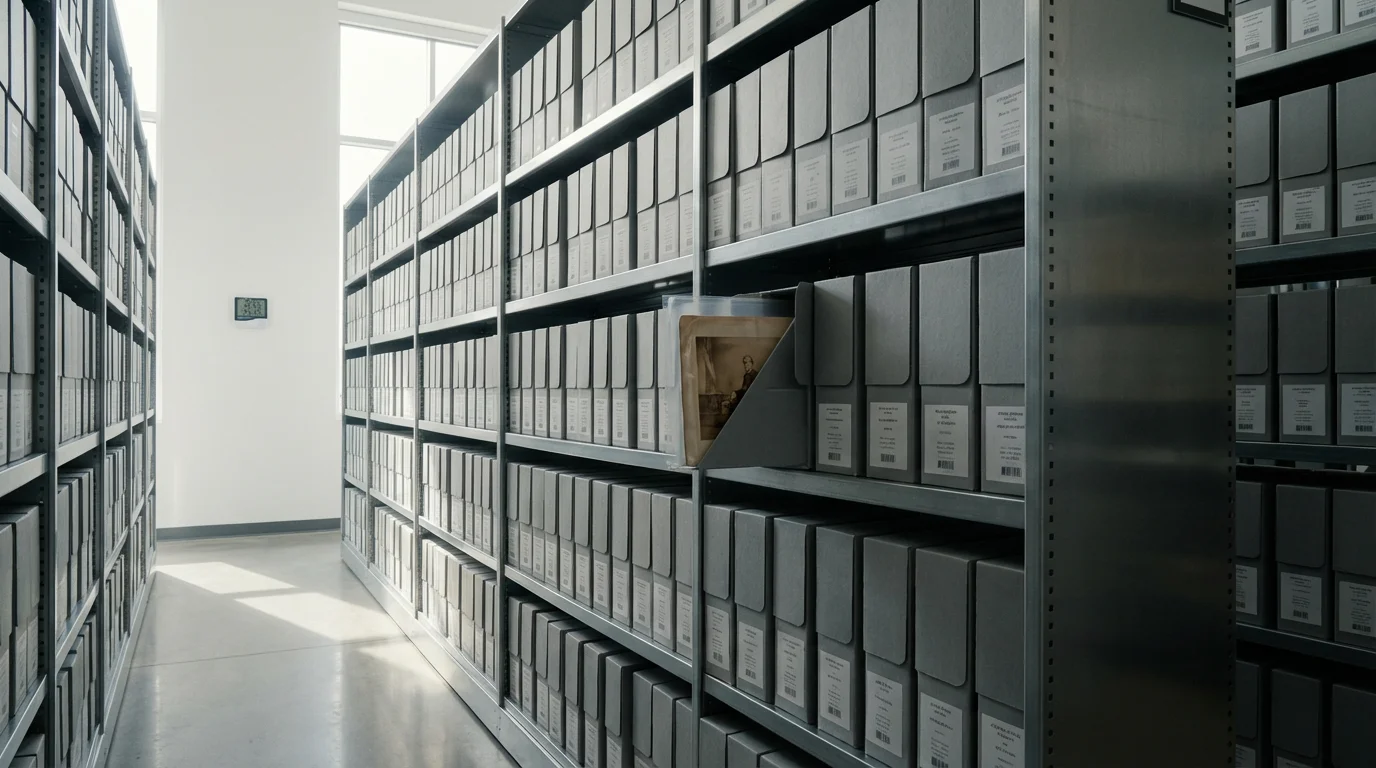
The environment where you store your tintype photos and daguerreotypes significantly impacts their longevity. Fluctuations in temperature and humidity represent the primary threats. High humidity fosters mold growth, accelerates chemical degradation, and causes materials to swell. Low humidity makes materials brittle, leading to cracking and flaking. Extreme temperature changes, especially rapid ones, can cause materials to expand and contract at different rates, leading to physical stress and damage.
For your most irreplaceable 19th-century heirlooms, you may also want to investigate how to preserve photos in a fireproof safe to protect them from physical disasters.
Implementing these standards is a core part of learning how to store old photographs to prevent fading and damage across your entire family collection.
Maintain a stable environment for your vintage photography collection. Aim for a consistent temperature between 65-70°F (18-21°C) and relative humidity levels between 30-50%. Avoid storing photographs in attics, basements, or garages, as these areas typically experience wide environmental swings. Sunlight and artificial UV light also cause irreparable fading and degradation. Store your photographs in dark, interior closets or archival boxes to minimize light exposure. You can monitor temperature and humidity using a simple hygrometer/thermometer, allowing you to make informed adjustments to your storage environment.
Archival Storage: Long-Term Protection for Your Vintage Photography
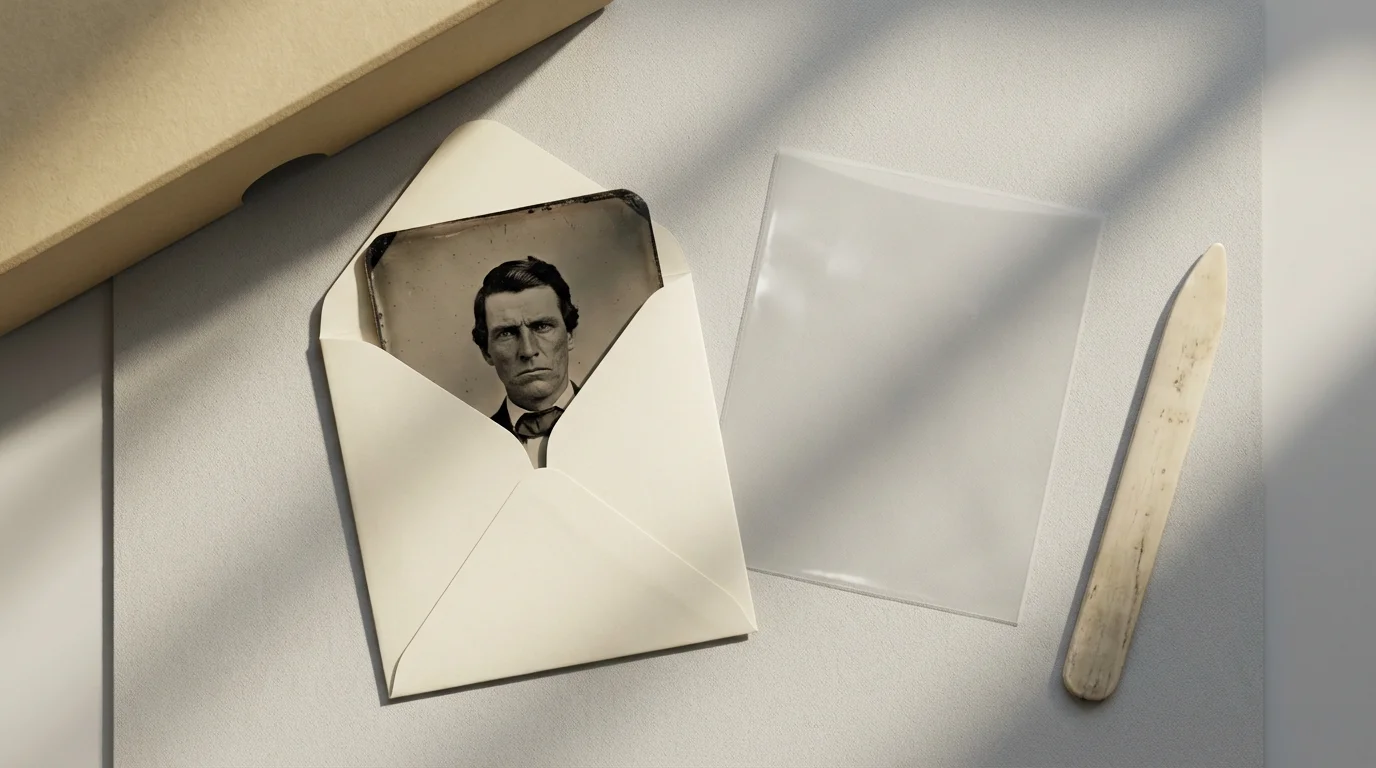
Proper archival storage is crucial for the long-term preservation of your antique tintype photographs and daguerreotypes. Archival materials are chemically stable and inert, meaning they will not react with or degrade your photographs over time. Look for materials labeled “photo safe,” “acid-free,” “lignin-free,” and “PAT passed” (Photographic Activity Test). These certifications ensure the materials meet strict standards for preserving photographic artifacts. Using standard paper or plastic sleeves from office supply stores often introduces acids and chemicals that accelerate deterioration.
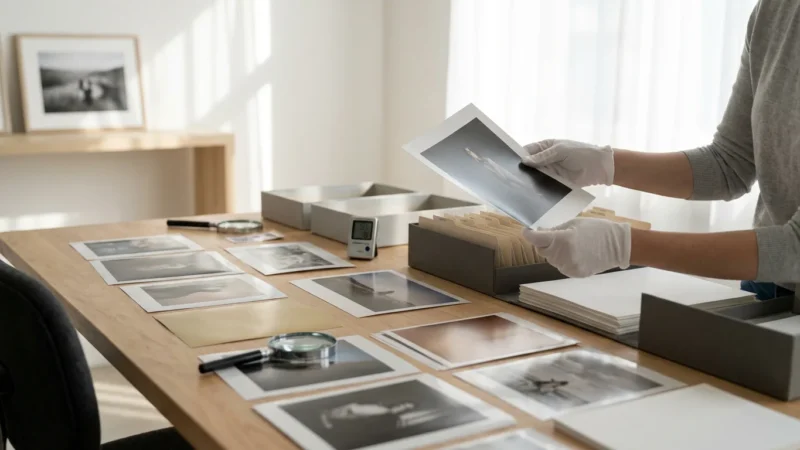
For daguerreotypes, ideally, you preserve them within their original cases. If the case is damaged or missing components, consult a professional conservator. For those still in their cases, place the cased daguerreotype into an archival box or wrap it in acid-free tissue paper for added protection. For tintype photos, place each one into its own individual archival polyester (Mylar D or Melinex 516) sleeve or paper enclosure. Polyester sleeves offer excellent protection while allowing for viewing without direct handling. Ensure these sleeves are open on one or two sides to allow for air circulation. Store these sleeved tintypes flat in acid-free, lignin-free archival boxes.
Here are key archival storage considerations:
- Individual Enclosures: Place each photograph in its own sleeve or folder to prevent abrasion and chemical transfer between images.
- Material Quality: Choose materials certified as “photo safe,” “acid-free,” “lignin-free,” and “PAT passed.”
- Flat Storage: Store photographs flat to prevent bending, creasing, or emulsion cracking. Vertical storage can cause sagging and stress.
- Sturdy Boxes: Use archival-quality boxes that provide structural support and protect against dust, light, and minor physical impacts.
- Avoid Overcrowding: Do not pack boxes too tightly. This prevents damage when retrieving items and allows for some air circulation.
Investing in quality archival supplies protects your historical images, preventing common degradation issues associated with non-archival materials.
Handling Your Antique Tintype Photographs and Daguerreotypes Safely
The way you handle your 19th-century photographs directly impacts their survival. Missteps can cause irreparable damage. Always treat these artifacts with extreme care and respect. Your hands carry oils, dirt, and even corrosive salts that can transfer to the delicate surfaces of tintypes and daguerreotypes, causing permanent marks and accelerated degradation. This is particularly true for daguerreotypes, where a single touch leaves an indelible print.
Follow these essential guidelines every time you handle your vintage photography:
- Wash Your Hands Thoroughly: Before touching any photograph, wash your hands with soap and water, then dry them completely.
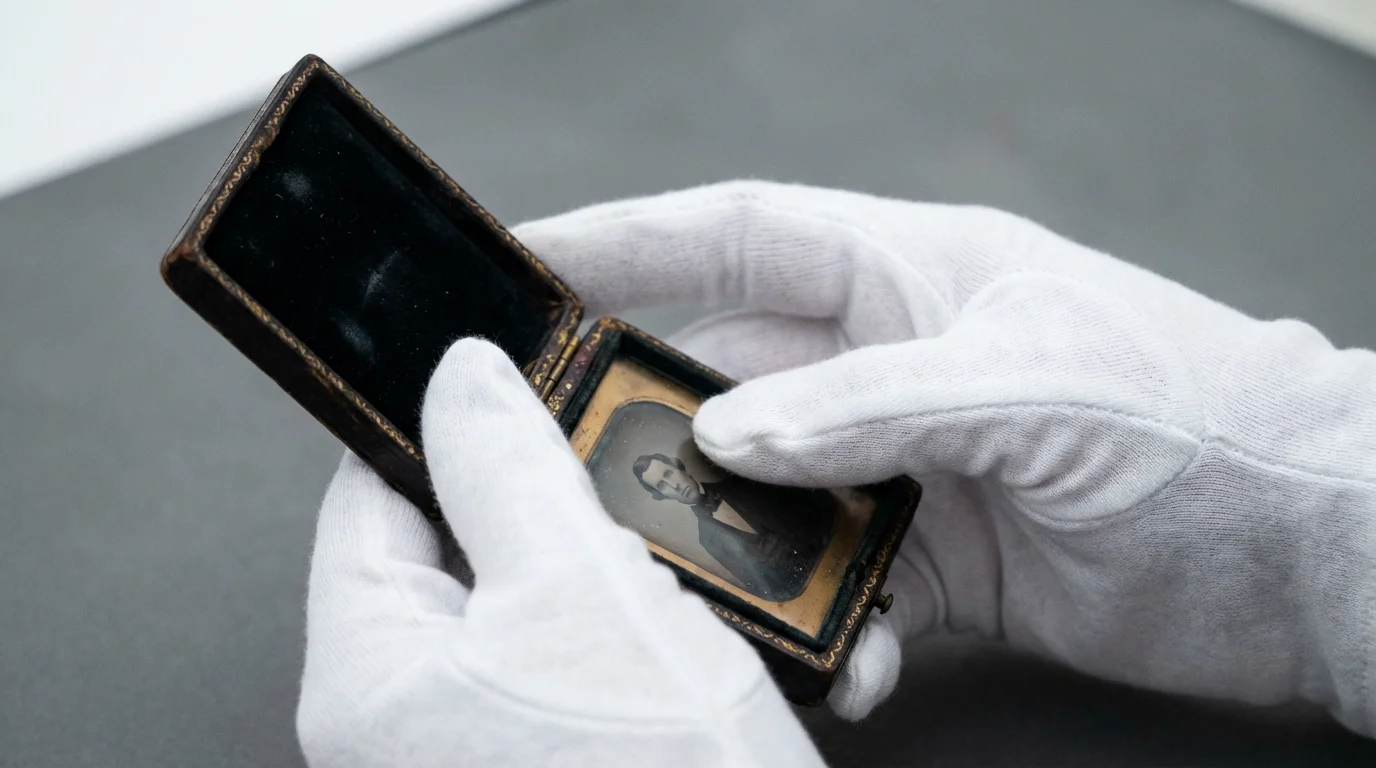
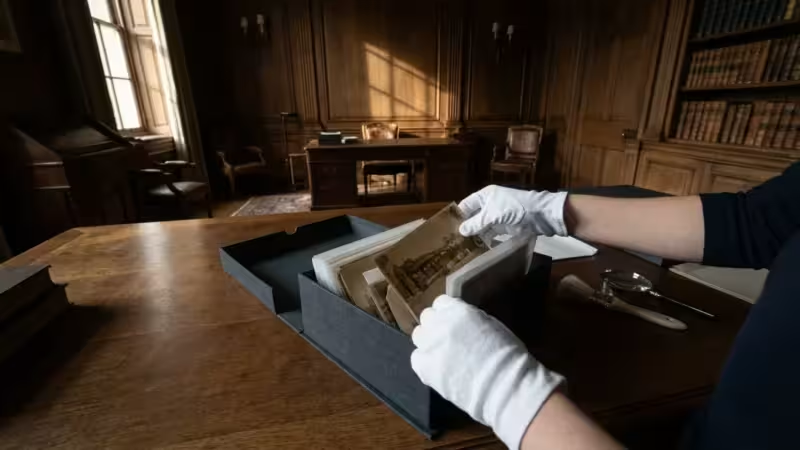
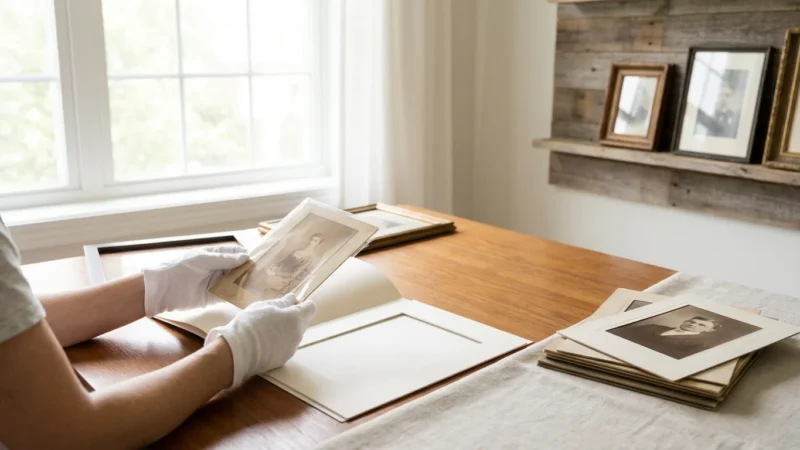
- Wear Cotton or Nitrile Gloves: For an extra layer of protection, wear clean, lint-free cotton gloves or nitrile gloves. These prevent the transfer of oils and dirt from your skin.
- Support the Entire Photograph: Never hold a photograph by one corner. Support it with both hands or place it on a clean, flat surface. For daguerreotypes in cases, handle the case, not the image plate directly.
- Work on a Clean, Clear Surface: Ensure your workspace is clean, dry, and free of food, drinks, and potential hazards like pens or sharp objects.
- Avoid Direct Contact with the Image Surface: This is especially critical for daguerreotypes. If you must view an uncased daguerreotype, hold it by its edges or corners, and avoid touching the reflective surface.
- Limit Handling: Handle photographs only when necessary. The less you touch them, the lower the risk of damage.
Each time you prepare to view or move a daguerreotype, remember its extreme fragility. Even slight vibrations or bumps can dislodge elements within its case. Tintype photos can withstand more handling, but their emulsion remains susceptible to scratching and flaking. Always prioritize protection during handling to ensure your tintype photos and daguerreotypes remain pristine.
Digitization: Creating Digital Backups Responsibly
Digitizing your tintype photos and daguerreotypes provides invaluable digital backups, protecting against the irreversible loss of the physical originals. While digital copies cannot replicate the tactile and historical significance of the original objects, they ensure the images themselves endure. However, perform digitization carefully to avoid damaging the antique photographs.
When you are ready to create high-resolution copies, follow a complete guide on how to scan old photos at home to ensure you capture every detail without damaging the original plate.
Before starting the process, learn how to prepare photos for scanning to ensure the safest possible interaction with these fragile surfaces.
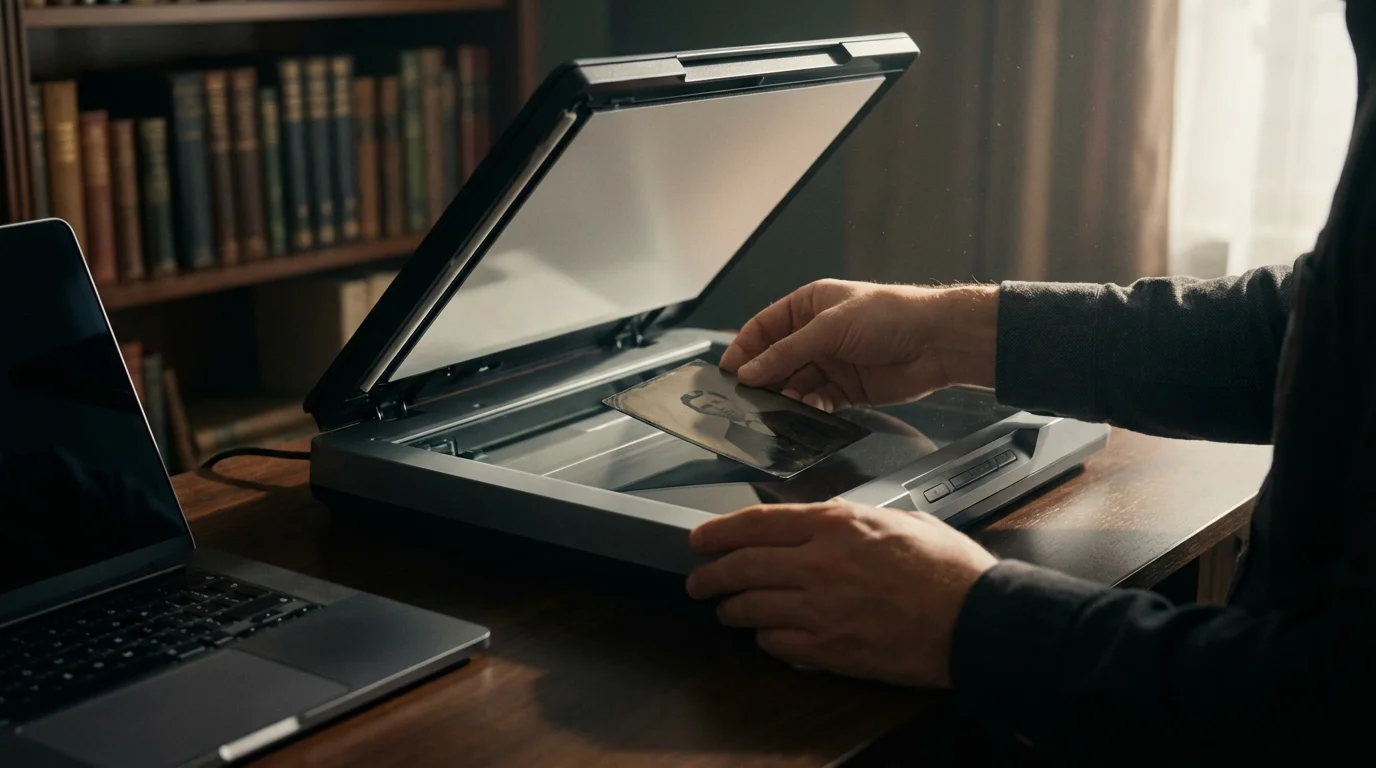
Use a flatbed scanner designed for photographic materials. Place the photograph gently on the scanner bed, face down if possible for tintypes, or face up for cased daguerreotypes if their case prevents flat placement. Avoid pressing down on the photographs. Daguerreotypes, with their reflective surfaces, present a particular challenge for scanning. Reflections from the scanner light or the room can obscure the image. Some people achieve better results by placing a black cloth over the daguerreotype and scanning in a completely dark room, or by using specialized museum-grade equipment. Experiment with different angles and lighting if reflections are an issue. Remember, you want to capture the image without touching its delicate surface.
Scan images at a high resolution, at least 600 dpi (dots per inch), and save them in a lossless file format such as TIFF. This captures maximum detail and preserves image quality for future use and potential restoration. After scanning, store the digital files on multiple hard drives, cloud storage, or other reliable backup solutions. The goal is to create a digital archive that mirrors your physical one, ensuring your family’s visual heritage persists even if the originals face unforeseen harm. Learn more about digital preservation strategies from trusted sources like the National Archives Preservation website.
When to Call an Expert: Professional Conservation for Irreplaceable Images
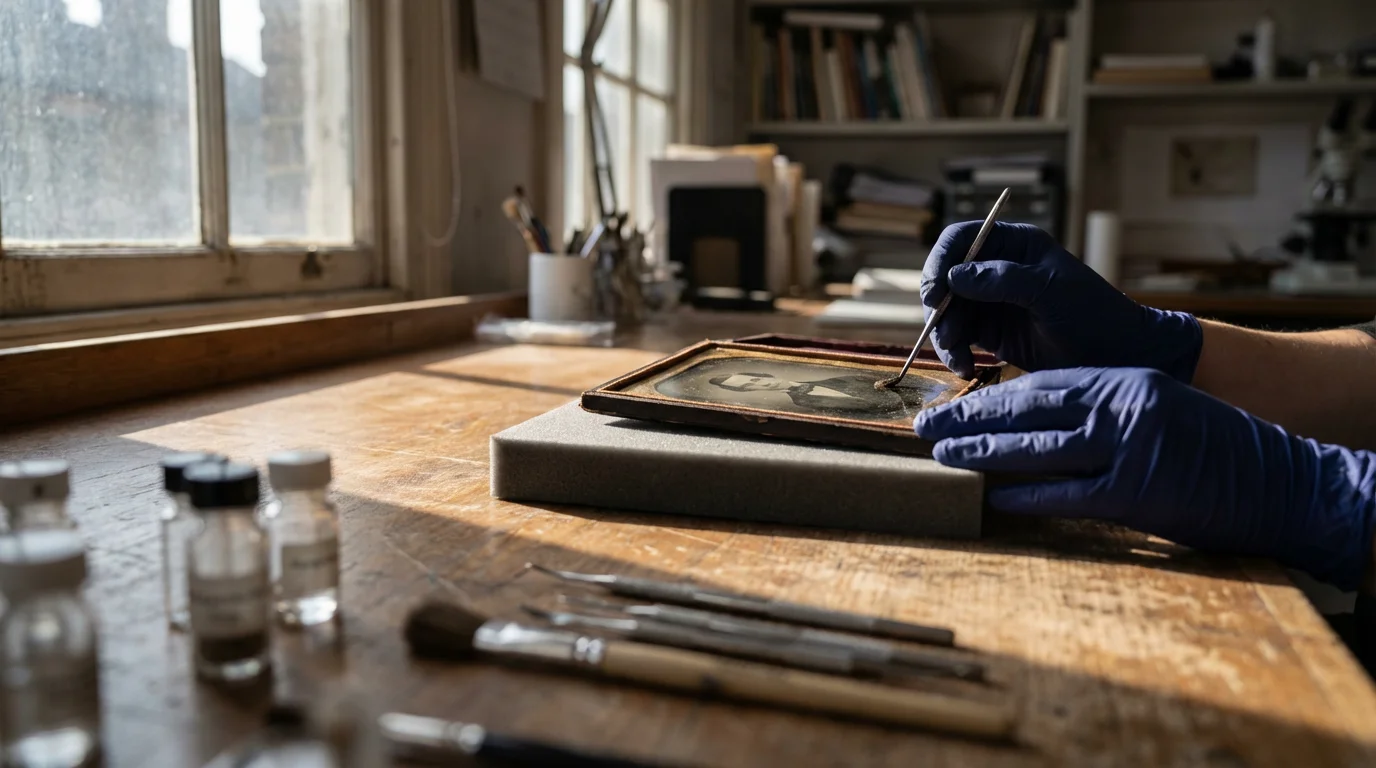
For photographs showing signs of severe damage, deterioration, or if you feel unsure about proper care, consult a professional photographic conservator. Conservators possess specialized knowledge, tools, and materials to stabilize and treat antique photographs safely. Attempting complex repairs or cleaning yourself often causes more harm than good, especially with highly sensitive materials like daguerreotypes.
Before hiring an expert, it is helpful to understand what professional photo restoration services can offer for fragile 19th-century images.
Seek professional help if you observe any of the following issues:
- Severe tarnishing or corrosion on a daguerreotype.
- Flaking or lifting emulsion on tintype photos.
- Broken, cracked, or severely deteriorated daguerreotype cases.
- Mold growth on either type of photograph.
- Stains, tears, or significant physical damage.
- You suspect previous attempts at repair caused further damage.
A conservator can safely open sealed daguerreotype cases, clean the silver surface if appropriate, repair cases, and stabilize tintype photos to prevent further degradation. They use reversible methods and archival materials, ensuring the integrity and historical value of the object. Find certified conservators through organizations like the American Institute for Conservation. They are best equipped to handle the unique challenges of caring for 19th-century photographs. Do not underestimate the value of expert intervention for your most precious family artifacts.
Common Mistakes to Avoid in Daguerreotype Care and Tintype Preservation
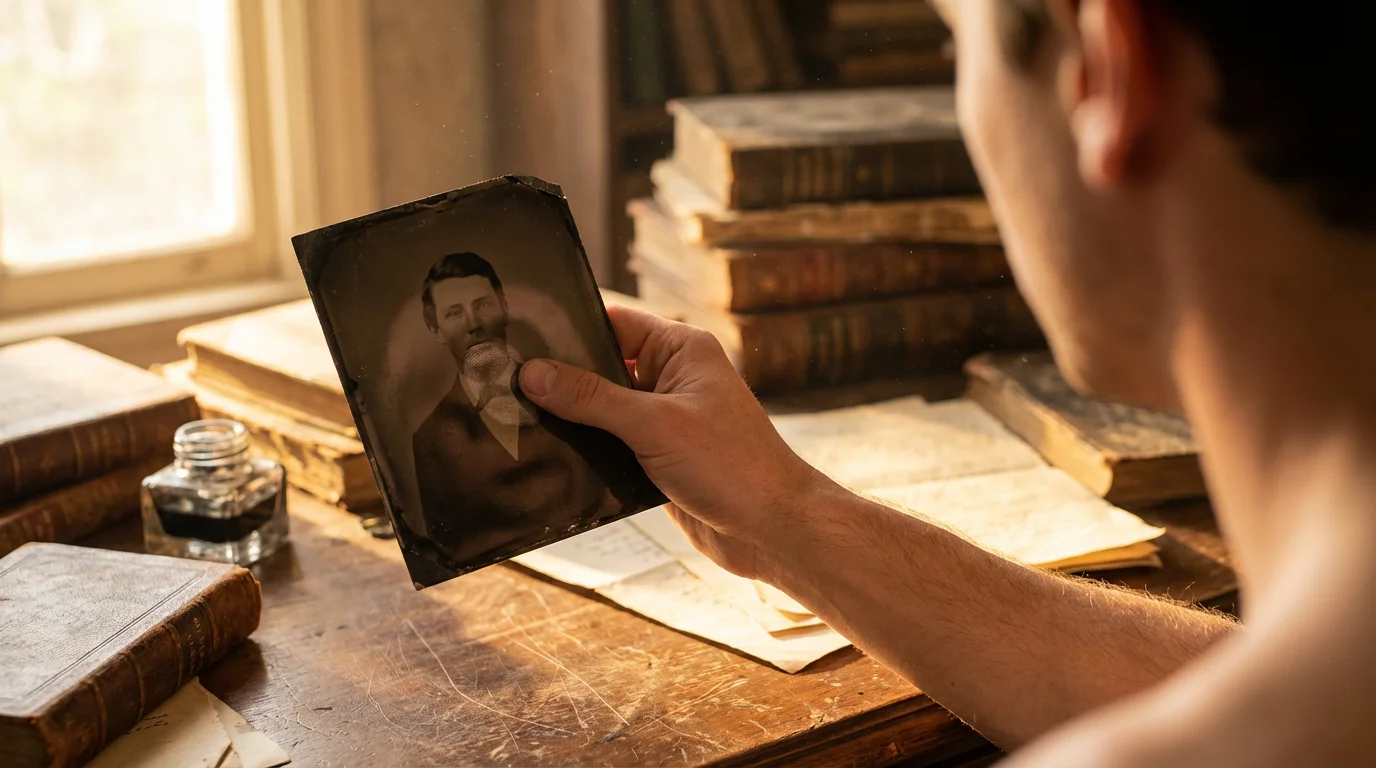
Many common practices, though well-intentioned, can inadvertently damage your vintage photography collection. Avoiding these pitfalls is as crucial as implementing proper care techniques. Ignorance of the delicate nature of these historical objects often leads to irreversible harm.
Here are critical mistakes to avoid:
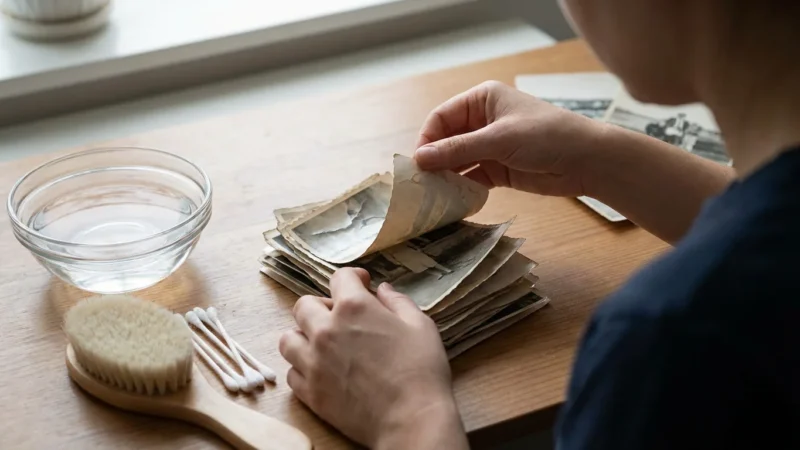
- Cleaning the Image Surface: Never attempt to clean a daguerreotype or tintype yourself using commercial cleaners, polishes, or even water. This will permanently damage the delicate image layer. Daguerreotypes especially react poorly to any chemical or physical cleaning by untrained hands.
- Removing from Original Cases: For daguerreotypes, the original sealed case provides essential protection. Removing it unnecessarily exposes the image to oxygen and physical damage.
- Storing in Non-Archival Materials: Using regular paper envelopes, cardboard boxes, or PVC plastic sleeves introduces acids and chemicals that stain, fade, and degrade photographs over time.
- Using Adhesives: Never use tape, glue, or self-adhesive photo corners directly on tintype photos or daguerreotype cases. These adhesives cause staining, chemical reactions, and can permanently bond to the photograph.
- Writing on the Back of Photographs: Writing directly on the back of tintypes with ink can create indentations that show through to the front or cause chemical off-gassing that harms the image. If you must label, use an archival pencil on the back of an archival sleeve or a separate piece of archival paper.
- Exposing to Sunlight or Fluorescent Light: Prolonged exposure to any light source, particularly direct sunlight or fluorescent light, causes irreversible fading and discoloration.
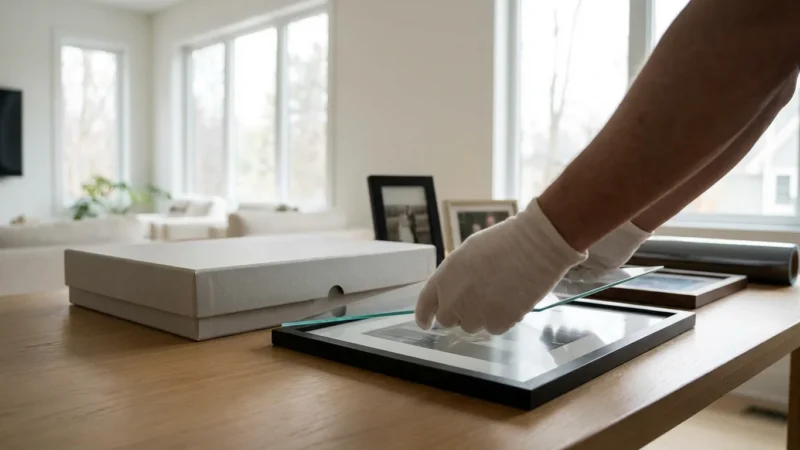
- Displaying in Unprotected Frames: If you display a tintype, ensure it is matted with acid-free materials and framed with UV-filtering glass. Display daguerreotypes in their original cases, and consider a protective display case for the cased image itself.
By understanding and actively avoiding these common mistakes, you significantly improve the chances of your tintype photos and daguerreotypes surviving intact for future generations. Responsible daguerreotype care and tintype preservation involve thoughtful, informed decisions.
Frequently Asked Questions
What is the best way to clean a tarnished daguerreotype?
Do not attempt to clean a tarnished daguerreotype yourself. The image surface is extremely delicate and easily damaged. Cleaning daguerreotypes requires highly specialized conservation techniques and materials only a professional conservator should perform. Attempting to clean it can permanently destroy the image.
Can I safely touch the surface of a tintype photo?
While tintype photos are more robust than daguerreotypes, avoid touching the image surface directly. Your fingertips leave oils and residues that can attract dust, cause discoloration, or accelerate degradation of the emulsion. Always wear clean cotton or nitrile gloves when handling tintypes, or hold them by their edges.
How can I identify if I have a tintype or a daguerreotype?
Daguerreotypes feature a highly reflective, mirror-like surface and often appear as a positive image from one angle and a negative from another. They are typically housed in sealed cases. Tintype photos have a matte or semi-glossy surface, are non-reflective, and appear on a thin sheet of iron, often feeling somewhat rigid and metallic. You can usually attract a magnet to a tintype due to its iron base, but this test is not recommended for frequent use. Daguerreotypes do not attract magnets.
Is it okay to store daguerreotypes and tintypes together in the same box?
Yes, you can store them in the same archival box, provided each photograph is in its own individual archival enclosure. This prevents physical abrasion and chemical interaction between different types of photographic materials. Ensure the box is acid-free, lignin-free, and sturdy.
What temperature and humidity are ideal for storing these antique photos?
Maintain a stable environment with temperatures between 65-70°F (18-21°C) and relative humidity levels between 30-50%. Avoid significant fluctuations, as these cause material stress and accelerated degradation. Stable conditions are crucial for preserving your 19th-century photographs.
Disclaimer: This article is for informational purposes only. When handling valuable or irreplaceable photographs, consider consulting a professional conservator. Always test preservation methods on non-valuable items first.



Leave a Reply