
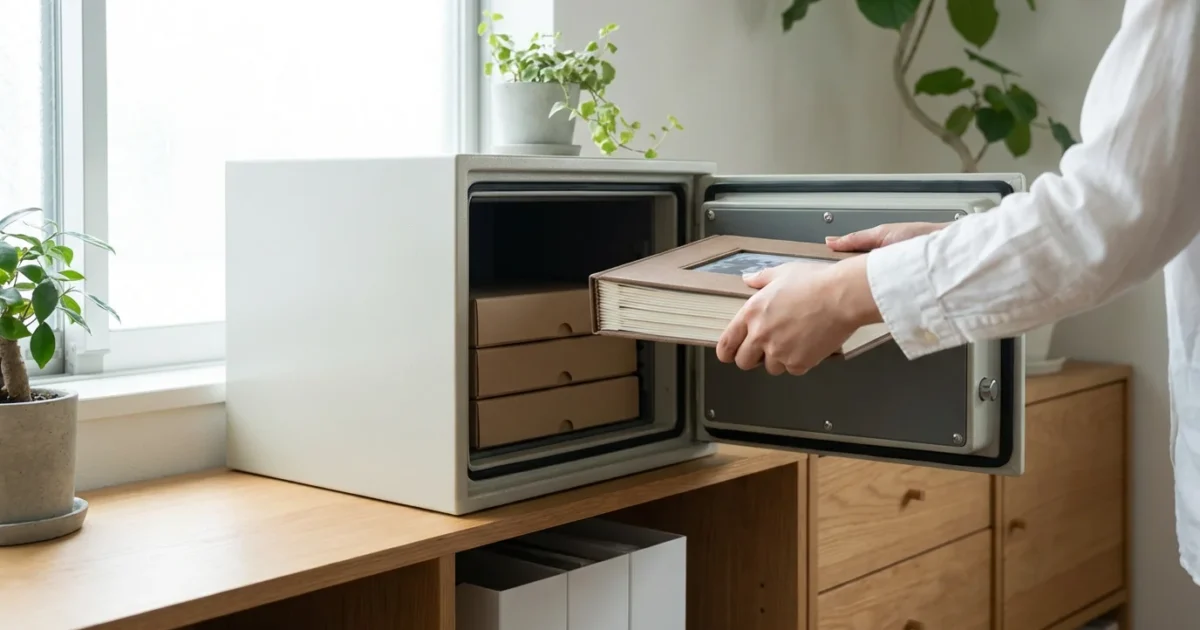
Your photographs represent more than just images; they are tangible links to your past, capturing moments, people, and stories that define your family’s heritage. Protecting these irreplaceable memories from potential disasters, particularly fire, becomes a paramount concern. A fireproof safe offers a critical layer of defense, but simply placing your photos inside without proper preparation can inadvertently cause damage. You need a strategic approach to ensure your precious prints, negatives, and digital backups survive extreme conditions while also preventing long-term degradation.
Before you begin, you may want to declutter your photo collection to ensure you are only preserving the most meaningful and high-quality images.
This guide provides a comprehensive framework for selecting the right fireproof safe and preparing your photographic collection for secure, archival-quality storage. You will learn about crucial safe features, effective pre-storage preparation for physical prints, and the integration of digital backup strategies. Equip yourself with the knowledge to safeguard your photographic legacy against the unexpected.
Understanding Fireproof Safes: More Than Just a Box
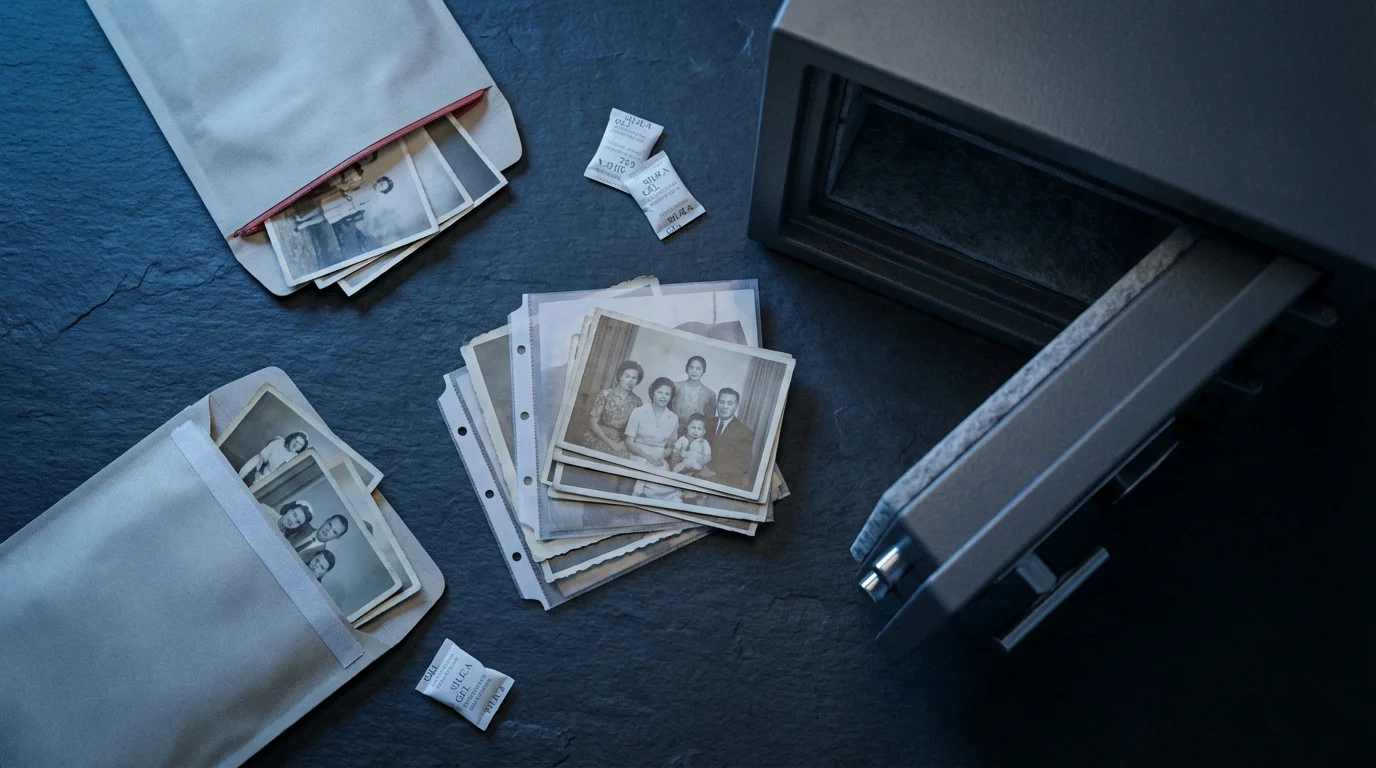
When you consider a fireproof safe for your photographs, you are looking for more than a sturdy metal box. You require a specialized enclosure designed to protect contents from intense heat and, crucially, from the moisture often associated with fire suppression efforts. Fireproof safes undergo rigorous testing to achieve specific ratings, informing you about their protective capabilities. These ratings are not universal across all types of materials you might store.
If your safe is ever compromised by moisture from firefighting efforts, it is vital to know how to restore water-damaged photos to save your family history.
Decoding Fire Ratings
The most recognized standard for fire resistance comes from Underwriters Laboratories (UL). UL 72 is the standard for fire resistance of record protection equipment. Understanding these ratings helps you choose the correct level of fire protection for your valuable photographs and digital media:
- UL Class 350: This rating indicates the safe maintains an internal temperature below 350°F (177°C) for a specified duration (e.g., 1/2 hour, 1 hour, 2 hours). It protects paper documents from ignition and significant damage. While photographs are paper-based, they contain emulsions and dyes that can degrade at temperatures lower than 350°F. Paper documents generally survive this temperature, but photo quality may suffer.
- UL Class 125: This is the superior rating you should prioritize for sensitive materials, including photographic negatives, slides, and digital media. A Class 125 safe maintains an internal temperature below 125°F (52°C) and, importantly, keeps internal humidity below 80% for the rated duration. Digital media like hard drives, USB sticks, and optical discs are highly susceptible to heat and humidity. Exceeding 125°F or 80% humidity can cause irreparable data loss. Photos also benefit significantly from these lower temperatures and controlled humidity levels, which prevent emulsion melting, color shifts, and sticking.
Always verify both the temperature and humidity ratings, especially when storing a mix of prints, negatives, and digital backups. A safe rated for Class 125 provides superior protection for your entire photographic collection.
Water Resistance: A Critical Companion to Fire Protection
Fire seldom occurs in isolation. Fire suppression efforts often involve water from sprinklers or fire hoses, posing a significant threat to unprotected contents. Many fireproof safes also offer water resistance, indicated by a separate water-resistance rating. Look for safes that specifically mention protection against water intrusion due to sprinklers, fire hoses, or even flooding. A gasketed door and robust construction typically provide this additional layer of defense. Prioritize a safe offering both fire and water protection to truly safeguard your memories.
Assessing Your Photo Collection for Fire Protection
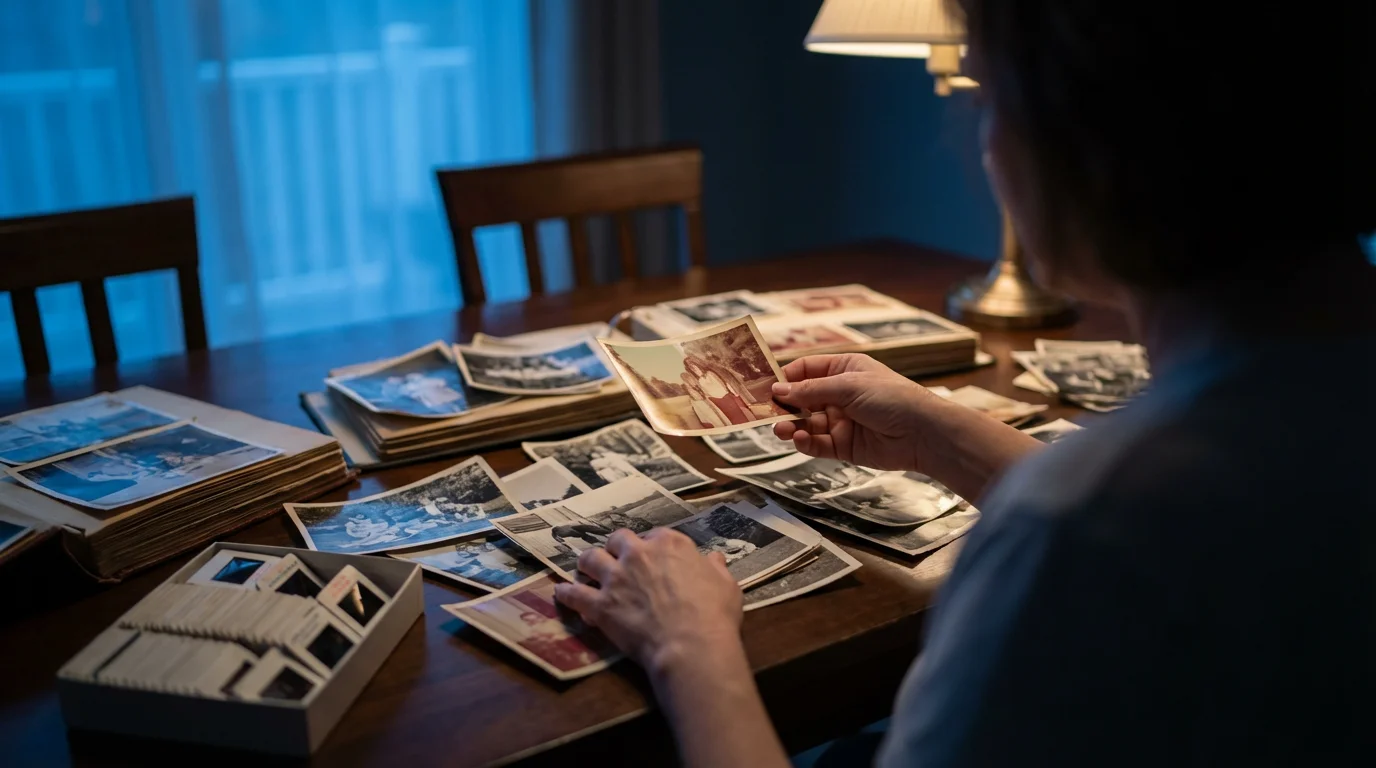
Before you even consider purchasing a safe, you must understand what you need to protect. This assessment helps you prioritize and plan your storage strategy for fire protection, focusing your efforts on your most valuable and irreplaceable photographic assets.
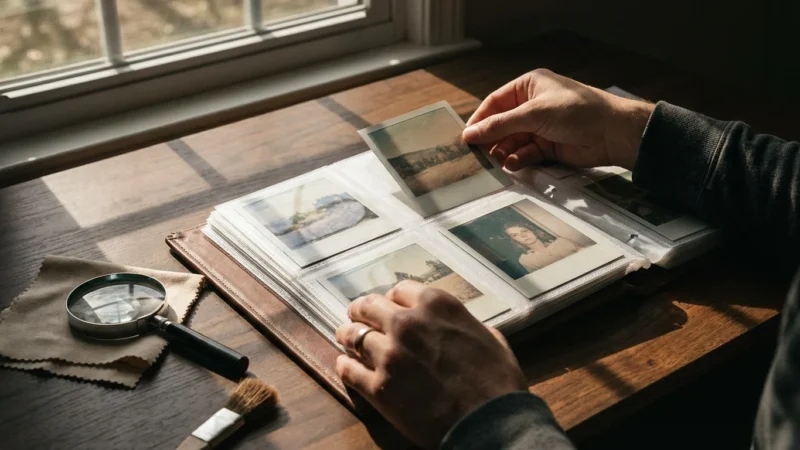
For those with bound memories, learning how to scan photo albums ensures every page is digitally preserved before the physical album is stored.
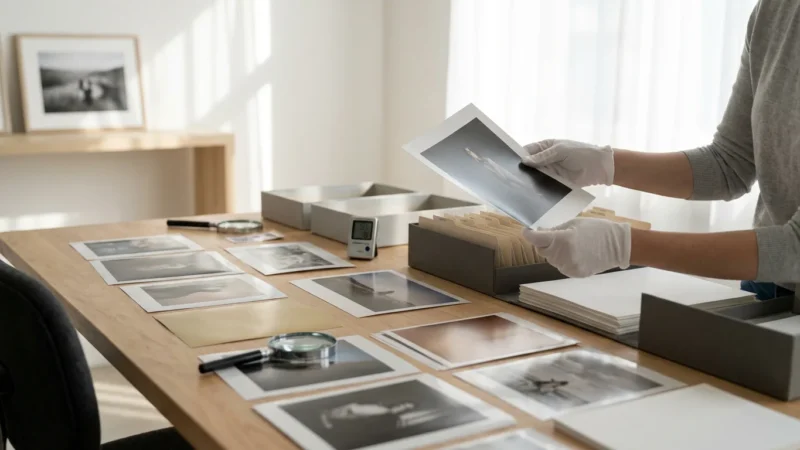
Establishing a home photo archive using best practices ensures your collection is organized and cataloged before you prioritize items for fire protection.
Prioritizing Your Photographic Treasures
You likely possess a varied collection: original prints, negatives, slides, photo albums, and countless digital images. Not every item holds the same level of irreplaceable value. Start by identifying your “heritage core,” those photographs that you simply cannot replace. This typically includes:
- Unique Originals: One-of-a-kind prints, especially those from historical family events or featuring ancestors.
- Negatives and Slides: These are the master copies for many traditional photographs. A negative allows you to create new prints if an original is lost or damaged. Protecting your negatives is often more critical than protecting a single print.
- Irreplaceable Documents with Photos: Family documents that include attached or embedded photographs, such as old passports or historical records.
- Original Digital Files: The initial capture files (RAW, high-resolution JPEGs) of your most important digital photos.
While you want to preserve as much as possible, focusing your most robust fire protection efforts on these core items makes your disaster preparedness plan more manageable and effective.
The Foundational Importance of Digitization
Digitizing your entire physical photo collection serves as your most powerful disaster preparedness strategy, even more so than a fireproof safe alone. Digital copies provide an ultimate backup that you can store offsite, safe from any localized disaster affecting your physical home. Imagine losing your physical photos in a fire; having high-resolution digital scans means you can reprint them, albeit without the original artifact. Implement a comprehensive digitization process for all your important prints and negatives. Once digitized, you can store these digital copies on multiple media, including cloud storage, offering unparalleled security.
For guidance on quality scanning, you might refer to resources such as the National Archives Preservation guidelines, which emphasize best practices for creating archival digital copies.
Preparing Physical Photographs for Fireproof Storage
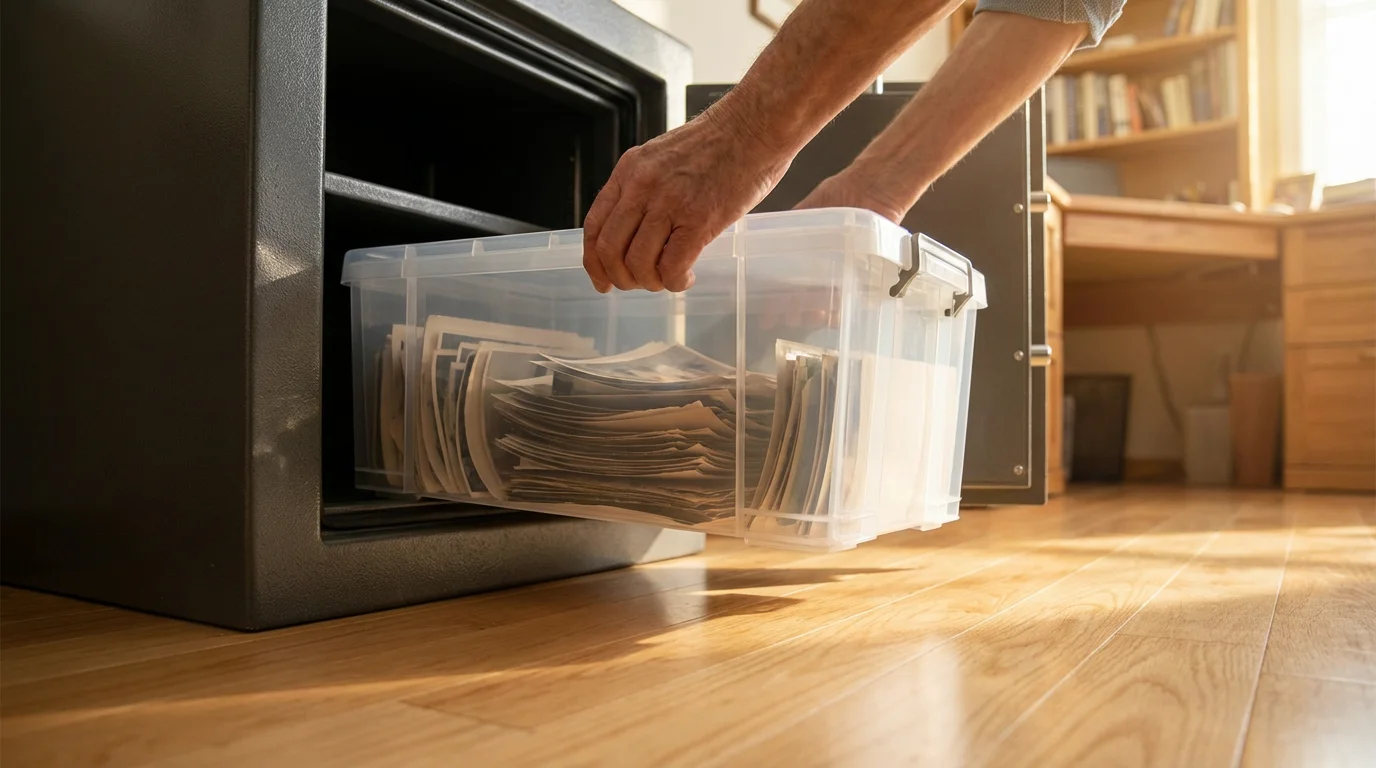
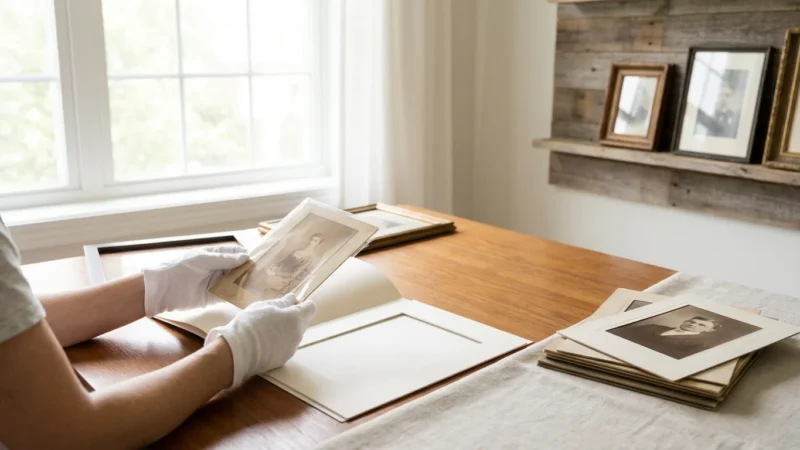
You cannot simply toss loose photographs into a fireproof safe. The internal environment of a fireproof safe, particularly its humidity levels, can be detrimental to photos if you do not prepare them correctly. Proper preparation involves cleaning, using archival materials, and organizing your collection to withstand adverse conditions and ensure long-term preservation.
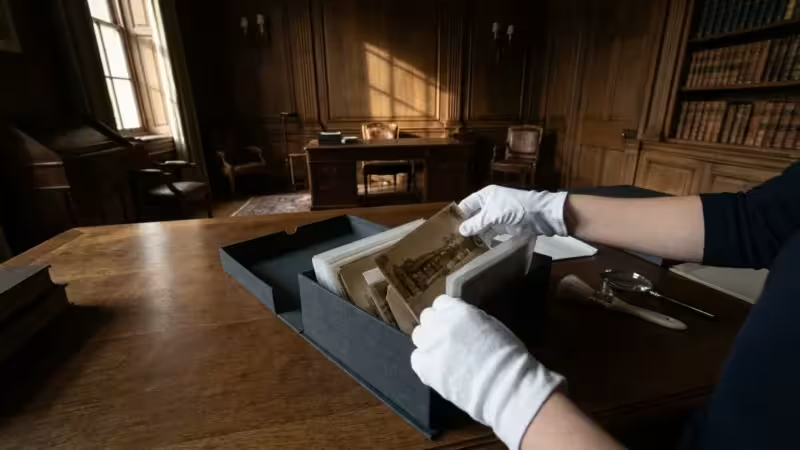
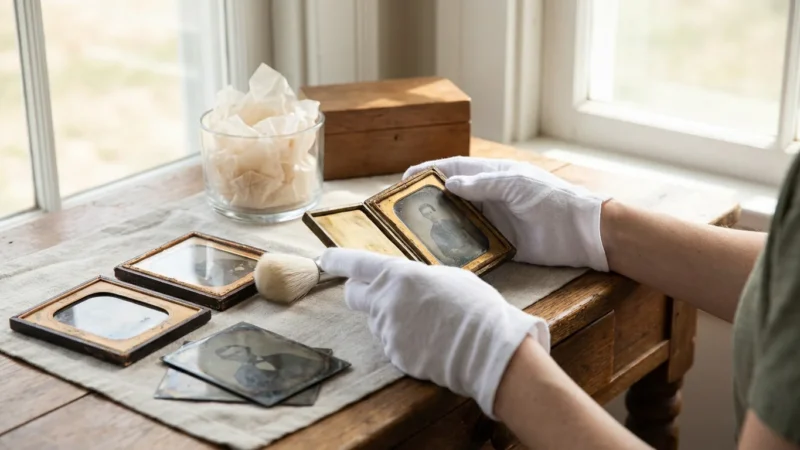
It is also critical to understand the proper way to handle antique photographs to prevent skin oils or rough touch from damaging fragile surfaces during the preparation process.
Cleaning Your Photographs Gently
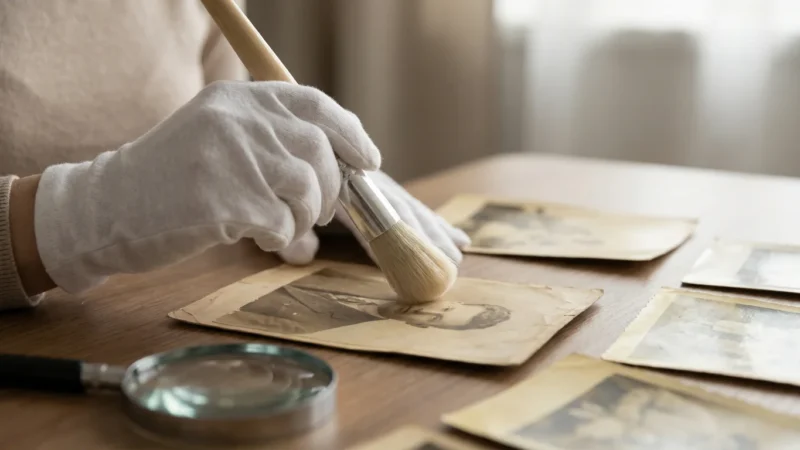
Before any long-term storage, ensure your photos are clean and free of surface dust and debris. Use a soft, lint-free cloth or a photographic brush to gently dust the surface. Avoid chemical cleaners, water, or abrasive materials, as these can easily damage photo emulsions or cause irreversible staining. For stubborn dirt or mold, consult a professional conservator. Attempting to clean severely damaged or fragile photos yourself often causes more harm than good.
The Imperative of Archival Sleeves and Enclosures
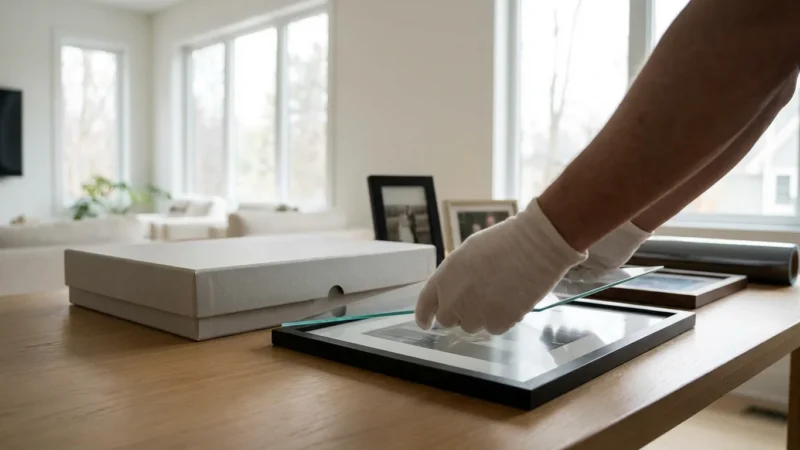
Direct contact with the interior materials of a safe, or even other photos, can cause chemical degradation over time. You must house your photographs in archival-quality materials before placing them in a fireproof safe. These materials protect against physical damage, environmental fluctuations, and harmful chemical reactions.
- Acid-Free and Lignin-Free Materials: Standard paper and cardboard contain acids and lignin that degrade over time, releasing chemicals that yellow and embrittle photographs. Always choose products explicitly labeled “acid-free” and “lignin-free” for all your storage needs.
- Inert Plastics: For sleeves and clear enclosures, select inert plastics like polypropylene, polyester (Mylar D), or polyethylene. Avoid PVC (polyvinyl chloride) at all costs. PVC off-gasses plasticizers that can stick to photographs, causing irreversible damage and yellowing. Always check the material composition when purchasing photo sleeves.
- Individual Sleeving: Each important print, negative, and slide should reside in its own individual archival sleeve. This prevents photos from sticking together, protects surfaces from scratches, and minimizes the transfer of any potential contaminants.
- Archival Boxes and Folders: After sleeving, store your photos in archival-quality, acid-free boxes or folders. These provide a buffered environment and offer additional physical protection within the safe. Choose boxes that fit your photos snugly but do not compress them.
For more detailed guidance on archival materials, you can consult resources from the Library of Congress Preservation website, which offers extensive information on proper material selection.
Avoiding Harmful Materials
You must remove any non-archival materials before storing photos. This includes:
- Rubber Bands and Paper Clips: These items contain chemicals that leach into photos, causing permanent marks and degradation. Rubber bands also harden and stick over time.
- Adhesive Tapes and Glues: These are notorious for causing irreversible staining, yellowing, and brittleness.
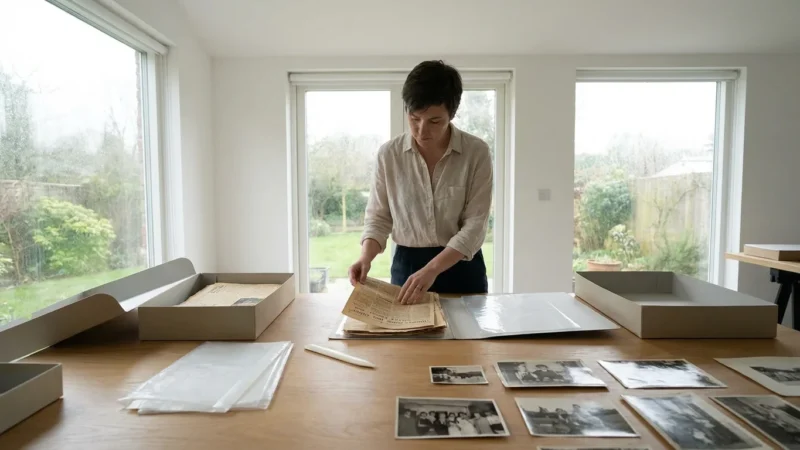
- Newspaper Clippings and Non-Archival Paper: Newsprint is highly acidic and will quickly transfer acid to any photos it touches. Even standard writing paper can be detrimental over time. Transfer any identifying information from these materials onto archival paper or directly onto the archival sleeve with a pencil or archival pen.
By investing in proper archival materials and meticulously preparing your photographs, you create a stable microenvironment for them, even within the challenging conditions of a fireproof safe.
Choosing the Right Fireproof Safe for Photo Storage
Selecting the optimal fireproof safe for your photo storage requires careful consideration of its specific features and ratings. You need a safe that not only withstands extreme heat but also controls internal humidity, which is equally critical for photographic materials and digital media.
Specialized media, such as caring for tintype and daguerreotype photos, often require the most stable temperature environments that high-quality safes provide.
Fire Rating: Your Primary Consideration
As previously discussed, prioritize a safe with a UL Class 125 fire rating. This rating guarantees the internal temperature remains below 125°F (52°C) and humidity stays below 80% for the specified duration (e.g., one hour, two hours). A Class 125 safe is essential for negatives, slides, and all digital media. While Class 350 protects paper, the lower temperature and humidity control of a Class 125 safe offer a much higher margin of safety for the sensitive emulsions and dyes in your photographs. This becomes especially important if you are storing a mix of prints, negatives, and digital backups together.
Water Resistance: An Indispensable Feature
Fire and water often go hand-in-hand during an emergency. Ensure your chosen safe has a strong water-resistance rating. Look for safes advertised to protect against sprinkler systems, fire hoses, and even short-term submersion. A good water seal, often provided by a sturdy gasket around the door, prevents water from seeping in and damaging your moisture-sensitive photos and media.
Size and Capacity: Planning for Today and Tomorrow
Assess your current collection and anticipate future growth. Consider not only the volume of prints and negatives but also the space required for archival boxes, sleeves, and any external hard drives or backup media. Purchase a safe slightly larger than your immediate needs to accommodate future additions. Overcrowding a safe can make retrieval difficult and potentially damage items.
Security Features: Protecting Against Theft
While the primary goal is fire protection, a safe also offers security against theft. Consider the type of locking mechanism: combination locks, electronic keypads, or biometric scanners. Choose a system you find reliable and easy to operate. For added security, many safes offer bolt-down kits, allowing you to anchor the safe to the floor. This prevents thieves from simply carrying the safe away. Ensure the safe’s construction is robust, with solid steel walls and door, to deter forced entry.
Internal Environment: Managing Humidity
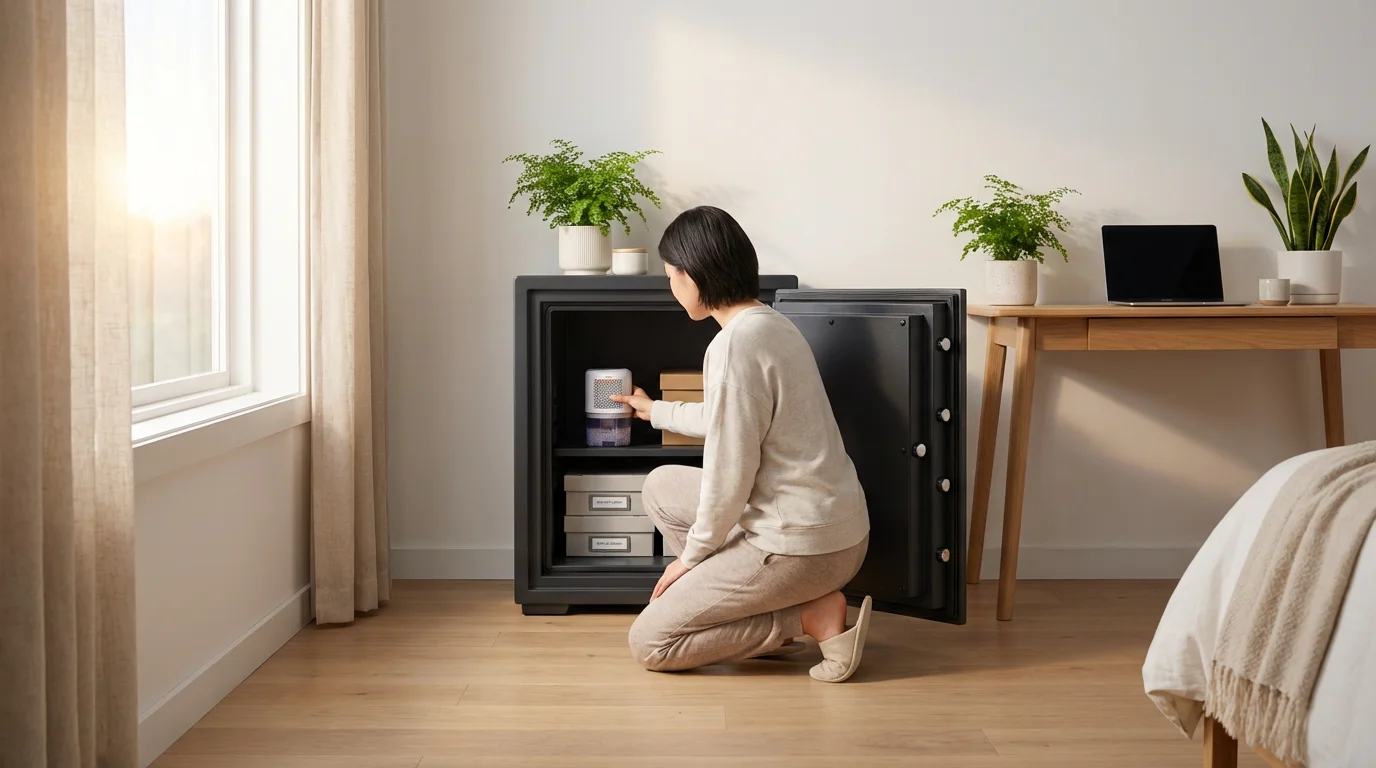
Even Class 125 safes, while controlling humidity during a fire, can still experience elevated humidity levels during normal storage, especially in humid climates or basements. Some safes come with internal dehumidifiers or provisions for desiccants. This aspect directly impacts the long-term preservation of your photographs. You will need to actively manage the internal humidity, which we will discuss in detail in the next section.
“A common misconception is that ‘fireproof’ means impervious to all damage. For photographs, it’s not just the flame but the heat and moisture within the safe that pose a threat. Always opt for a UL Class 125 media safe to truly protect your film and digital heritage.”
Maintaining the Ideal Environment Inside Your Safe
The greatest challenge in using a fireproof safe for photographs, after ensuring fire and water protection, is managing the internal microclimate. Fireproof safes are designed to trap moisture during a fire to create steam, which helps keep the internal temperature down. This high humidity, however, can be extremely detrimental to photographs over time under normal storage conditions. You must actively control humidity to prevent mold, mildew, emulsion sticking, and degradation.
Combating Humidity with Desiccants
Desiccants are substances that absorb moisture from the air, effectively lowering the humidity inside an enclosed space. Silica gel is the most common and effective desiccant for safe storage.
- Types of Silica Gel: You can find indicating silica gel, which changes color (often from blue to pink or orange to green) when it has absorbed its maximum moisture, signaling it needs regeneration. Non-indicating silica gel does not change color but performs the same function.
- How to Use: Place several pouches or containers of silica gel inside your safe. Distribute them strategically to absorb moisture evenly. The amount needed depends on the size of your safe and the ambient humidity.
- Regeneration: When indicating silica gel changes color, it is saturated and no longer effective. You can regenerate most silica gel by heating it in a conventional oven at a low temperature (e.g., 200-250°F or 90-120°C) for several hours. This drives out the absorbed moisture, allowing you to reuse it. Always follow the manufacturer’s instructions for regeneration.
- Regular Rotation: Regularly check your silica gel and rotate or regenerate it as needed, particularly if you live in a humid climate. You might need to rotate it monthly or quarterly.
Monitoring Humidity Levels: The Hygrometer
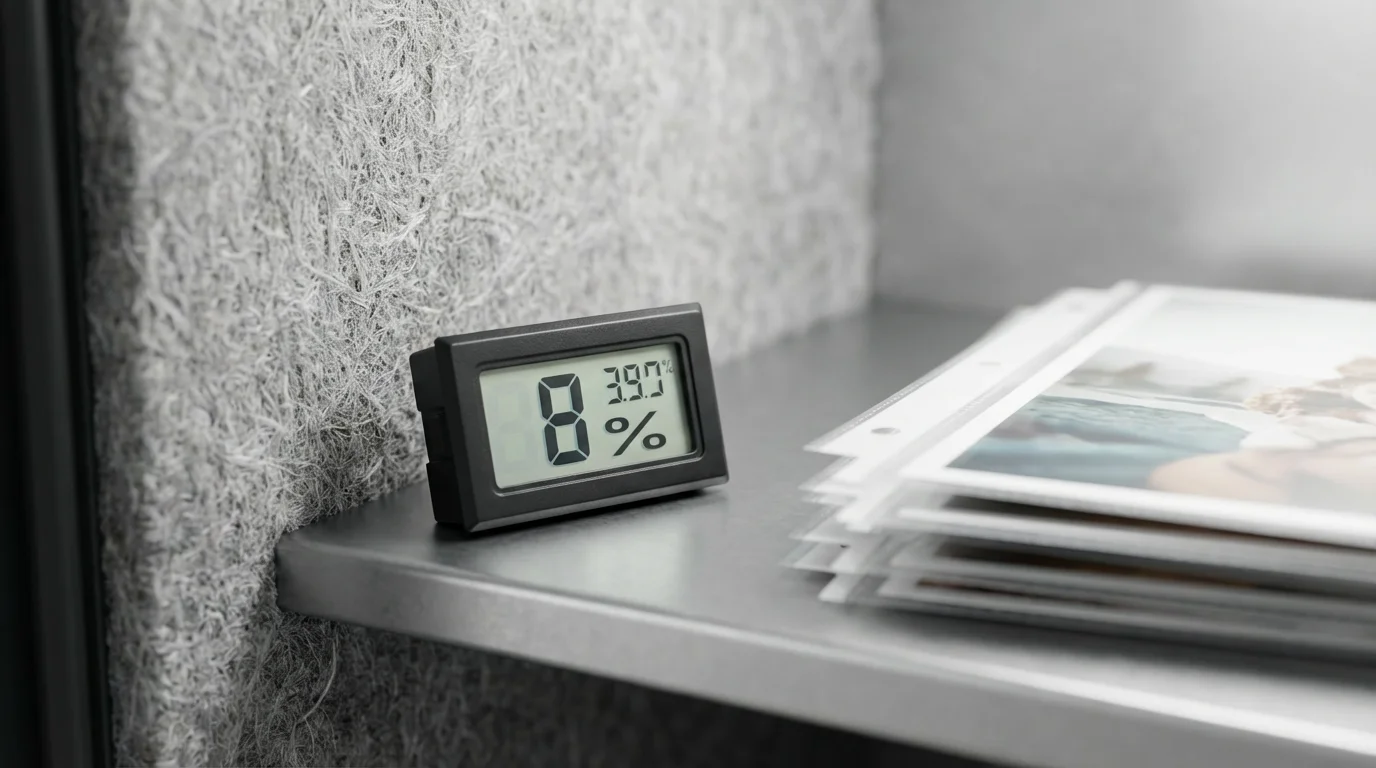
You cannot manage what you do not measure. A small, battery-operated digital hygrometer placed inside your safe provides continuous monitoring of both temperature and relative humidity. Aim for a relative humidity (RH) level between 30% and 50% for optimal photographic preservation. If your hygrometer consistently reads above 50% RH, you need to add more desiccant or regenerate existing packets more frequently. This proactive monitoring helps you maintain a stable and safe environment for your photos.
Ensuring Air Circulation
While fireproof safes are sealed units, periodic, brief openings can allow for some air exchange, helping to prevent stagnant, humid air pockets. However, avoid leaving the safe open for extended periods, especially in humid environments, as this counteracts your desiccant efforts. A quick opening to check the hygrometer or swap out desiccant packs is usually sufficient.
Avoiding Harmful Internal Contaminants
Never store active chemicals, paints, solvents, or highly acidic materials inside your safe alongside your photographs. These items can off-gas harmful fumes that accelerate the degradation of photographic emulsions and paper. The safe should house only your carefully prepared archival materials and backup media.

Integrating Digital Backups with Physical Fire Protection
Relying solely on a physical fireproof safe, no matter how robust, leaves a gap in your disaster preparedness. A comprehensive strategy integrates fireproof physical storage with robust digital backup solutions. This multi-layered approach ensures your memories survive even the most catastrophic events.
The “3-2-1” Backup Strategy
This industry-standard strategy is critical for true digital photo preservation:
- 3 Copies of Your Data: Maintain three copies of your most important digital photo files. This includes your primary working copy (e.g., on your computer’s hard drive) and two backup copies.
- 2 Different Media Types: Store your copies on at least two different types of storage media. For example, your computer’s internal drive (first copy) and an external hard drive (second copy) represent two different media types. A cloud service (third copy) is another distinct media type. Diversifying media protects against failure of a single technology.
- 1 Offsite Copy: Keep at least one copy of your data in a geographically separate location. This is the crucial step for fire protection. If a fire destroys your home and its contents, including your fireproof safe, your offsite copy remains secure.
Storing Digital Media in Your Safe
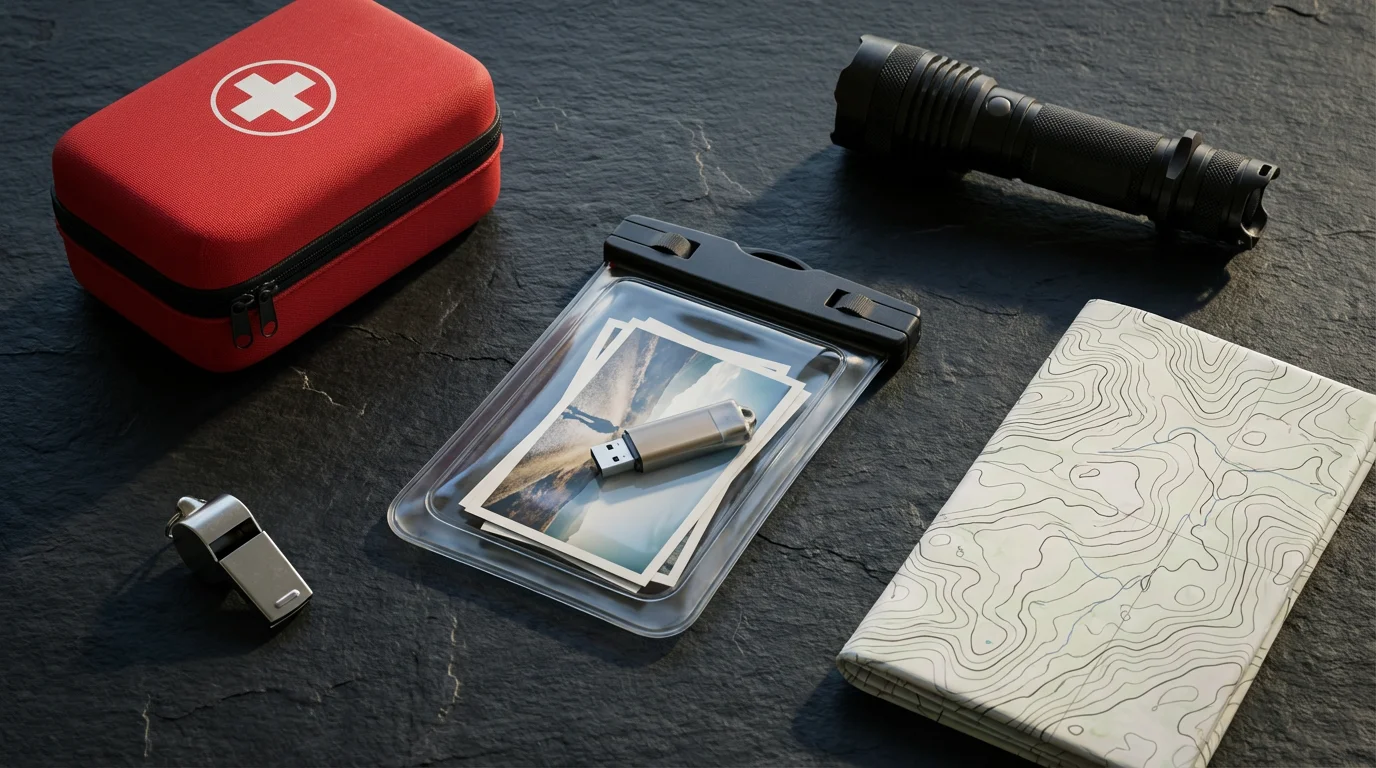
Your fireproof safe is an excellent place to store one of your backup copies. External hard drives, USB flash drives, and even archival-grade optical discs (CD-R, DVD-R, Blu-ray) can reside in your safe. However, remember the sensitivity of digital media to heat and humidity. These items absolutely require a UL Class 125 media safe. The lower temperature and humidity threshold are vital for preventing data corruption. Place these digital media devices in sealed, waterproof bags or containers within the safe for an extra layer of protection against moisture.
The Power of Cloud Storage as Offsite Backup
Cloud storage solutions, such as Google Photos, Dropbox, OneDrive, or specialized photography cloud services, fulfill the “one offsite copy” requirement perfectly. Your digital photos are stored on remote servers, often replicated across multiple data centers, providing exceptional resilience against localized disasters. Cloud storage offers convenience, accessibility, and robust disaster recovery capabilities. Ensure you use strong passwords and two-factor authentication for your cloud accounts.
Regular Backup Schedule
A backup strategy is only effective if you maintain it consistently. Establish a regular schedule for backing up your new photos and updating existing backups. Weekly or monthly backups, depending on your photo-taking frequency, ensure you minimize data loss in the event of an unforeseen incident. Automate backups whenever possible to streamline the process and reduce the chance of oversight.
Placement and Security for Your Fireproof Photo Safe
The effectiveness of your fireproof safe extends beyond its ratings. Where and how you place it within your home significantly impacts its performance during a disaster and its overall security.
Strategic Location for Fire Resistance
Consider placing your fireproof safe on the ground floor or in the basement. This minimizes the risk of the safe crashing through weakened floors during an intense fire. While safes are robust, extreme heat can compromise structural elements of your home. Avoid placing the safe near potential water sources, such as water heaters, laundry areas, or pipes, unless you are absolutely certain of its water-resistance capabilities and have additional waterproofing measures in place. Keeping the safe away from exterior walls can also protect it from direct exposure to intense external heat or collateral damage.
Security Against Theft
A fireproof safe also serves as a deterrent against theft. To maximize security:
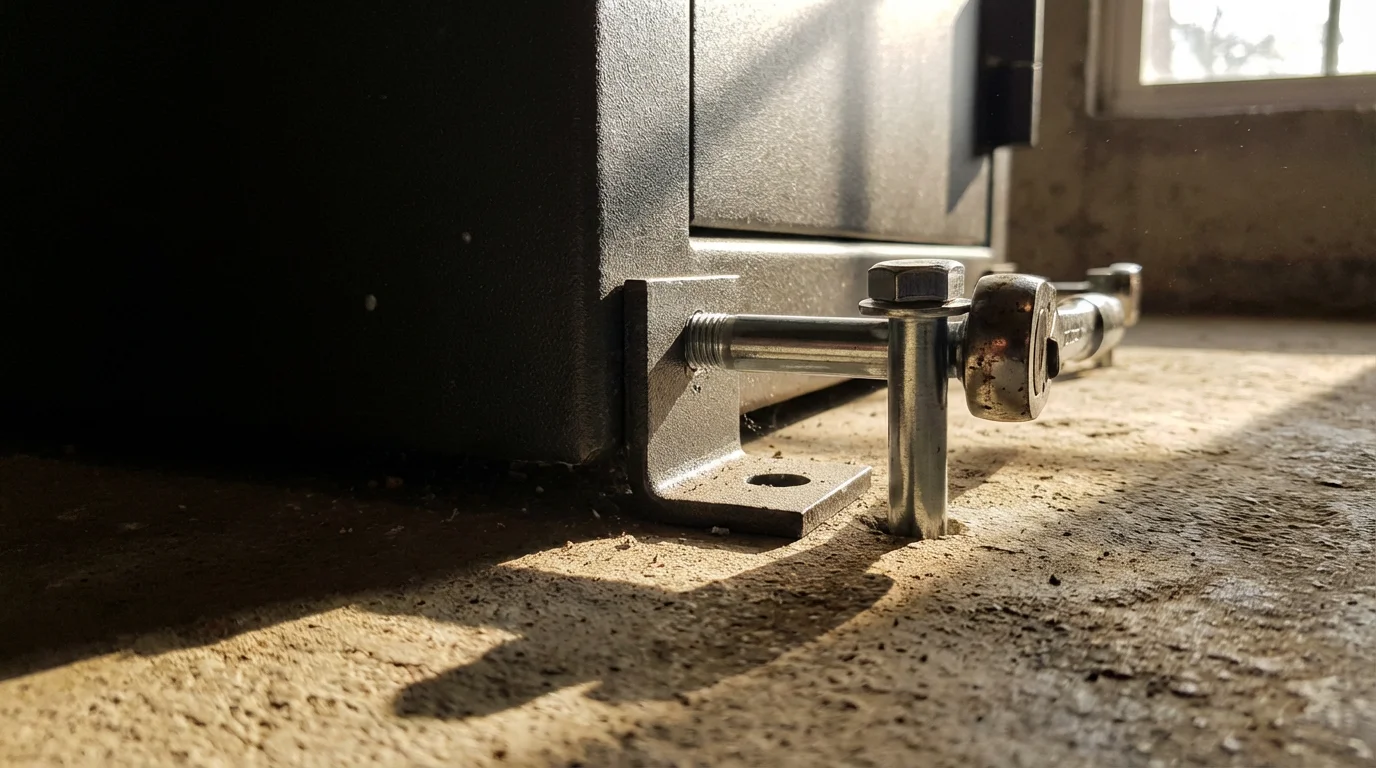
- Bolt it Down: Many larger fireproof safes include pre-drilled holes and hardware to bolt them to the floor. This prevents thieves from simply carrying the entire safe away. Bolting offers a significant enhancement to your safe’s security.
- Discreet Placement: While you need to be able to access it, avoid placing your safe in highly visible areas. Consider a hidden location, such as within a closet or a secured room.
- Access Control: Ensure only trusted individuals know the combination or have access to the keys. Regularly change combinations if you use a mechanical lock or update electronic keypad codes.
Accessibility for Maintenance
You need regular access to your safe to check the hygrometer, regenerate desiccants, and potentially add or retrieve photos or backup media. Place the safe in a location that allows for easy and comfortable access for these maintenance tasks, without compromising its security or fire-protective qualities.
Disaster Preparedness Beyond the Safe
A fireproof safe is a vital component of your photo preservation strategy, but it exists within a larger framework of disaster preparedness. Expanding your planning provides multiple layers of protection and peace of mind.
Creating a Family Emergency Plan
Your family needs a clear emergency plan that includes communication strategies, evacuation routes, and designated meeting points. Knowing how to respond quickly during an emergency, such as a fire, reduces panic and allows for safer decision-making. Include instructions on what to do if you need to retrieve critical items from your safe, if time permits safely.
Insurance Records for Valuables
Document the contents of your fireproof safe. Take photographs or videos of the items you store within it. Maintain a detailed inventory, noting any specific historical value or unique characteristics of your photographs. Store this inventory, along with copies of your insurance policies, in your offsite digital backup. This documentation becomes invaluable if you need to file an insurance claim after a disaster, proving the existence and value of your lost or damaged items.
Professional Conservator Contacts
In the unfortunate event that your photographs sustain damage, even within a safe, having contacts for professional photo conservators can be crucial. These experts possess the knowledge and tools to assess damage and often perform miraculous restorations. Research and keep a list of reputable conservators in your area or through organizations like the American Institute for Conservation (AIC). Knowing who to call immediately after an event can make a significant difference in the potential for recovery of your most precious memories.
Consider a Fire Suppression System
Beyond the safe itself, evaluating the fire suppression systems in your home offers another layer of protection. Properly maintained smoke detectors are non-negotiable. Sprinkler systems, while potentially causing water damage, can extinguish fires before they reach catastrophic levels, offering a critical defense for your home and its contents, including your safe.
Frequently Asked Questions
Are all fireproof safes suitable for photographs and digital media?
No, not all fireproof safes are suitable for photographs or digital media. Most standard fireproof safes carry a UL Class 350 rating, which keeps internal temperatures below 350°F (177°C). While this protects paper documents from ignition, photographic emulsions and digital media can suffer irreversible damage at temperatures above 125°F (52°C) and humidity above 80%. You need a UL Class 125 media safe to adequately protect sensitive items like photos, negatives, and hard drives.
Do I need to put my photos in special bags inside a fireproof safe?
Yes, you should always place your photographs in archival-quality sleeves and then into acid-free boxes before storing them in a fireproof safe. For an additional layer of moisture protection, especially for negatives and digital media, place these archival enclosures into sealed, waterproof bags or containers within the safe. This guards against potential humidity buildup inside the safe and any water intrusion from fire suppression efforts.
How often should I check the humidity inside my fireproof safe?
You should check the humidity inside your fireproof safe at least once a month, or more frequently if you live in a particularly humid climate or if you open the safe often. Use a digital hygrometer to monitor the relative humidity. If it consistently reads above 50%, you need to add more desiccant or regenerate existing silica gel packs to bring the humidity back down to an ideal range of 30% to 50%.
Can I store old photo albums directly in a fireproof safe?
You should generally avoid storing old photo albums directly in a fireproof safe. Many older albums contain highly acidic paper, glues, and plastic pages (like PVC) that can rapidly degrade photographs and release harmful chemicals. Dismantle albums if possible, place individual photos into archival sleeves, and then store them properly. If an album is irreplaceable and cannot be dismantled, wrap it in archival tissue and place it in an archival box, accepting that it still poses some risk to its contents over time due to its inherent materials.
Is a fireproof safe enough, or do I still need digital backups?
A fireproof safe offers crucial protection for your physical photos and local digital backups. However, it is not enough on its own. Disasters like extensive fires or floods can still damage or destroy a safe, or it might become inaccessible. You must implement a comprehensive digital backup strategy, including offsite cloud storage, to provide the ultimate redundancy and ensure your memories survive any event that could affect your home or physical safe. Think of a fireproof safe as one critical layer of a multi-layered preservation plan.
Disclaimer: This article is for informational purposes only. When handling valuable or irreplaceable photographs, consider consulting a professional conservator. Always test preservation methods on non-valuable items first.
If your collection has already been exposed to moisture, consult a step-by-step guide to restoring water-damaged photos before sealing them in a protective safe.
Leave a Reply