
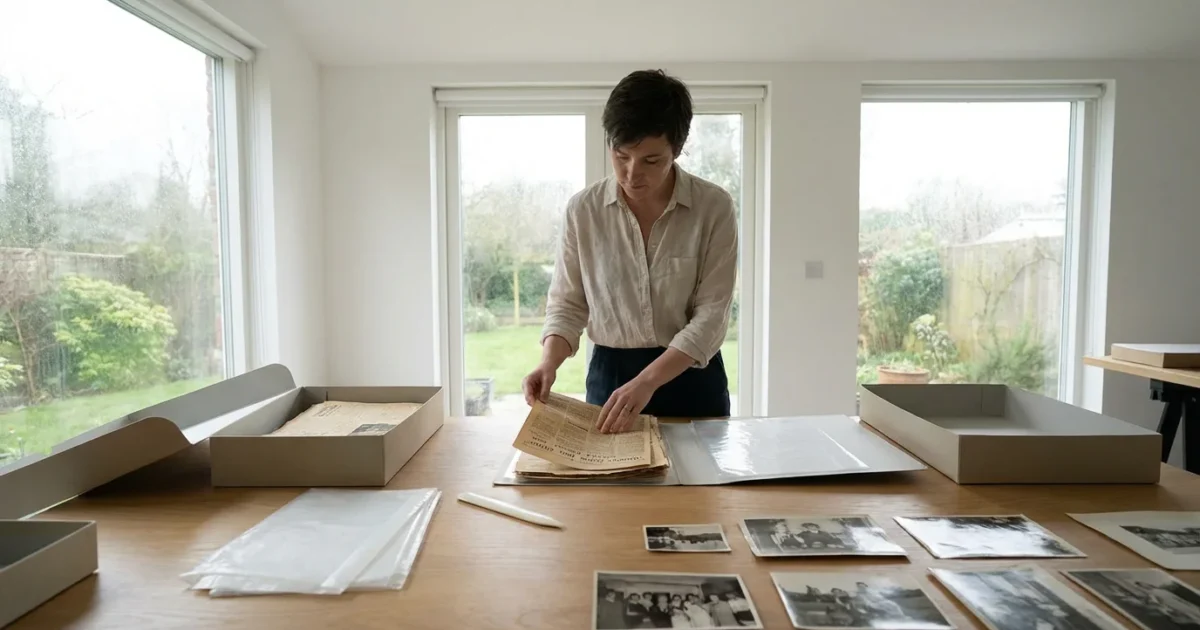
Your family’s history often arrives in unexpected forms: a yellowed newspaper clipping announcing a birth or a wedding, a handwritten letter, a concert ticket from a memorable night, or a collection of old scrapbook items. These pieces of memorabilia, especially those featuring photographs, tell stories and connect generations. However, these precious artifacts are often fragile, susceptible to damage from their own inherent chemistry and environmental factors. Protecting these tangible links to your past requires specific knowledge and careful action. This guide provides you with practical, actionable steps to ensure these unique treasures endure for future generations.
Understanding the Fragility of Newspaper Clippings and Memorabilia
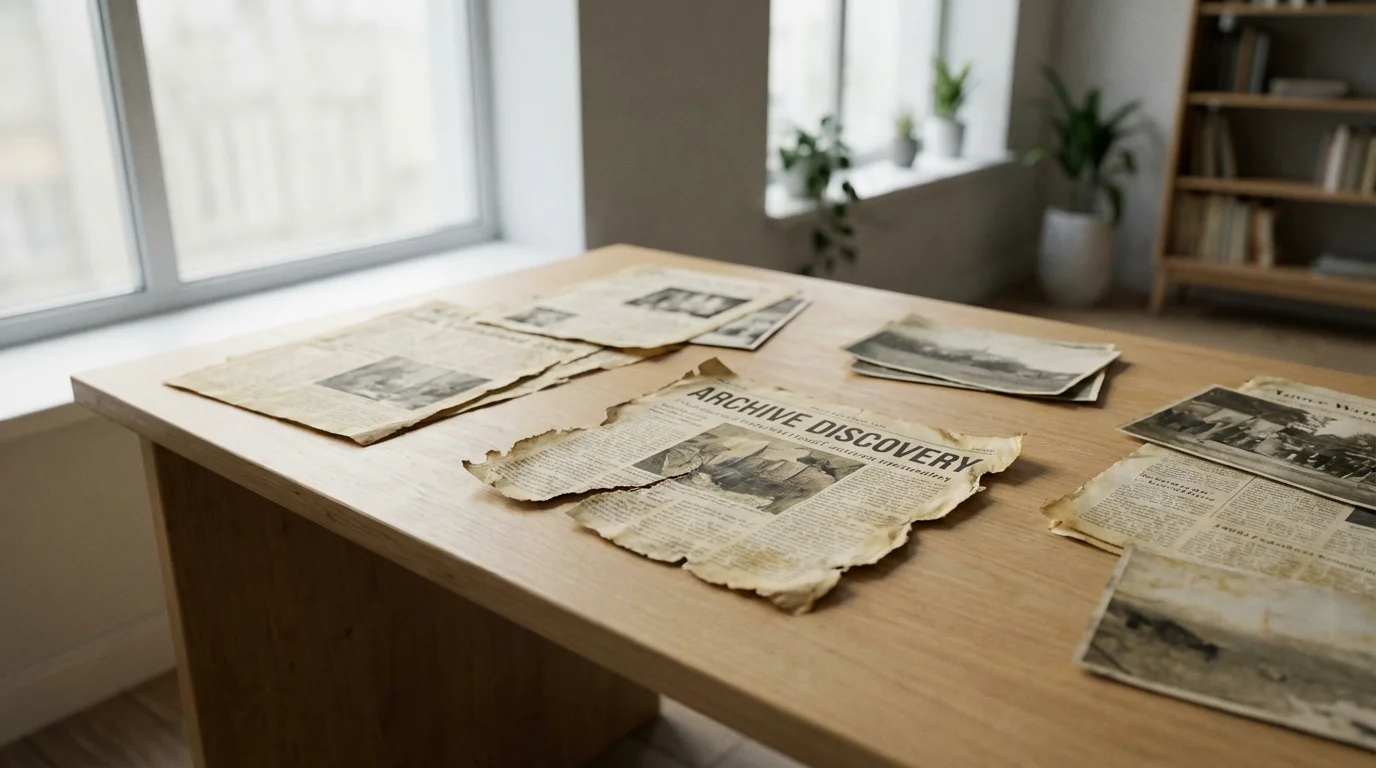
Newspaper clippings and many other types of paper memorabilia present unique preservation challenges. Most newsprint from before the late 20th century contains high levels of lignin, a natural polymer in wood pulp that gives paper its stiffness but also makes it highly acidic. As lignin breaks down over time, it causes the paper to yellow, become brittle, and eventually disintegrate. This process, often accelerated by light and humidity, jeopardizes the longevity of your important historical records and photographs.
Beyond newsprint, understanding different photo paper types is essential for identifying which items in your collection are most at risk of chemical breakdown.
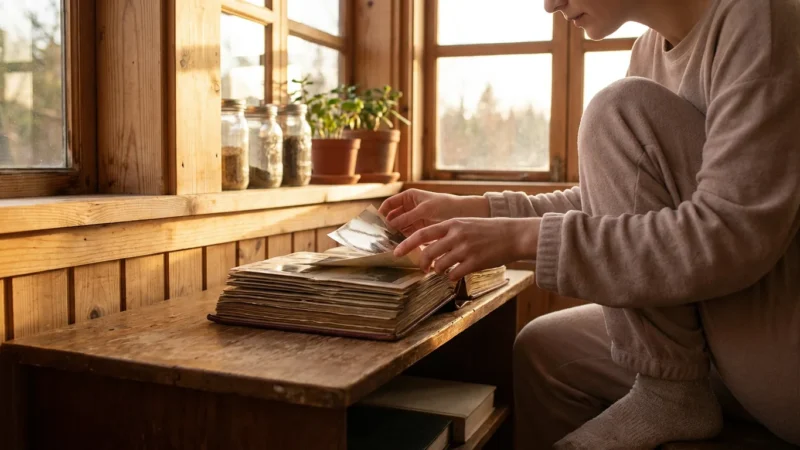
Consider the delicate nature of these items. A newspaper clipping featuring a photograph of a beloved relative can become so fragile that a single touch causes it to crumble. Other scrapbook items, such as ticket stubs, pressed flowers, fabric swatches, or handwritten notes, often suffer from similar degradation. The glues and tapes used in old scrapbooks are frequently acidic, causing irreparable staining and damage to adjacent materials. Understanding these inherent weaknesses forms the foundation of effective memorabilia preservation.
Initial Assessment and Environmental Control
Before you begin any preservation efforts, thoroughly assess your items and optimize their environment. This critical first step minimizes further damage and prepares your memorabilia for long-term care.
As you begin your assessment, following best practices for creating a home photo archive will help you stay organized and protect your entire historical collection.
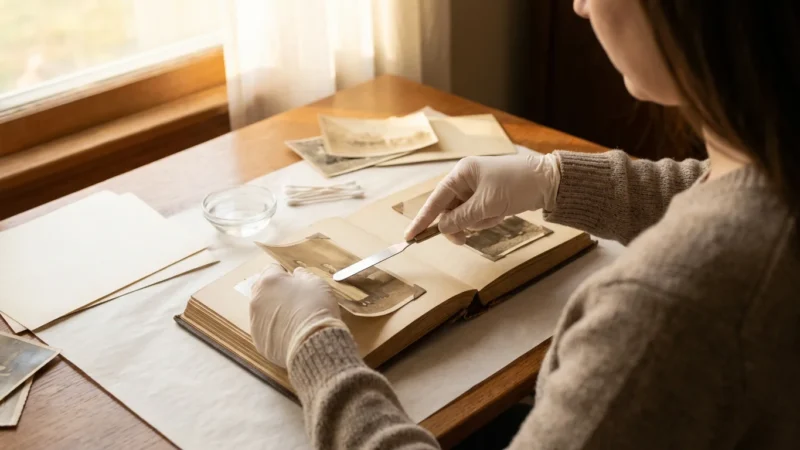
If your memorabilia is currently trapped in deteriorating scrapbooks, it is important to learn how to remove photos from old magnetic albums safely before the adhesive causes permanent damage.
Step-by-Step Assessment:
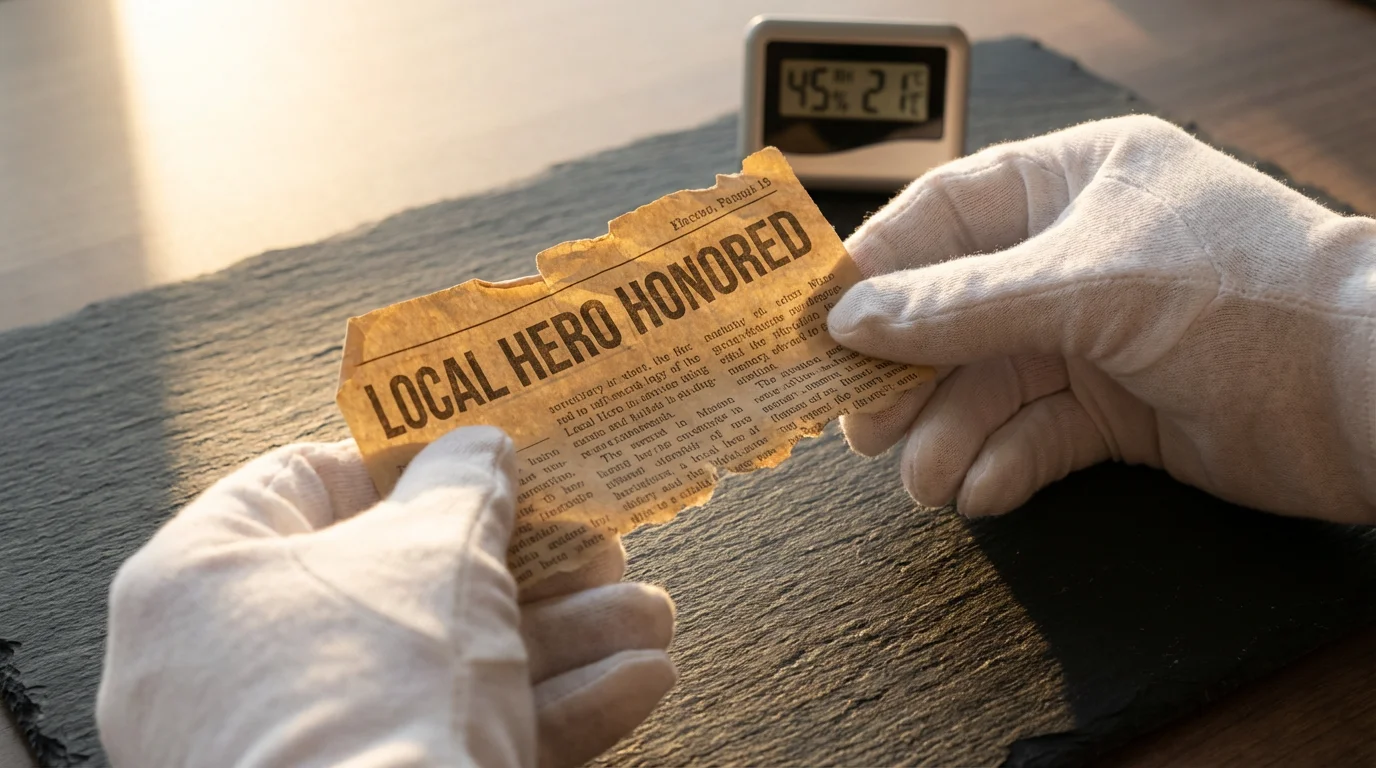
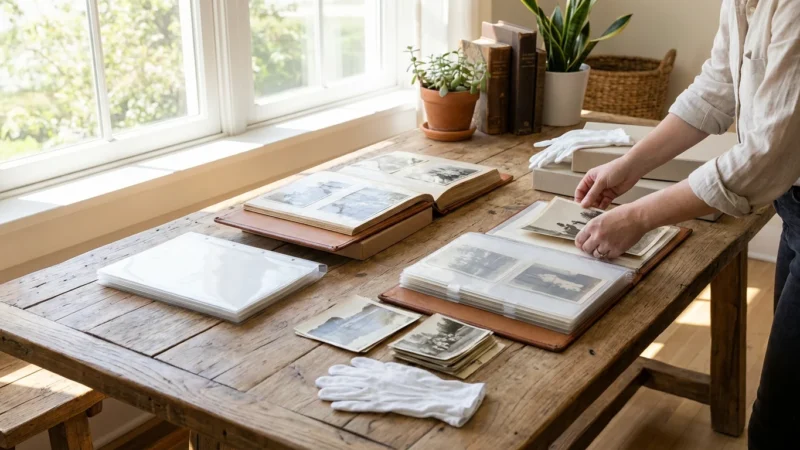
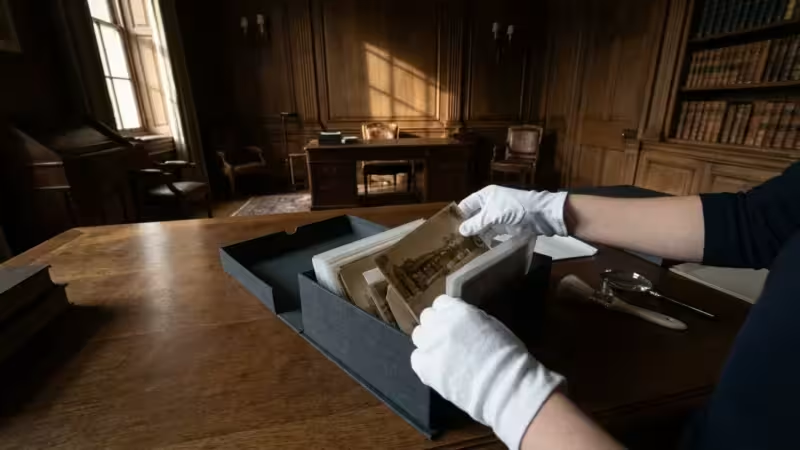
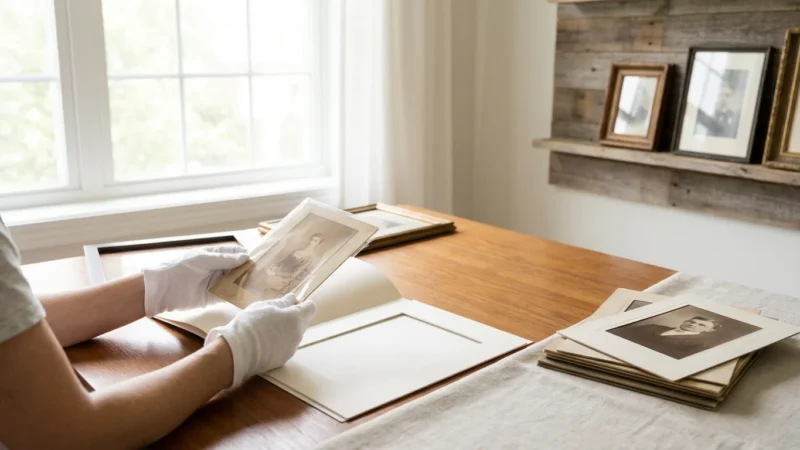
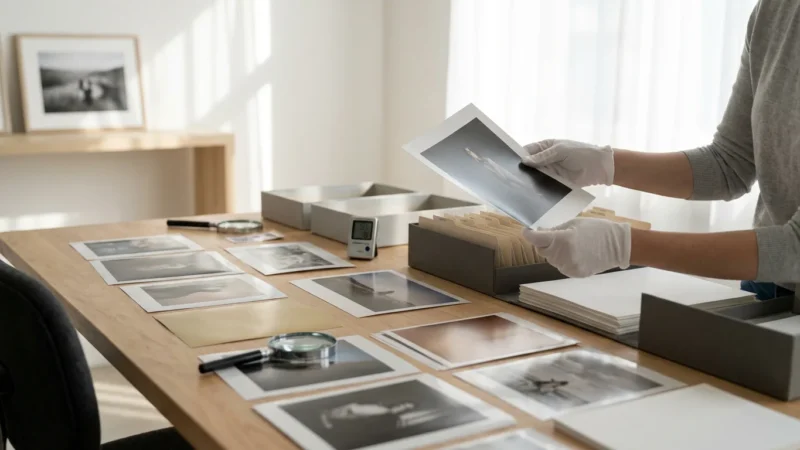
- Handle with Care: Always wash your hands thoroughly before touching old items. Oils and dirt from your skin transfer easily and can cause damage. Wear clean, white cotton gloves or nitrile gloves if handling extremely delicate or valuable items.
- Examine Each Item: Carefully inspect each newspaper clipping and piece of memorabilia. Look for signs of:
- Brittleness or Tearing: Indicates advanced degradation.
- Discoloration: Yellowing, browning, or foxing (small brown spots) signal acid decay or mold.
- Mold or Mildew: Fuzzy growth, musty odor. Isolate affected items immediately to prevent spread.
- Pest Damage: Small holes, chew marks, or insect droppings.
- Adhesive Residue: Old tape or glue can cause staining and damage.
- Document Condition: Make notes or take preliminary photographs of the item’s current state. This provides a baseline for future reference and helps you track changes.
- Separate Damaged Items: Isolate items with active mold or pests to prevent contamination of your entire collection. Consult a professional conservator for these items.
Environmental Control:
Creating a stable and controlled environment is perhaps the single most impactful action you can take for memorabilia preservation. Fluctuations in temperature and humidity cause paper to expand and contract, leading to stress, tearing, and accelerating chemical degradation. Experts recommend maintaining a consistent environment.
- Temperature: Aim for a cool, stable temperature, ideally between 65 and 70 degrees Fahrenheit (18-21 degrees Celsius). Avoid attics, basements, and garages, which experience extreme temperature swings.
- Humidity: Keep relative humidity between 30% and 50%. High humidity encourages mold growth, while very low humidity makes paper brittle. A dehumidifier or humidifier can help regulate levels in your storage area.
- Light: Store items in darkness. UV light from sunlight and fluorescent bulbs significantly accelerates fading and paper degradation. If you display items, use low-UV lighting and rotate them regularly.
- Air Quality: Protect items from dust, pollution, and smoke, all of which contribute to degradation. Use enclosed archival storage.
Cleaning and Gentle Repair Techniques
Cleaning and repairing old newspaper clippings and other photo memorabilia require a delicate touch and the right materials. The goal is to stabilize the item without causing further harm. Always prioritize reversible methods and archival-grade supplies.
Safe Cleaning Methods:
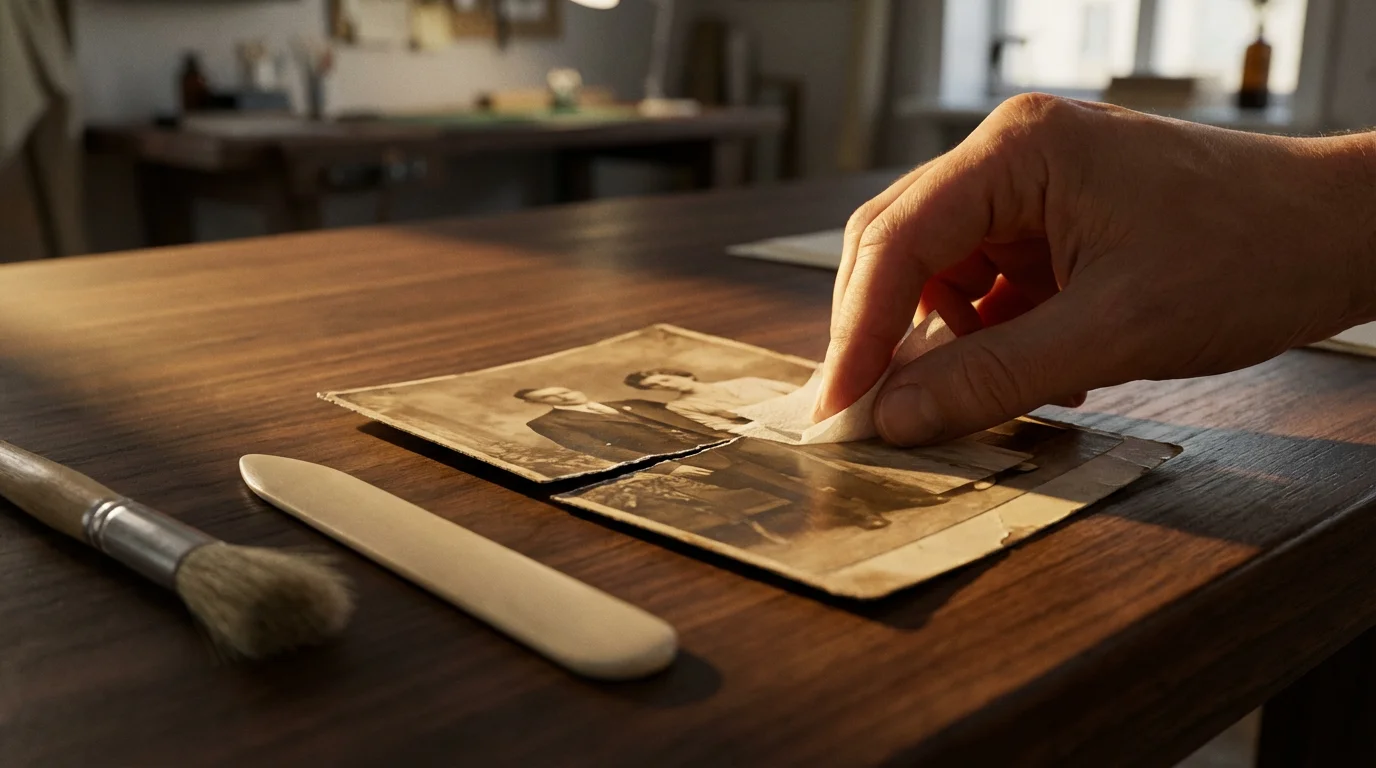
- Dust Removal: Use a soft, clean brush, such as a camel-hair brush, to gently brush away surface dust and loose debris. Always brush away from the center of the item.
- Vinyl Erasers: For light surface dirt or smudges on sturdy, non-fragile paper, use a white, plastic, crumb-style eraser. Test it first on an inconspicuous area. Avoid rubbing too hard, as this can abrade the paper surface.
- Avoid Liquids: Never use water, cleaning solutions, or chemical solvents on old newspaper clippings or photographs. These can cause irreversible staining, bleeding of inks, or even complete disintegration of fragile paper.
Gentle Repair Techniques:
When dealing with tears or detached pieces, prioritize stabilization. For valuable or severely damaged items, consult a professional conservator. They possess the expertise and specialized tools for complex repairs that maintain an item’s historical integrity.
“Many DIY repair methods, particularly those involving common tapes or glues, cause irreparable damage and significantly devalue historical documents. Always choose reversible, archival-grade materials or seek professional assistance for delicate repairs.”
- Flattening: If a clipping is crinkled, you can gently flatten it. Place the item between two pieces of acid-free blotter paper or clean, unprinted newsprint. Then place a flat, heavy object (like a clean book) on top for a few days. Do not use heat or moisture.
- Archival Repair Tape: For simple tears, use a transparent, acid-free document repair tape designed specifically for archival use. This tape is lignin-free, pH-neutral, and usually reversible with conservation solvents. Apply it sparingly and only on the back of the item if possible. Never use common household tapes, which contain acidic adhesives that yellow and harden over time, leaving permanent stains.
- Photo Mounting Corners: If reattaching a photograph that has come loose from a scrapbook, use acid-free photo mounting corners. These hold the photo in place without adhesive touching the image itself, allowing for future removal without damage.
- Avoid Permanent Adhesives: Never use liquid glues, rubber cement, or spray adhesives on original items. These are almost universally acidic, difficult to remove, and cause long-term damage.
The Power of Digitization for Longevity
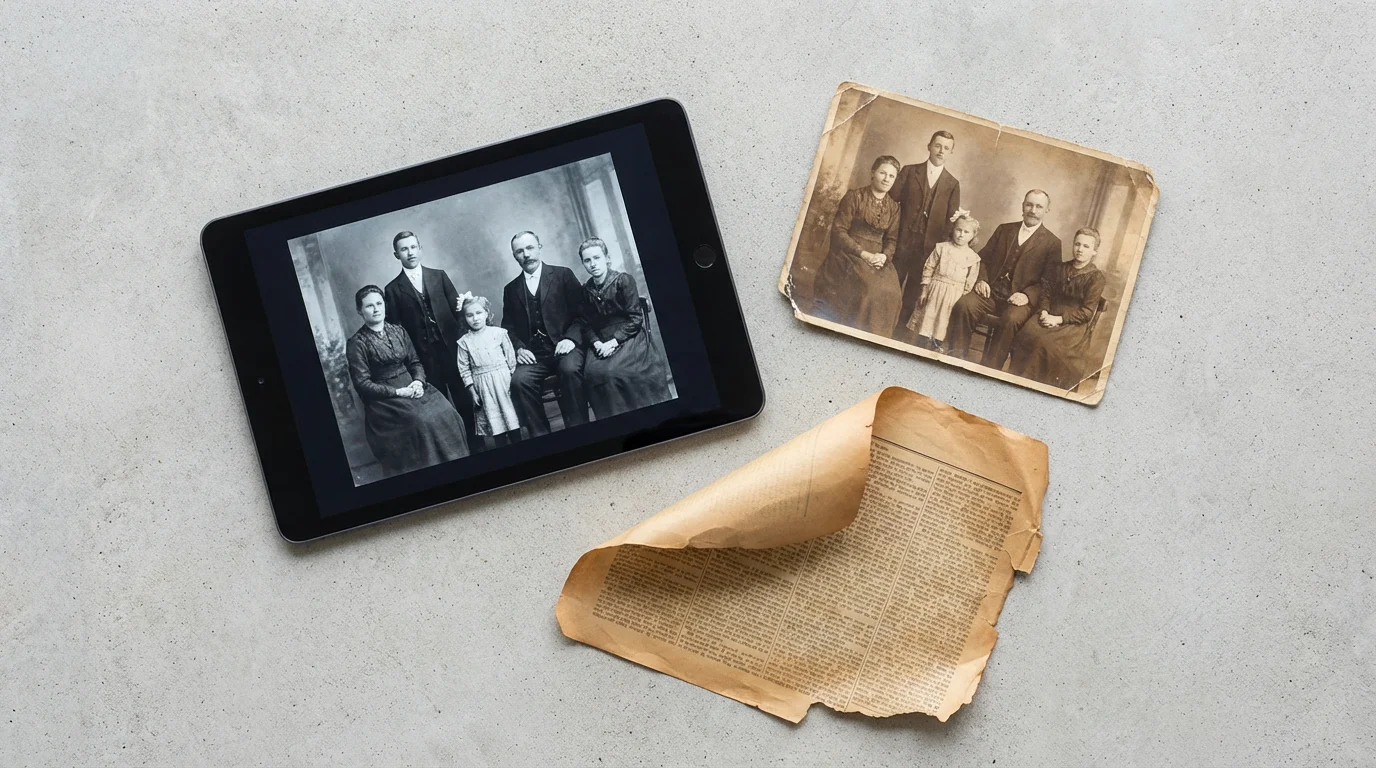
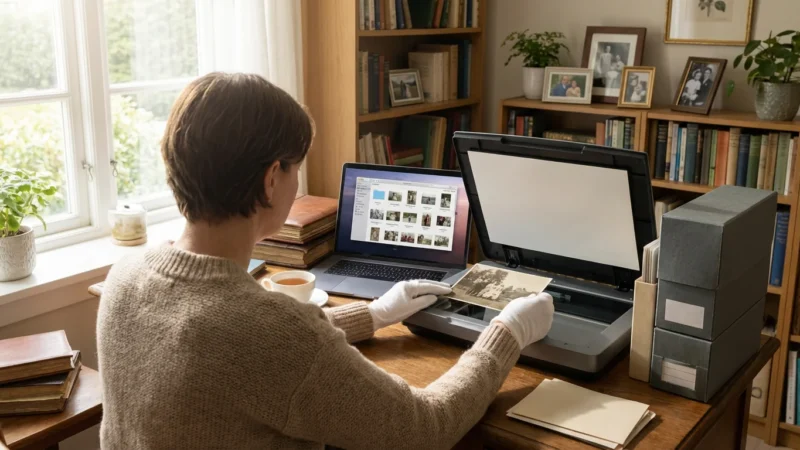
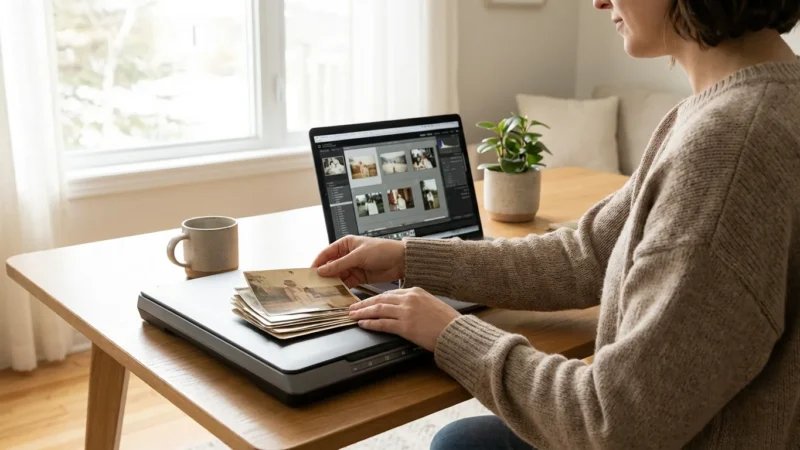
Digitizing your newspaper clippings and photo memorabilia is one of the most effective strategies for ensuring their long-term preservation and accessibility. A digital copy safeguards the information even if the physical original degrades, and it allows you to share memories without risking the fragile original. This process creates a backup, provides easy access, and allows for minor digital restoration.
In many cases, you may find it safer to focus on scanning photos from albums without removing them to prevent brittle paper from tearing during the process.
Understanding the importance of backing up physical photos digitally ensures that your family history remains accessible even if the physical artifacts continue to age.
Why Digitization is Essential:
- Insurance Against Loss: Even with the best physical preservation, accidents happen. A digital copy acts as an invaluable insurance policy against damage, loss, or deterioration of the original.
- Enhanced Accessibility: Share your family history with relatives worldwide without mailing fragile originals. Create digital photo albums or online exhibits.
- Digital Restoration: Software tools can digitally remove dust, correct color shifts, repair tears, or enhance faded text, often without altering the original.
- Reduced Handling: Once digitized, you handle the original items less, further protecting them from physical wear and tear.
Best Practices for Digitizing Newspaper Clippings and Memorabilia:
- Use the Right Equipment:
- Flatbed Scanner: This is your best option for most paper memorabilia. It provides even illumination and allows you to scan fragile items without bending them. Choose a scanner with a high optical resolution (at least 600 dpi for important documents, 1200 dpi for photographs).
- Digital Camera (for 3D items): If you have thick scrapbook items, small objects, or large items that do not fit on a scanner bed, a digital camera on a tripod can capture high-quality images. Ensure even lighting to avoid shadows.
- Clean Before Scanning: Gently clean the surface of the clipping and scanner glass to avoid capturing dust and debris in your digital image.
- Optimal Scan Settings:
- Resolution: Scan newspaper clippings and documents at a minimum of 300 dpi (dots per inch) for legible text, and 600-1200 dpi if you plan to zoom in, print, or require fine detail, especially if a photo is part of the clipping. For standalone photos, 1200 dpi is ideal for archival quality.
- Color Depth: Scan in full color, even for black and white items. This captures any subtle toning or stains that provide historical context.
- File Format: Save original scans as uncompressed TIFF (Tagged Image File Format) files. TIFFs are lossless and retain all image data, making them ideal for archival purposes. Create JPEG copies for everyday viewing, sharing, and web use, as they are smaller files.
- Consistent Naming Convention: Establish a clear and consistent file naming system. Include dates, names, and event descriptions (e.g., “1955-03-12_GrandpaBirthAnnouncement_DailyNews.tiff”).
- Metadata: Add descriptive metadata to your digital files. This includes dates, names of people or events, locations, and any relevant historical context. Many photo management software programs allow you to embed this information directly into the file.
- Backup Strategy: Implement a robust backup strategy. Store your digital copies in at least three locations:
- On your computer’s hard drive.
- On an external hard drive.
- On a cloud storage service (e.g., Google Drive, Dropbox, iCloud, or specialized photo backup services).
The Image Permanence Institute offers extensive resources on best practices for digital preservation, emphasizing the importance of format choices and backup redundancy. Following these guidelines helps ensure your digital copies remain accessible and usable for decades.
Archival Storage Solutions for Physical Items
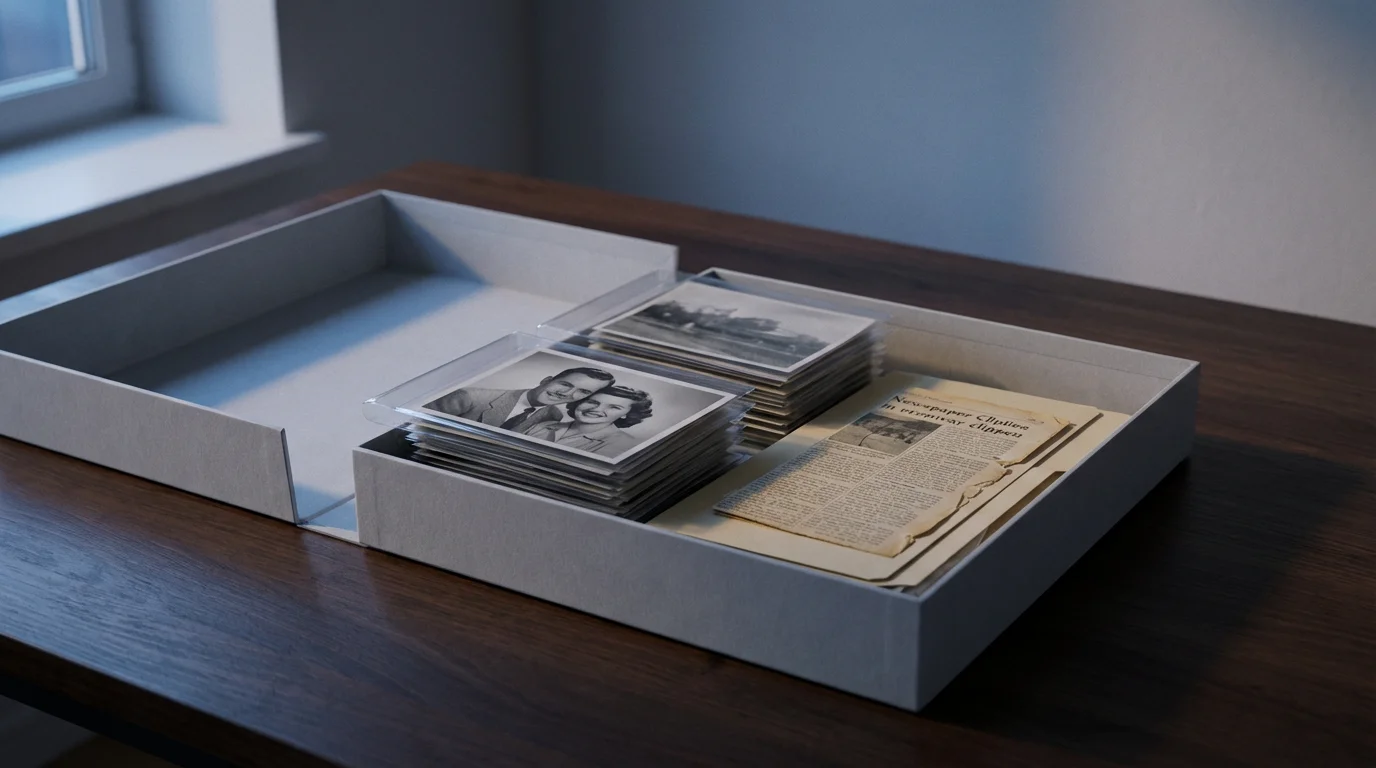
After assessment, cleaning, and digitization, the next crucial step is providing your physical newspaper clippings and photo memorabilia with a safe, archival storage environment. This protects them from environmental damage and physical deterioration.
Choosing the right archival photo albums and sleeves is a vital part of protecting both the clippings and any accompanying photographs.
Key Principles of Archival Storage:
- Acid-Free and Lignin-Free Materials: All materials that come into direct contact with your items must be acid-free (pH-neutral or slightly alkaline buffered) and lignin-free. Lignin is the component in wood pulp that causes paper to yellow and become brittle.
- Protective Enclosures: Individual enclosures provide a micro-environment for each item, protecting it from dust, light, and minor physical damage.
- Stable Environment: Reinforce the environmental controls discussed earlier.
Recommended Archival Materials:
Invest in high-quality archival supplies from reputable suppliers. Do not use common office supplies, which rarely meet archival standards.
| Material Type | Description & Best Use | What to Avoid |
|---|---|---|
| Sleeves/Envelopes | Clear polyester (Mylar D) sleeves are ideal for newspaper clippings and photos. They are inert, provide physical support, and allow viewing without handling. Acid-free paper envelopes/folders also work for opaque storage. | PVC (polyvinyl chloride) plastic sleeves, which off-gas harmful chemicals, sticky-backed photo albums. |
| Folders | Acid-free, lignin-free folders provide additional support for sleeved items and separate different categories of memorabilia. | Manila folders or any folder not explicitly labeled “archival.” |
| Boxes | Acid-free, lignin-free archival storage boxes provide a stable, dark, and protective environment. Choose boxes sized appropriately to minimize movement of contents. | Cardboard boxes, shoeboxes, or plastic containers made from non-archival plastics. |
| Interleaving Tissue | Acid-free, buffered tissue paper can be placed between very delicate items or items with differing pH levels to prevent acid migration. | Regular tissue paper or paper towels. |
Storage Best Practices:
- Individual Enclosure: Place each newspaper clipping or photograph into its own inert plastic sleeve (Mylar D or polypropylene) or an acid-free paper envelope. This prevents items from rubbing against each other and isolates any potential acid migration.
- Flat Storage: Store clippings and photographs flat whenever possible. Flat storage minimizes stress on the paper fibers and prevents creasing. Use appropriately sized archival boxes or flat-file drawers.
- Vertical Storage for Larger Items: For larger documents that cannot be stored flat, use acid-free vertical files or folders within an archival box. Ensure items are supported upright without bending.
- Organize and Label: Group similar items together (e.g., by family, event, or date). Label folders and boxes clearly with archival pens (pigment-based, acid-free ink). This makes retrieval easy without excessive handling.
- Avoid Overpacking: Do not cram too many items into one box or folder. This causes damage and makes it difficult to retrieve specific pieces.
- Consider a Scrapbook: If creating a physical scrapbook, use only archival-quality albums. These feature acid-free, lignin-free paper and protective page protectors. Mount items using acid-free photo corners, never glue or tape directly.
The Library of Congress provides comprehensive guidelines on selecting and using archival materials for various types of paper-based collections. Referencing such resources ensures you implement the highest standards for your unique scrapbook items and newspaper clippings.
Creative and Respectful Display Options
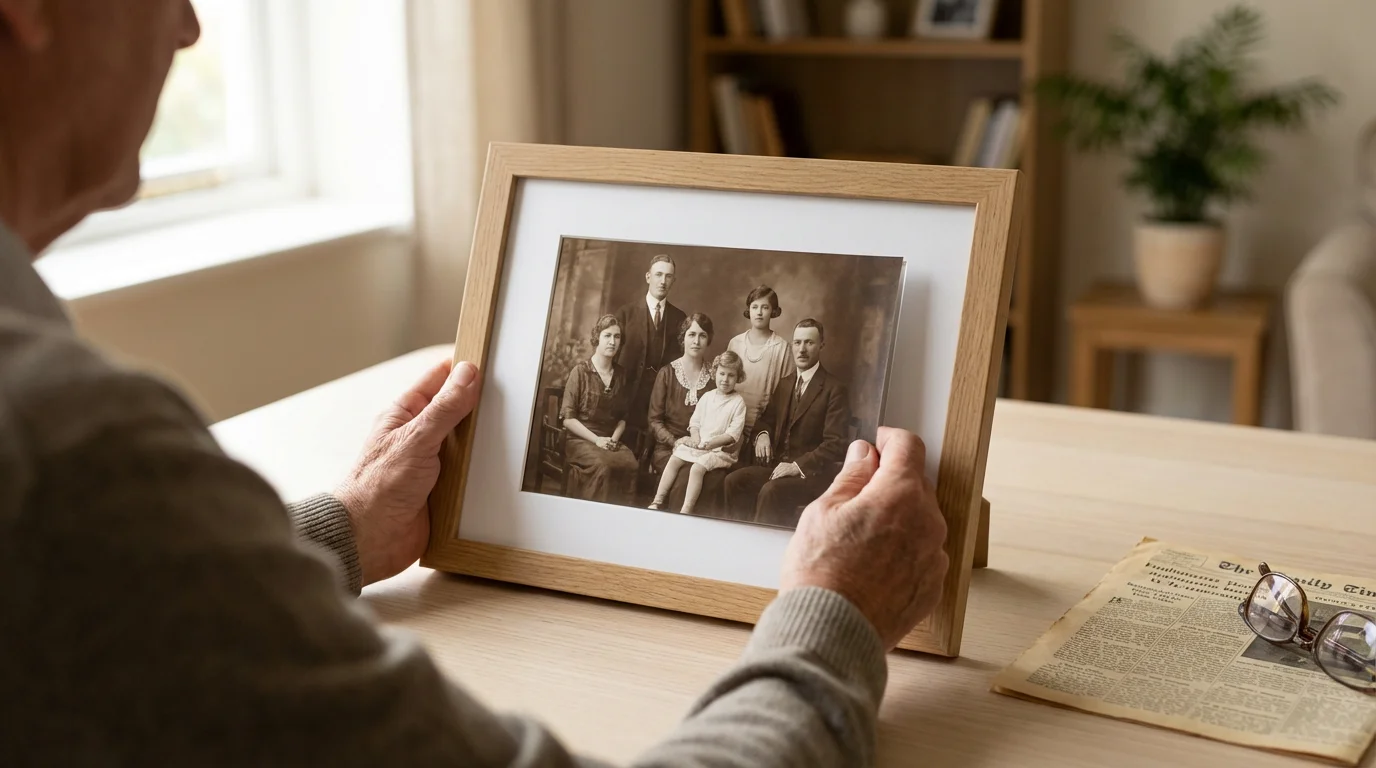
You want to enjoy your memorabilia, not just store it away. Thoughtful display allows you to share your family’s stories while still prioritizing the preservation of the originals.
Displaying Digitized Copies:
The safest way to share and enjoy your memories is to display high-quality reproductions. This keeps the fragile originals safely stored.
- Photo Books: Create custom photo books featuring your digitized newspaper clippings, photographs, and other memorabilia. Many online services offer high-quality printing.
- Digital Photo Frames: Load digital scans onto a modern digital photo frame to cycle through your memories. These frames are excellent for showing a dynamic collection.
- Framed Prints: Have archival-quality prints made from your high-resolution scans. Frame these prints using conservation-grade framing materials.
- Online Galleries: Share a private or public online gallery with family and friends.
Displaying Original Memorabilia (with extreme caution):
If you choose to display original items, take every precaution to minimize environmental damage.
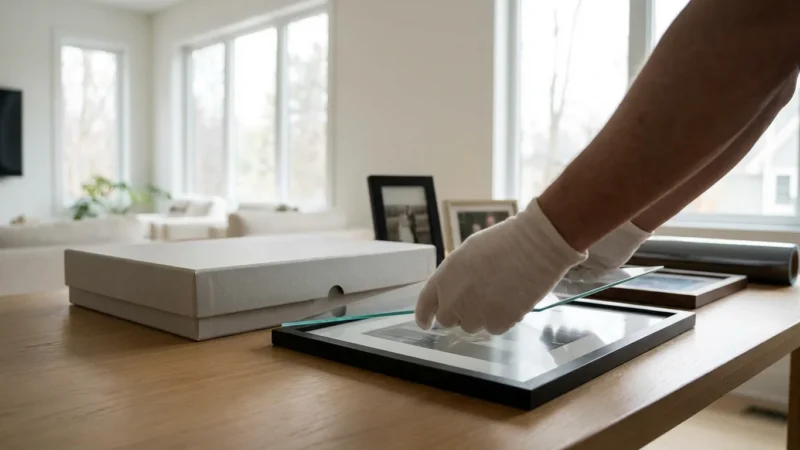
- Archival Framing: This is paramount. Ensure your frame includes:
- UV-Filtering Glazing: Use glass or acrylic that blocks at least 98% of harmful UV rays, which cause fading and degradation.
- Acid-Free Mat Boards and Backing: All materials inside the frame should be acid-free and lignin-free to prevent acid migration to your item.
- Reversible Mounting: Use methods that do not permanently attach the item to the mat, such as photo corners or Mylar encapsulation.
- Strategic Placement:
- Avoid direct sunlight.
- Keep items away from heat sources like radiators or fireplaces.
- Do not hang items on exterior walls, which are more susceptible to temperature and humidity fluctuations.
- Rotate displayed items frequently, bringing them out for a few months and then returning them to dark, archival storage.
Common Pitfalls to Avoid in Preservation
Preserving newspaper clippings and photo memorabilia involves proactive steps and also avoiding common mistakes that can cause irreversible damage. Many well-intentioned actions can inadvertently harm your precious items.
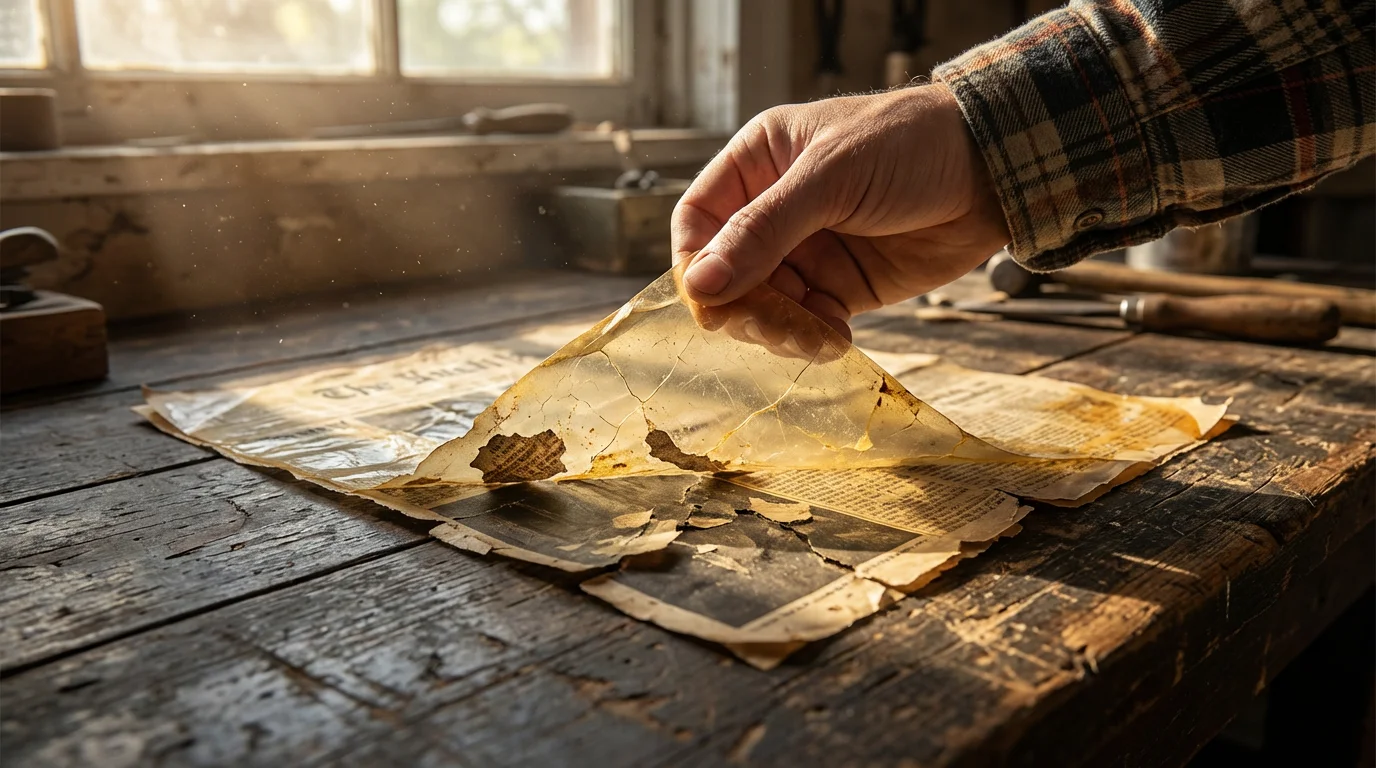
- Laminating Originals: Never laminate original newspaper clippings or photographs. Lamination is irreversible, often involves heat and acidic adhesives, and traps the item in an environment that can accelerate degradation. If the laminate degrades, it damages the item permanently. Digitization offers a superior, reversible alternative.
- Using Common Tapes or Glues: Regular household tapes and glues contain acidic adhesives that yellow, dry out, become brittle, and leave permanent stains. They are nearly impossible to remove without damaging the paper. Use only archival-grade, pH-neutral, reversible materials for any repair.
- Storing in Attics, Basements, or Garages: These areas experience extreme fluctuations in temperature and humidity, making them ideal breeding grounds for mold, mildew, and pests. They also expose items to dust and pollutants. Your home’s interior, with its more stable climate, offers a much safer storage environment.
- Excessive Handling: Each time you handle a fragile item, you risk tearing, creasing, or transferring oils and dirt. Digitize items for frequent viewing and handle originals only when necessary, using clean hands or gloves.
- Ignoring Pest Control: Insects like silverfish and cockroaches, and rodents like mice, feed on paper and adhesives. Maintain a clean storage area, avoid storing food nearby, and regularly inspect your collection for signs of pest activity.
- Mixing Archival with Non-Archival Materials: Placing an acid-free document next to a highly acidic one in the same enclosure can lead to acid migration, contaminating the archival item. Always ensure all materials in direct contact with your memorabilia meet archival standards.
- Not Labeling or Organizing: Without proper labeling and organization, locating specific items requires extensive searching and handling, increasing the risk of damage. Clear labels and a logical organizational system save time and protect your collection.
- Underestimating Professional Expertise: For extremely valuable, rare, or severely damaged items, attempting DIY repairs can cause more harm. A professional conservator has specialized knowledge, tools, and materials to stabilize and restore delicate artifacts safely. The American Institute for Conservation provides directories of qualified conservators.
Frequently Asked Questions
Can I use clear contact paper to protect old newspaper clippings?
No, you should never use clear contact paper. Contact paper contains acidic adhesives that will yellow and become brittle over time, causing irreversible damage, staining, and tearing to your newspaper clippings. Instead, use inert polyester (Mylar D) sleeves or polypropylene sleeves for protection, which are archival-safe and do not harm the paper.
What is the best way to store photo memorabilia like ticket stubs or small objects?
Store photo memorabilia in individual, acid-free, lignin-free enclosures, such as polypropylene bags or small archival boxes. For ticket stubs or other flat items, place them in Mylar D sleeves within an acid-free folder or box. For small three-dimensional objects, use archival tissue paper for cushioning and store them in an appropriately sized archival box to prevent crushing.
How can I preserve old newspaper clippings with photos if they are already yellow and brittle?
For yellow and brittle newspaper clippings with photos, the most important steps are to stop further degradation and create a digital backup. First, handle them minimally and with extreme care, preferably with gloves. Do not attempt to clean them with liquids. Gently scan them at a high resolution (600-1200 dpi) to create a digital archive. Then, store the physical clippings in individual, acid-free Mylar D sleeves within an acid-free archival box in a cool, stable, dark environment. Avoid direct light or fluctuating temperatures.
Is it safe to display original newspaper clippings and photographs?
Displaying original newspaper clippings and photographs carries risks, primarily from light exposure and environmental fluctuations. If you choose to display originals, use archival framing with UV-filtering glass and acid-free mats. Place the framed items in a location without direct sunlight, away from heat sources, and in a room with stable temperature and humidity. For maximum safety, display high-quality digital prints or reproductions and keep the originals in dark, archival storage.
Can I remove old, yellowed tape from a newspaper clipping?
Removing old, yellowed tape from a newspaper clipping is a highly delicate task that usually requires a professional conservator. Attempting to remove it yourself can cause further tearing, paper loss, or leave permanent adhesive residue. A conservator uses specialized solvents and tools to remove damaging tapes safely and reversibly.
Disclaimer: This article is for informational purposes only. When handling valuable or irreplaceable photographs, consider consulting a professional conservator. Always test preservation methods on non-valuable items first.
Leave a Reply