
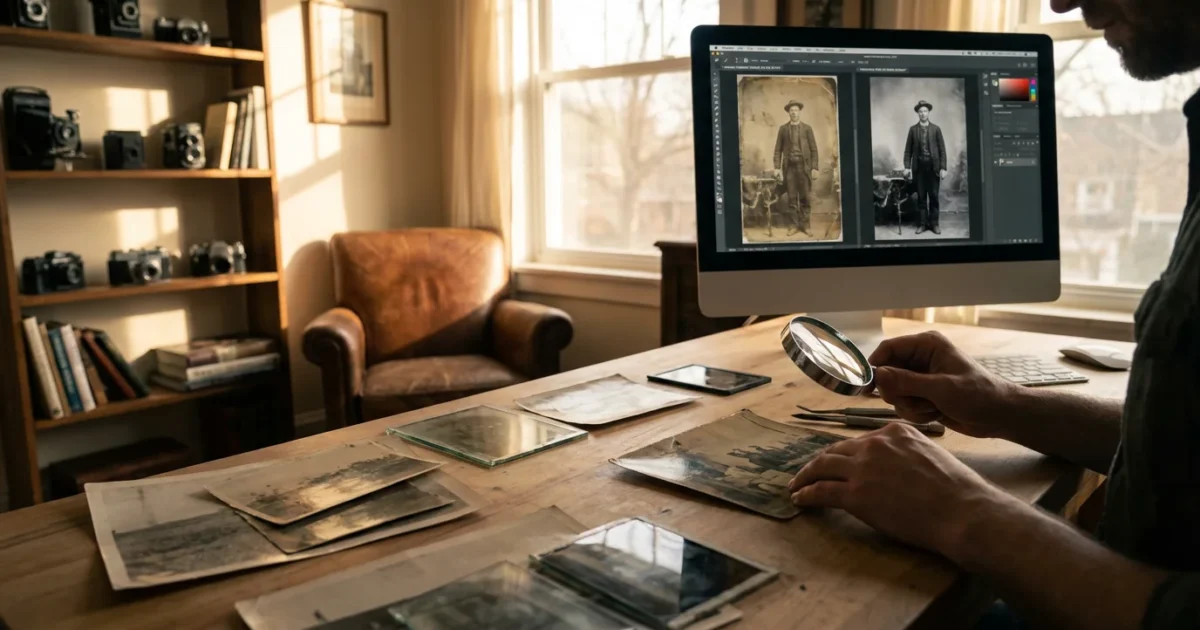
Your old family photographs hold stories, laughter, and memories that connect you to your past. Over time, these precious artifacts can suffer damage from light exposure, moisture, improper storage, or simply age. Fading colors, tears, creases, and even mold can obscure the faces and moments you cherish. While your initial thought might be to attempt a DIY fix, some damage requires specialized skills. Understanding when and how to engage professional photo restoration services protects your photographic heritage for future generations.
Hiring restorers means entrusting someone with irreplaceable items. This guide equips you with the knowledge to make informed decisions, ensuring your photographs receive the expert care they deserve. You will learn what to look for in professional photo restoration, understand the process, and know how to evaluate potential service providers.
Why Consider Professional Photo Restoration Services?
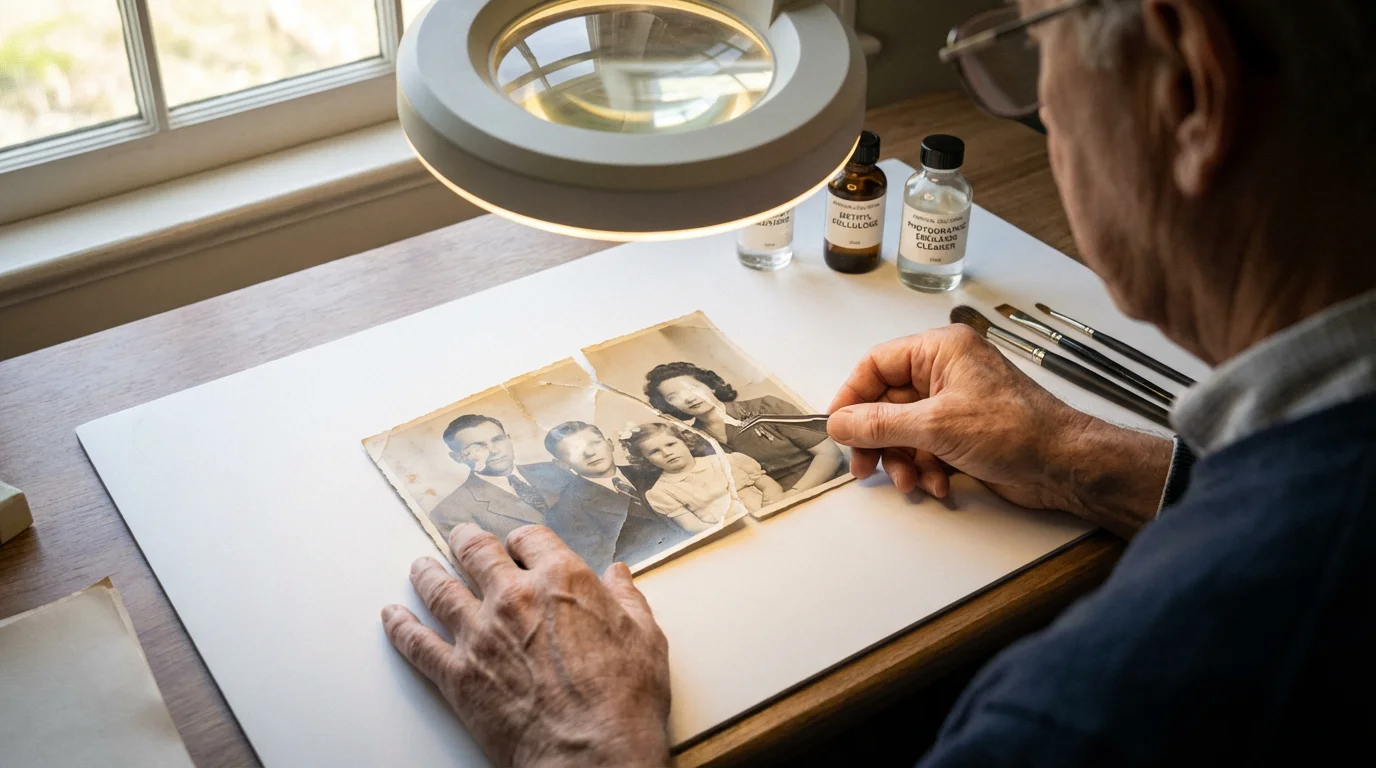
You might possess a collection of photographs exhibiting significant damage, or perhaps a single, irreplaceable image holds deep sentimental value. In many cases, DIY restoration methods, while tempting, carry risks. Amateur attempts can inadvertently worsen damage, especially with delicate materials. Professional photo restoration services offer expertise, specialized tools, and archival-grade practices that amateur efforts cannot replicate.
Think about a photograph with severe cracks running through a loved one’s face. A professional restorer has the skill to meticulously reconstruct the missing details, matching tones and textures to blend seamlessly. They apply non-destructive digital techniques, preserving the original artifact while creating a beautifully restored digital replica. This ensures the integrity of your original photograph remains intact. Experts also understand the chemical compositions of older prints, allowing them to handle delicate materials without causing further degradation. Their goal extends beyond aesthetic improvement. They aim for the long-term preservation of your image, ensuring it passes to future generations in its best possible state.
Understanding Common Photo Damage and Restoration Capabilities
Before you hire professional restoration services, understand what types of damage they can address and what limitations exist. Restoration primarily involves digital manipulation, meaning the original photo remains untouched, but the digital copy undergoes extensive repair.
Because environmental factors often cause this decay, it is helpful to understand how humidity and temperature affect your photo collection to prevent future issues.
Common types of photo damage include:
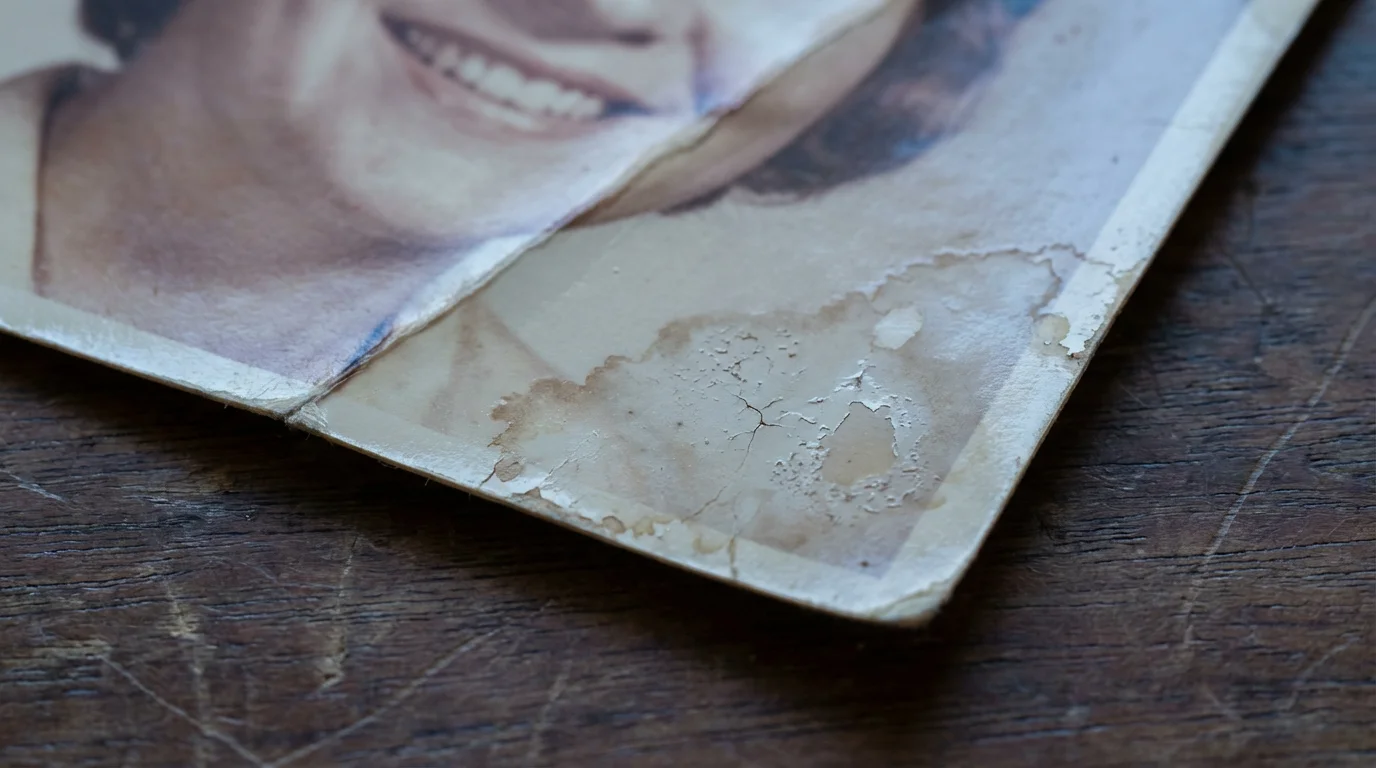
- Fading and Color Shifts: UV light exposure over decades causes dyes to degrade, leading to faded images or shifts toward yellow, red, or blue tones. Professionals expertly rebalance colors, adjust contrast, and restore vibrancy.
- Tears, Creases, and Scratches: Physical damage like rips or folds can obscure parts of an image. Restorers digitally “mend” these imperfections, reconstructing missing areas by sampling surrounding pixels or using reference images.
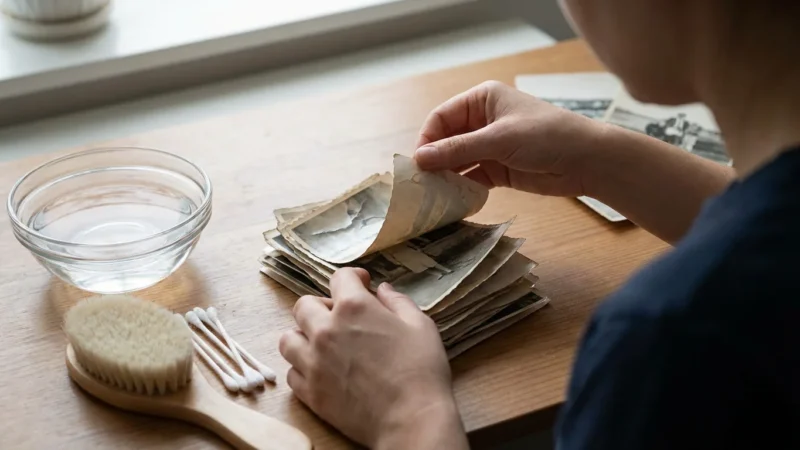
- Water Damage and Stains: Water can cause photos to stick together, warp, or develop unsightly stains and discoloration. These often require careful separation if stuck, followed by digital stain removal and color correction.
- Mold and Mildew: If mold grows on a photo, it can leave permanent marks even after physical removal. Professionals can digitally erase these remnants without harming the original.
- Missing Pieces: For photos with actual missing sections, restorers can often reconstruct areas using surrounding details or reference photos, demonstrating remarkable artistic skill.
- Album Residue: Old photo album adhesives often leave sticky, discolored residue on the back or sometimes seep through to the front. Digital restoration effectively removes these visual blemishes.
While professionals achieve incredible results, some damage proves impossible to reverse completely. For example, if critical details are entirely lost due to chemical degradation or physical destruction, a restorer must “interpret” or guess what existed. They use their expertise to make the most informed choices. Always discuss the extent of damage and realistic outcomes during your consultation.

What to Look For in Professional Photo Restoration Services
Selecting the right service provider requires careful evaluation. You invest in their skill and trust them with your family history. Here are critical factors to consider when hiring restorers:
Experience and Specialization
Seek out professionals with a proven track record specifically in photo restoration. Many general photo shops offer restoration, but a dedicated specialist often brings deeper expertise. Inquire about their years in business and the volume of restoration projects they complete annually. A specialist understands the nuances of various photographic processes, from albumen prints to tintypes and modern color prints.
Portfolio and Before-and-After Examples
A reputable restorer proudly displays a comprehensive portfolio. Review their before-and-after examples carefully. Look for consistency in quality across different types of damage. Do their restorations look natural and seamless, or can you still detect obvious digital manipulation? Pay attention to how they handle faces, which are often the most critical elements in a family photo. High-quality work shows precision and an artistic eye.
Transparent Pricing and Quoting Process
Good professional restoration services provide clear, itemized quotes. They explain how they calculate costs, typically based on the severity of damage, photo size, and complexity of the work. Be wary of services that offer a flat fee for all damage levels, as this often indicates a lack of detailed assessment. A transparent quote prevents unexpected charges later.
Communication and Customer Service
Effective communication is paramount. The restorer should listen to your concerns, understand your goals for the image, and clearly explain their proposed approach. They should provide regular updates throughout the process and offer proofs for your review before finalizing the work. You should feel comfortable asking questions and confident in their responses.
Archival Practices and Output Quality
This is a crucial point often overlooked. A professional restorer uses archival-grade scanning and printing methods. They should provide high-resolution digital files (e.g., TIFFs, high-quality JPEGs) that capture maximum detail and allow for future preservation and printing. If you request physical prints, ensure they use archival inks and papers designed for longevity, preventing further degradation. For further reading on archival quality, the Image Permanence Institute offers excellent resources on material stability and digital preservation.
Technology and Tools
While artistic skill is vital, modern restoration relies heavily on advanced digital imaging software and high-resolution scanners. Ask about the equipment and software they use. High-quality flatbed scanners designed for photographic materials ensure accurate capture of every detail without causing damage to the original. Proficiency with software like Adobe Photoshop, combined with specialized plugins, empowers them to achieve superior results.
Turnaround Time
Inquire about their typical turnaround time. This varies widely based on the complexity of the project and the restorer’s current workload. While you want timely service, remember that meticulous restoration takes time. Be cautious of services promising exceptionally fast turnarounds for complex jobs, as this might indicate rushed or lower-quality work.
“True photographic preservation extends beyond fixing visible damage. It involves understanding the original materials, employing non-destructive digital techniques, and delivering results that stand the test of time, both digitally and physically. A skilled restorer acts as both an artist and a conservator.”
The Restoration Process: What to Expect
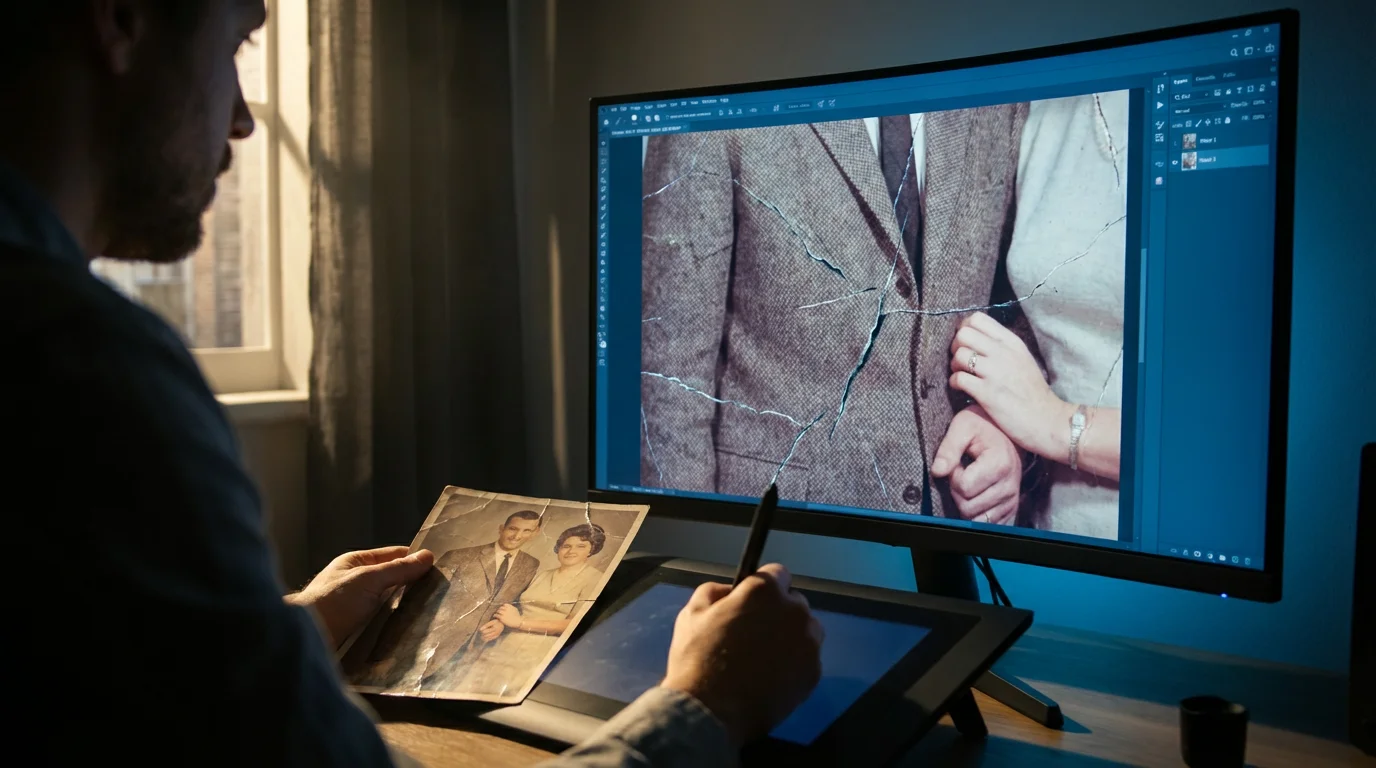
Understanding the typical restoration workflow empowers you to navigate the process with confidence. While individual services may have slight variations, a standard process includes several key stages:
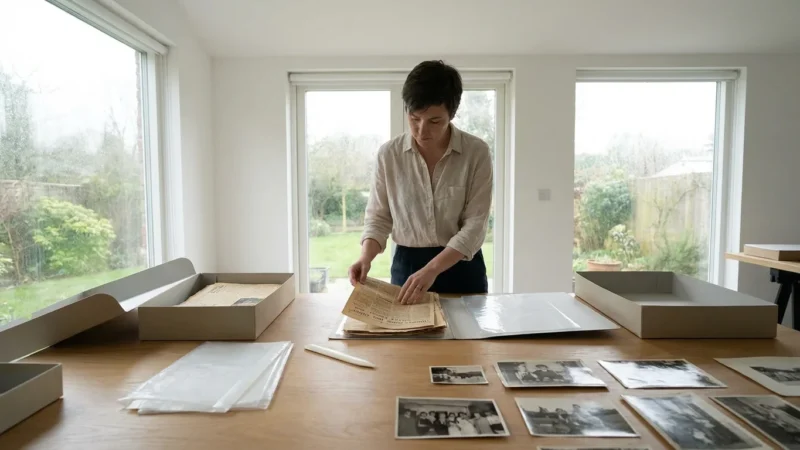
When your original photographs are returned to you, ensure they are stored in the best archival boxes to provide a safe, acid-free environment for the future.
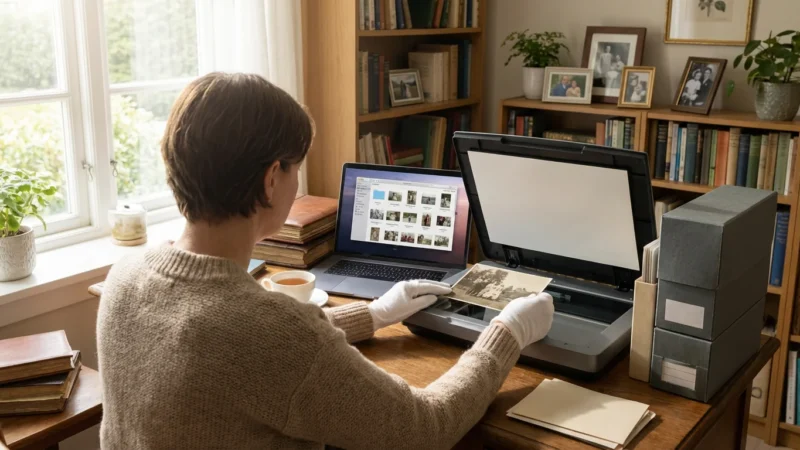
Once the physical repairs are complete, it is vital to remember the importance of backing up physical photos digitally to ensure your family history is never lost again.
- Initial Consultation and Assessment: You provide the damaged photograph, either in person or by submitting high-quality scans. The restorer examines the damage, discusses your goals, and provides an estimate. They explain what repairs are feasible and the expected outcome.
- High-Resolution Scanning: Once you approve the quote, the professional creates a high-resolution digital scan of your original photo. This step is crucial. It captures every existing detail and forms the basis for all subsequent digital work. The original photo remains physically untouched during the digital restoration.
- Digital Restoration Work: Using specialized software, the restorer meticulously repairs the digital image. This involves color correction, contrast adjustments, blemish removal, tear mending, and reconstruction of missing areas. This stage requires significant skill and patience.
- Proofing and Revisions: The restorer typically provides you with a digital proof of the restored image. This allows you to review the work, provide feedback, and request minor adjustments. This collaborative step ensures the final image meets your expectations.
- Final Delivery: Upon your final approval, you receive the restored digital files, often in multiple formats (e.g., a high-resolution TIFF for archiving, a JPEG for sharing). If you ordered prints, they produce archival-quality reproductions using appropriate materials.
- Return of Originals: The original photograph is safely returned to you, still in its original condition.
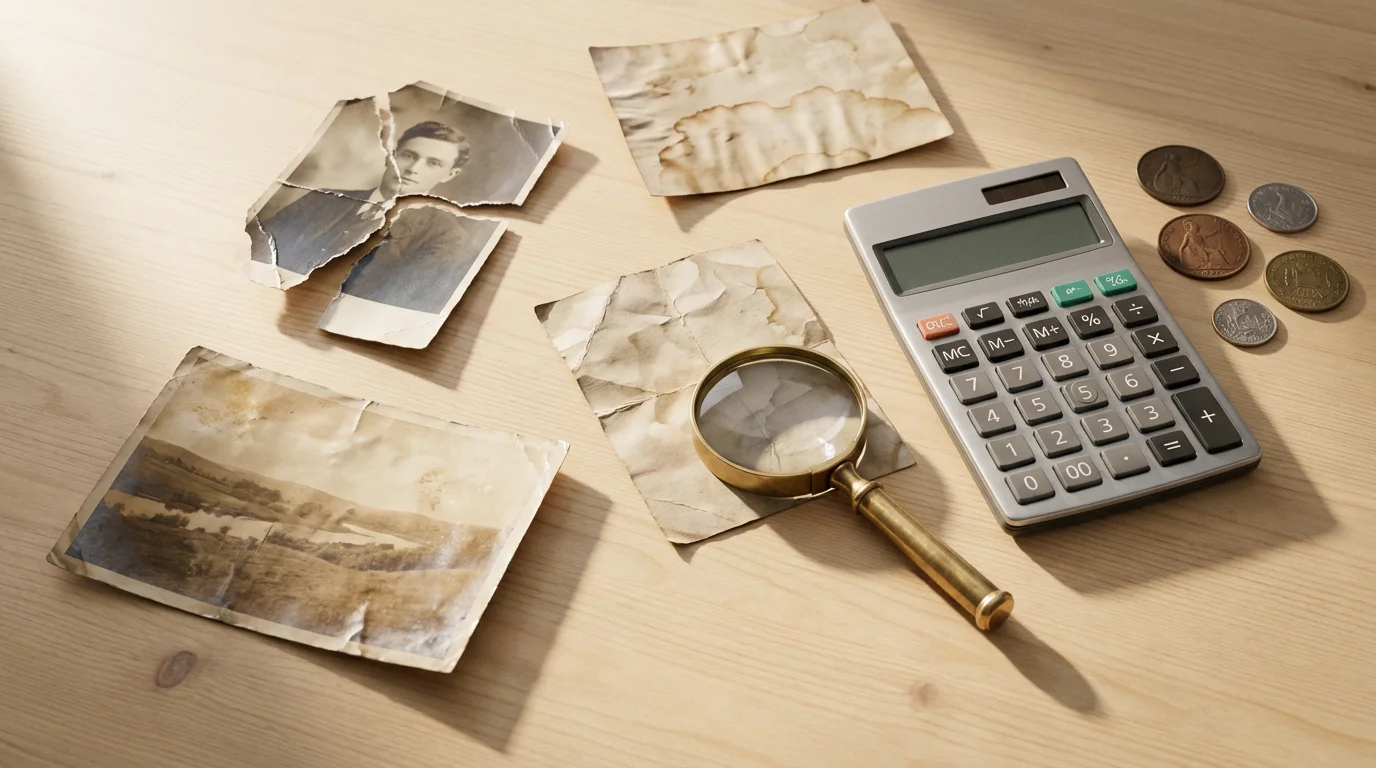
How Much Does Photo Restoration Cost?
The cost of professional photo restoration varies significantly, reflecting the skill, time, and technology involved. Understanding the factors influencing price helps you budget and evaluate quotes effectively.
If you decide to print your restored digital files yourself, using the best photo printing services ensures that the restoration work is translated accurately onto high-quality paper.
Key factors affecting the cost include:
- Severity of Damage: This is the most significant determinant. A faded image requiring color correction costs less than a severely torn, water-damaged photo with missing sections. Restorers often categorize damage as light, moderate, or heavy.
- Photo Size: Larger photographs sometimes require more scanning time and greater attention to detail in digital repair, which can influence pricing.
- Complexity of Repair: Some damage types are more challenging to fix than others. For example, reconstructing a missing face or hand requires more expertise and time than removing simple dust spots.
- Color vs. Black and White: While both require skill, color images can present more challenges in color balancing and correction. Black and white photo restoration often focuses on contrast, tone, and blemish removal.
- Number of Photos: Some services offer discounts for bulk orders, though this often applies to photos with similar, light damage.
- Turnaround Time: Expedited services usually incur an additional fee due to the need to prioritize your project.
- Deliverables: The type and number of digital files, along with physical prints on archival paper, all contribute to the final price.
As a general guideline, expect prices for a single photograph to range widely. Simple corrections, such as minor dust removal or slight color adjustments, might start around $30-$70. Moderate damage, involving significant fading, minor tears, or light water stains, could range from $70-$150. Heavily damaged photographs, requiring extensive reconstruction, major tear repair, or severe discoloration, often cost $150-$400 or more per image. These figures serve as an estimate. Always obtain a detailed quote based on your specific photograph.
Preparing Your Photos for Restoration
Proper preparation ensures your photographs arrive safely and allows the restorer to begin work efficiently. Follow these actionable steps:
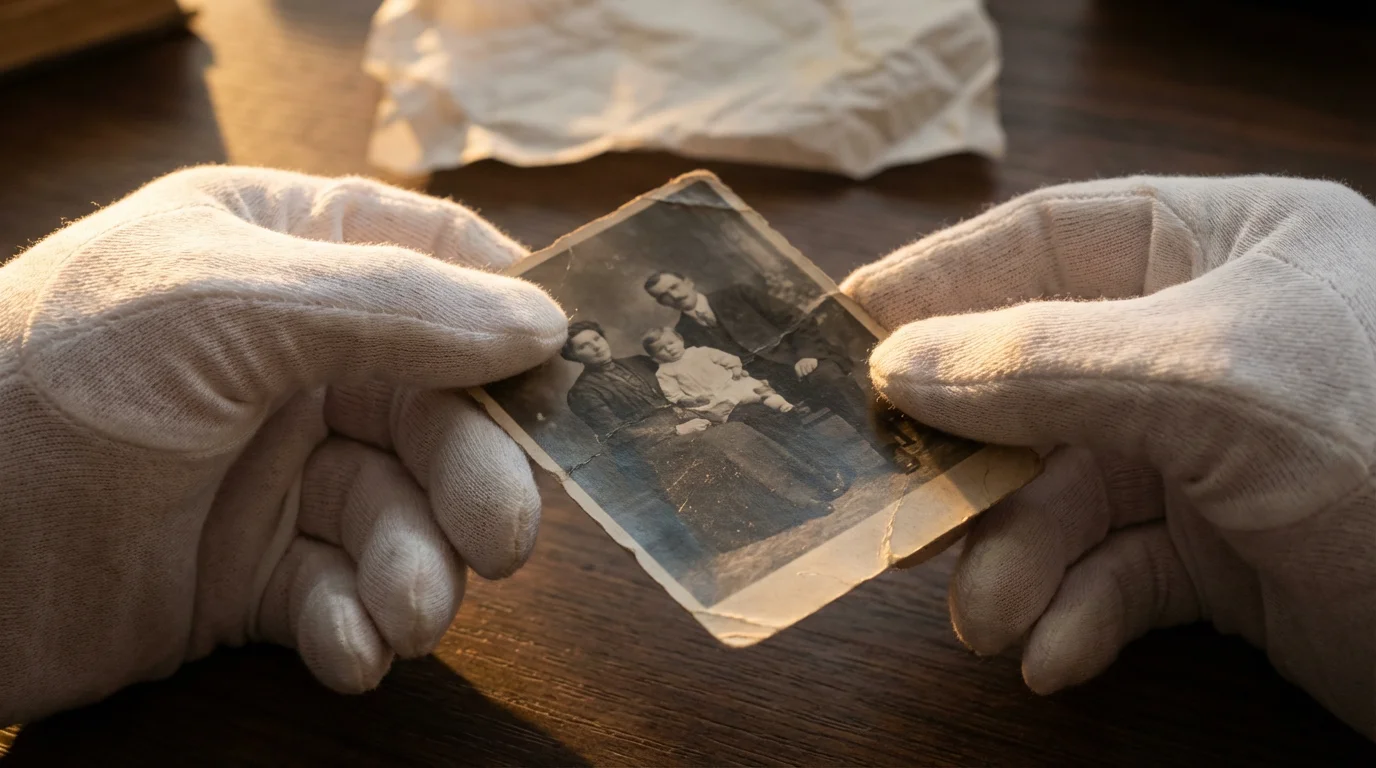
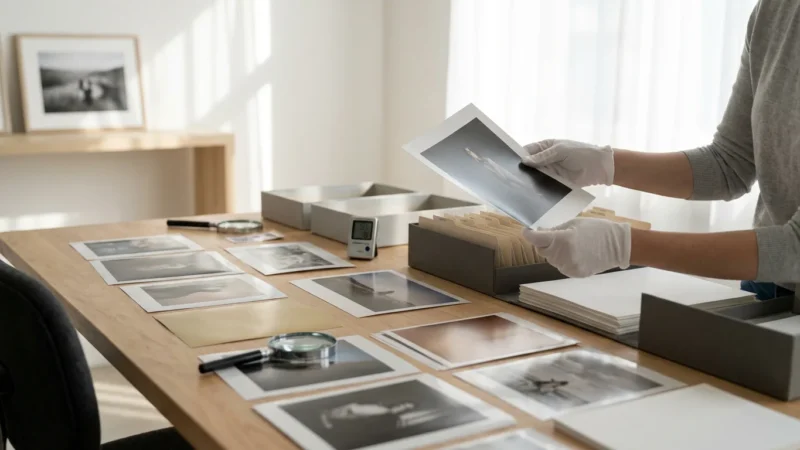
- Handle with Care: Always hold photographs by the edges to avoid transferring oils from your skin, which can cause new damage. Use clean, lint-free cotton gloves when handling very old or delicate prints.
- Document the Damage: Take clear, well-lit photos of the damage from various angles before sending your originals. This provides a baseline and helps you communicate specific concerns.
- Avoid DIY Repairs: Resist the urge to tape tears, iron creases, or try to clean the photo yourself with household products. These actions can cause irreversible damage or make professional restoration much harder.
- Protect for Transport: Place each photograph in a separate, archival-safe sleeve or envelope. Use rigid cardboard or foam core to prevent bending during shipping. Label each package clearly with your name and contact information.
- Communicate Your Needs: Clearly articulate your expectations for the restored image. Do you want colorization? Do you need specific elements removed or added? Detailed instructions help the restorer achieve your desired outcome.
- Research and Select: Take time to research and select a reputable restorer using the criteria discussed earlier. Do not rush this critical decision.

Avoiding Pitfalls and Red Flags When Hiring Restorers
While many excellent professional photo restoration services exist, some pitfalls await the unwary. Stay vigilant for these red flags:
- Unrealistic Promises: Be skeptical of services that guarantee perfection for every photo, regardless of damage severity. Some damage is simply too extensive to completely recreate missing details. A realistic assessment is a sign of honesty.
- Lack of Portfolio or Samples: If a restorer cannot or will not provide before-and-after examples of their work, move on. A strong portfolio demonstrates their skill and experience.
- Vague or Undetailed Pricing: A quote that simply states a blanket price without explaining how they arrived at it for your specific photo is a red flag. Insist on a clear breakdown of costs based on the complexity and scope of work.
- Poor Communication: If a service is slow to respond, vague in their answers, or difficult to contact, this indicates potential issues during the project. You need clear, open communication.
- No Archival Understanding: A professional should discuss output formats, file types, and archival printing options. If they only offer low-resolution JPEGs or standard prints, they may not prioritize long-term preservation.
- Requiring Original Photos to be Sent via Standard Mail Without Tracking: Always use secure, trackable shipping methods when sending irreplaceable originals. A reputable service advises you on the safest shipping protocols.

Preserving Your Restored Images
Restoring your photographs is an investment in your family’s legacy. Ensure that investment lasts by implementing proper preservation strategies for both your newly restored digital files and the original physical prints.
Digital Preservation
- Multiple Backups: Store your high-resolution restored files in at least three different locations. This includes an external hard drive, cloud storage (e.g., Google Photos, Dropbox), and potentially a network-attached storage (NAS) device.
- Organize and Name Files: Implement a consistent file-naming convention. Include dates, subjects, and keywords (e.g., “1952_SmithFamilyPicnic_GrandmaBetty.tif”). This makes finding images easy years from now.
- Metadata: Embed descriptive metadata (information about the image, such as date taken, subjects, location, and restorer’s name) directly into your digital files. Many photo management programs allow this.
- Migration Strategy: Technology evolves. Periodically review your digital storage methods and migrate files to newer formats or devices as needed. This proactive approach prevents obsolescence.
Physical Preservation (Originals and New Prints)
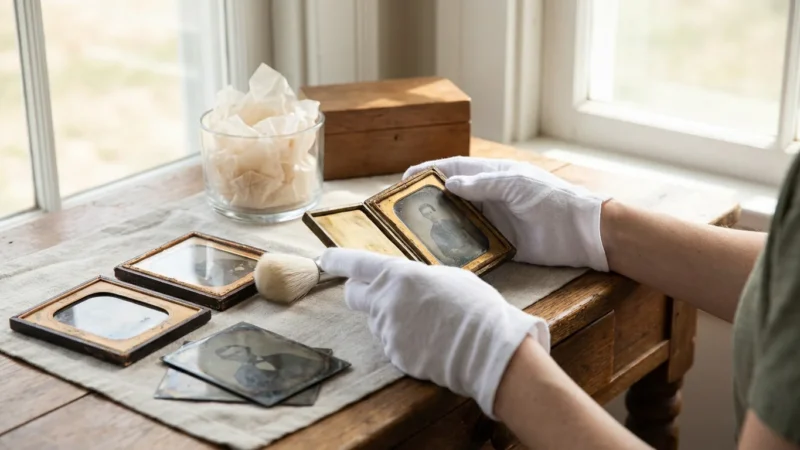
- Archival Storage: Store original photographs and any new archival prints in acid-free, lignin-free, and PVC-free enclosures. This includes sleeves, envelopes, and boxes. These materials prevent chemical reactions that cause fading and degradation over time. The American Institute for Conservation provides detailed guidelines on proper material handling and storage.
- Environmental Control: Store photographs in a cool, dark, and dry environment with stable temperature and humidity. Avoid attics, basements, and garages, which experience extreme fluctuations. A consistent indoor climate protects against mold, warping, and fading.
- Flat Storage: Store prints flat rather than rolled, especially large ones. If rolling is necessary, use archival-safe tubes.
- Handle Minimally: Continue to handle physical prints with clean cotton gloves, and limit exposure to light and air.
Your journey to preserve your photo memories does not end with restoration. It marks a new beginning, safeguarding these precious historical documents for generations to come. By choosing professional photo restoration services wisely and following sound preservation practices, you ensure your family’s visual heritage endures.
Frequently Asked Questions
What types of photos can you restore?
Professionals restore most types of photographic prints, including black and white, sepia-toned, and color prints from various eras. They handle daguerreotypes, tintypes, albumen prints, silver gelatin prints, and modern photographic paper. The restoration process is typically digital, meaning they work on a scanned copy, preserving your original physically.
How long does professional photo restoration take?
The duration varies depending on the extent of damage and the restorer’s current workload. Simple restorations, like minor color correction or dust removal, may take a few days. Heavily damaged photos requiring extensive reconstruction often take several weeks to a month or more. Always discuss estimated turnaround times with your chosen service provider.
Do I get my original photo back after restoration?
Yes, absolutely. Professional photo restoration involves creating a high-resolution digital scan of your original photo and then performing all repairs on that digital file. Your original photograph remains untouched and returns to you in its initial condition. You receive the restored digital files and any prints you ordered.
Is it worth paying for professional photo restoration?
If you possess irreplaceable family photographs with significant sentimental value or historical importance, professional restoration is often a worthwhile investment. Experts bring specialized skills, archival knowledge, and advanced tools that protect your original and produce high-quality, long-lasting restored images. This ensures your precious memories pass down through generations.
Can you restore a photo if pieces are missing?
Yes, restorers often achieve impressive results even with missing pieces. They use advanced digital techniques to reconstruct missing areas by sampling surrounding details, matching textures, and applying their artistic expertise to fill in gaps. The success rate depends on the size and significance of the missing parts, particularly if they include critical facial features.
Disclaimer: This article is for informational purposes only. When handling valuable or irreplaceable photographs, consider consulting a professional conservator. Always test preservation methods on non-valuable items first.



Leave a Reply