

Your Polaroid photos capture moments with a unique, tangible charm, a direct link to the past you can hold in your hand. From candid snapshots of family gatherings to artful landscapes, these instant prints are more than just images; they are precious artifacts. However, Polaroids, particularly vintage ones, are inherently delicate. Their chemical composition and lack of traditional protective layers make them susceptible to fading, discoloration, and physical damage over time. Protecting these memories demands specific care, ensuring their vibrant colors and crisp details endure for generations. This guide provides actionable steps to safeguard your instant photo heritage, helping you preserve those irreplaceable moments.
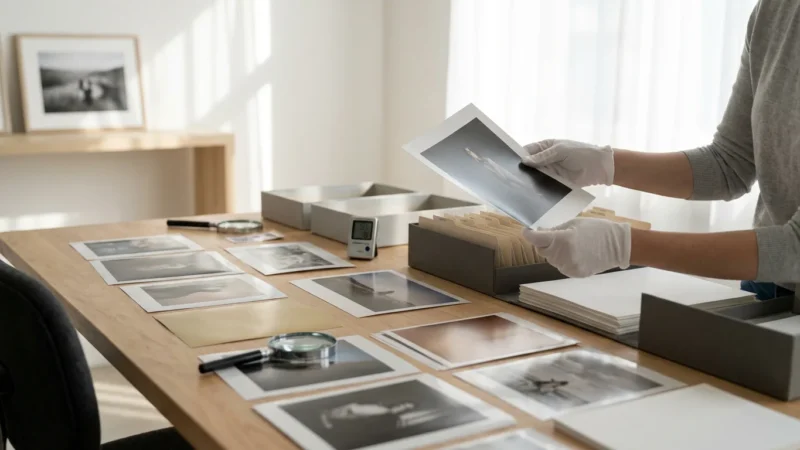
Establishing a proper home photo archive allows you to keep these fragile prints safe for the long term.
Understanding Polaroid Vulnerability
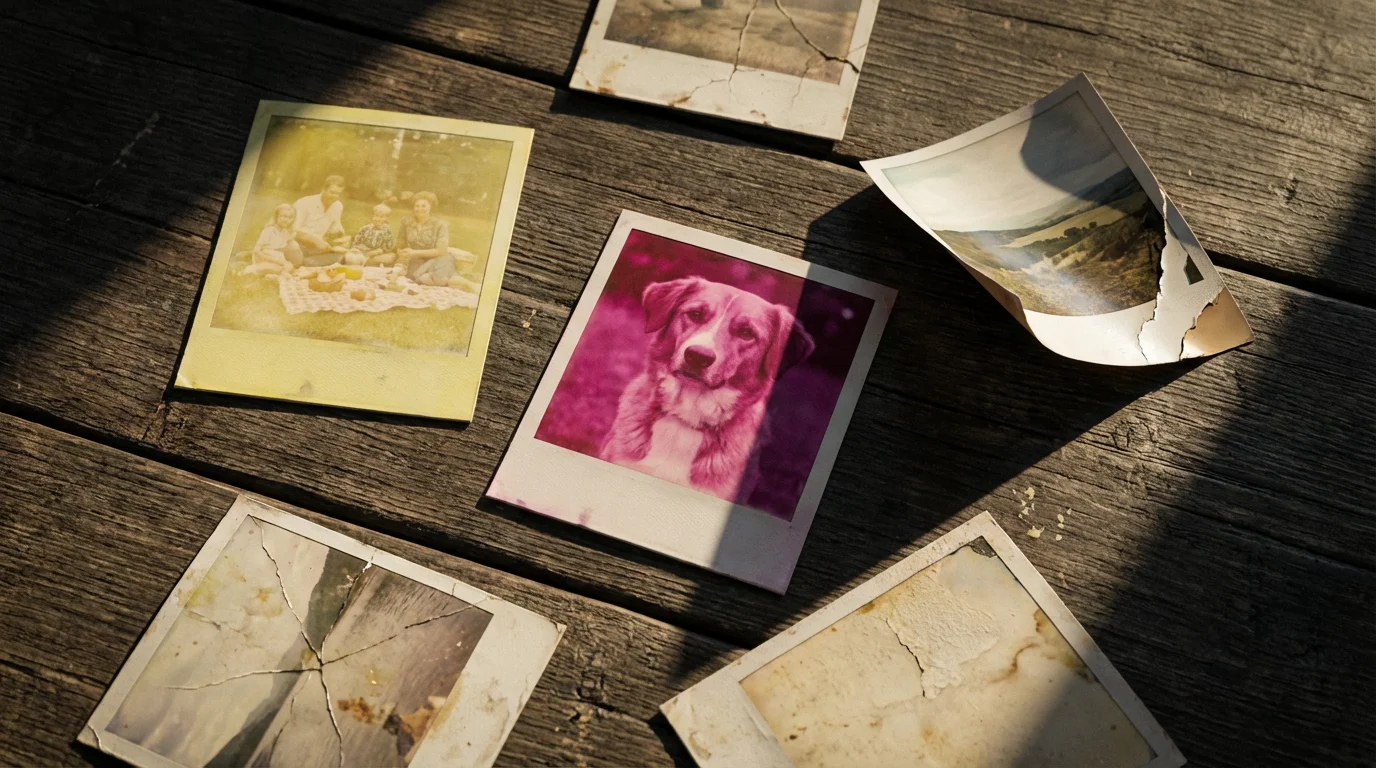
To effectively protect your Polaroid photos, understand what makes them so fragile. Unlike traditional photographic prints, instant film processes its chemicals right on the print itself. This unique process leaves the image more exposed to environmental factors, contributing to their distinctive aging patterns.
Knowing the differences between photo paper types can help you identify why Polaroids require more specialized care than standard prints.
* **Chemical Instability:** Polaroid film contains multiple layers of chemicals that react to light, heat, and humidity. Over time, these chemical reactions can continue, causing colors to shift, fade, or develop an unwanted yellowish or brownish tint. For example, the blue layer in older SX-70 film often fades faster than other colors, leading to warmer, redder images.
* **Light Sensitivity:** Direct sunlight, and even prolonged exposure to ambient indoor light, accelerates fading. The UV radiation in light breaks down the dyes in the emulsion, causing colors to lose their intensity. Consider a Polaroid left on a sunlit windowsill compared to one stored in a dark box; the difference in fading after just a few months can be dramatic.
* **Temperature and Humidity Fluctuations:** Extreme heat can cause the emulsion layers to stick together or crack. High humidity encourages mold growth and can cause the various layers of the print to separate. Conversely, overly dry conditions can make prints brittle. Think of how paper curls in a humid environment; Polaroids can experience similar distress.
* **Lack of Protective Layer:** Many instant films, particularly older generations, lack the robust protective coating found on modern photo papers. This absence makes them more susceptible to scratches, fingerprints, and smudges, which can permanently mar the image surface.
Understanding these vulnerabilities empowers you to implement targeted `Polaroid preservation` strategies. You are not just storing a photograph, you are protecting a delicate chemical reaction.
Immediate Care After Shooting: The First 24 Hours
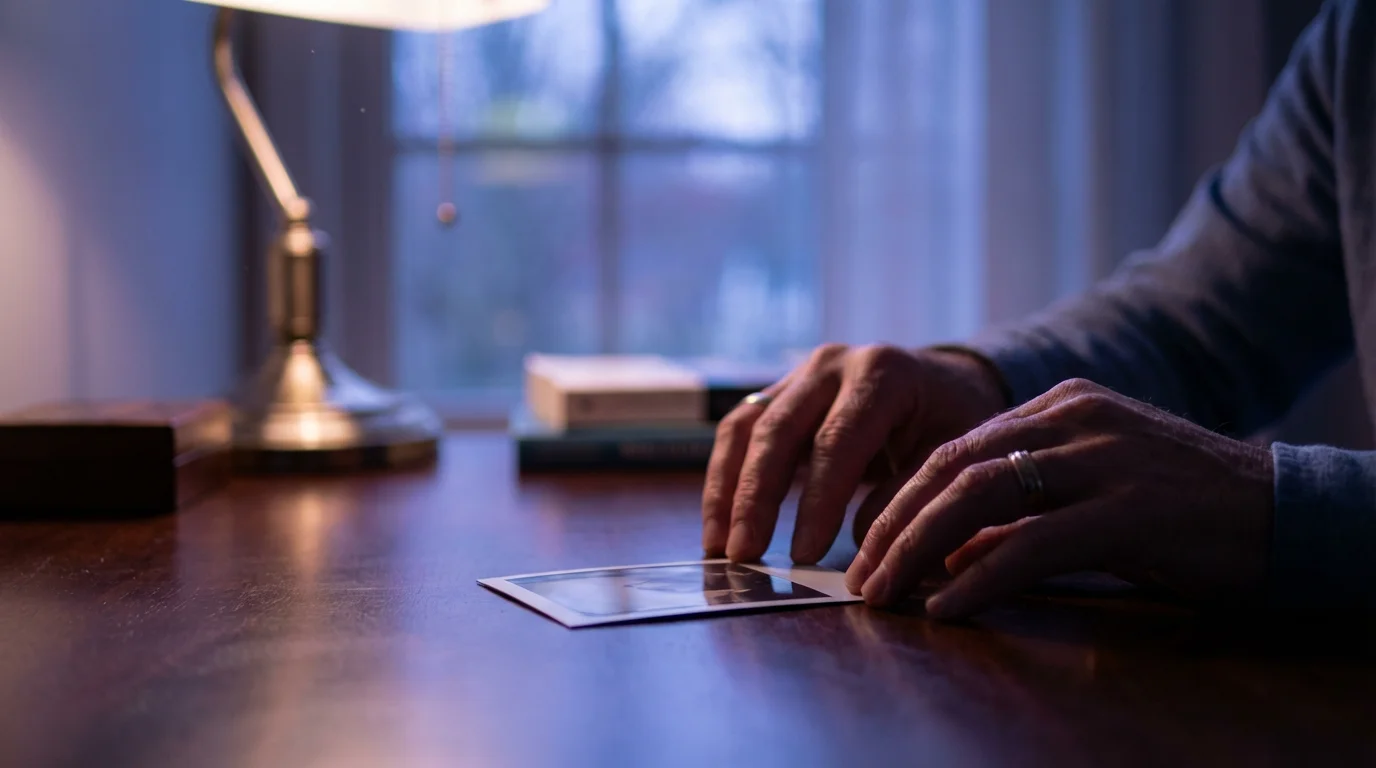
The moments immediately following a Polaroid photo’s ejection are crucial for its long-term stability and image quality. Proper care during this initial development phase significantly influences how well your `instant photo care` efforts will perform years down the line.
1. **Do Not Shake the Photo:** This is a common misconception, often fueled by pop culture. Shaking a Polaroid print does not speed up development. In fact, it can interfere with the chemical layers settling evenly, potentially causing blotches, streaks, or even separating the internal chemistry, leading to image degradation. Let the chemicals do their work undisturbed.
2. **Protect from Light Immediately:** Modern Polaroid film has improved light-shielding capabilities compared to vintage film, but all instant prints are sensitive during development. As soon as the photo ejects, shield it from bright light. Place it face-down on a clean surface, slide it into a pocket, or use a “frog tongue” accessory if your camera has one. This minimizes light exposure during the critical first minutes and hours of development, helping prevent premature fading or color shifts.
3. **Maintain Optimal Development Temperature:** Instant film chemistry works best within a specific temperature range, typically between 55°F (13°C) and 82°F (28°C).
* **In Cold Weather:** If you shoot in cold conditions, keep the developing photo warm. Tuck it into an inner pocket close to your body heat. Cold temperatures can slow down the chemical reaction, resulting in images with muted colors, reduced contrast, and a greenish tint.
* **In Hot Weather:** If shooting in hot conditions, keep the photo cool, but do not refrigerate it. Extreme heat can lead to oversaturated colors, chemical fogging, or a reddish cast.
4. **Allow Full Development:** The full development process for a Polaroid photo can take anywhere from 10 to 30 minutes, depending on the film type (e.g., i-Type, SX-70, 600) and environmental conditions. Resist the urge to constantly check the print. Give it ample time to fully develop in a protected, stable environment before handling it extensively or storing it away. Patience at this stage pays off in better final image quality and longevity.
Optimal Storage Solutions for Long-Term Polaroid Preservation
Once your Polaroids have fully developed, their long-term survival depends heavily on how you store them. Proper storage is paramount to preventing fading, chemical degradation, and physical damage. This section outlines the `best way to store Polaroid pictures` to ensure their longevity.
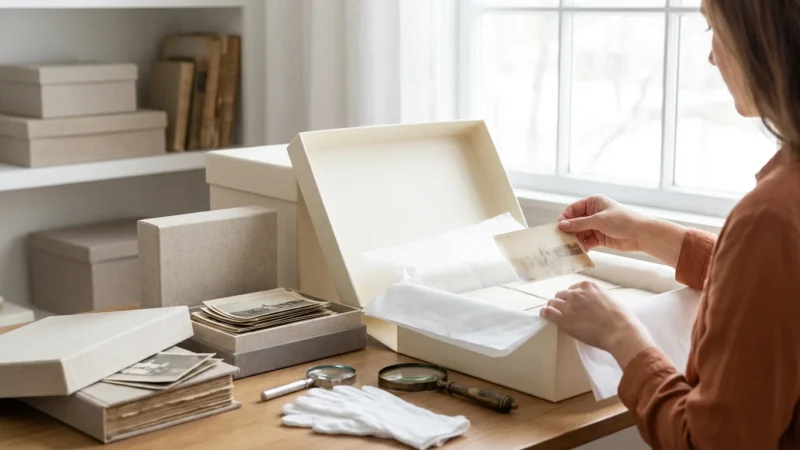
Beyond storage, building a formal photo organization system helps you maintain order as your collection grows.
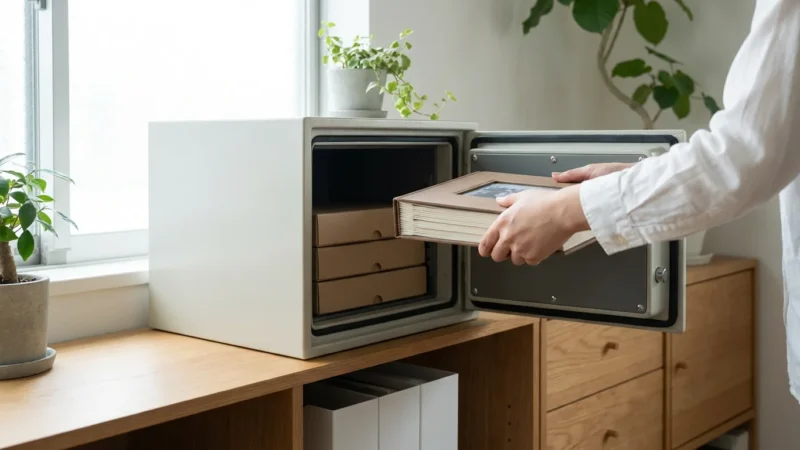
For added security against heat and fire, you may choose to preserve photos in a fireproof safe.
If your collection is ever exposed to flooding or leaks, knowing the steps for restoring water-damaged photos can save your irreplaceable memories.
1. **Choose Archival-Quality Sleeves:**
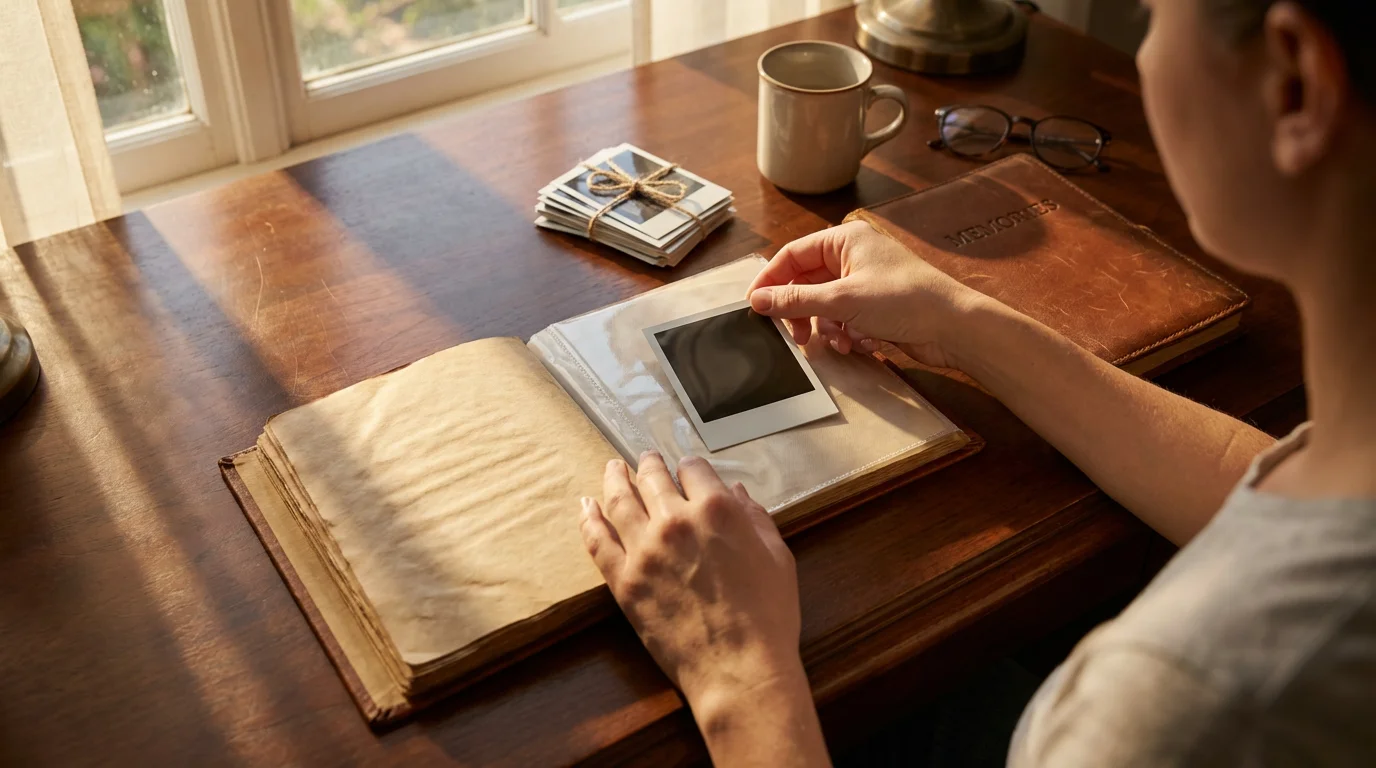
* **Material Matters:** Store each Polaroid in an individual, archival-quality sleeve. Look for sleeves made from polypropylene, Mylar (Polyester), or polyethylene. These plastics are chemically stable and will not react with your photos over time. Avoid PVC (polyvinyl chloride) sleeves, which are often found in cheap photo albums. PVC contains plasticizers that can leach out, stick to your photos, and cause irreversible damage, including discoloration and chemical degradation.
* **Size and Fit:** Select sleeves that are slightly larger than your Polaroid prints, allowing for easy insertion and removal without bending or creasing the photo. This physical protection guards against fingerprints, scratches, and abrasions.
2. **Utilize Acid-Free, Lignin-Free Storage Boxes:**
* **Box Construction:** After sleeving your photos, store them upright in sturdy, archival-quality boxes. These boxes are specifically designed to be acid-free and lignin-free, preventing harmful chemicals from migrating to your photographs. Acid and lignin are naturally present in many paper products and can cause yellowing and embrittlement over time.
* **Proper Orientation:** Store photos vertically to prevent pressure on the emulsion surface, which can lead to sticking or damage. You can use acid-free index cards or spacers to keep smaller groups of photos upright if your box is not full.
* **Labeling:** Label your boxes clearly with dates, events, or subjects. This makes it easier to find specific photos without unnecessary handling of the entire collection.
3. **Control the Environment:**
* **Temperature and Humidity:** Store your Polaroid photos in a stable, cool, and dry environment. The ideal conditions are generally around 68°F (20°C) and 30-50% relative humidity. Avoid attics, basements, garages, and external walls, which experience significant temperature and humidity fluctuations. These environments are prime breeding grounds for mold, insects, and accelerated chemical deterioration. The Image Permanence Institute (IPI) provides extensive research on optimal environmental conditions for photographic materials, emphasizing stable temperature and humidity as critical factors in `Polaroid preservation`.
* **Darkness:** Store photos in darkness. Light, even indirect ambient light, contributes to fading. Keeping them in opaque, archival boxes minimizes this exposure.
4. **Avoid Harmful Adhesives and Albums:**
* **No Sticky Pages:** Steer clear of traditional “magnetic” photo albums or self-adhesive pages. The adhesives used in these albums are often highly acidic and will irreversibly damage your photos, causing them to yellow, become brittle, and stick permanently to the page.
* **Photo Corners or Photo-Safe Tape:** If you wish to mount your Polaroids in an album, use photo corners or photo-safe mounting tape (look for “archival-quality” or “acid-free” labels). These methods hold the photo without direct contact between the adhesive and the print.
* **Photo-Safe Albums:** Choose albums specifically labeled “archival” or “photo-safe,” ensuring all components (pages, covers, adhesives) meet preservation standards.
By diligently following these guidelines for `vintage Polaroids` and newer prints alike, you provide your instant photographs with the best chance of survival against the ravages of time.
Digitizing Your Polaroids: Creating Secure Digital Backups
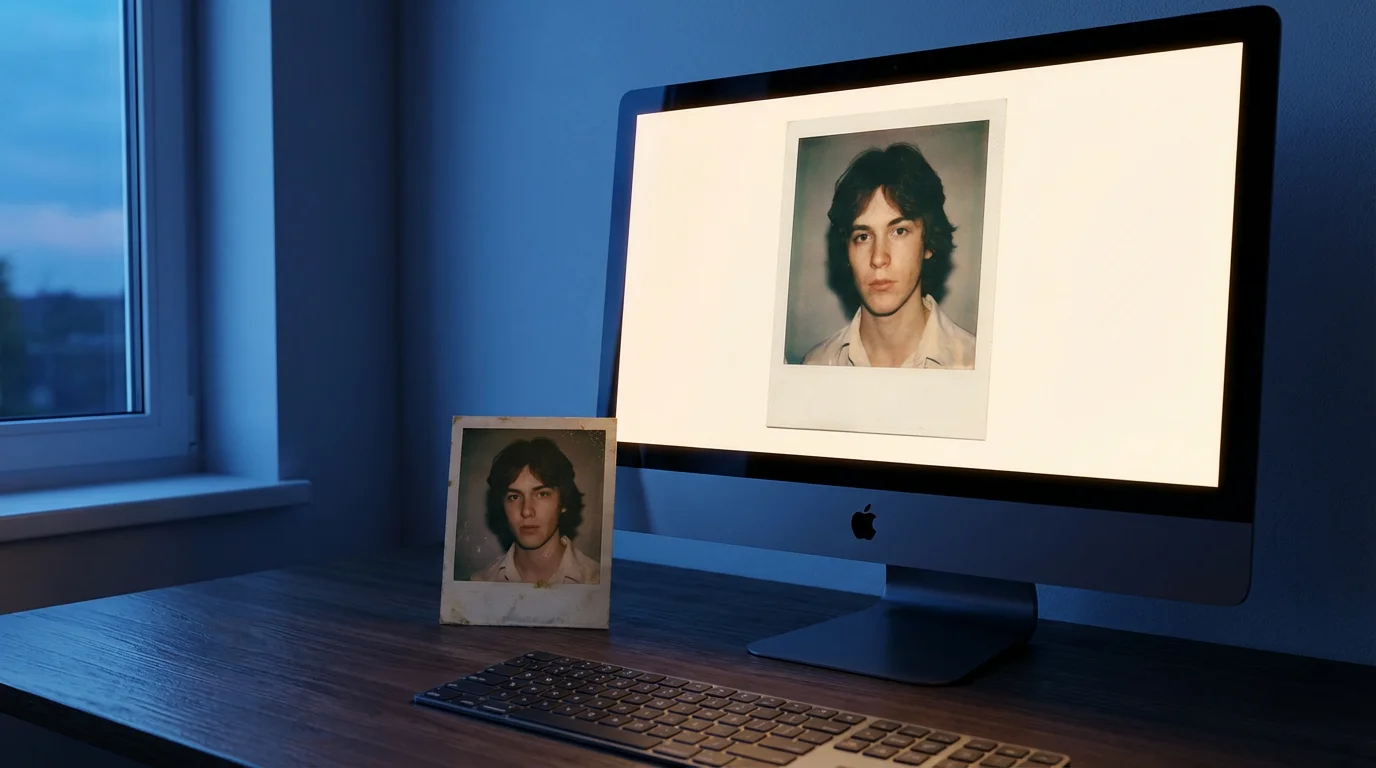
Even with the best physical `Polaroid preservation` methods, original prints remain vulnerable to unforeseen events like floods, fires, or accidental damage. Digitizing your Polaroid collection creates an invaluable safeguard: a digital backup that ensures your memories endure, even if the physical prints are lost or damaged. This process also helps you preserve `old Polaroid photos from fading` by capturing their current state.
If your digital scans highlight damage you cannot fix yourself, professional photo restoration services can offer specialized help.
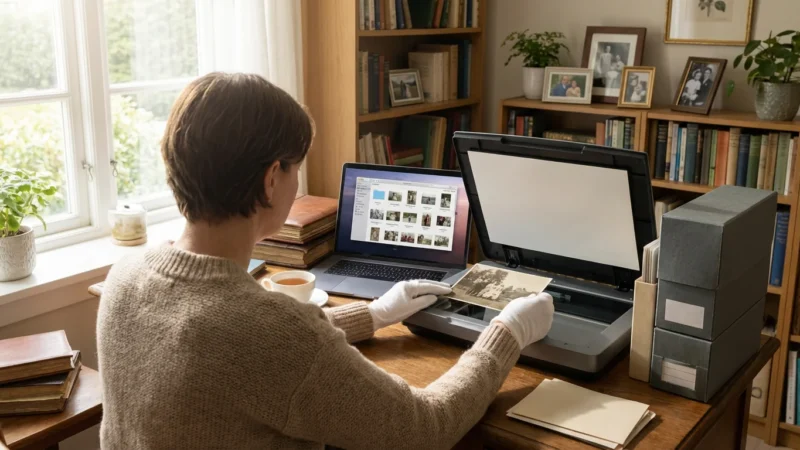
For most collectors, learning how to scan old photos at home using a flatbed scanner is the most cost-effective way to achieve professional results.
1. **Why Digitizing is Essential:**
* **Insurance Against Loss:** Digital files protect against physical damage or loss of the originals.
* **Accessibility:** Share photos easily with family and friends across distances.
* **Restoration Potential:** Digital copies can be enhanced, color-corrected, or even restored using photo editing software, addressing fading or damage that cannot be reversed on the physical print.
* **Organized Collections:** Digital formats allow for easy organization, tagging, and searching.
2. **Choosing Your Digitization Method:**
* **Flatbed Scanner:** This is the preferred method for quality and control.
* **High Resolution:** Scan at a minimum of 600 dots per inch (dpi), preferably 1200 dpi, to capture fine details and allow for future cropping or enlargement. Higher DPI captures more data, which is crucial for detailed digital restoration.
* **Color Depth:** Scan in 24-bit color or higher to capture the full range of tones and colors present in the original.
* **Handling:** Place Polaroids gently on the scanner bed, ensuring they lie flat without bending. Avoid scanner models with automatic document feeders, which can damage delicate prints. Clean the scanner glass before each use to prevent dust from appearing on your digital files.
* **File Format:** Save original scans as uncompressed TIFF files. TIFFs retain maximum image data, making them ideal for archival purposes and future editing. You can then create smaller JPEG copies for sharing or everyday viewing.
* **No Flash:** Turn off any auto-correction or “enhancement” features on your scanner software during the initial scan. You want a raw, accurate capture of the original.
* **Smartphone Scanner Apps:** While convenient, these offer lower quality than a flatbed scanner.
* **Limitations:** Good for quick sharing but not ideal for archival purposes. They may introduce lens distortion, glare, or lower resolution compared to dedicated scanners.
* **Best Use:** Use them for initial cataloging or casual sharing. Apps like Google PhotoScan can help reduce glare, but they cannot replicate the detail of a flatbed scan.
* **Professional Digitization Services:**
* **When to Consider:** For very large collections, extremely fragile `vintage Polaroids`, or if you lack the time and equipment for DIY scanning, professional services are an excellent option.
* **What to Look For:** Choose services specializing in photo preservation. Inquire about their scanning resolution, file formats, handling procedures, and storage recommendations for the digital files.
3. **Organizing and Storing Your Digital Files:**
* **Consistent Naming:** Implement a consistent naming convention (e.g., `YYYY-MM-DD_Event_Subject.tif`).
* **Folder Structure:** Create a logical folder structure (e.g., “Family Photos” > “Polaroids” > “1980s” > “Summer Vacation 1985”).
* **Multiple Backups:** Follow the 3-2-1 backup rule: at least three copies of your data, stored on two different types of media, with one copy offsite. This could mean your computer hard drive, an external hard drive, and a cloud storage service.
* **Metadata:** Add keywords, dates, and descriptions to your digital images (metadata) using photo management software. This makes finding specific photos much easier in the future.
Digitizing your Polaroids is a proactive step in `how to preserve old Polaroid photos from fading`, creating a resilient memory archive.
If your original prints have already suffered significant damage, you may want to research professional photo restoration services to see if the images can be digitally salvaged.
Handling and Display Best Practices
Even after meticulous storage, how you handle and display your Polaroids significantly impacts their longevity. Every touch, every moment in the light, contributes to their wear and tear. Adopt careful practices to extend the life of these unique prints.
1. **Handle with Care and Clean Hands:**
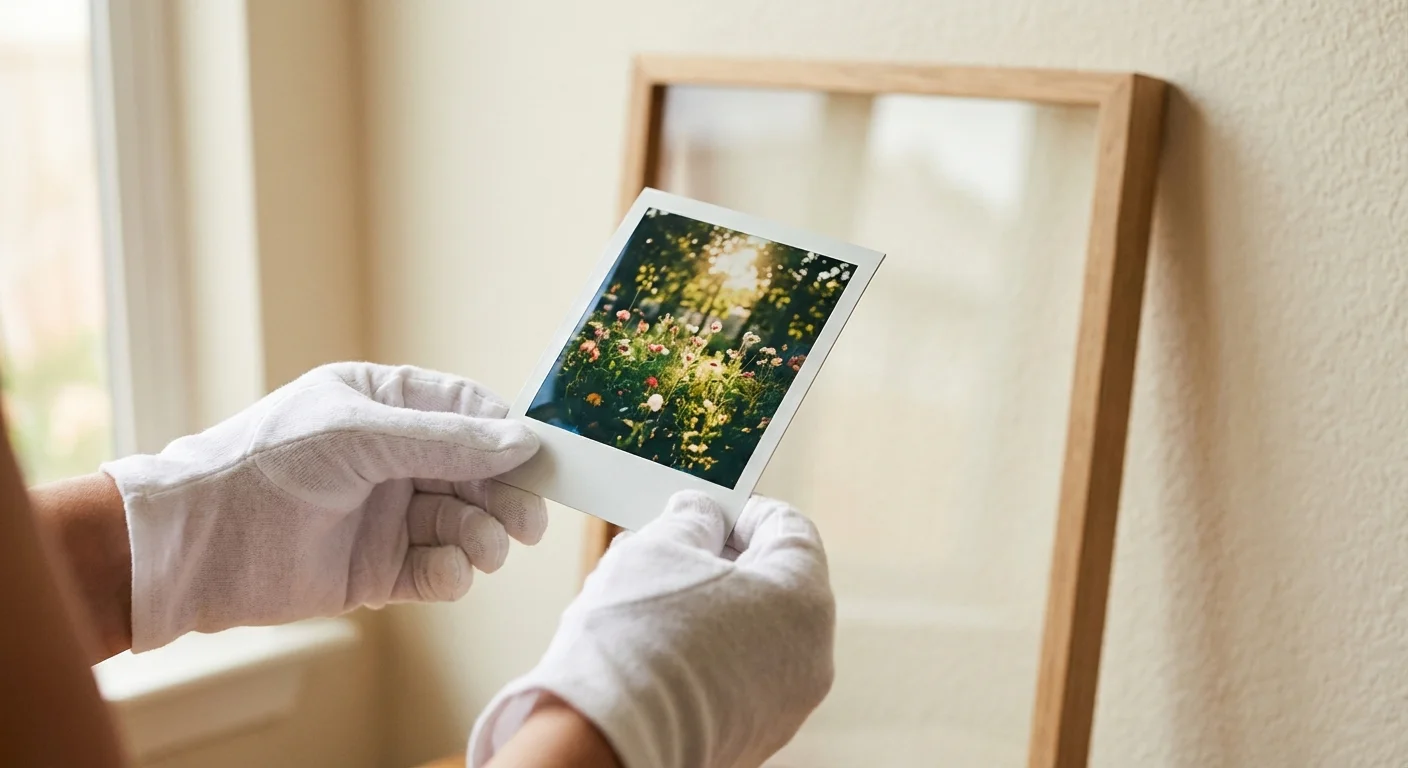
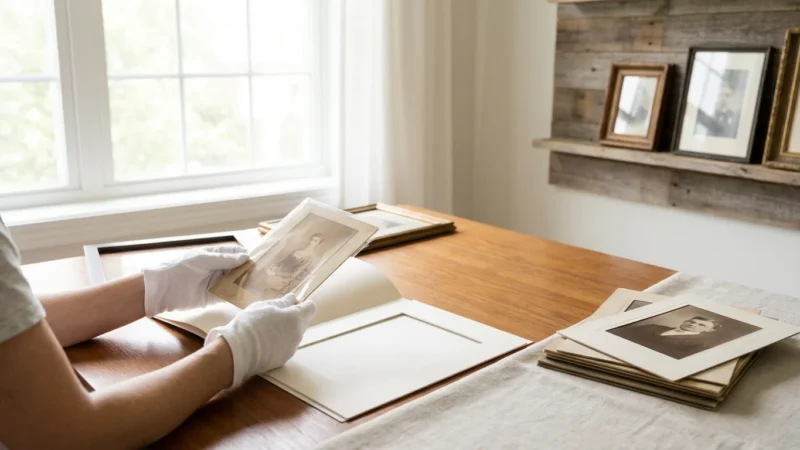
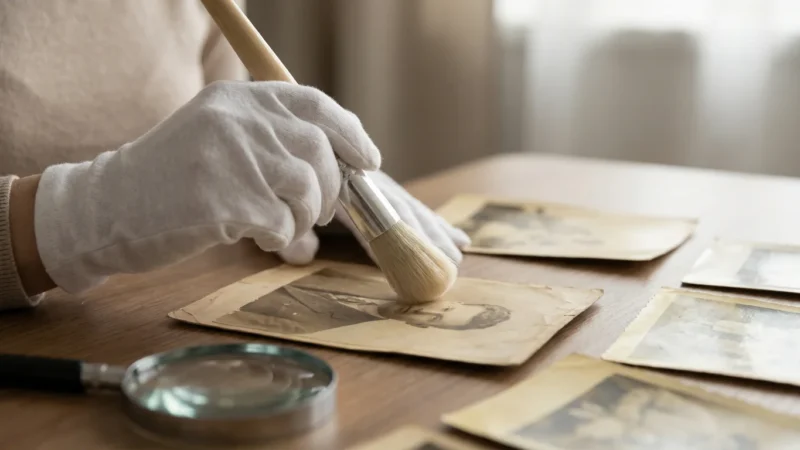
* **Wear Gloves:** Always handle `vintage Polaroids` or any irreplaceable print with clean, white cotton or nitrile gloves. Your skin naturally contains oils, acids, and dirt that can transfer to the photo surface, leaving fingerprints that become permanent marks or contribute to chemical degradation over time.
* **Edge Handling:** Grasp photos only by their edges. Avoid touching the image area directly, even with gloves, to minimize any potential abrasion or transfer of debris.
* **Flat Surface:** Support the entire photo when moving it. Avoid bending, creasing, or folding, as these can cause irreparable physical damage to the emulsion and card stock.
2. **Mindful Display Methods:**
* **Avoid Direct Sunlight and UV Light:** Never display Polaroids where they will receive direct sunlight or strong artificial light. UV radiation is a primary cause of fading and color shifts. Position displayed photos on interior walls away from windows, and consider lighting with low-UV output.
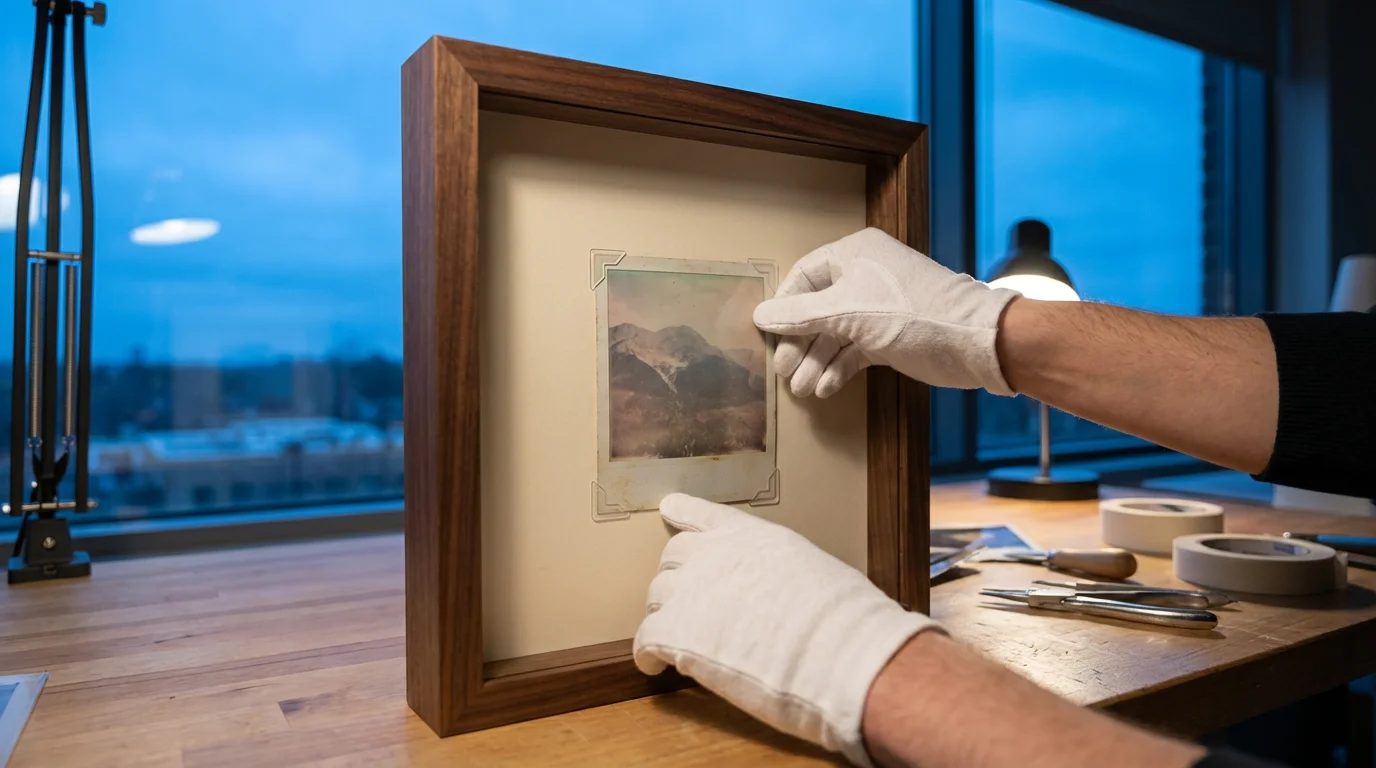
* **UV-Protective Glazing:** If framing a Polaroid, use museum-quality, UV-protective glass or acrylic. This specialized glazing blocks a significant percentage of harmful UV rays, offering a crucial layer of protection against light damage. Even with UV glazing, avoid prolonged exposure to intense light.
* **Archival Matting and Backing:** Ensure all materials within the frame, including the mat board and backing board, are acid-free and lignin-free. These archival materials prevent chemical migration that can damage the photo over time.
* **Avoid Adhesives:** Never use tape, glue, or spray adhesives directly on a Polaroid for display. These materials are almost always acidic and can cause irreversible staining, chemical reactions, and physical damage. Use photo corners or mount in a way that does not physically adhere the print.
* **Climate Stability:** Display photos in areas with stable temperature and humidity, avoiding bathrooms, kitchens, or poorly insulated rooms where conditions fluctuate wildly. High humidity can cause prints to buckle or encourage mold growth within the frame.
By implementing these `instant photo care` strategies, you protect your cherished Polaroids from common environmental threats and handling damage, allowing their unique character to shine for years to come.

Addressing Existing Deterioration and Fading
Despite your best efforts, some `vintage Polaroids` may already show signs of deterioration. Fading, discoloration, and physical damage are common. While reversing physical damage on an original print is often impossible, you still have options for mitigating further harm and digitally restoring the image.
1. **Recognizing Signs of Damage:**
* **Fading and Color Shifts:** Colors appear dull, washed out, or have shifted towards a dominant hue (e.g., yellow, magenta, or blue). This is especially common with the blue layer in older film, leading to an overall warm appearance.
* **Stains and Discoloration:** Yellowing, brown spots, or mold growth. Mold often appears as fuzzy, irregular spots, particularly if photos were stored in humid conditions.
* **Cracking and Embrittlement:** The emulsion layer or the card stock itself becomes brittle, leading to cracks or breaks, often due to dry conditions or rough handling.
* **Scratches and Abrasions:** Physical marks on the surface from mishandling.
* **Chemical Blobs or Streaks:** Resulting from issues during the original development process.
2. **Limited Options for Physical Repair:**
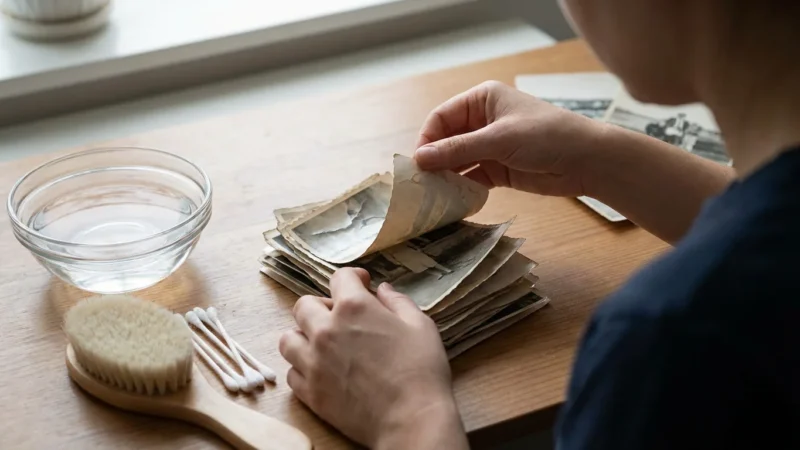
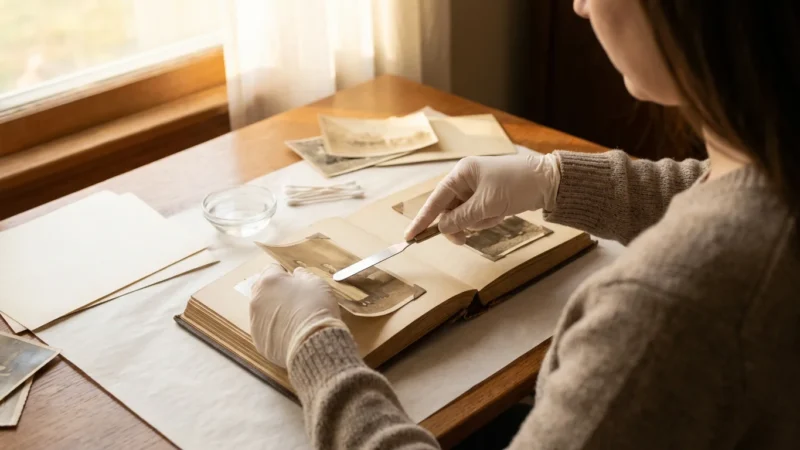
* **Do Not Attempt DIY Chemical Restoration:** Unlike some traditional photographic prints, the chemical layers of Polaroids are complex and integral to the image. Attempting to “clean” or “restore” them with solvents or household chemicals will almost certainly cause irreversible damage. You risk destroying the print entirely.
* **Stabilize, Do Not Treat:** The best course of action for physically damaged `old Polaroid photos from fading` is to stabilize their environment. Place them in individual archival sleeves and store them in an acid-free box under stable conditions as outlined in the storage section. This prevents further deterioration but does not reverse existing damage.
* **Consult a Professional Conservator:** For truly irreplaceable or severely damaged Polaroids, consult a professional photograph conservator. They possess specialized knowledge, tools, and materials to assess the damage, stabilize the print, and sometimes perform delicate, reversible treatments. The American Institute for Conservation and the Library of Congress Preservation division offer resources for finding qualified conservators.
3. **Digital Restoration Potential:**
* **Scan for Restoration:** Digitizing your faded or damaged Polaroids at high resolution (1200 dpi or higher, saved as TIFF) provides the best foundation for digital restoration.
* **Photo Editing Software:** Software like Adobe Photoshop, GIMP, or Affinity Photo can be used to:
* **Adjust Color and Contrast:** Correct color shifts, enhance faded colors, and improve overall contrast.
* **Remove Dust and Scratches:** Use cloning and healing tools to digitally erase minor imperfections without touching the original print.
* **Repair Tears and Creases:** Meticulously rebuild damaged areas pixel by pixel.
* **Enhance Detail:** Sharpen slightly soft images.
* **Limitations:** Digital restoration creates a perfect *copy* of the image, but it does not fix the physical original. The quality of the digital restoration depends heavily on the original scan and the skill of the editor.
Remember, the goal for `instant photo care` on already damaged prints is primarily to prevent further harm and create a robust digital record. Cherish the original, but rely on digital tools for visual correction.
Frequently Asked Questions
Are Polaroid photos meant to last forever?
No, Polaroid photos are not designed for indefinite archival longevity in the same way some traditional photographic prints are. Their unique chemical process and structure make them more susceptible to fading and deterioration from light, heat, and humidity over time. Proper storage and environmental control significantly extend their lifespan, but they will always require more careful preservation than many other print types.
Before diving into the specifics of instant film, it is helpful to understand the general principles of how to store old photographs to prevent long-term environmental damage.
Can I clean mold off an old Polaroid photo?
You should not attempt to clean mold off an old Polaroid photo yourself. Doing so can easily damage the delicate emulsion layer, causing irreversible smears or removal of the image. Mold spores also pose a health risk. Isolate any mold-affected photos to prevent spread, and consult a professional photograph conservator for assessment and potential stabilization. In most cases, digitizing the image and digitally restoring it is a safer option than physical cleaning.
What temperature is best for storing Polaroids?
The best temperature for storing Polaroids, especially `vintage Polaroids`, is cool and stable, ideally around 68°F (20°C). Crucially, avoid significant fluctuations in temperature. Stable conditions help prevent the chemical layers from degrading rapidly or suffering physical damage like cracking or sticking. Avoid storing them in unheated attics, damp basements, or near heat sources.
Is it safe to laminate Polaroid photos for protection?
No, laminating Polaroid photos is generally not safe for long-term preservation. Lamination involves heat and adhesives that can cause chemical reactions with the photo’s emulsion, leading to discoloration, sticking, and irreversible damage. It also makes the photo non-archival and cannot be undone without destroying the print. Stick to archival sleeves and acid-free framing methods for protection.
How can I tell if my Polaroid film is still good?
New, unopened Polaroid film should be stored refrigerated and used before its expiration date. If your film is old, expired, or improperly stored (e.g., exposed to heat), it may still work but likely produce unpredictable results. You might see color shifts, chemical streaks, or patchy development due to degraded chemicals. The only way to truly tell is to test a pack, but understand the results may be compromised, especially with `old Polaroid photos from fading` expectations for development.
By understanding the unique vulnerabilities of Polaroid prints and implementing these practical `Polaroid preservation` strategies, you take powerful steps to safeguard your cherished memories. From immediate care after exposure to thoughtful long-term storage and digital backups, your efforts ensure these special photographs continue to tell their stories for future generations. Your instant photo collection is a tangible piece of history, deserving of your dedicated care.
Disclaimer: This article is for informational purposes only. When handling valuable or irreplaceable photographs, consider consulting a professional conservator. Always test preservation methods on non-valuable items first.

Leave a Reply