
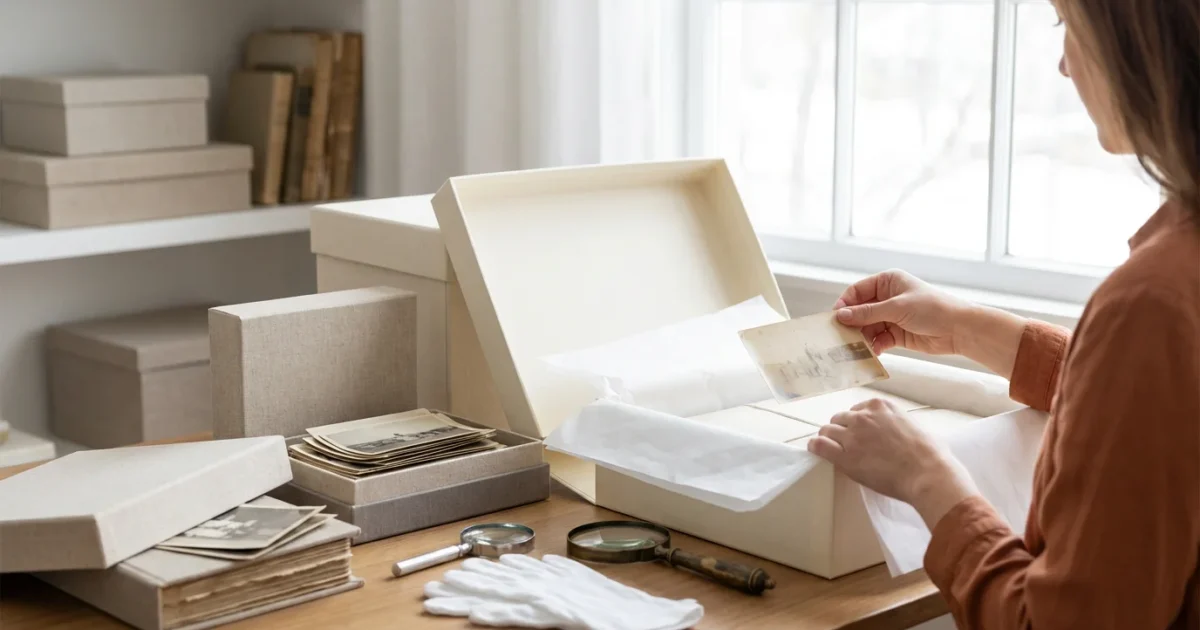
Your old photographs hold irreplaceable memories, connecting you to your past, your family, and the moments that shaped your life. These tangible pieces of history, from sepia-toned daguerreotypes to vibrant color prints, deserve the utmost care to ensure they last for generations. Many people inherit boxes filled with unorganized pictures, or they realize their cherished photo albums from childhood are starting to show signs of damage. Preserving these invaluable heirlooms begins with understanding the right environment and the right tools for storage, primarily focusing on archival boxes.
For added security, consider how to scan old photos at home to create a digital duplicate of your physical collection.
Implementing these tools is a core part of creating a home photo archive that will stand the test of time.
You have taken the first step toward safeguarding your photographic heritage simply by seeking out this information. We will guide you through selecting the best archival boxes, understanding what makes them superior, and implementing smart storage practices that protect your precious images from degradation. Using the right archival boxes helps prevent yellowing, fading, and brittleness, keeping your memories vibrant and accessible for decades to come.
Why Archival Storage Matters for Your Photographs
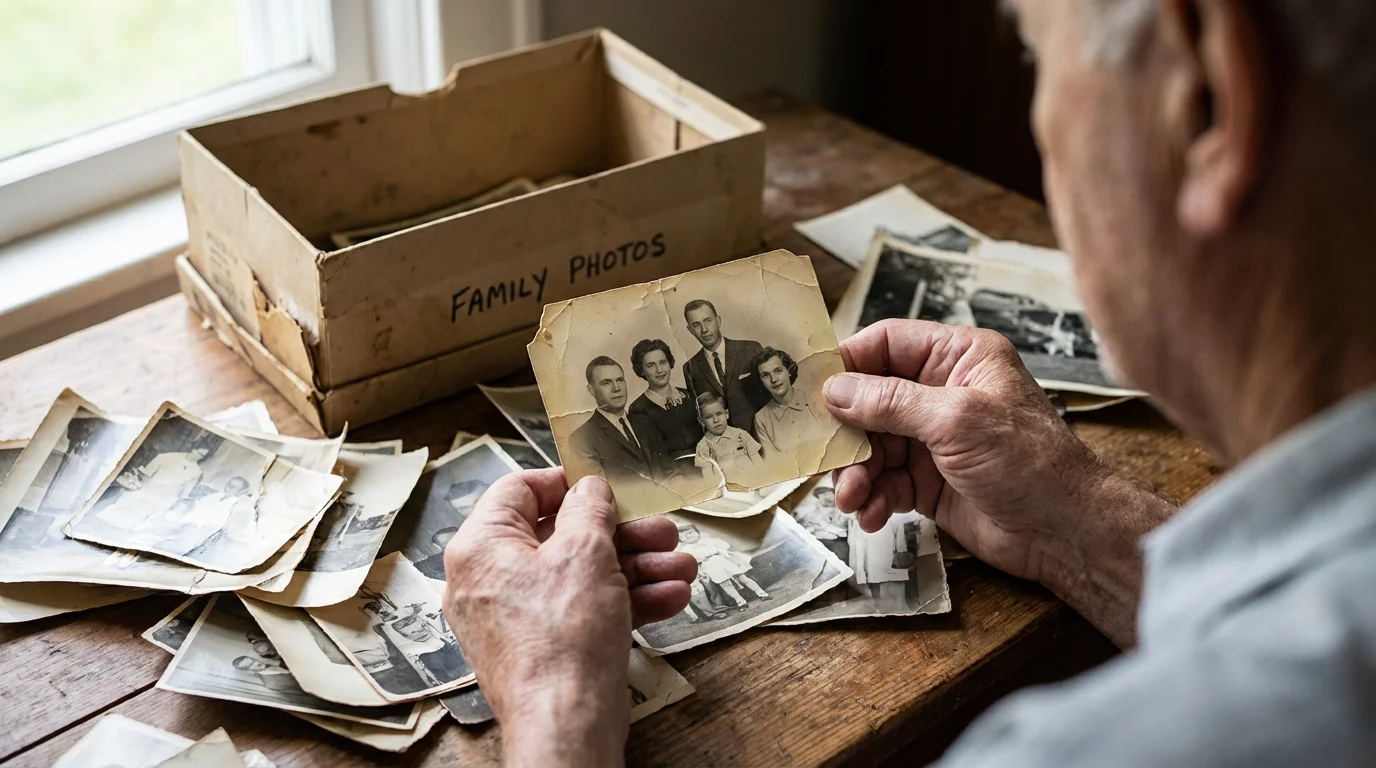
Imagine discovering a box of old family photos, only to find the images stuck together, faded beyond recognition, or crumbling at the edges. This scenario is unfortunately common when photographs are stored in standard cardboard boxes or common plastic containers. Most consumer-grade storage materials contain acids, lignins, and other harmful chemicals that actively degrade photographs over time. These materials leach chemicals into your prints, causing irreversible damage such as:
If you encounter prints that are already crumbling or stuck together, you may need to look into professional photo restoration services to see what can be recovered.
If you have already noticed signs of deterioration, you may want to learn more about saving yellowed and discolored photographs before boxing them away.
In addition to choosing the right container, it is vital to understand how humidity and temperature affect your photo collection in your chosen storage area.
- Yellowing and Brittleness: Acids in paper products accelerate the breakdown of photographic emulsions and paper bases. This makes photographs turn yellow and become fragile, increasing their susceptibility to tears and damage.
- Fading and Color Shifts: Non-archival plastics can off-gas chemicals, reacting with photographic dyes and causing colors to fade unevenly or shift to undesirable hues. This is particularly true for color prints from the mid-20th century.
- Sticking and Adhesion: High humidity and non-breathable containers can cause photographs to stick to each other or to plastic sleeves, leading to irreparable damage when you try to separate them.
- Mold and Pest Infestation: Standard cardboard offers an ideal food source for pests and can harbor mold spores in humid conditions, turning your precious memories into a biological snack.
Archival photo storage boxes eliminate these risks. They provide a stable, chemically inert environment that shields your photographs from environmental hazards and inherent material degradation. When you invest in proper archival storage, you are not just organizing photos, you are performing an act of preservation, ensuring their longevity for future generations. This proactive approach saves your memories from the slow, insidious damage caused by unsuitable storage conditions.
Understanding Archival Quality: What to Look For
Not all storage containers are created equal. The term “archival” signifies a product meets specific standards for long-term preservation. You need to look for several key indicators to confirm a box truly offers archival quality:
pH Neutrality and Acid-Free Materials
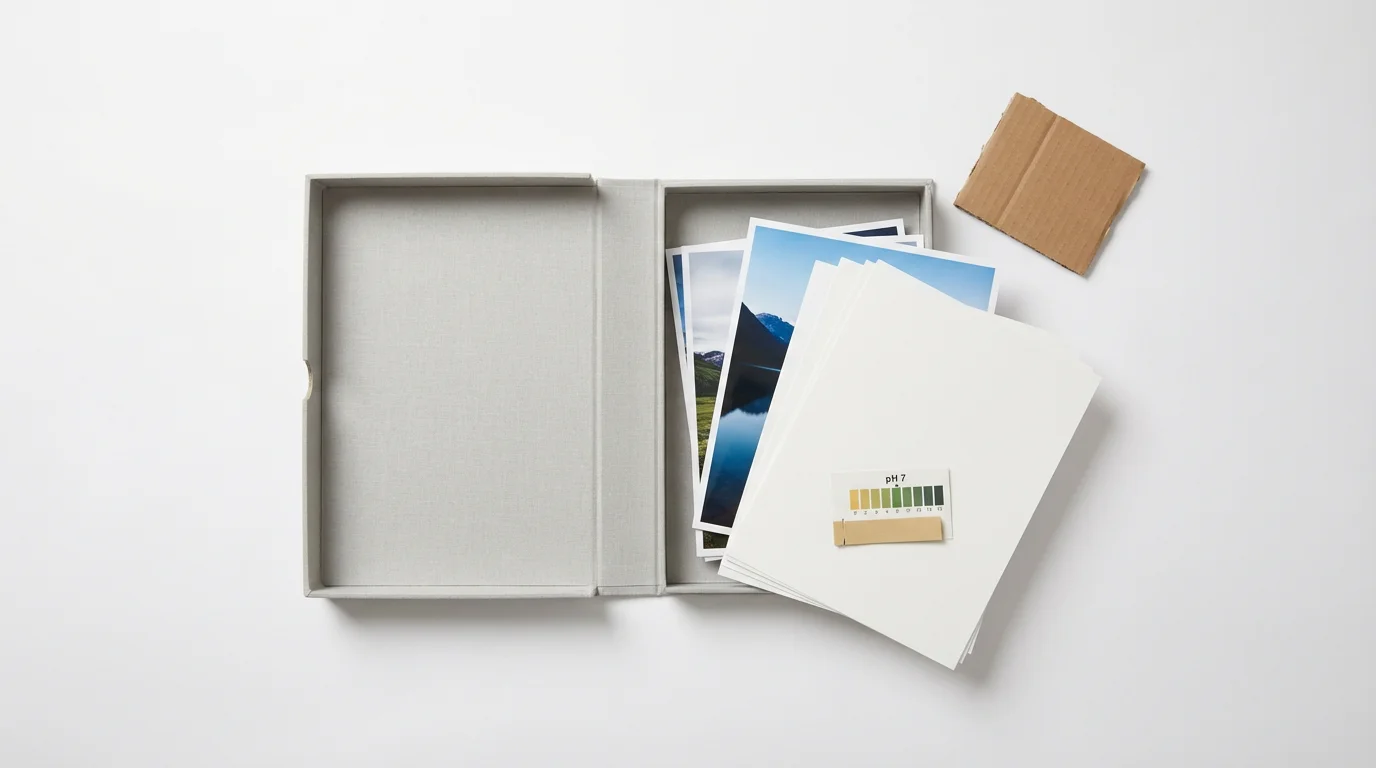
The cornerstone of archival storage is pH neutrality. An acid-free material has a pH of 7.0 or higher, meaning it is neither acidic nor alkaline. Acidic materials, commonly found in regular paper and cardboard, accelerate the deterioration of photographs. They cause paper to yellow, become brittle, and shorten the lifespan of the photographic emulsion. You should always select products explicitly labeled “acid-free.” Some archival materials even incorporate a small amount of an alkaline buffer, like calcium carbonate, which helps neutralize any acids that might migrate from the photographs themselves or the surrounding environment. This buffer acts as a protective reserve, enhancing long-term stability.
Lignin-Free Construction
Lignin is a natural polymer present in wood pulp, giving plants their rigidity. While essential for trees, lignin in paper products breaks down over time, releasing acids and contributing to discoloration and brittleness. “Lignin-free” ensures the material used in your archival boxes will not self-destruct or damage your photos through chemical off-gassing. Many quality archival boxes are made from alpha cellulose, a highly purified form of wood pulp from which lignin has been removed. This material provides excellent structural integrity without the harmful byproducts.
Photographic Activity Test (PAT) Certification
For critical long-term storage, look for products that pass the Photographic Activity Test (PAT). The Image Permanence Institute, a leading research facility, developed the PAT to determine if a material will chemically react with and damage photographs over time. This test involves incubating a sample of the storage material in direct contact with photographic emulsions under specific temperature and humidity conditions. If the material does not cause staining, fading, or other detrimental effects, it passes the PAT. A PAT-passed label offers you the highest assurance that a storage product is safe for your photos. Always prioritize PAT-certified items for your most precious collections. Learn more about the PAT process from the Image Permanence Institute.
Material Types for Archival Boxes
Archival boxes come in various materials, each offering specific benefits:
- Buffered Paperboard/Corrugated Board: These are the most common and cost-effective archival boxes. They are acid-free, lignin-free, and often buffered. They provide excellent physical protection and help regulate humidity. Look for sturdy construction and tight-fitting lids.
- Polypropylene Plastic: A stable, inert plastic that is safe for photographic materials. Polypropylene containers are durable, moisture-resistant, and transparent options allow you to see contents without opening. Ensure they are specifically “archival-safe” polypropylene, as not all plastics are. Avoid PVC (polyvinyl chloride) entirely, as it off-gases harmful plasticizers that damage photos.
- Metal (Anodized Aluminum): Less common for general prints, but sometimes used for specialized film or microfiche storage. Metal boxes offer superior physical protection and can be hermetically sealed, but require careful humidity control inside.
Key Features of the Best Archival Boxes
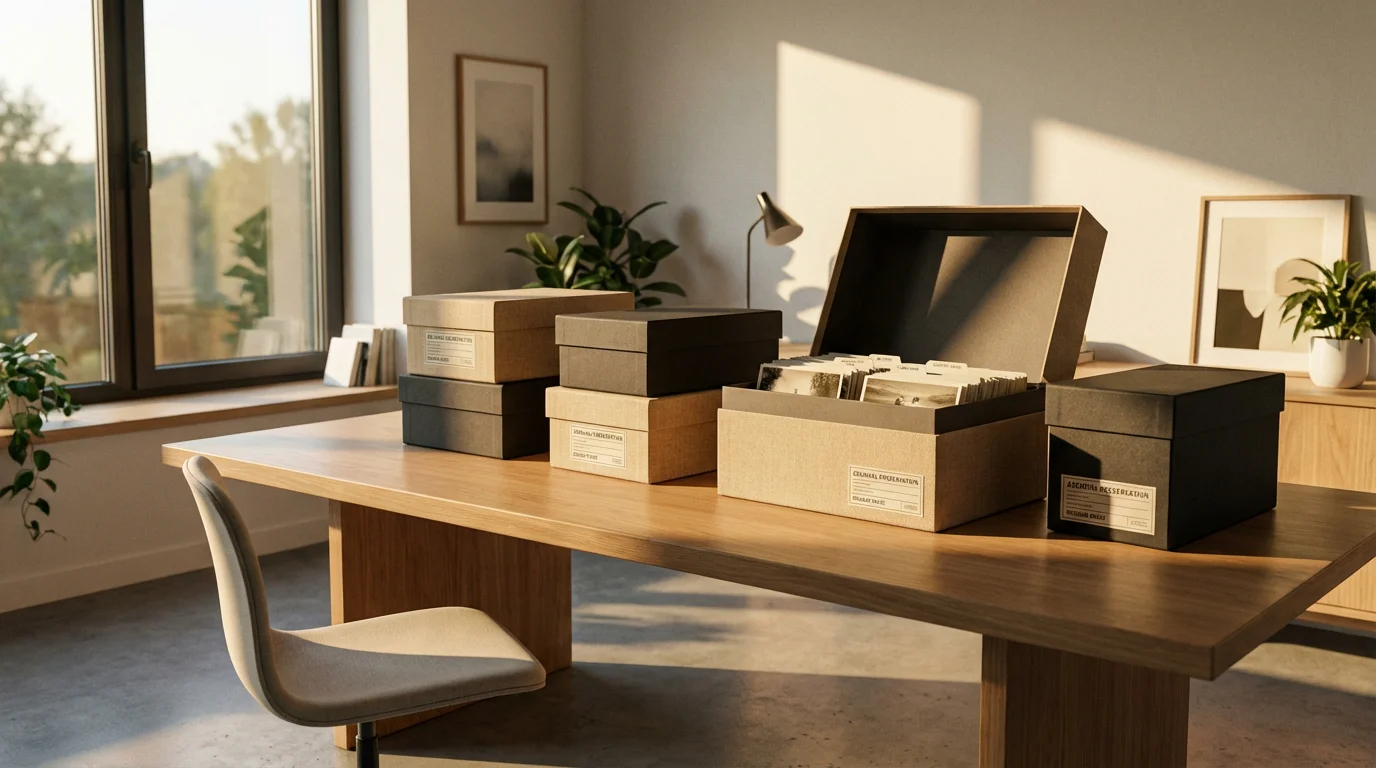
Beyond the fundamental archival materials, specific design features enhance the functionality and protective qualities of photo storage boxes. Consider these elements when making your selections:
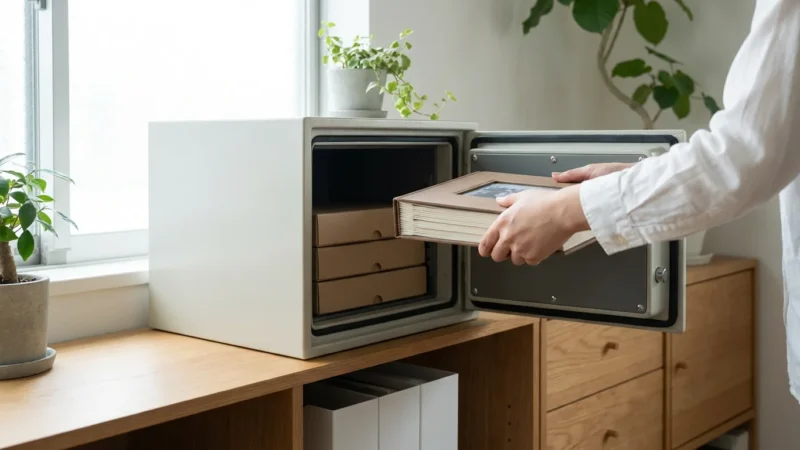
In addition to these boxes, some collectors find that storing photos in a fireproof safe offers an extra layer of protection against unexpected disasters.
Robust Construction and Materials
A good archival box provides more than just chemical safety; it offers physical protection. Look for boxes made from sturdy, durable materials that resist crushing, tearing, and warping. Corrugated archival board often provides better structural integrity than flat paperboard. Reinforce corners and edges, or even metal-edged boxes, offer superior strength, especially for larger or heavier collections. A box that collapses or bends easily will not adequately protect your photographs from accidental damage.
Tight-Fitting, Full-Depth Lids
A lid that fits snugly and covers the entire depth of the box is crucial. This design minimizes dust, dirt, and light exposure, all of which contribute to photographic degradation. A loose-fitting lid allows contaminants to enter and offers less protection against environmental fluctuations. A full-depth lid also adds to the structural integrity of the box when stacked, preventing the weight of upper boxes from directly pressing on the contents below.
Appropriate Size and Dividers
Matching the box size to your photographs prevents them from shifting excessively, which can cause scratches or bent corners. Avoid oversized boxes where photos can slide around. For loose prints, internal dividers made from archival materials are invaluable. They keep photos upright, prevent them from leaning and curling, and allow for logical organization by date, event, or person. Some boxes come with built-in dividers, while others allow you to insert your own acid-free card stock or envelopes. You can create custom sections for different subjects or sizes, maintaining order within the larger container.
Handles for Easy Handling and Transport
While not strictly a preservation feature, sturdy handles make it easier and safer to move your archival boxes. A box full of photographs can be surprisingly heavy. Handles reduce the risk of dropping the box, bending it awkwardly, or placing undue stress on the box structure, which could damage the contents. Look for reinforced handles, often made of canvas or sturdy plastic, integrated securely into the box design.
Labeling Systems
Effective labeling is paramount for finding your memories. Choose boxes with designated labeling areas or apply acid-free labels to the exterior. Never write directly on the box with non-archival pens, as the ink can seep through or off-gas harmful chemicals. Use permanent, archival-quality markers designed for inert surfaces. Implement a consistent labeling system that includes dates, subjects, and any unique identifiers. This practice saves you time and prevents unnecessary handling of your photographs, minimizing wear and tear.
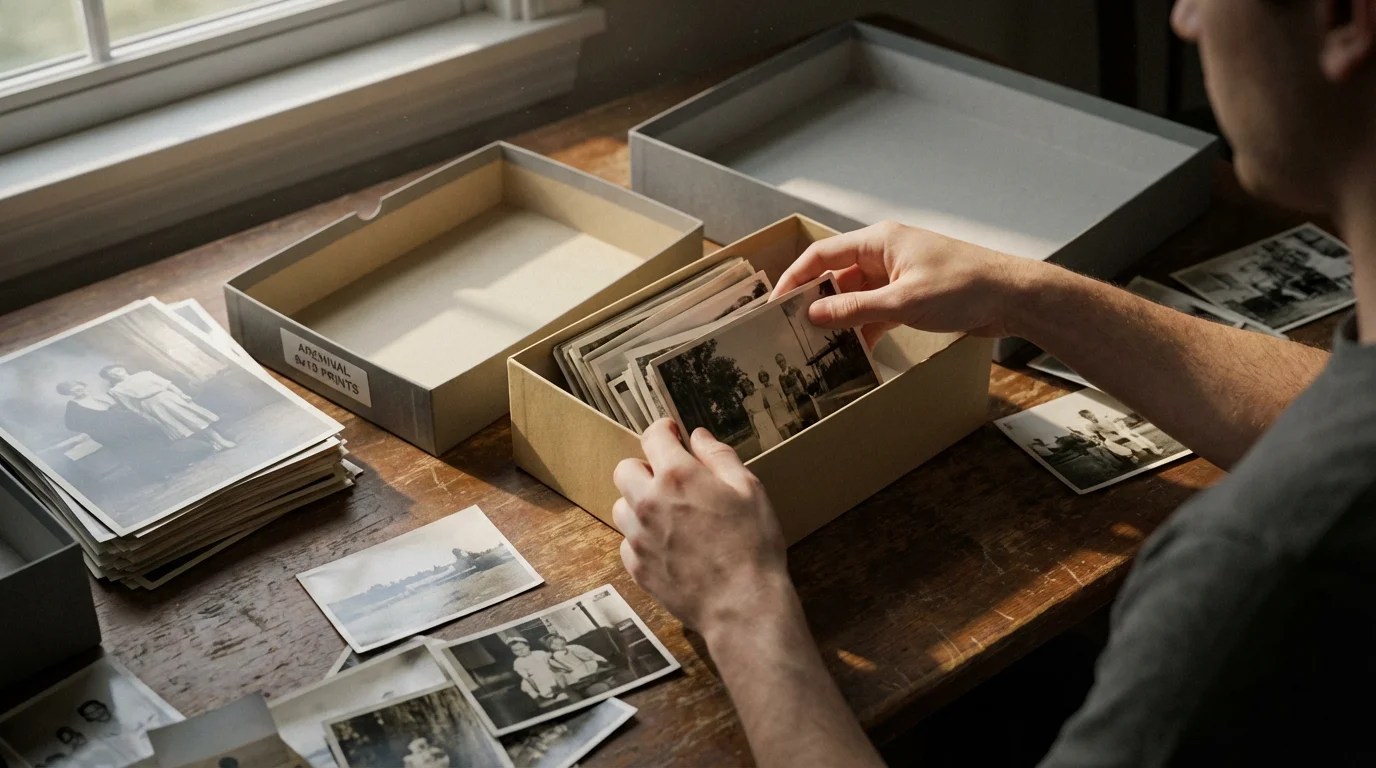
Choosing the Right Size and Style for Your Photo Collection
The “best” archival box is not a one-size-fits-all solution. Your choice depends on the specific types and sizes of photographs you need to store. Matching the box to your collection maximizes protection and organization.
If you have a massive collection, you might find that organizing physical photo prints with a room-by-room approach helps break the project into manageable tasks.
Standard Print Storage (4×6, 5×7, 8×10 inches)
Most family photos fall into these common print sizes. You will find numerous archival boxes designed specifically for these dimensions. Many come in a “shoebox” style with a removable lid and internal dividers. Some offer space for hundreds of prints, while others are smaller, holding 50-100 prints for more granular organization. You want to avoid overfilling these boxes to prevent crushing or bending the photos. Leave a little room for air circulation and easy retrieval.
Negative and Slide Storage
Negatives and slides require specialized storage solutions. They are delicate and prone to scratching, dust, and environmental damage. Archival boxes for negatives and slides typically include individual archival sleeves or inserts, often made of polypropylene, which suspend the film strips or slides. These internal components prevent direct contact between film items and protect them from atmospheric pollutants. Look for boxes designed to hold specific formats, like 35mm film strips, 120 film, or 2×2 inch mounted slides.
Large Format Prints and Documents
For oversized photographs, posters, or important family documents, flat storage is often the safest method. Archival flat boxes, sometimes called document cases or map cases, allow you to store items without bending or folding them. These boxes usually have a telescoping lid or a drop-front design for easy access. You might also consider archival solander boxes, which are highly protective, clamshell-style boxes ideal for very valuable or delicate large items. Always interleave large prints with acid-free tissue or Mylar sheets to prevent adhesion and protect surfaces.
Photo Albums and Scrapbooks
While photo albums offer a way to display and enjoy your photos, older albums often contain acidic pages or PVC sleeves that damage prints. If you have valuable old albums, consider storing them in larger archival album boxes. These boxes protect the album covers from dust and light and provide structural support, especially for heavy or deteriorating albums. For new albums, always ensure they are “archival safe” from the outset, using acid-free paper and photo-safe adhesives or corners.
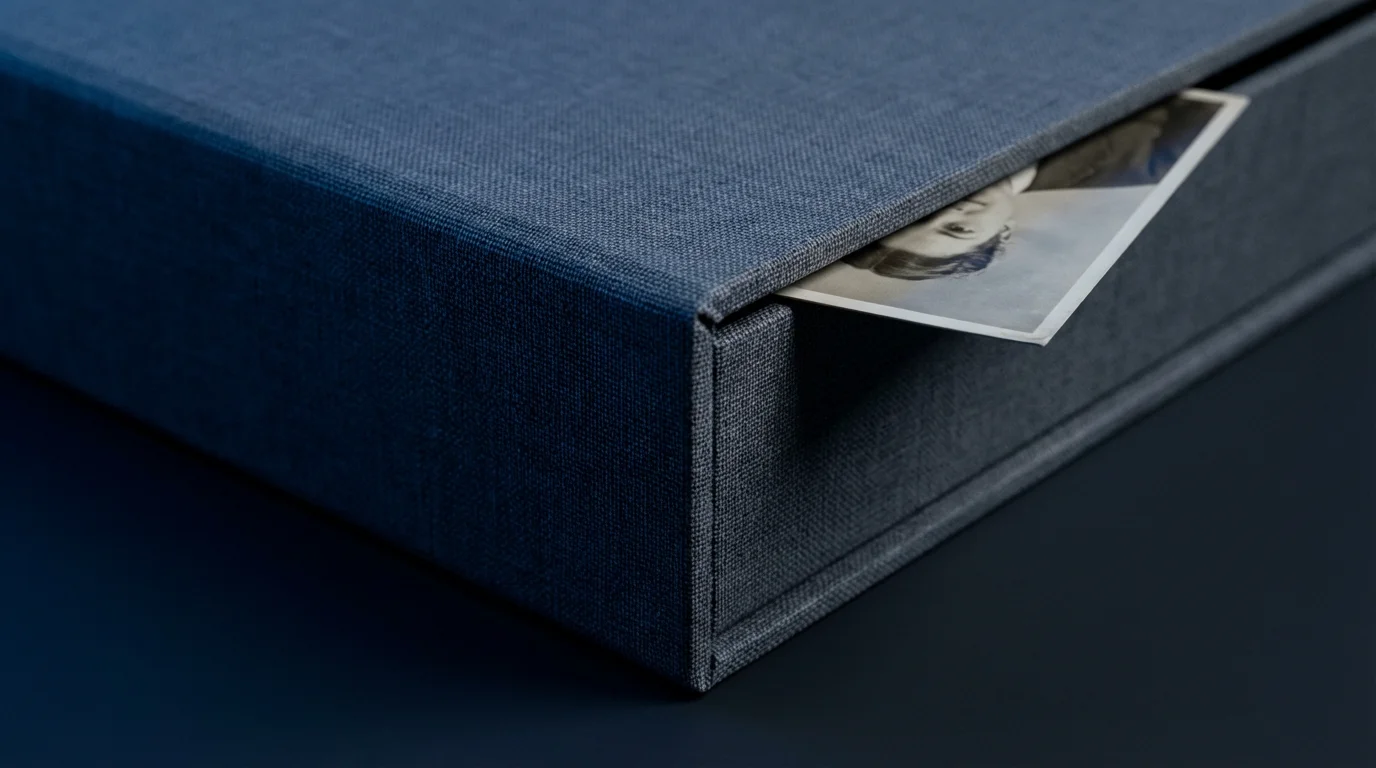
Curated Recommendations: Top Archival Boxes for Your Photos
Selecting the right archival boxes helps safeguard your photographic treasures. Based on their construction, materials, and proven effectiveness, here are categories of highly recommended archival boxes for different types of photo collections. We do not endorse specific brands, but these represent the types of solutions you should seek out from reputable archival suppliers.
General Purpose Print Storage:
- Buffered Corrugated Archival Storage Boxes: These sturdy, acid-free, lignin-free, and often buffered boxes are a workhorse for most print collections. They come in various sizes (e.g., shoe box style for 4x6s, larger document box sizes for 8x10s or mixed prints) and typically feature full-depth lids. Many include archival dividers to keep prints upright and organized. You can easily find these labeled “photo storage boxes” or “archival document cases.”
- Archival Clamshell Boxes (Solander Boxes): For particularly valuable or delicate sets of prints, a clamshell design offers superior protection. These boxes open flat like a book, preventing stress on the contents during access. They are often made from high-quality buffered board and are ideal for a smaller, curated collection of significant photographs.
Negative and Slide Archival Solutions:
- Archival Print File Storage Boxes with Sleeves: These boxes are specifically designed to hold archival print file pages, which in turn hold individual negatives or slides. The boxes themselves are acid-free, and the sleeves are typically made from PAT-passed polypropylene or polyester. This system allows you to organize your film by roll, date, or subject, and access individual frames without disturbing the rest.
- Acid-Free Lidded Slide Boxes: For mounted slides, dedicated boxes offer individual slots or rows to keep slides separated and protected. These are usually buffered paperboard boxes, often paired with inert polypropylene slide sleeves for an extra layer of protection. They prevent slides from scratching each other and from accumulating dust.
Large Format and Specialized Items:
- Archival Flat Storage Boxes: Available in sizes from 11×14 to much larger, these acid-free, lignin-free flat boxes are essential for storing oversized prints, panoramic photos, and valuable documents without folding or rolling. Look for a drop-front or telescoping lid design for easy, safe access.
- Archival Drop-Front Boxes: Similar to flat storage boxes, these have a hinged side that drops down, allowing you to slide items in and out without lifting them, which minimizes handling and potential damage to delicate pieces.
Table: Comparing Archival Box Types
| Box Type | Best Use Case | Key Benefits | Considerations |
|---|---|---|---|
| Buffered Corrugated Print Box | Loose prints (4×6, 5×7, 8×10), postcards | Cost-effective, good physical protection, stackable, often with dividers. | Can be bulky, may need individual sleeves for high-value prints. |
| Clamshell Box (Solander) | Valuable prints, small curated collections | Superior protection, elegant presentation, easy access without bending. | More expensive, typically for smaller quantities. |
| Negative/Slide Storage Box with Sleeves | Film negatives (35mm, 120), mounted slides | Individual protection for delicate film, easy viewing and organization. | Requires additional purchase of sleeves/pages, specific sizing. |
| Archival Flat Storage Box | Large format prints, oversized documents, fragile items | Prevents bending/folding, good physical support, protects surfaces. | Requires significant space, not easily portable. |
Where to Buy Acid-Free Photo Storage Boxes
Finding the right archival boxes is crucial, and knowing reliable sources helps ensure you purchase genuine archival quality products. Avoid general office supply stores or discount retailers for critical preservation needs, as their products rarely meet archival standards.
Specialty Archival Suppliers
Dedicated archival product companies are your best resource. These businesses specialize in preservation materials for museums, libraries, and private collectors. They rigorously test their products and provide detailed specifications, including pH levels, lignin content, and PAT certification. You can often find a wide range of products, from basic storage boxes to specialized enclosures for unique items. Searching online for “archival supplies” or “museum quality storage” will lead you to these suppliers. They offer the most comprehensive selection and the highest assurance of quality.
Museum and Library Stores
Many large museums and libraries, particularly those with extensive archival collections, operate online stores that sell preservation supplies to the public. These stores typically stock items that meet professional archival standards, ensuring you get high-quality products. They are often good sources for materials that have been vetted by preservation experts.
Reputable Online Retailers with Archival Sections
Some larger online retailers may have dedicated sections for archival or photo preservation supplies. When purchasing from these platforms, exercise caution. Always scrutinize product descriptions for explicit mentions of “acid-free,” “lignin-free,” and “PAT certified.” Read customer reviews, particularly those mentioning long-term use, and verify the manufacturer’s reputation. If a product simply says “photo safe” without further detail, investigate further before purchasing. You want clear evidence of archival quality, not just marketing claims.
When you are ready to purchase, always cross-reference the product specifications with the archival standards discussed above. Investing in quality archival boxes from reputable sources protects your images effectively.
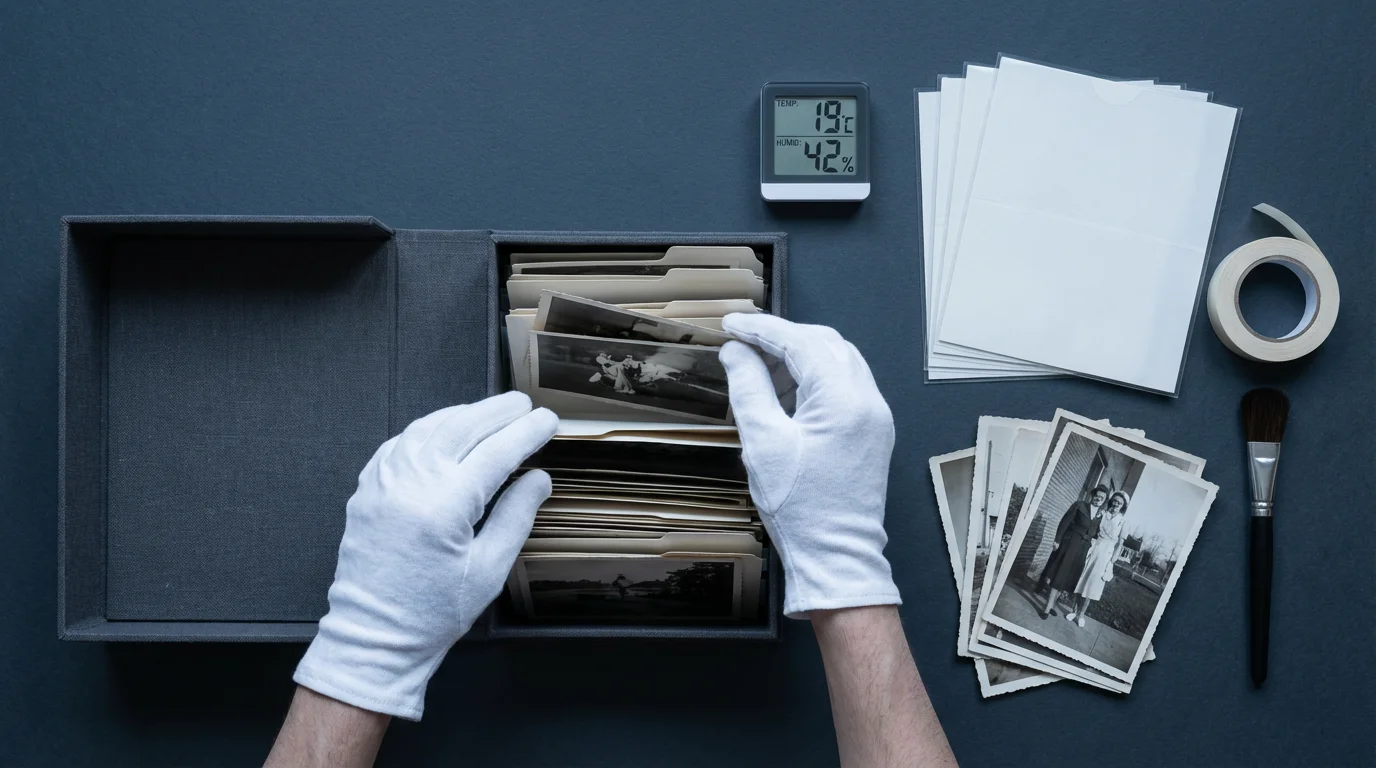
Storing Photos Correctly: Beyond the Box
Even the best archival boxes perform optimally when you pair them with smart storage practices. The environment where you store your boxes, and how you organize the contents, significantly impacts the longevity of your photographs.
While physical preservation is your first line of defense, consider the importance of backing up physical photos digitally to create a permanent fail-safe for your memories.
Environmental Control
The most stable environment for photographs is cool, dry, and dark. Avoid attics, basements, garages, and exterior walls, as these areas experience significant fluctuations in temperature and humidity. Ideal conditions are typically between 65-70°F (18-21°C) with 30-50% relative humidity. High temperatures accelerate chemical reactions that degrade photographs, while high humidity promotes mold growth and causes prints to stick together. Low humidity can make materials brittle. Store your archival boxes in an interior closet or a climate-controlled living space, away from direct sunlight, heating vents, or exterior walls. The Library of Congress Preservation division offers extensive resources on ideal storage environments.
Proper Handling
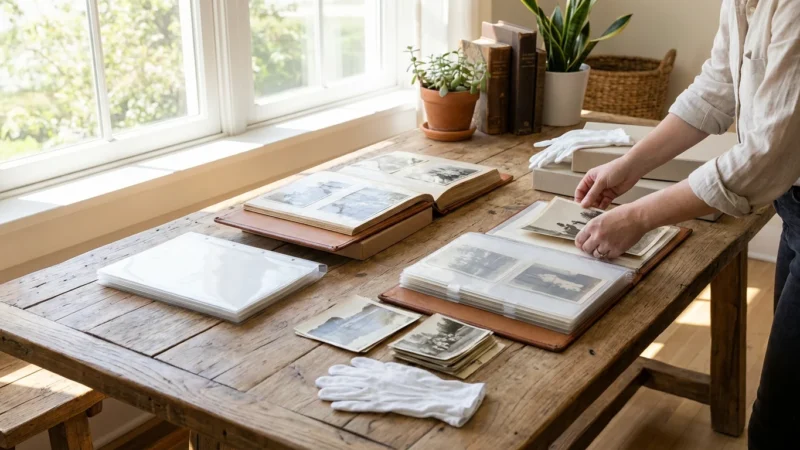
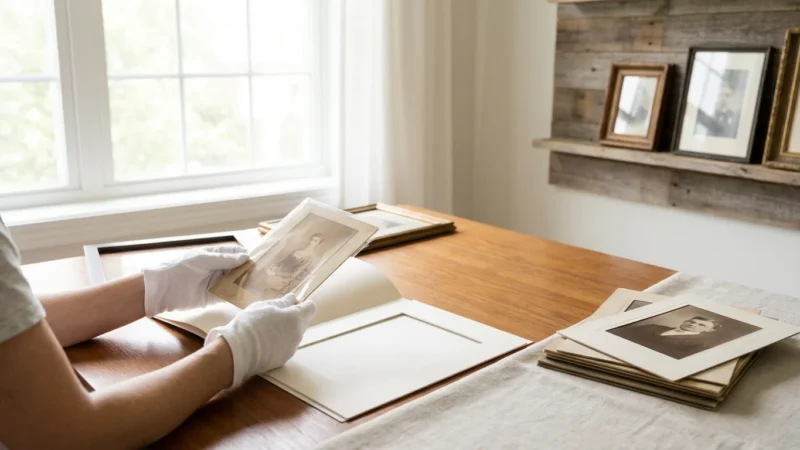
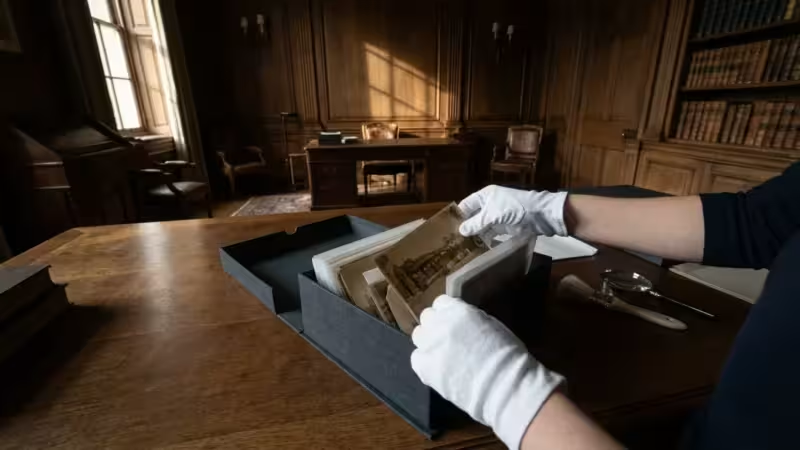
Always handle photographs with clean, dry hands. Wearing cotton or nitrile gloves prevents transferring oils, dirt, and salts from your skin onto the prints, which can cause irreversible damage. Pick up prints by the edges, never by the image area. Place a clean, acid-free surface beneath photographs when examining them. This careful handling prevents fingerprints, scratches, and creases that mar the image and decrease its longevity.
Internal Organization and Separation
Once inside the archival box, ensure your photographs are well-organized and protected. Use archival paper sleeves or polyester (Mylar) enclosures for individual prints, especially those that are valuable, fragile, or frequently handled. These sleeves provide an additional layer of physical and chemical protection. For groups of prints, use acid-free dividers or envelopes to create logical sections within the box. Never use rubber bands, paper clips, or self-adhesive tapes, as these materials contain chemicals that severely damage photographs over time. You should separate different photographic processes. For example, store black-and-white prints separately from color prints, as they may have different chemical compositions and preservation needs.
Digitization as a Companion Strategy
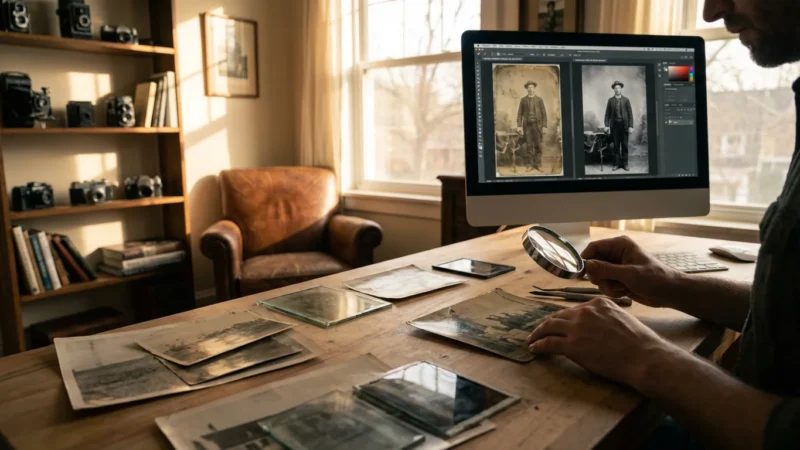
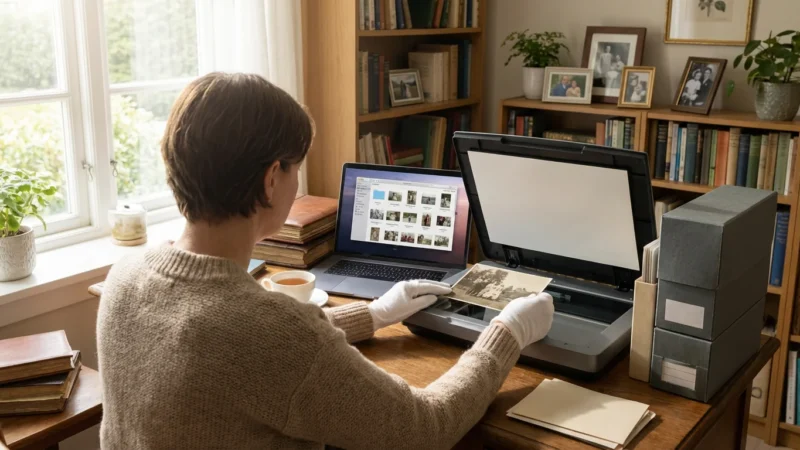
While physical preservation is paramount, you should also consider digitizing your photo collection. Digitization creates a backup copy, protecting against physical loss due to disaster or degradation. High-resolution scans capture the details of your prints and make them accessible for sharing and viewing without handling the originals. Digitization is a complementary strategy, not a replacement, for physical archival storage. The digital copies can be stored on external hard drives, cloud services, and archival-grade optical media for long-term access.
“The core principle of photographic preservation is to provide a stable, inert environment. Archival boxes are the frontline defense against the myriad forces trying to degrade your images, but their effectiveness multiplies when combined with mindful handling and environmental control.”
Frequently Asked Questions
Are plastic photo storage containers truly archival?
Some plastic photo storage containers are indeed archival, specifically those made from high-quality, un-plasticized polypropylene or polyester. You must avoid containers made from PVC (polyvinyl chloride), as it leaches harmful chemicals that damage photographs. Always look for explicit labeling such as “archival safe polypropylene,” “acid-free,” and “PAT certified” when selecting plastic options.
Can I use regular shoeboxes if I line them with acid-free paper?
No, lining regular shoeboxes with acid-free paper is not sufficient for true archival storage. Standard cardboard shoeboxes contain acids and lignin that will still off-gas and migrate through the lining over time, harming your photographs. The structural integrity of a regular shoebox is also inadequate for long-term physical protection. Always use a box specifically manufactured as “archival quality” from acid-free, lignin-free materials.
What temperature and humidity are best for storing archival boxes?
For optimal long-term preservation of photographs, store archival boxes in a cool, dry, and stable environment. The ideal temperature range is typically between 65-70°F (18-21°C), with a relative humidity of 30-50%. You must avoid attics, basements, and garages, which experience wide fluctuations in temperature and humidity, as these conditions accelerate deterioration.
How often should I check my stored photographs?
You should inspect your stored photographs at least once a year. This check allows you to identify any signs of degradation, pest activity, or environmental issues early. While doing so, handle the prints carefully, replace any damaged sleeves or dividers, and ensure the boxes remain properly sealed and labeled. This routine maintenance helps catch problems before they become severe.
Do I need to store negatives and slides separately from prints?
Yes, you should store negatives and slides separately from prints. Negatives and slides are particularly delicate and often made from different film bases that have unique preservation requirements. They are best stored in specialized archival sleeves and boxes designed to protect them from dust, scratches, and chemical degradation, preventing them from interacting with or damaging paper prints.
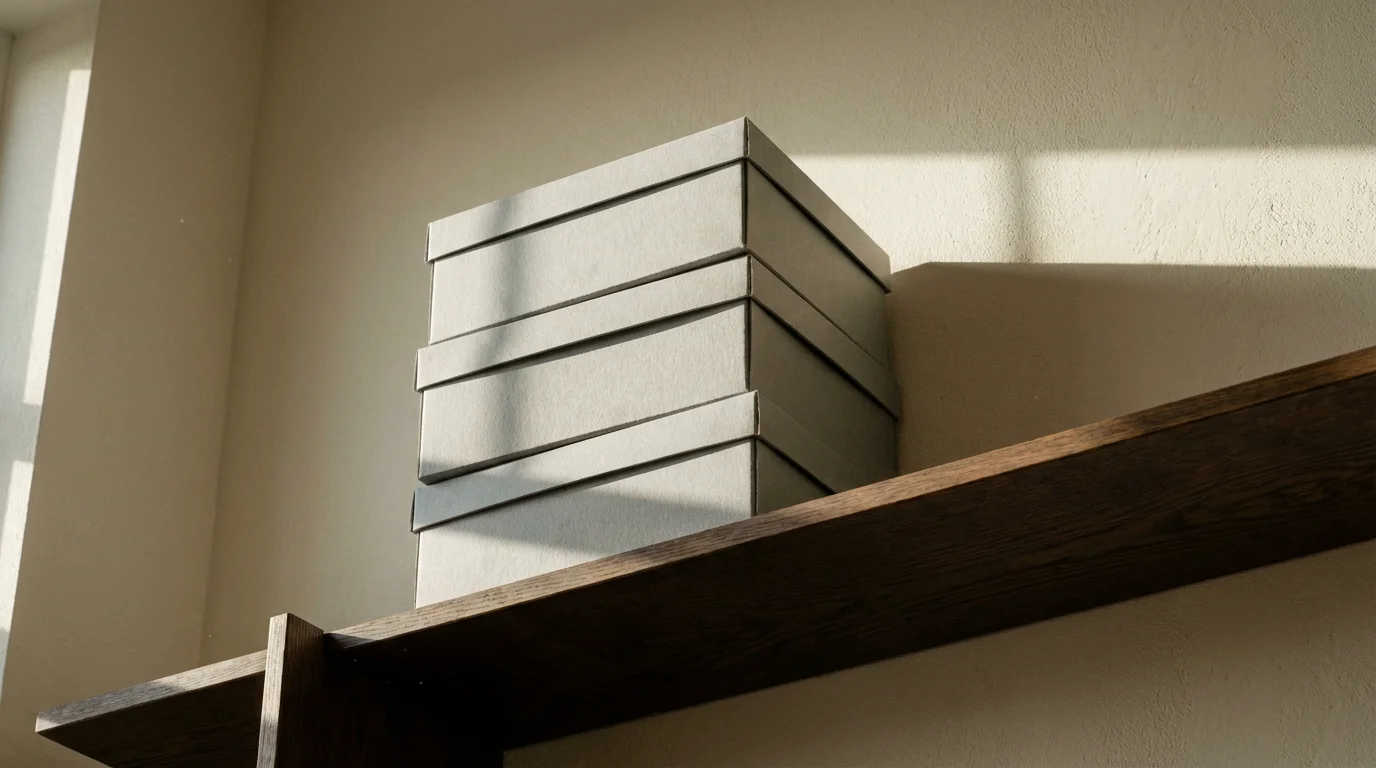
Protecting Your Photographic Heritage
Your photographs represent a tangible link to your past, holding stories and emotions that resonate across generations. By choosing the best archival boxes and adopting sound preservation practices, you are not simply storing paper and film; you are actively safeguarding your family’s history. This effort ensures that future generations can access, appreciate, and learn from the visual legacy you pass down.
Start small, focus on one box at a time, or prioritize your most valuable collections. The journey of photo preservation is a continuous act of care and respect for your memories. With the right archival tools and knowledge, you gain the confidence to protect your precious photographic heritage for many years to come.
Disclaimer: This article is for informational purposes only. When handling valuable or irreplaceable photographs, consider consulting a professional conservator. Always test preservation methods on non-valuable items first.
If your collection is currently stuck in deteriorating albums, be sure to learn how to remove photos from old magnetic albums safely before transferring them to archival boxes.

Leave a Reply