
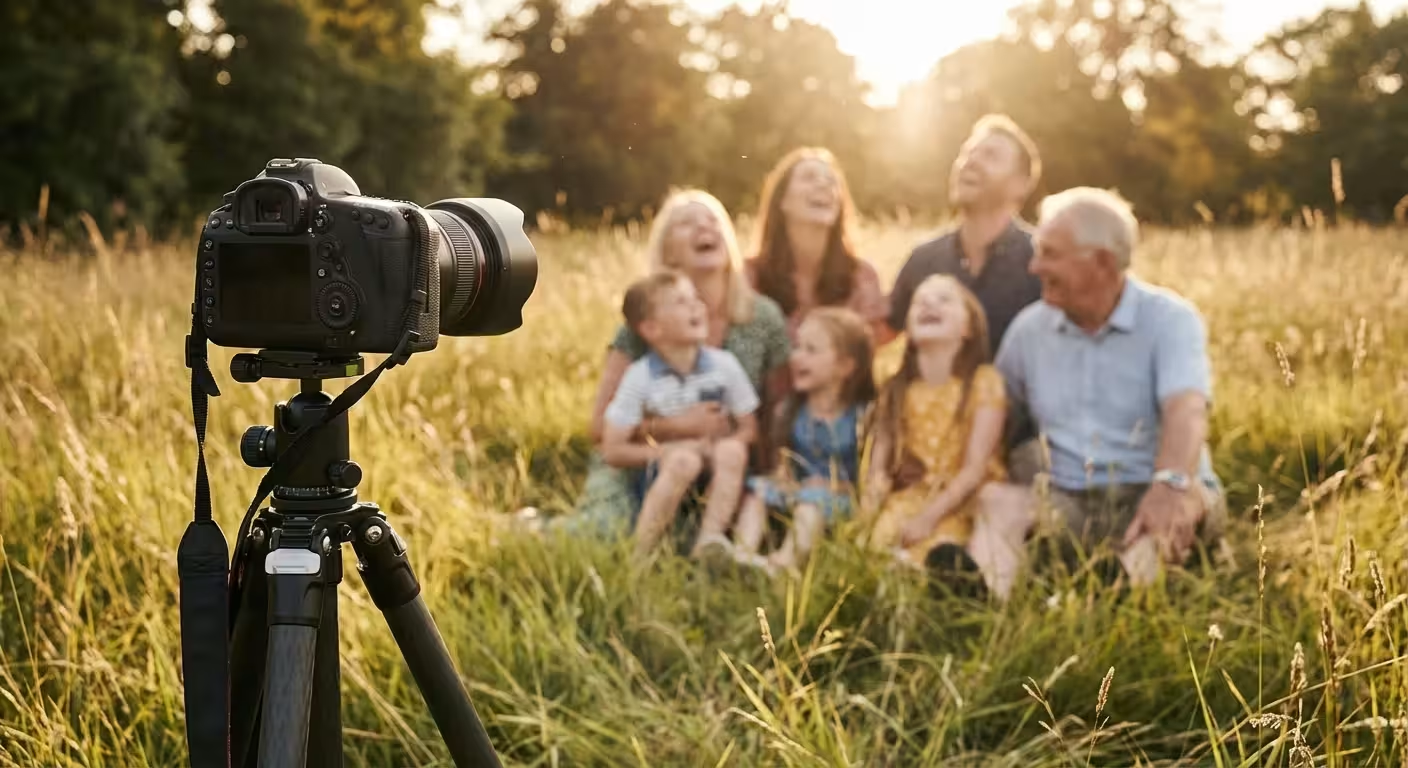
Capturing a perfect family portrait often feels like a race against time. You have small children with limited patience, varying heights to coordinate, and the eternal struggle of making sure the person behind the lens actually makes it into the photo. While modern cameras offer incredible autofocus and image stabilization, a high-quality tripod remains the most vital piece of photography gear for family preservation. It provides a consistent frame, allows you to step away from the camera to interact with your subjects, and ensures that every detail—from the texture of a hand-knitted heirloom sweater to the sparkle in a grandparent’s eye—remains tack-sharp.
When you transition from individual portraits to large group shots, the technical demands on your equipment increase significantly. You are no longer just supporting a camera; you are creating a fixed point of reference that allows for advanced techniques like head-swapping in post-processing—a lifesaver when one child blinks while the other finally smiles. Choosing the right support system requires a balance of stability, height, and portability. Whether you are documenting a holiday reunion or creating a formal multi-generational legacy portrait, understanding the nuances of tripod construction will help you protect these fleeting moments for decades to come.
Why Stability Matters for Multi-Generational Portraits
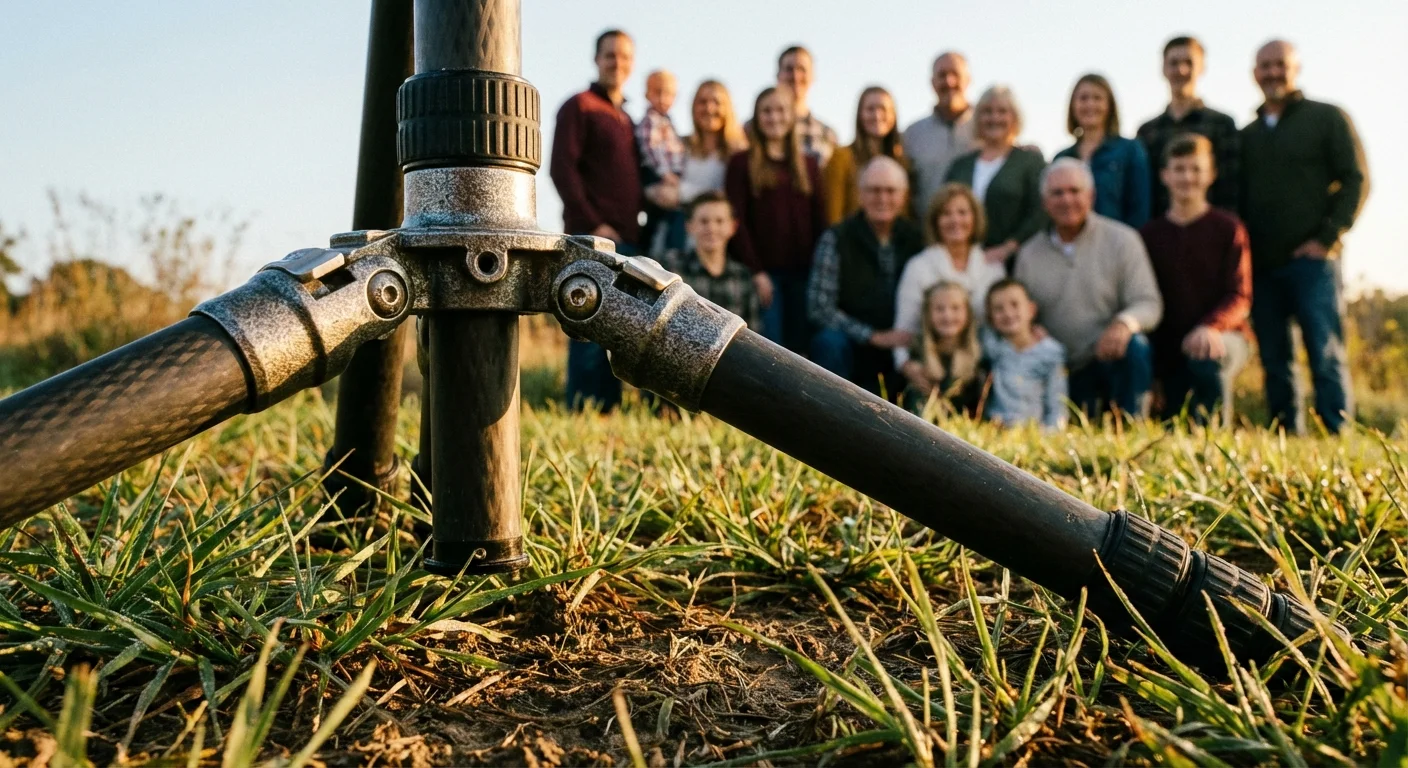
Stability is the foundation of any high-quality image, but it becomes even more critical when you are photographing large groups. When you arrange twenty people for a reunion photo, you often need to use a smaller aperture—such as f/8 or f/11—to ensure that the people in the front row and the back row are all in sharp focus. Using a smaller aperture reduces the amount of light hitting the sensor, which often requires a slower shutter speed. Without a sturdy family portrait tripod, even the slight tremor of your hands can introduce motion blur, ruining a photo that might be impossible to recreate.
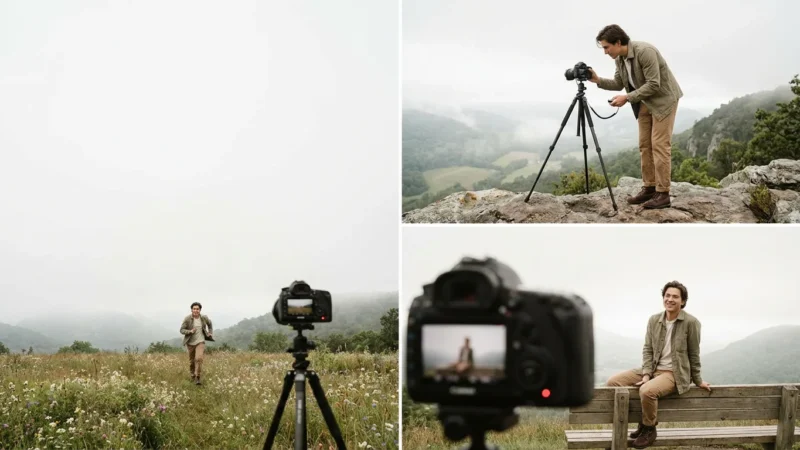
Beyond technical sharpness, a tripod changes the psychology of the photo shoot. When you mount the camera, you establish a “stage.” Your family members understand where to look and where the boundaries of the frame exist. More importantly, it frees you to move. You can jump into the frame, adjust a toddler’s collar, or use a “silly” prop to get a laugh from the group, all while knowing your composition remains perfectly locked. This consistency is essential for “composite” shots. If you take ten photos and the camera doesn’t move a millimeter, you can easily mask in the best expression for every person from different frames during editing.
A tripod isn’t just a stand for your camera; it is a tool that allows you to stop being a technician and start being a director of your family’s history.
Essential Features for Large Group Photography Gear
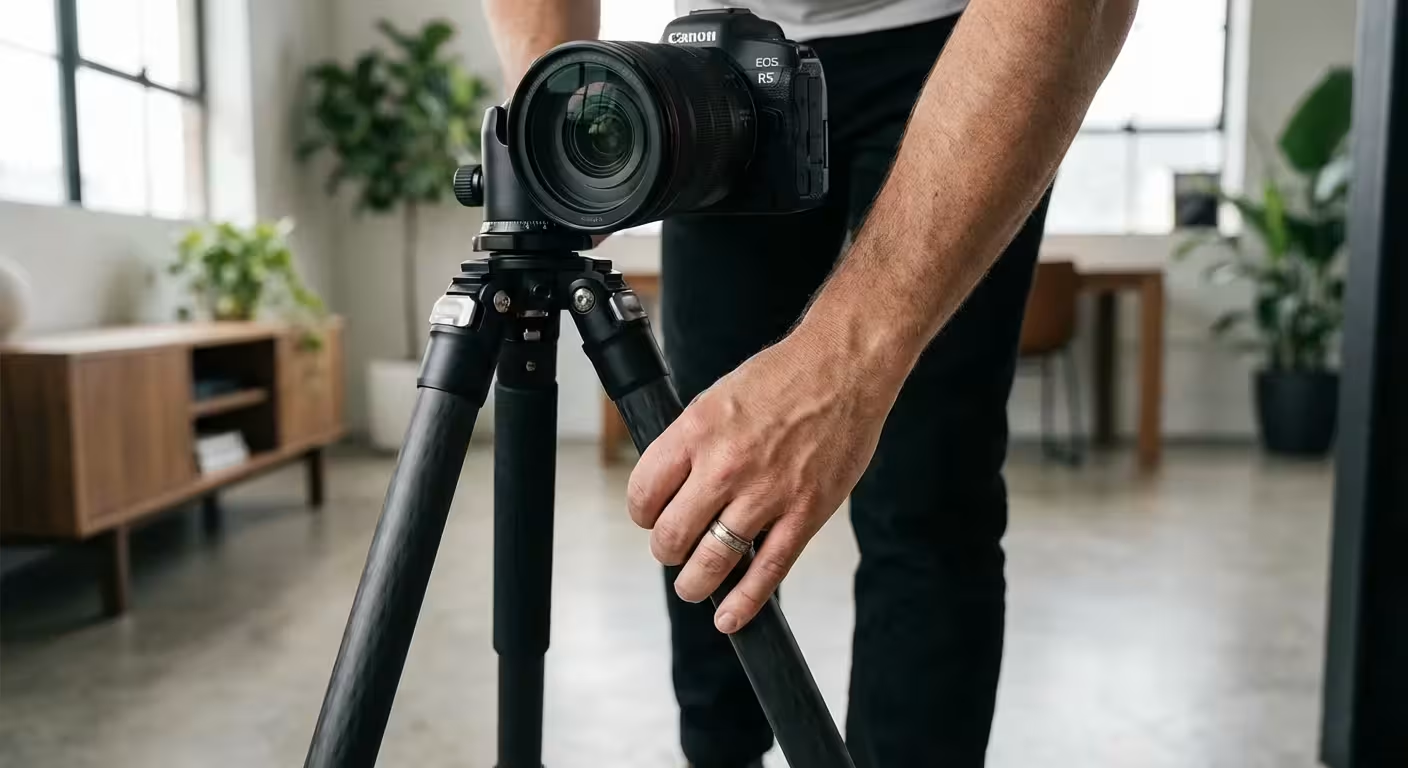
When shopping for the best travel tripod or a dedicated studio stand, you must look past the price tag and evaluate specific mechanical features. Not all tripods are created equal, and a model designed for a lightweight vlogging camera will likely fail under the weight of a professional DSLR with a heavy portrait lens.
- Load Capacity: Always choose a tripod with a load capacity at least double the weight of your heaviest camera and lens combination. For a full-frame camera and a 70-200mm lens, look for a capacity of 15–20 pounds to ensure the legs don’t flex or vibrate.
- Maximum Height: For large groups, you often need to position the camera slightly above eye level. This downward angle is more flattering for faces and helps you see over the heads of the front row. Seek a tripod that reaches at least 60 inches without extending the center column.
- Leg Lock Types: Twist locks are generally faster and more weather-resistant, while flip locks are easier to verify visually. If you are setting up in a hurry during a family event, choose the system that feels most intuitive to you.
- Feet Versatility: Outdoor family portraits often happen on grass, sand, or uneven dirt. Look for tripods with interchangeable feet—rubber for indoors and spiked for outdoor stability.
Carbon Fiber vs. Aluminum: Choosing Your Foundation
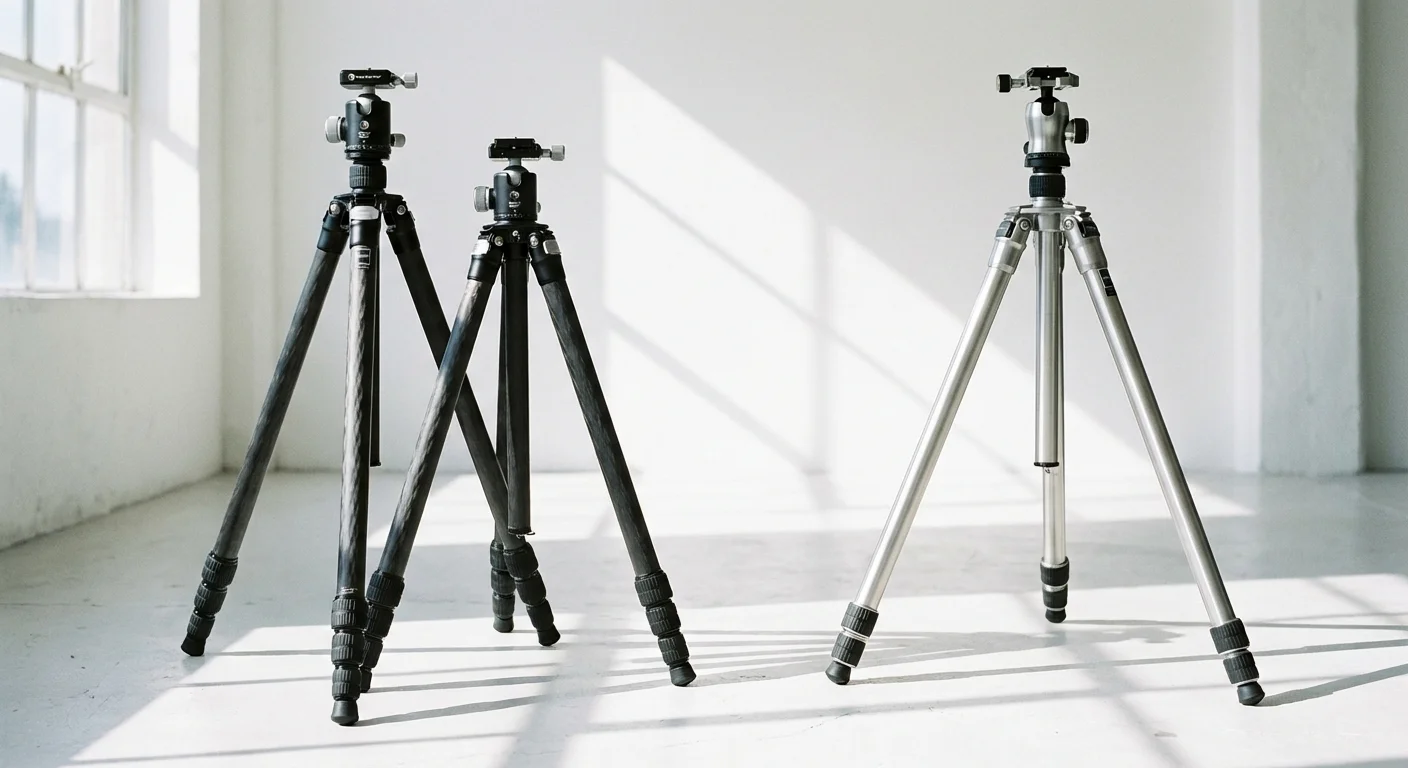
The debate between carbon fiber and aluminum is a mainstay in the world of photography gear. Each material offers distinct advantages depending on how and where you plan to photograph your family. Aluminum tripods are the workhorses of the industry. They are heavy, which provides excellent natural stability against wind, and they are significantly more affordable. However, they can be cold to the touch in winter and are prone to corrosion if used near saltwater without proper cleaning.
Carbon fiber, on the other hand, is the gold standard for many photographers. It is roughly 20% to 30% lighter than aluminum, making it the preferred choice for those seeking the best travel tripod for family vacations. Carbon fiber also possesses superior vibration-dampening qualities. If you are shooting near a busy road or on a wooden deck where people are walking, carbon fiber absorbs those tiny tremors much better than metal. While the initial cost is higher, the durability and ease of transport often make it the more practical choice for long-term family use.
According to research shared by Cambridge in Colour, camera shake is one of the primary reasons for “soft” images, and the material of your tripod plays a massive role in how quickly those vibrations dissipate after you press the shutter button. If your budget allows, carbon fiber provides a level of insurance for your memories that aluminum cannot always match.
Top Tripod Recommendations for Every Family Scenario
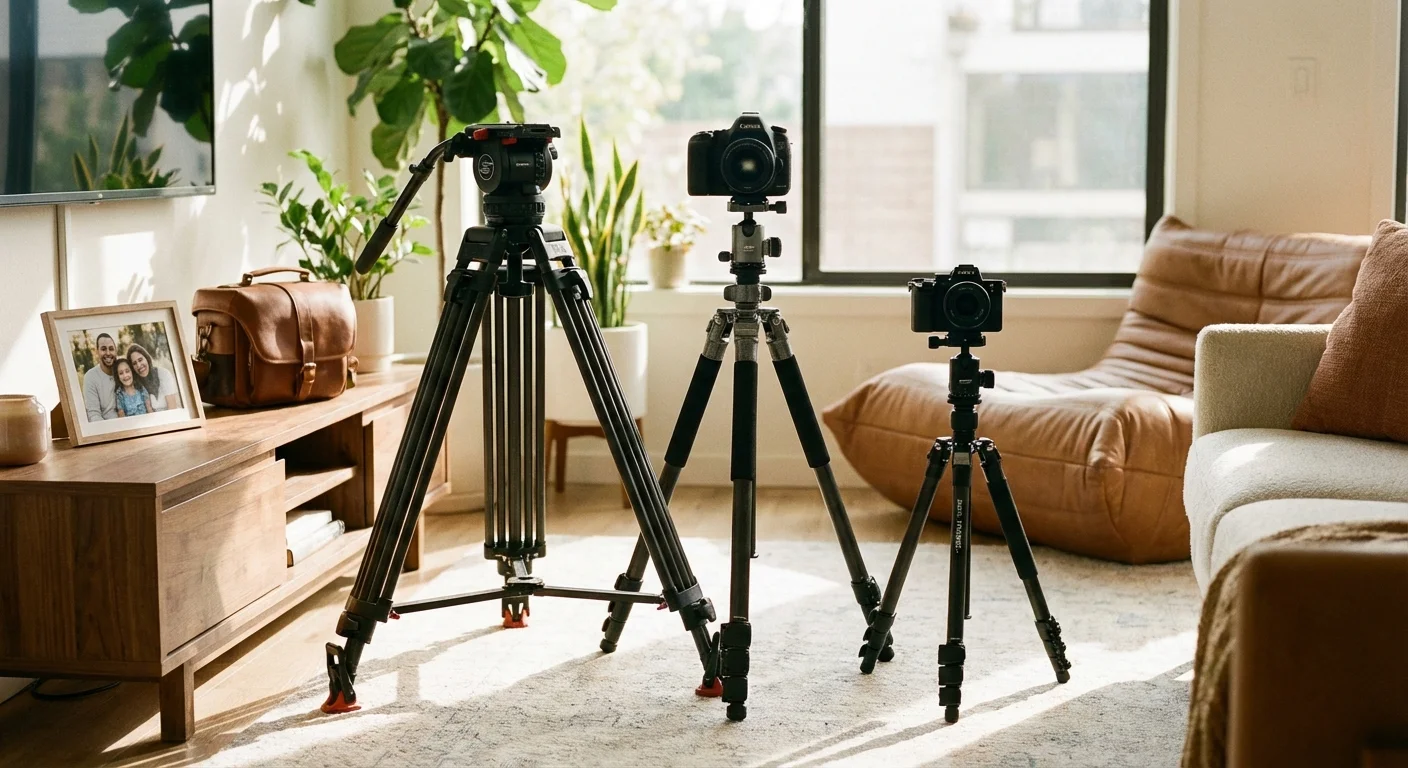
Selecting the right model depends on your specific needs. Are you traveling to a national park for a reunion, or are you setting up a permanent space in your basement for annual holiday photos? Below is a comparison of top-tier options that cater to different family photography styles.
| Tripod Category | Recommended Model Type | Best For… | Key Advantage |
|---|---|---|---|
| The All-Rounder | Manfrotto 055 Series | Backyard and Studio Portraits | 90-degree center column for creative angles |
| The Travel Expert | Peak Design Travel Tripod | Vacations and Hiking | Collapses to the diameter of a water bottle |
| The Heavy-Duty Pro | Benro Mach3 Carbon Fiber | Large Groups / Heavy Lenses | Extreme stability and high load capacity |
| The Budget-Friendly Hero | Vanguard Alta Pro 2+ | Beginner Family Photographers | Excellent value with professional features |
For most families, the Manfrotto 055 series (available in both aluminum and carbon fiber) offers the best balance of height and stability. It is tall enough to handle large groups standing on a slope, and its robust build means it will likely be passed down to the next generation of photographers in your family. If your family is the adventurous type, the Peak Design Travel Tripod is a marvel of engineering, eliminating the “dead space” found in traditional tripods and making it easy to pack for a destination reunion.
Mastering the Tripod Head for Seamless Compositions
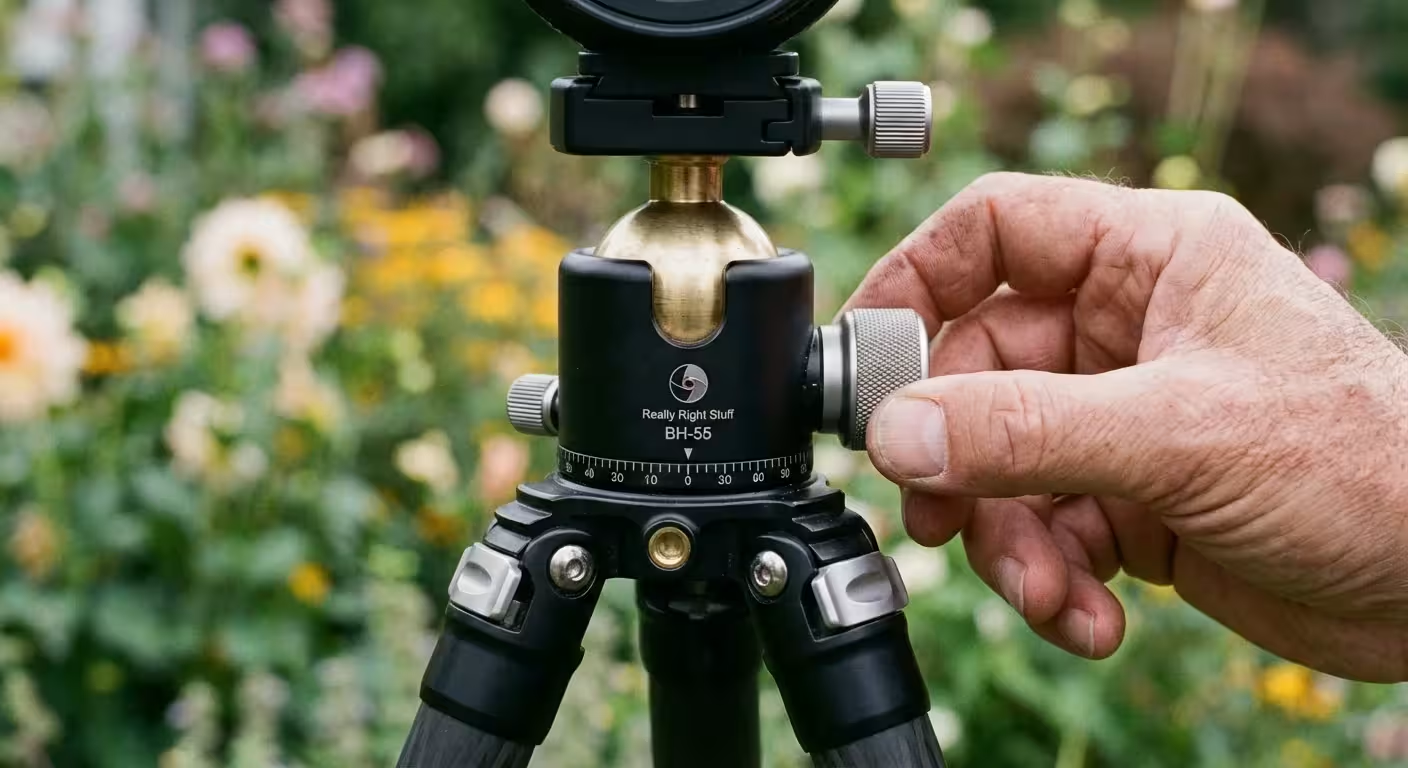
The legs of your tripod provide the height, but the “head”—the part where the camera attaches—determines how easily you can frame your shot. For family portraits, speed and precision are your best friends. If you spend five minutes fiddling with knobs, your three-year-old subject will have already wandered off in search of a snack.
Ball Heads: These are the most popular choice for general photography. A single locking mechanism allows you to move the camera in any direction. They are incredibly fast to use, which is helpful when you need to adjust for a last-minute addition to the group. High-quality ball heads, like those reviewed on Digital Photography Review, feature tension control, which prevents your camera from flopping over when you loosen the lock.
Three-Way Pan-Tilt Heads: These heads have separate handles for horizontal, vertical, and tilt movements. While slower to adjust, they are superior for large group shots where perfect leveling is required. You can lock the horizontal axis to ensure your “horizon” is straight, then independently adjust the tilt to get everyone’s faces in the frame. If you are meticulous about your family archives and want every shot perfectly squared, a pan-tilt head is worth the extra few seconds of setup time.
Securing Your Setup for Outdoor Family Gatherings
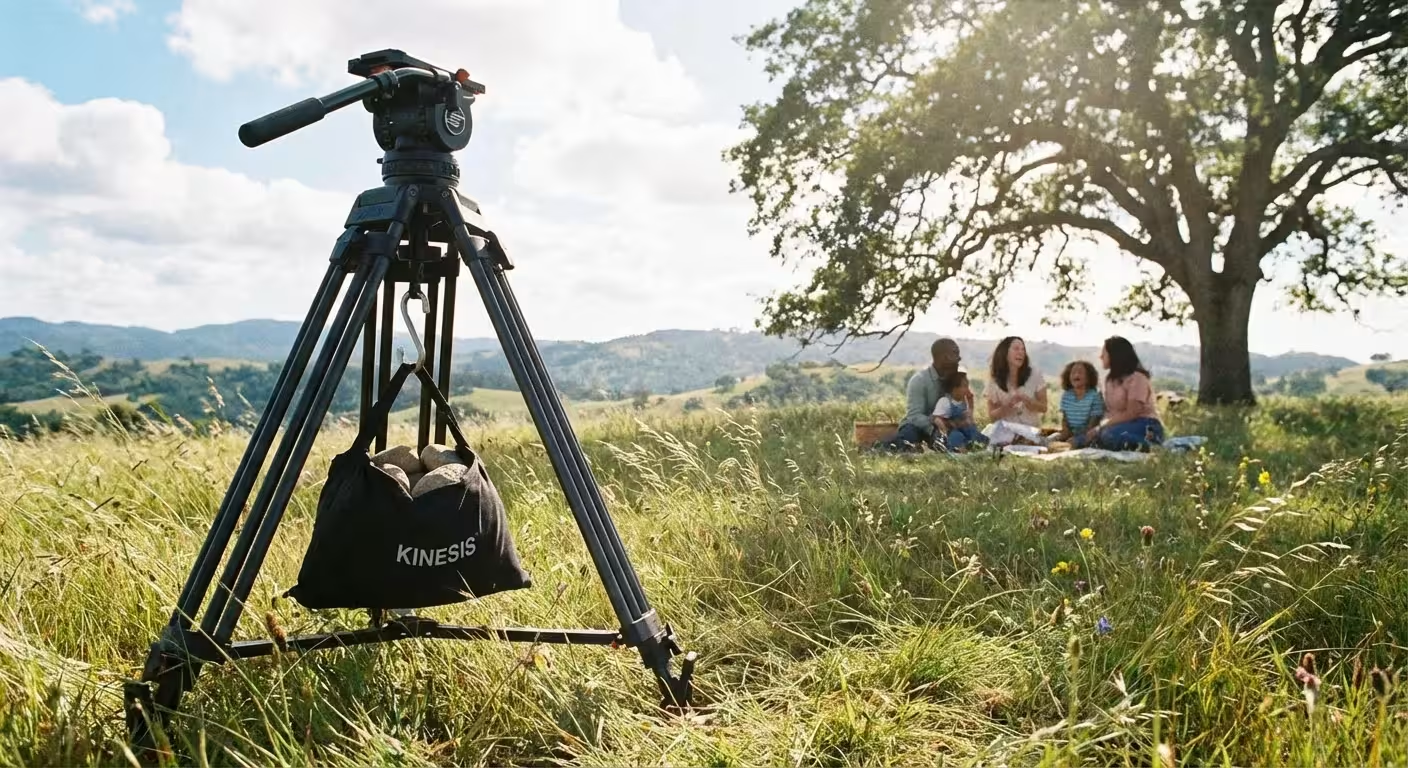
Outdoor environments are unpredictable. A sudden gust of wind can turn a tripod and an expensive camera into a pile of broken glass and plastic. When setting up your family portrait tripod on a lawn or at the beach, follow these steps to ensure the safety of your gear and the quality of your images.
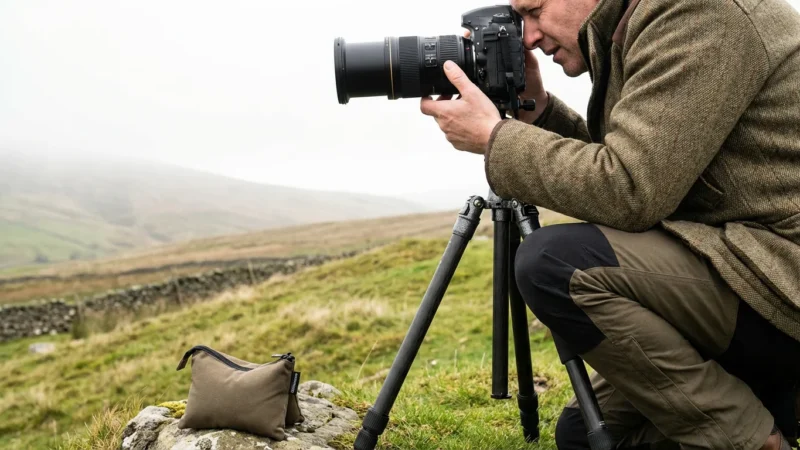
First, always extend the thickest leg sections first. The skinniest sections at the bottom are the most prone to flexing. If you don’t need the full height, leave the bottom sections retracted. Second, use the “hook” located at the bottom of most center columns. Hanging your camera bag from this hook adds significant weight and lowers the center of gravity, making the tripod much harder to tip over. This is especially important when using a best travel tripod, which may be lighter and more susceptible to the elements.
Third, pay attention to the surface. On soft grass, push the legs down firmly to “seat” them in the soil. If you are on a hill, position one leg pointing directly toward the group. This creates a “trip” barrier; if someone accidentally bumps the camera, it is more likely to tilt toward the leg than to fall over entirely. Finally, always use a spirit level—either the one built into the tripod or the electronic level inside your camera—to ensure the photo isn’t slanted. A crooked family photo is a common amateur mistake that is easily avoided with a few seconds of preparation.

Remote Triggers: Putting the Photographer Back in the Frame
The most common problem with being the “family historian” is that you are rarely in the photos. While every camera has a 10-second self-timer, this often leads to a frantic, blurry sprint toward the group, resulting in a photo where you look breathless and disheveled. To solve this, pair your tripod with a remote shutter release.
Modern cameras often connect to smartphone apps, allowing you to trigger the shutter from your phone. However, holding a phone in a formal family portrait can look out of place. A small, palm-sized infrared or radio remote is a better solution. You can hide it in your hand, wait for the perfect moment when everyone is looking and smiling, and click the button discreetly. This allows you to take multiple shots without ever leaving the group, ensuring you get at least one frame where everyone has their eyes open.
For those using older film cameras to capture a nostalgic look, a mechanical cable release serves the same purpose. These tools allow you to interact with your family members naturally—holding a grandchild or standing next to your spouse—while still maintaining full control over the photography gear. This level of involvement makes the final image feel like a shared family memory rather than a clinical documentation of a group.
Maintaining Your Gear for Decades of Use
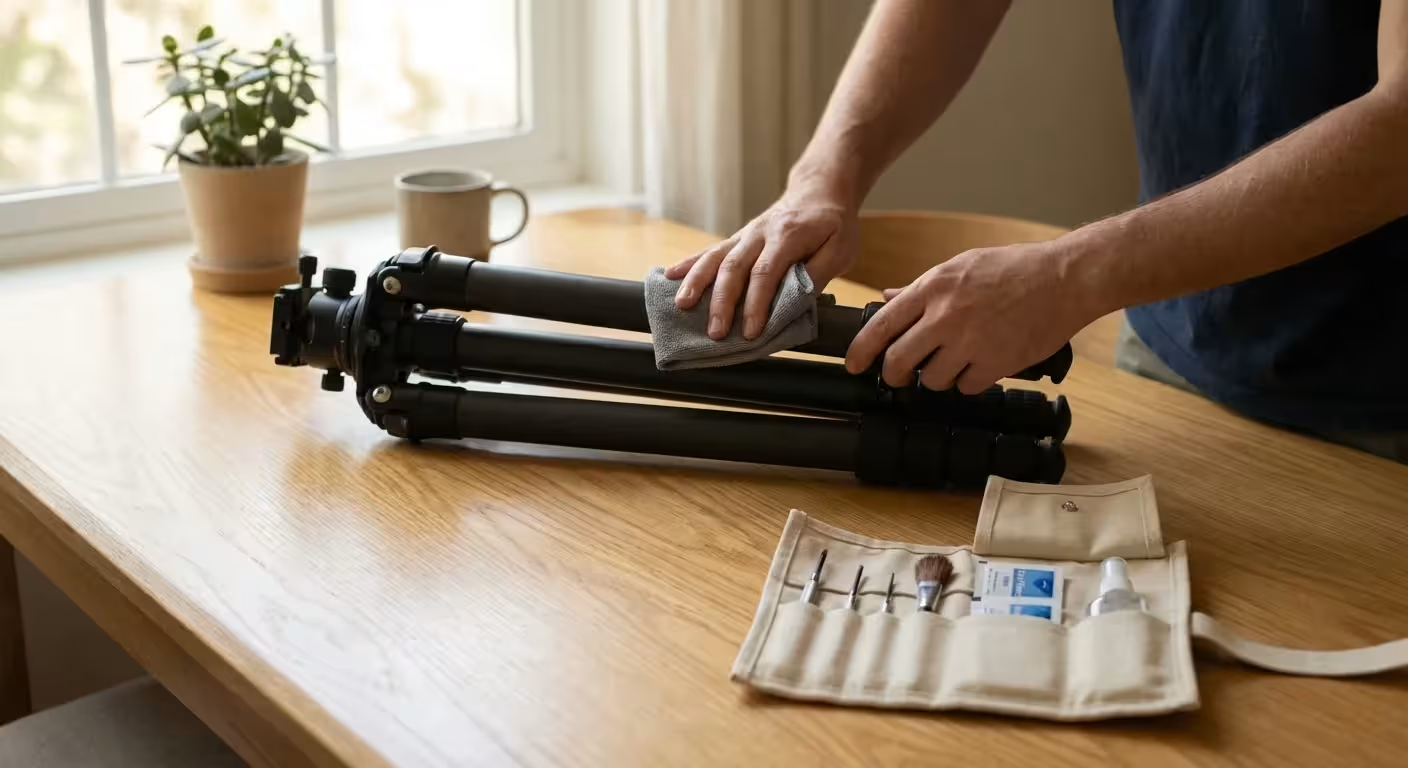
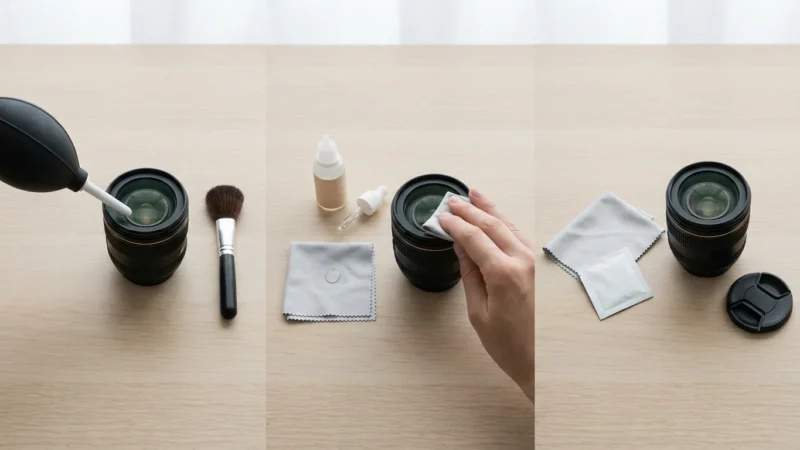
A good tripod should be a one-time purchase that lasts twenty years or more. However, family photo sessions often involve “hazards” like sand at the beach, mud in the park, or sticky fingers from curious toddlers. To preserve your equipment, you must practice basic maintenance. After an outdoor shoot, wipe down the legs with a damp cloth to remove grit and salt. If you used the tripod in sandy conditions, extend the legs fully and use a soft brush to clean the locking mechanisms; sand is the enemy of smooth operation.
Periodically check the tension of the bolts using the Allen keys that usually come with your tripod. Over time, the legs may become “loose” and swing too freely. A quick turn of a wrench will restore that factory-new feel. Store your tripod in a dry, cool place—ideally in its carrying bag to prevent dust buildup. By treating your tripod with the same respect you give your camera and your printed photographs, you ensure that it will always be ready to stand steady for the next milestone, from a baby’s first steps to a graduation or a golden wedding anniversary.
Frequently Asked Questions
What is the difference between a tripod and a monopod for family photos?
A tripod has three legs and can stand independently, allowing you to be in the photo. A monopod has only one leg; it helps support the weight of a heavy lens and reduces vertical shake, but it cannot stand on its own. For family portraits where the photographer needs to be in the shot, a tripod is the only viable option.
Do I need to buy a separate head for my tripod?
Many entry-level and mid-range tripods are sold as a “kit” that includes both the legs and a head. However, professional-grade legs are often sold separately, allowing you to choose the specific type of head (ball, pan-tilt, or geared) that best suits your shooting style. For most family photographers, a kit with a high-quality ball head is the most convenient starting point.
Can I use my tripod for taking videos of family events too?
Absolutely. A tripod is excellent for video, as it eliminates the distracting “shaky cam” effect. If you plan to do a lot of video, you might consider a “fluid head,” which allows for smooth, cinematic panning and tilting movements while recording your family’s stories.
Is a heavy tripod always better than a light one?
In terms of pure stability, weight is an advantage because it resists movement from wind or touch. However, if a tripod is too heavy, you are less likely to bring it with you to family outings. The goal is to find the heaviest tripod that you are still willing to carry. This is why carbon fiber is so popular; it offers the stability of a heavy tripod with the weight of a light one.
Disclaimer: This article is for informational purposes only. When handling valuable or irreplaceable photographs, consider consulting a professional conservator. Always test preservation methods on non-valuable items first.
Leave a Reply