
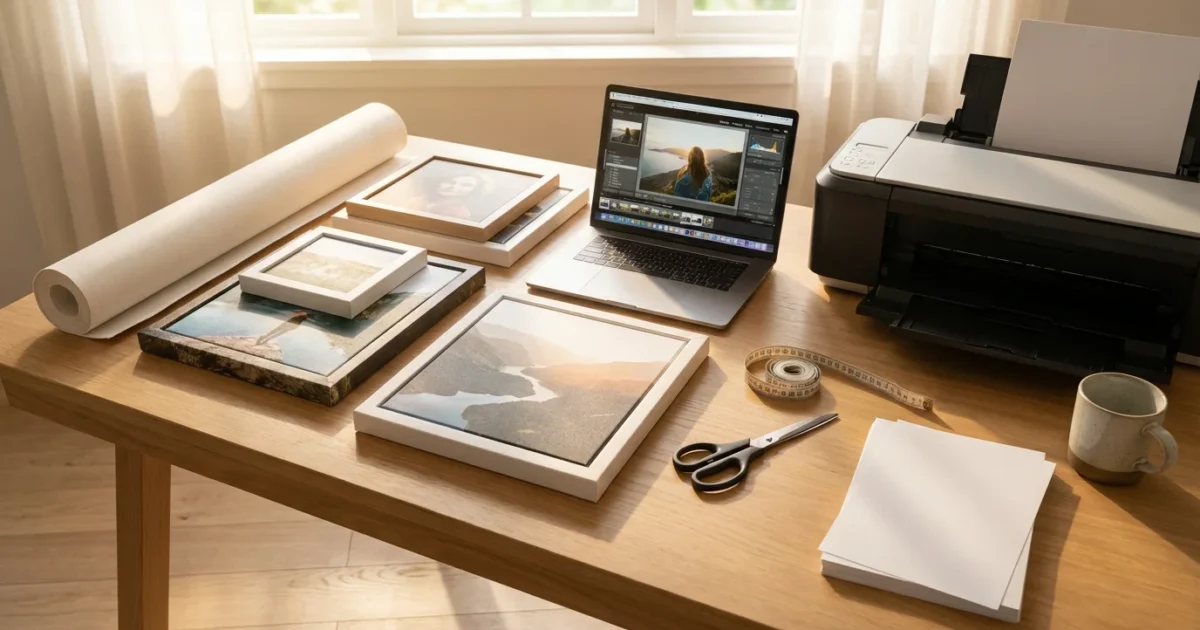
Transforming your favorite photographs into stunning canvas prints elevates cherished memories into works of art. A high-quality photo on canvas can become a focal point in your home, reflecting your family’s story and personal style. Whether you aim to preserve a precious family heirloom, display a breathtaking landscape, or create a personalized gift, understanding the process ensures your wall art prints look their best and last for years.
Beyond large-scale prints, you can also explore making photo magnets and keepsakes for smaller ways to enjoy your favorite captures.
For another practical way to showcase your pictures, you can learn how to make a family photo calendar to share with relatives.
This comprehensive guide walks you through everything you need to know about printing photos on canvas, from selecting the right image to caring for your finished piece. You will gain practical, actionable insights to navigate the choices and achieve exceptional results, turning your digital files into beautiful, tangible keepsakes.
Why Choose Canvas for Your Precious Memories?
Choosing canvas for your photographs offers unique advantages that transform a simple picture into a significant decorative piece. Unlike traditional framed prints behind glass, canvas provides a textural, gallery-like feel, bringing warmth and depth to your images. The absence of glare, a common issue with glass-covered prints, allows for optimal viewing from any angle, making your wall art prints more versatile in various lighting conditions.
For those looking to document milestones chronologically, creating a year-in-review photo album is a wonderful companion project to your wall art.
Canvas prints also serve as a dignified way of creating a memorial photo tribute for a loved one.
While canvas is ideal for single statement pieces, you may also enjoy learning how to create a beautiful photo book online for larger collections of images.
Canvas printing creates a durable display for your photographs. Modern canvas materials and archival inks resist fading and damage over time, ensuring your memories remain vibrant for decades. This durability makes canvas an excellent choice for preserving old family photos, digitally restored images, or significant life events you want to cherish permanently. A well-made photo on canvas is an investment in your family’s visual heritage.
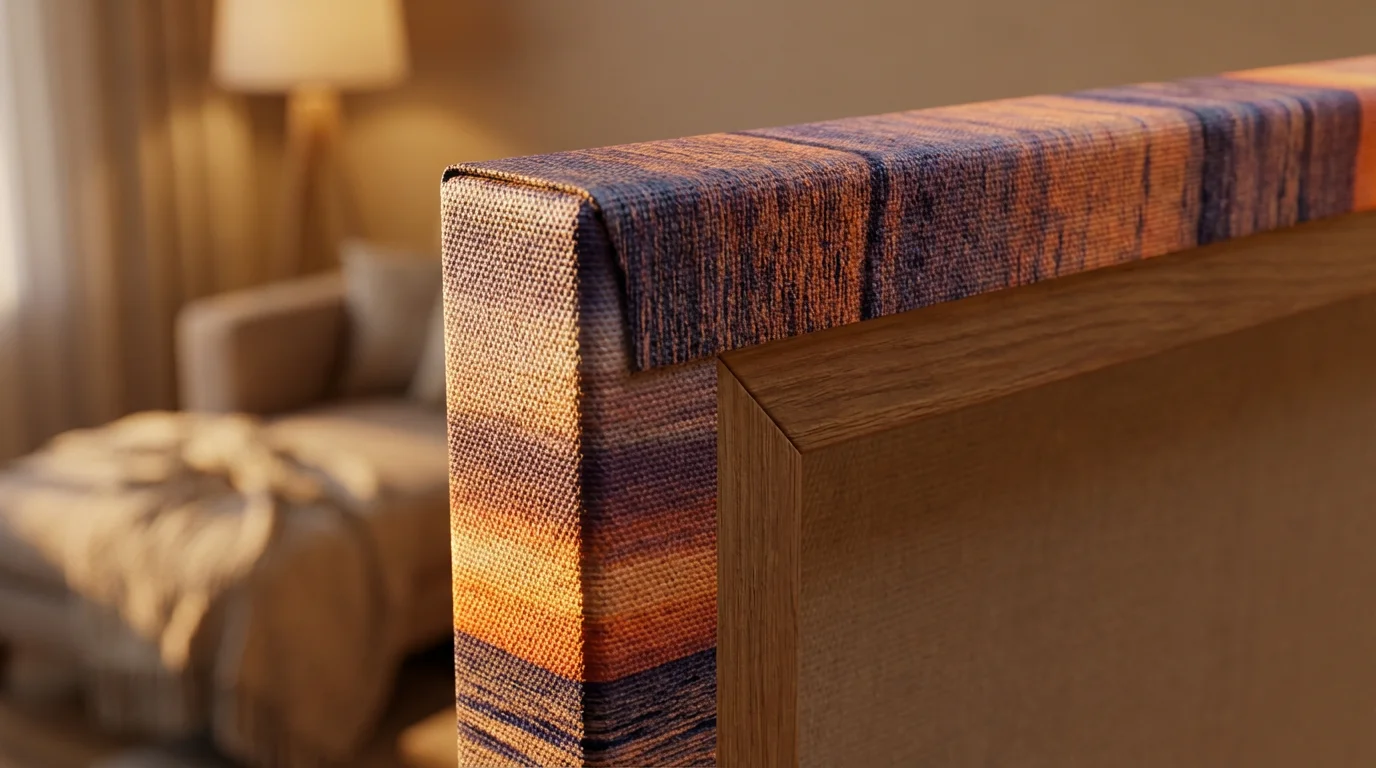
Furthermore, the three-dimensional nature of a gallery-wrapped canvas adds an artistic element that traditional prints often lack. The image wraps around the sides of the stretcher bars, creating a continuous flow that engages the viewer and stands out from the wall. This effect, combined with the tactile quality of the canvas fabric, elevates your chosen image into a true statement piece, perfect for living rooms, hallways, or bedrooms.
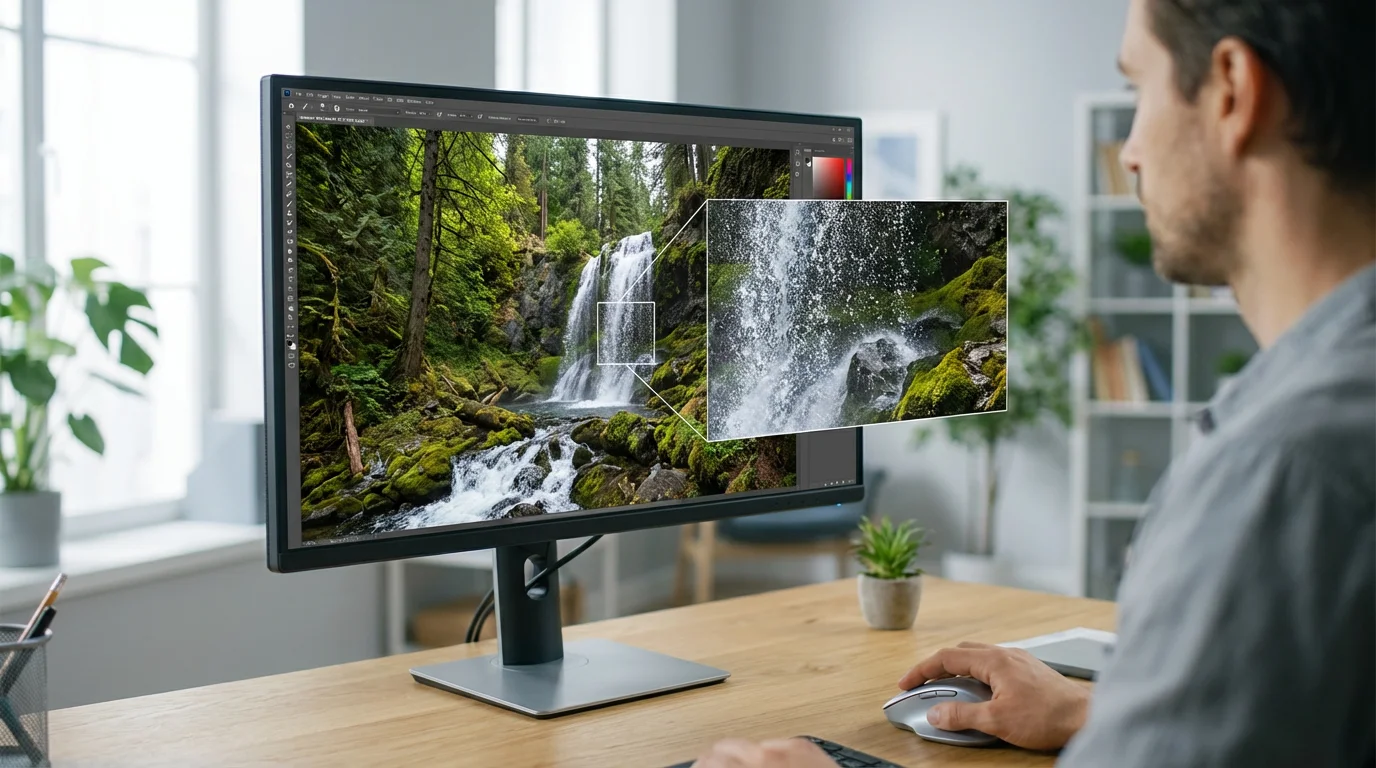
Image Quality Essentials for Stunning Canvas Prints
The foundation of an impressive canvas print lies in the quality of your original image. You must start with a high-resolution photograph to ensure sharp details and vibrant colors. Low-resolution images, when enlarged for a canvas print, often appear pixelated or blurry, diminishing the impact of your cherished memory.
If your original images aren’t digital yet, you might consider whether professional photo scanning services are worth it to ensure the highest quality scan for enlargement.
If you have multiple lower-resolution images, creating photo collages is a creative way to display several memories on one canvas without losing clarity.
If you have too many high-resolution images to print, consider creating a digital photo frame slideshow as an alternative way to rotate your favorites.
Understanding Resolution and DPI
Resolution refers to the number of pixels in your image. A higher pixel count means more detail, which is crucial for larger canvas prints. Most professional canvas print services recommend a resolution of at least 150 to 300 pixels per inch (PPI) for optimal results. For example, if you want to print a 20×30-inch canvas, you ideally need an image that is 3000 pixels by 6000 pixels at 150 PPI, or even higher at 300 PPI (6000 pixels by 9000 pixels) for crisp detail.
You can check your image’s resolution by viewing its properties on your computer. Look for the pixel dimensions (e.g., 4000×6000 pixels). Divide these dimensions by the desired print size to calculate the effective PPI. If your image has insufficient resolution for a large canvas, consider printing a smaller size to maintain quality, or use image upscaling software if absolutely necessary, though native high resolution is always preferable. Digital Photography Review provides excellent resources on understanding image resolution and its impact on print quality, helping you make informed decisions about your photo on canvas projects.
As digital photography expert Thom Hogan often states, “You can’t add pixels that aren’t there. If you want a large print, you need a large file. Period.” This highlights the importance of starting with a high-resolution image to achieve truly impressive canvas prints without compromise.
File Formats
Common file formats like JPEG, TIFF, and PNG work well for canvas prints. JPEG offers good compression and is widely used, but be aware that repeated saving of a JPEG can degrade its quality due to its lossy compression. TIFF files are uncompressed and maintain maximum image quality, making them ideal for professional printing, though they result in larger file sizes. PNG is a good option for images with transparency, though less common for standard photographic canvas printing. Always provide the highest quality file format available to your chosen print service.
Preparing Your Photo: Editing and Optimization
Before sending your photo for canvas printing, a few essential editing steps ensure your image looks its absolute best. Proper preparation can significantly enhance the final appearance of your photo on canvas.
To add a narrative element to your print, learn how to add text and captions to photos before you send them to the lab.
Cropping and Composition
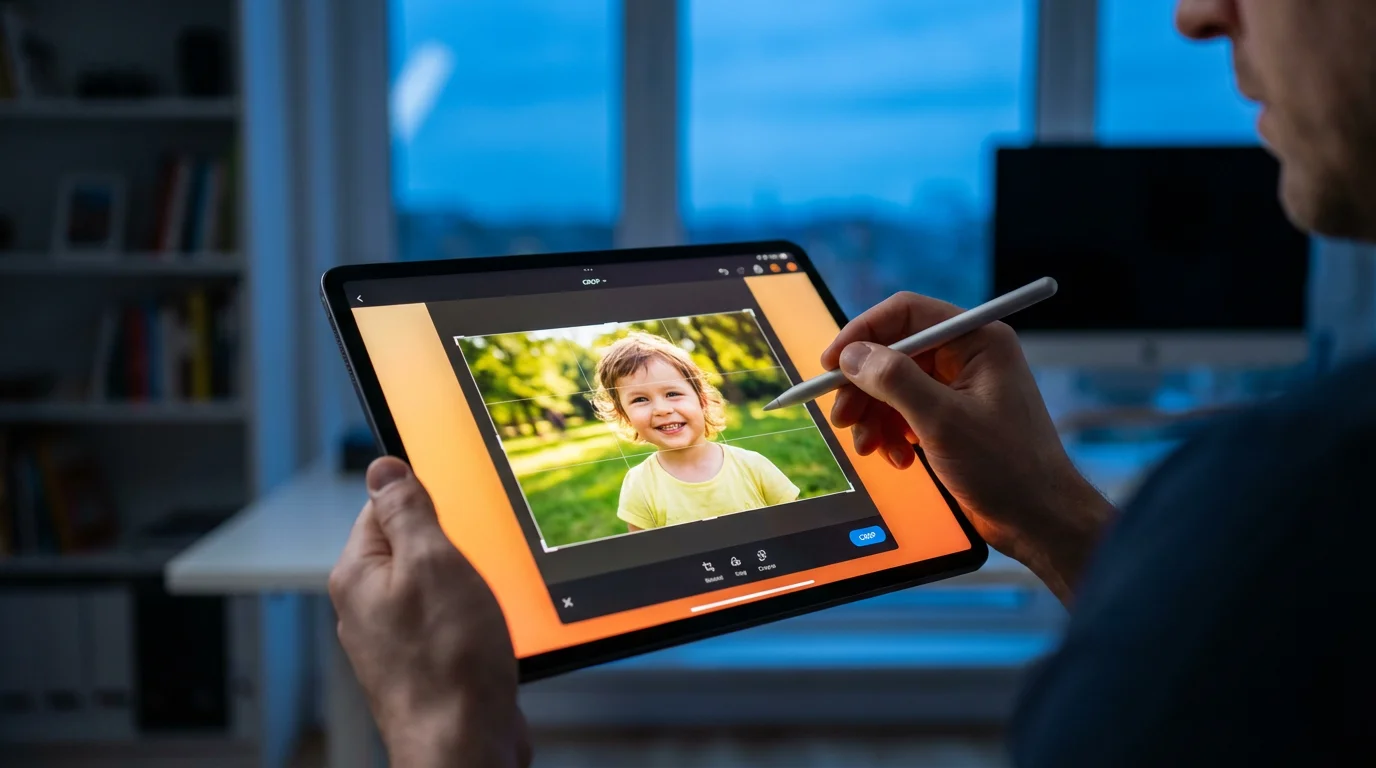
Consider how your image will fit the canvas aspect ratio. A photograph taken with a 2:3 aspect ratio (common for DSLRs) might need cropping to fit a square (1:1) or panoramic (1:2) canvas. Most online canvas print services offer cropping tools during the ordering process. Pay attention to how the image wraps around the edges if you choose a gallery wrap. Ensure no critical elements, like faces or significant details, are cut off or stretched onto the sides.
Color Correction and Brightness
Monitor calibration is crucial if you perform your own extensive color correction. Uncalibrated monitors can display colors inaccurately, leading to prints that do not match what you see on screen. Adjust brightness and contrast to ensure your image has good dynamic range without crushing shadows or blowing out highlights. Canvas prints tend to absorb light slightly more than glossy paper, so a slightly brighter image often translates better to canvas.
Sharpening
A subtle amount of sharpening can enhance the details in your photograph, making it appear crisper on canvas. Apply sharpening as a final step in your editing process and avoid over-sharpening, which can introduce artifacts or a grainy appearance. Many image editing programs offer “unsharp mask” filters that allow precise control over the sharpening effect.
Dust and Scratch Removal (for scanned photos)
If you plan to print scanned old photographs on canvas, meticulously inspect the digital file for dust, scratches, and blemishes. These imperfections, often barely noticeable on a small print, become glaringly obvious when enlarged on a canvas. Use cloning and healing tools in image editing software to carefully remove these distractions. This step is particularly vital for preserving the integrity and beauty of your family’s photographic heritage.
Understanding Canvas Types, Finishes, and Framing
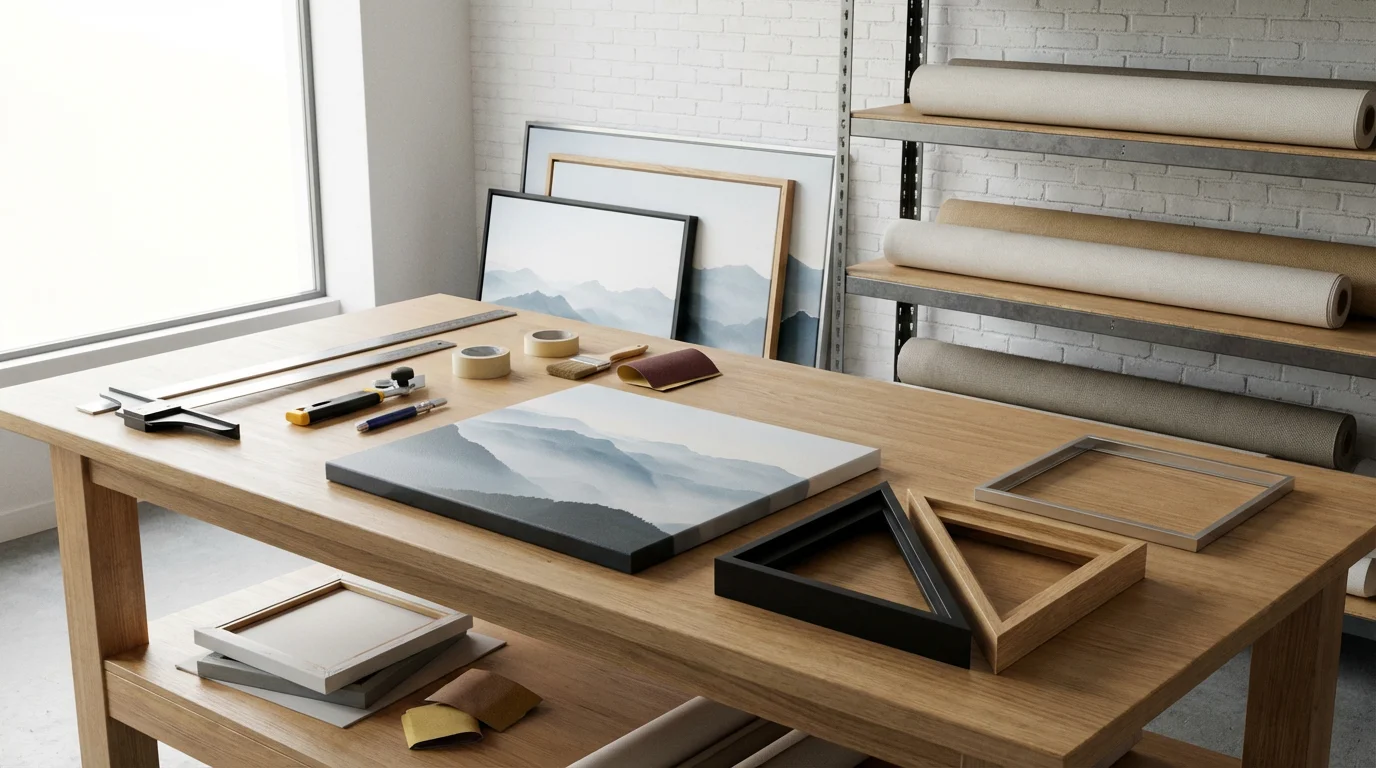
The choices you make regarding canvas material, finish, and framing directly impact the aesthetic and longevity of your wall art prints.
If you enjoy the aesthetic of photos on fabric, you may also be interested in fabric photo printing for custom items like pillows and quilts.
Canvas Material
Canvas prints typically use either cotton or polyester blends. Cotton canvas, often referred to as poly-cotton, offers a natural, artistic texture similar to traditional artist’s canvas. It is generally more durable and less prone to sagging over time. Polyester canvas is more uniform, often brighter white, and can offer sharper detail due to its smoother surface. For archival quality and a classic art look, poly-cotton blends with a high cotton content are often preferred.
Canvas Finishes
Canvas prints come in various finishes:
- Matte: A non-glossy finish that reduces glare and gives the print a soft, artistic look. It works well in brightly lit rooms and for images with muted tones or fine art reproductions.
- Satin/Semi-Gloss: Offers a subtle sheen that enhances color vibrancy and contrast without excessive reflectivity. It provides a good balance between glare reduction and color pop.
- Glossy: A high-sheen finish that brings out the richest colors and deepest blacks. It can, however, reflect light, making it less suitable for rooms with direct light sources.
Your choice of finish depends on the image content and the lighting in the room where you plan to hang your canvas. For images with intricate details or vibrant colors, a satin finish often provides the best compromise. For a more subdued, classic feel, matte is an excellent option.
Framing and Display Options
The way your canvas is wrapped or framed significantly affects its final presentation. Here is a comparison of common options:
| Option | Description | Aesthetic Impact | Ideal Use |
|---|---|---|---|
| Gallery Wrap | Image stretches around sturdy wooden stretcher bars, with the image continuing on the sides. No external frame. | Modern, clean, and minimalist. Gives a three-dimensional effect. | Contemporary spaces, large format wall art, personal photos where the focus is solely on the image. |
| Mirrored Edge Gallery Wrap | The very edge of the image is mirrored and stretched onto the sides, preserving the full front image. | Preserves the entire front composition while maintaining a gallery wrap look. | Images where critical details are near the edges, avoiding cropping. |
| Colored/Black Edge Gallery Wrap | The sides of the canvas are a solid color (often black or white) instead of part of the image. | Provides a distinct border, drawing attention to the front of the image. | When the image cannot be wrapped without losing important elements, or for a bolder framing effect. |
| Floating Frame | A thin frame surrounds the gallery-wrapped canvas, leaving a small gap between the canvas and the frame. | Elegant, sophisticated, and adds depth. Enhances the gallery art feel. | Formal settings, significant wall art prints, images requiring a more finished look. |
| Traditional Frame | The canvas is mounted into a standard picture frame, often without glass. | Classic, timeless, and blends well with traditional decor. | Art reproductions, classic portraits, coordinating with existing framed art. |
Consider your home’s decor and the specific photograph when deciding on the best presentation for your canvas prints. A gallery wrap offers a contemporary look, while a floating frame adds a touch of elegance, making your photo on canvas feel truly museum-worthy.
Selecting the Best Canvas Print Service for Your Needs
Choosing the right provider is critical for achieving high-quality canvas prints. The market offers many options, from budget-friendly services to premium art printers. Focus on providers known for their commitment to quality and customer satisfaction when you search for the best canvas print services online.
Before making your final choice, review our guide to the best photo printing services for quality prints to find a reliable provider.
Many of these providers also offer other unique display options, such as custom photo blankets and mugs.
Key Factors to Consider:
- Reputation and Reviews: Research online reviews and customer testimonials. Look for consistent praise regarding print quality, color accuracy, and customer service. Services with a strong positive track record generally deliver reliable results.
- Materials Used: Inquire about the canvas material (cotton vs. polyester) and the type of inks. Archival-grade, pigment-based inks resist fading for generations, offering superior longevity compared to dye-based inks. Stretcher bars should be made of kiln-dried wood to prevent warping over time.
- Print Quality and Color Accuracy: Some services offer color calibration tools or proofing options. Ask about their printing process and color management. A good service should produce prints with accurate colors and sharp details, closely matching your digital file.
- Customization Options: Look for a service that offers a range of sizes, canvas types, finishes (matte, satin, gloss), and wrapping/framing options (gallery wrap, mirrored edge, floating frame). This flexibility allows you to tailor the print to your specific vision.
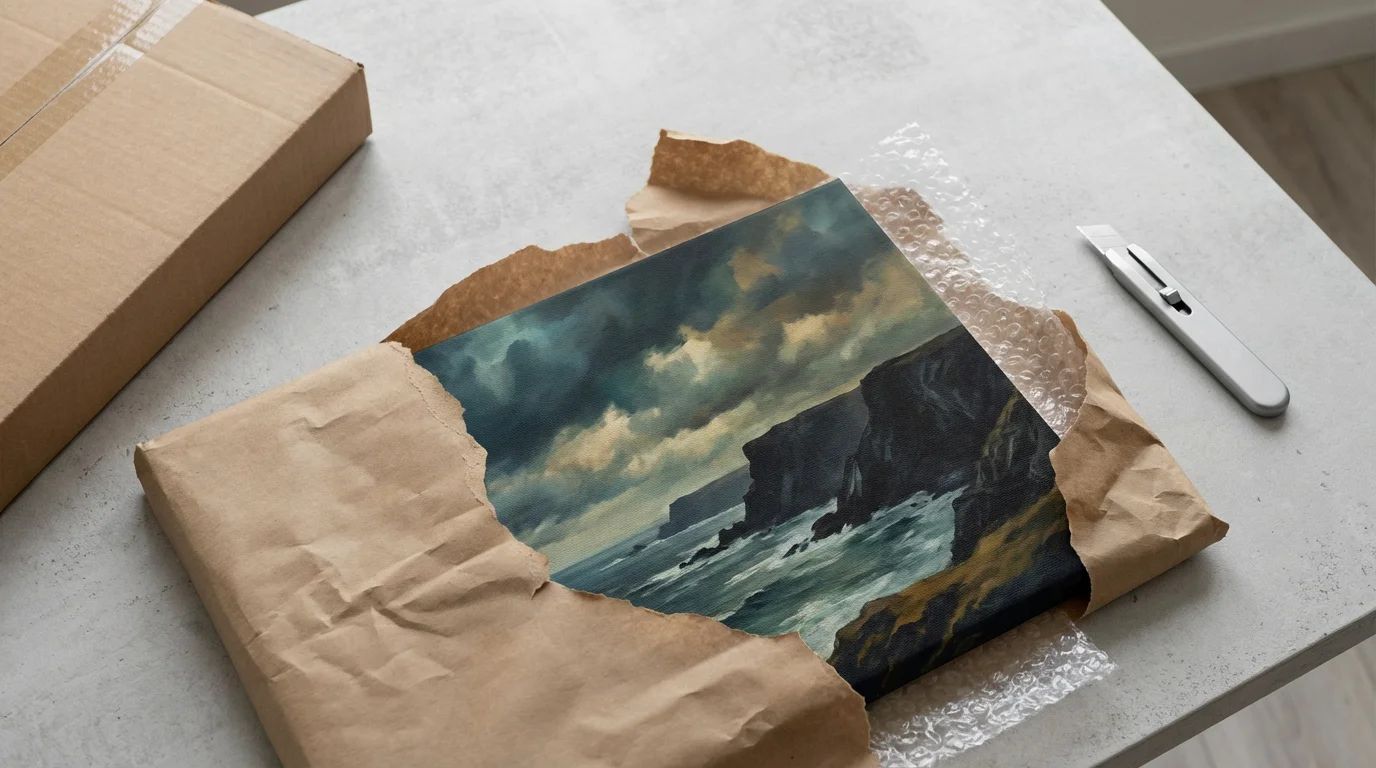
- Shipping and Packaging: Ensure the service uses robust packaging to protect your canvas during transit. Damaged corners or surfaces upon arrival can be a frustrating experience. Check their return policy for damaged goods.
- Pricing and Value: While budget is a factor, avoid choosing a service based on price alone. Extremely low prices can sometimes indicate compromises in material quality or printing processes. Compare prices across reputable services, considering the overall value offered in terms of materials, quality, and guarantees.
Many popular online services excel in producing quality canvas prints. Explore options like CanvasChamp, Great Big Canvas, and CanvasPop. Compare their offerings based on the factors above, and consider ordering a small test print if you plan a large order or want to evaluate a new service. This approach helps you make an informed decision and ensures your wall art prints meet your expectations.
Caring for Your Canvas Prints: Ensuring Longevity
Once you have your beautiful canvas prints, proper care and placement are essential to preserve their vibrancy and structural integrity for years to come. Your photo on canvas is an investment in your memories; protecting it ensures its lasting appeal.
Canvas prints are also a poignant choice when creating a memorial photo tribute for a loved one, providing a dignified way to honor their legacy.
Optimal Placement
- Avoid Direct Sunlight: UV rays are the primary enemy of any printed artwork. Direct exposure to sunlight, even through a window, can cause colors to fade significantly over time. Position your canvas prints on walls that do not receive direct, intense sunlight throughout the day.
- Maintain Stable Environment: Fluctuations in temperature and humidity can cause the canvas to stretch, sag, or even crack over time. Avoid hanging canvas prints in high-humidity areas like bathrooms or kitchens unless they are specifically treated for such environments. Aim for a stable room temperature and moderate humidity levels.
- Keep Away from Heat Sources: Direct heat from radiators, fireplaces, or air conditioning vents can also damage the canvas and inks, leading to drying, cracking, or discoloration. Maintain a safe distance between your canvas and these heat sources.
Cleaning and Maintenance
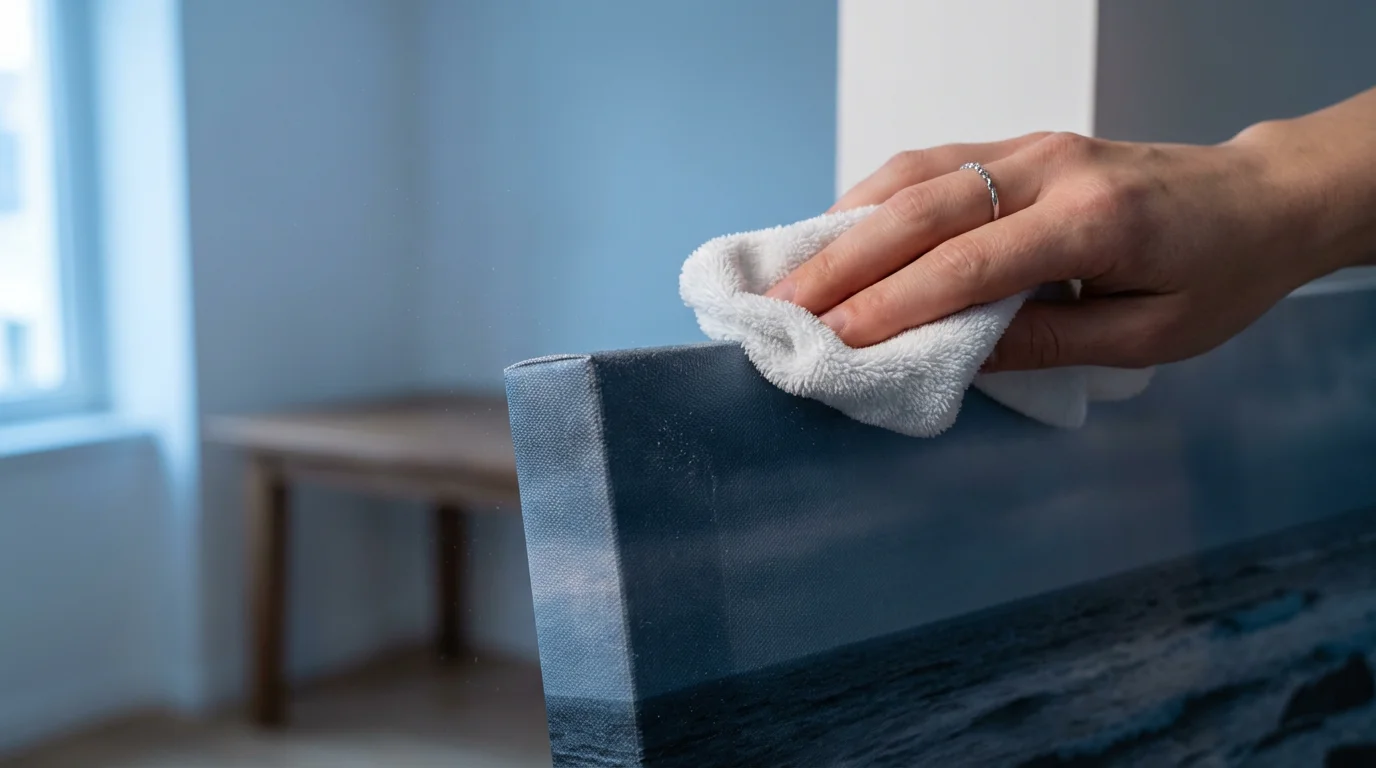
- Dust Gently: Regularly dust your canvas print with a soft, dry microfiber cloth or a feather duster. Avoid abrasive materials that could scratch the surface.
- Spot Cleaning: For minor smudges or marks, lightly dampen a clean microfiber cloth with plain water. Gently dab the affected area; do not rub vigorously. Always test a small, inconspicuous area first. Avoid using any harsh chemical cleaners, as these can damage the canvas coating and ink.
- Avoid Liquids: Do not spray cleaning solutions directly onto the canvas. Also, protect your canvas from spills, especially beverages or oils, which can cause permanent staining.
Most quality canvas prints come with a protective coating that shields against minor moisture and UV damage, but these coatings are not foolproof. Consistent, gentle care helps maintain the print’s original condition, ensuring your cherished wall art prints remain a vibrant part of your home decor for generations.
Frequently Asked Questions
How large can I print my photo on canvas?
The maximum size you can print your photo on canvas depends primarily on the resolution (pixel dimensions) of your original image. For a high-quality print, aim for at least 150-300 PPI at the desired print size. You can calculate the maximum recommended print size by dividing your image’s pixel dimensions by 150 or 200. For example, a 3000×4500 pixel image could produce a good quality 15×22.5 inch canvas at 200 PPI, or a very good quality 10×15 inch canvas at 300 PPI.
Will my canvas print fade over time?
Modern canvas prints, especially those from reputable services using archival-grade pigment inks and protective coatings, are highly resistant to fading. These materials are designed to last for decades, often 50 to 100 years or more, under proper indoor conditions. However, direct and prolonged exposure to strong sunlight or harsh environmental conditions will accelerate fading. Proper care and placement are crucial for preventing premature fading of your photo on canvas.
What is the difference between a gallery wrap and a standard frame?
A gallery wrap involves stretching the canvas around thick wooden stretcher bars (typically 1.5 inches deep) so the image extends around the sides, creating a frameless, contemporary look. A standard frame, conversely, encases the entire canvas print within an external decorative border, much like a traditional painting frame, often with a thinner stretcher bar underneath the canvas. The choice depends on your aesthetic preference and home decor.
Can I print old, physical photos on canvas?
Yes, you can absolutely print old, physical photos on canvas. The first step involves digitizing your old photographs at a high resolution, ideally 300-600 DPI, to capture all available detail. After scanning, you can use photo editing software to remove dust, scratches, and color correct any fading. Once optimized, these digital files are ready to be transformed into beautiful canvas prints, preserving your family’s history in a new, durable format.
Disclaimer: This article is for informational purposes only. When handling valuable or irreplaceable photographs, consider consulting a professional conservator. Always test preservation methods on non-valuable items first.







Leave a Reply