
You likely have a digital goldmine sitting on your hard drive or tucked away in your smartphone’s cloud storage. Every vacation snapshot, candid family moment, and beautifully plated dinner represents more than just a memory; it represents potential revenue. In the modern digital economy, businesses, bloggers, and marketing agencies constantly hunt for high-quality visuals to tell their stories. This demand has transformed stock photography from a niche industry for professionals into a viable stream of passive income for hobbyists and enthusiasts alike.
Before you begin your journey as a contributor, you may need to conquer photo chaos by sorting through your existing library to find the best shots.
The journey from a casual photographer to a successful stock contributor requires a shift in perspective. You must stop looking at your images as just personal keepsakes and start viewing them as commercial assets. Success in this field does not happen overnight—it demands consistency, a keen eye for trends, and a systematic approach to organization. By following the right strategies, you can turn your passion for capturing moments into a consistent source of photography income that grows over time.

Understanding the Stock Photography Market
The stock photography industry operates on the principle of licensing. You do not usually “sell” the ownership of your photo; instead, you grant a user the right to use that photo under specific conditions. To make money selling photos, you must understand the two primary tiers of the market: Microstock and Macrostock.
Many of these high-demand lifestyle images can be perfected using simple smartphone photography tips for capturing family moments to ensure your shots feel natural and candid.
If you are shooting on the go, utilizing professional smartphone photography hacks can help ensure your mobile images meet the quality requirements of major agencies.
Microstock agencies, such as Shutterstock or Adobe Stock, thrive on high-volume, low-cost licenses. A single image might earn you anywhere from $0.10 to $5.00 per download. While these amounts seem small, the power lies in scalability. A popular photo can be downloaded thousands of times, generating significant revenue over several years. Macrostock agencies, on the other hand, handle “Right Managed” content, where licenses are much more expensive and often exclusive, though the barrier to entry is significantly higher for the average photographer.
The market has shifted toward “authentic” imagery in recent years. Gone are the days of sterile, overly posed office workers shaking hands in front of a white background. Today’s buyers look for “real” life—imperfections, diverse representation, and candid emotions. This shift favors the lifestyle photographer who captures the world as it actually looks. Data from leading agencies indicates that images depicting remote work, sustainable living, and multi-generational family interactions currently see the highest demand.

Finding Your Profitable Photography Niche
One of the biggest mistakes new contributors make is uploading “everything and anything.” While a sunset is beautiful, there are already millions of sunset photos in stock databases. To stand out, you must identify gaps in the market. Think about subjects that are difficult for others to replicate or access. This is where your unique lifestyle and location become your greatest assets.
Before submitting, you should spend time decluttering your photo collection to ensure only the highest quality, most marketable shots are presented to buyers.
Consider these high-demand niches that consistently perform well:
- Local Culture and Travel: Avoid the famous landmarks that everyone shoots. Instead, capture the local flavor of your neighborhood—the specific architecture, local festivals, and unique grocery stores.
- Modern Technology and Industry: Authentic shots of people using the latest tech, working in specialized industrial settings, or performing skilled trades are surprisingly rare.
- Wellness and Mental Health: Concepts like meditation, therapy, or simply quiet moments of reflection are in high demand as brands pivot toward health-conscious messaging.
- Environmental Sustainability: Photos of solar panels, recycling habits, or eco-friendly products reflect a growing global corporate priority.
Expert Insight: Don’t just photograph what is beautiful; photograph what is useful. Ask yourself if a business would pay money to put your image next to their marketing copy.
You can use your current photo library as a starting point. Scan through your digitized family archives or recent vacation folders. Look for images that convey a clear concept or emotion. A photo of a grandfather teaching his grandson how to garden is not just a family memory; it is a conceptual image representing “legacy,” “sustainability,” and “education.” By identifying these themes, you begin the transition from a hobbyist to a commercial contributor.

Choosing the Best Sites to Sell Photos
Not all stock agencies are created equal. Some offer better commission rates, while others provide much higher traffic. Most successful photographers use a “multi-agency” approach, uploading their work to several non-exclusive sites to cast the widest possible net. However, managing multiple accounts can be time-consuming, so it is often best to start with the “Big Three.”
If you have a massive backlog of work, learning how to organize 20 years of digital photos can help you systematically identify your most profitable images.
| Platform | Average Commission | Why It Is Great |
|---|---|---|
| Adobe Stock | 33% | Direct integration with Creative Cloud apps (Photoshop, InDesign) puts your work in front of professional designers. |
| Shutterstock | 15% – 40% (tiered) | The massive global customer base ensures high download volume, even if the per-download price is lower. |
| Alamy | 40% – 50% | Higher payouts and a more straightforward acceptance process for various image styles, including editorial. |
| iStock (by Getty) | 15% (Non-Exclusive) | High-prestige platform with a robust search engine that rewards high-quality, relevant content. |
When selecting your platforms, read the fine print regarding exclusivity. Some sites offer a higher commission (often up to 45% or more) if you agree to sell those specific photos only through their site. For beginners, remaining non-exclusive is usually the better strategy; it allows you to learn which images perform best on which platforms without being locked into a single ecosystem.
Mastering Technical Standards for Commercial Success
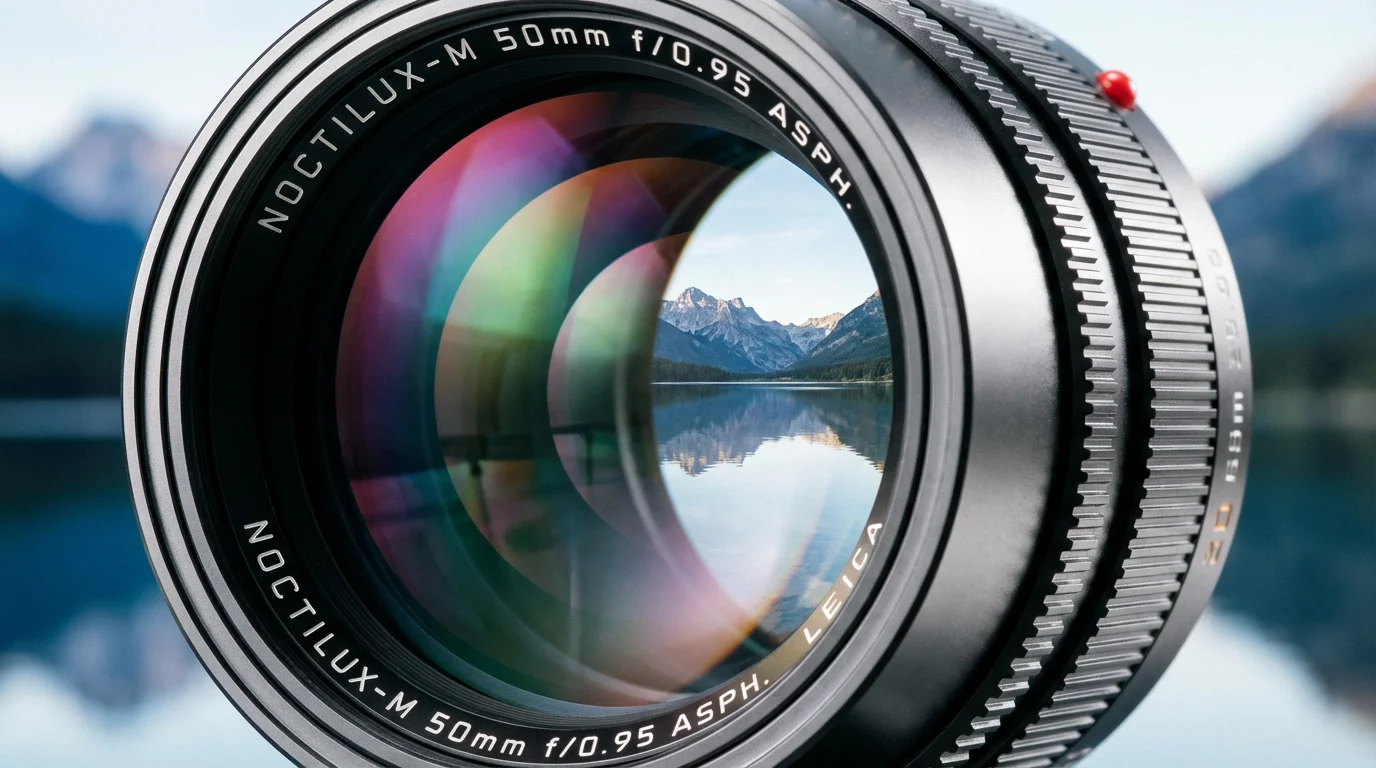
Stock agencies employ strict “inspectors” (or AI-driven algorithms) to ensure every image meets professional standards. If your photo is blurry, noisy, or poorly exposed, it will be rejected. To minimize rejections and maximize your photography income, you must master a few technical fundamentals. You can find detailed guides on technical perfection at Cambridge in Colour, which offers excellent tutorials on image quality.
Utilizing essential camera accessories like a sturdy tripod or a remote shutter release can drastically reduce the risk of motion blur in your commercial shots.
Beyond technical specs, mastering classic composition techniques that make photos stand out will give your images a competitive edge in a crowded marketplace.
First, focus on sharpness. In the world of stock, “soft” focus is almost always grounds for rejection unless it is an intentional, artistic choice. Use a tripod whenever possible, and ensure your shutter speed is high enough to freeze motion. Second, manage your ISO settings carefully. Digital noise—the graininess that appears in dark areas of a photo—is a common reason for rejection. Keep your ISO as low as possible (ideally ISO 100 or 200) to ensure a clean, marketable file.
Third, pay attention to “chromatic aberration” and “fringing.” These are color distortions that often appear at the edges of high-contrast objects (like tree branches against a bright sky). Most modern editing software, such as Lightroom or Capture One, can remove these with a single click. Finally, ensure your images are at least 4 megapixels, though 12 megapixels or higher is the industry standard today. Higher resolution gives buyers the flexibility to crop your image, making it more valuable to them.

Navigating Legal Essentials and Model Releases
Legal compliance is the “unsexy” but vital side of stock photography. If your photo contains a recognizable person, you cannot sell it for commercial use without a signed Model Release. This is a simple legal document where the subject gives you permission to use their likeness for commercial purposes. Without this, your image can only be sold for “Editorial” use, which significantly limits your earning potential.
The same rule applies to private property. If you are shooting inside a unique building, on private land, or even focusing on a specific pet that is clearly identifiable, you may need a Property Release. Even certain modern architecture and public art are protected by copyright. For example, photos of the Eiffel Tower at night require special permissions because the light display is copyrighted, even though the tower itself is in the public domain during the day.
Always avoid brands and logos. A perfectly composed shot of someone drinking coffee can be rejected if the Starbucks logo is visible on the cup. Use post-processing tools to clone out logos, or simply turn the product around so the branding is hidden. By cleaning up your images of intellectual property, you make them “Commercial Ready,” which is where the real money is made. Many photographers now use mobile apps to have models sign releases digitally right on their phones, simplifying the workflow significantly.

Maximizing Visibility with Metadata and SEO
You could have the greatest photo in the world, but if nobody can find it, you won’t make a dime. Stock photography is as much about Search Engine Optimization (SEO) as it is about aesthetics. Every image you upload requires a title, a description, and a set of keywords (tags).
To stay consistent with the high volume of keywording needed for stock, establishing a 10-minute daily photo organization routine will help you manage your uploads efficiently.
When keywording, think like a buyer. If you were a graphic designer looking for an image for a bank’s brochure, what would you type? You wouldn’t just type “man and woman.” You would type “diverse couple, financial planning, retirement, happy, indoors, sunlight, paperwork.” Effective keywording follows a hierarchy of importance:
- Literal Keywords: Describe exactly what is in the frame (e.g., “blue mug,” “wooden table,” “laptop”).
- Conceptual Keywords: Describe the mood or idea (e.g., “productivity,” “minimalism,” “morning routine”).
- Contextual Keywords: Describe the setting or demographic (e.g., “home office,” “millennial,” “urban living”).
Avoid “keyword stuffing.” Agencies will penalize you if you use irrelevant tags just to get more views. Stick to 20–30 highly relevant keywords. Use the auto-suggest tools provided by platforms like Adobe Stock, but always refine them to ensure they accurately represent your specific shot. Consistency in your metadata will help the platform’s algorithm understand your portfolio, leading to better rankings in search results over time.

Building a Sustainable Long-Term Income Stream
Selling stock photos online is a marathon, not a sprint. To build a sustainable income, you must adopt a “stock mindset” in your daily photography. Always carry a camera—or know how to maximize your smartphone’s capabilities—and look for moments that have commercial utility. If you are digitizing old family photos as part of your preservation efforts, look for high-quality vintage shots that might have historical or “retro” appeal for editorial buyers.
Review your sales data monthly. Most agencies provide “contributor insights” that show you which keywords are trending and which of your images are being viewed but not bought. This data is invaluable. If you notice that your “healthy eating” photos are selling while your “landscapes” are ignored, lean into your success. Double down on the niches where you already have traction.
Expert Insight: The most successful contributors are those who treat their portfolio like a garden—regularly weeding out underperforming content and planting new, trendy seeds based on market demand.
Finally, keep an eye on gear trends. While you don’t need the most expensive kit, staying informed about technical shifts—like the transition to mirrorless systems or the rise of 4K video—will keep your work competitive. Sites like Digital Photography Review provide the latest updates on equipment that can help you maintain the high standards required by the best sites to sell photos. By combining technical excellence with savvy marketing and legal diligence, you can turn your photographic heritage into a thriving digital business.
Frequently Asked Questions
How much can I realistically earn from stock photography?
Earnings vary wildly based on your portfolio size, image quality, and market demand. While beginners might earn a few dollars a month, established contributors with thousands of high-demand images often generate hundreds or even thousands of dollars in passive income. Most platforms pay between 15% and 40% of the sale price per download.
Do I need an expensive DSLR to sell stock photos?
Not necessarily. While high-end gear offers better technical quality, modern smartphones and entry-level mirrorless cameras produce high-resolution files that meet the requirements of most agencies. The composition, lighting, and commercial relevance of the photo matter more than the price of your camera body.
Can I sell the same photo on multiple websites?
Yes, provided you do not sign an exclusivity agreement with a specific agency. Many photographers use a non-exclusive approach, uploading their work to Adobe Stock, Shutterstock, and Alamy simultaneously to maximize reach. If you choose an “Exclusive” track on a site like iStock, you usually earn a higher commission but cannot sell that image elsewhere.
What is the difference between commercial and editorial use?
Commercial use means the photo can be used in advertisements or products; it requires model and property releases for any recognizable people or landmarks. Editorial use is for news, textbooks, or blogs; it allows for the inclusion of people and brands without releases, but the image cannot be used for selling or promoting anything.
Disclaimer: This article is for informational purposes only. When handling valuable or irreplaceable photographs, consider consulting a professional conservator. Always test preservation methods on non-valuable items first.