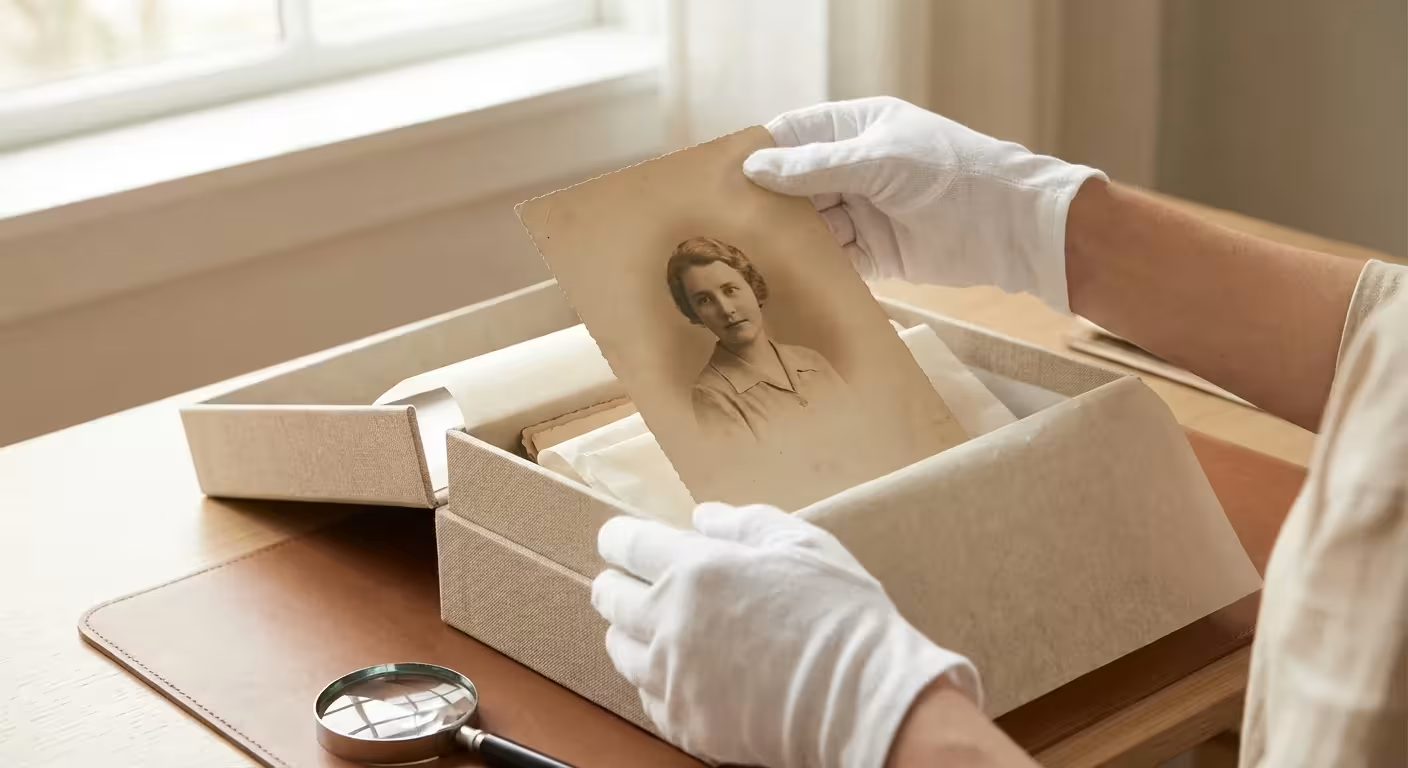
You hold a heavy cardboard box in your hands, the lid dusty from years in the attic. Inside lies the visual history of your family—sepia-toned portraits of great-grandparents, vibrant Kodachrome slides from the 1960s, and the glossy snapshots of your own childhood. But as you lift the first few items, you notice a disturbing trend. Some edges are brittle and crumbling; others have developed strange yellow stains that look like scorch marks. This deterioration isn’t just “age”—it is a slow-motion chemical reaction fueled by the very materials meant to protect them.
Mastering these definitions is a foundational step in creating a home photo archive that will survive for future generations.
Preserving these memories requires more than just a sturdy box; it requires an understanding of the chemistry of storage. When you browse for albums or storage kits, you encounter a barrage of marketing terms: archival safe, acid-free, lignin-free, and buffered. Without a clear understanding of these terms, you might accidentally purchase materials that accelerate the decay of your most precious heirlooms. Protecting your photographic heritage starts with deciphering the science behind the labels and choosing materials that provide a truly stable environment.
The Chemistry of Decay: Why Paper Attacks Photos
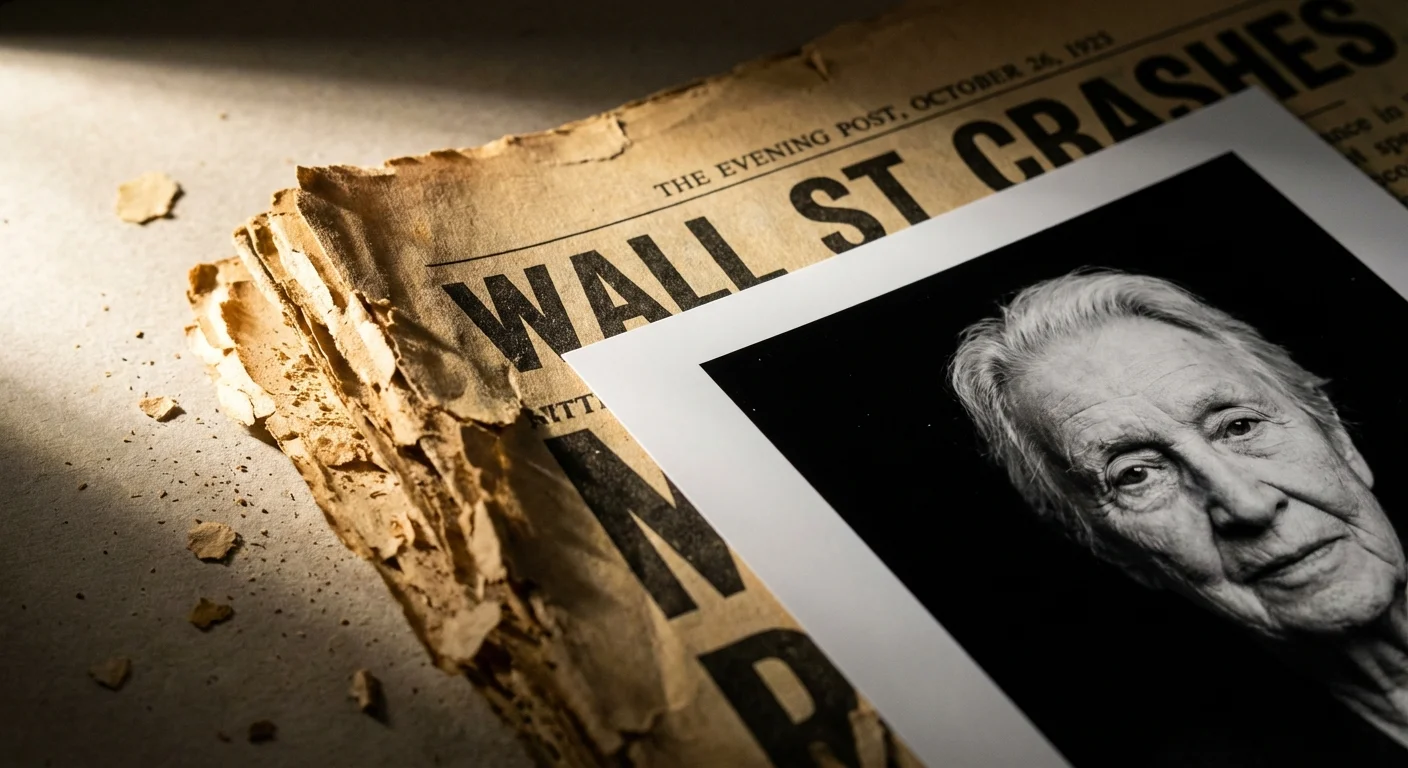
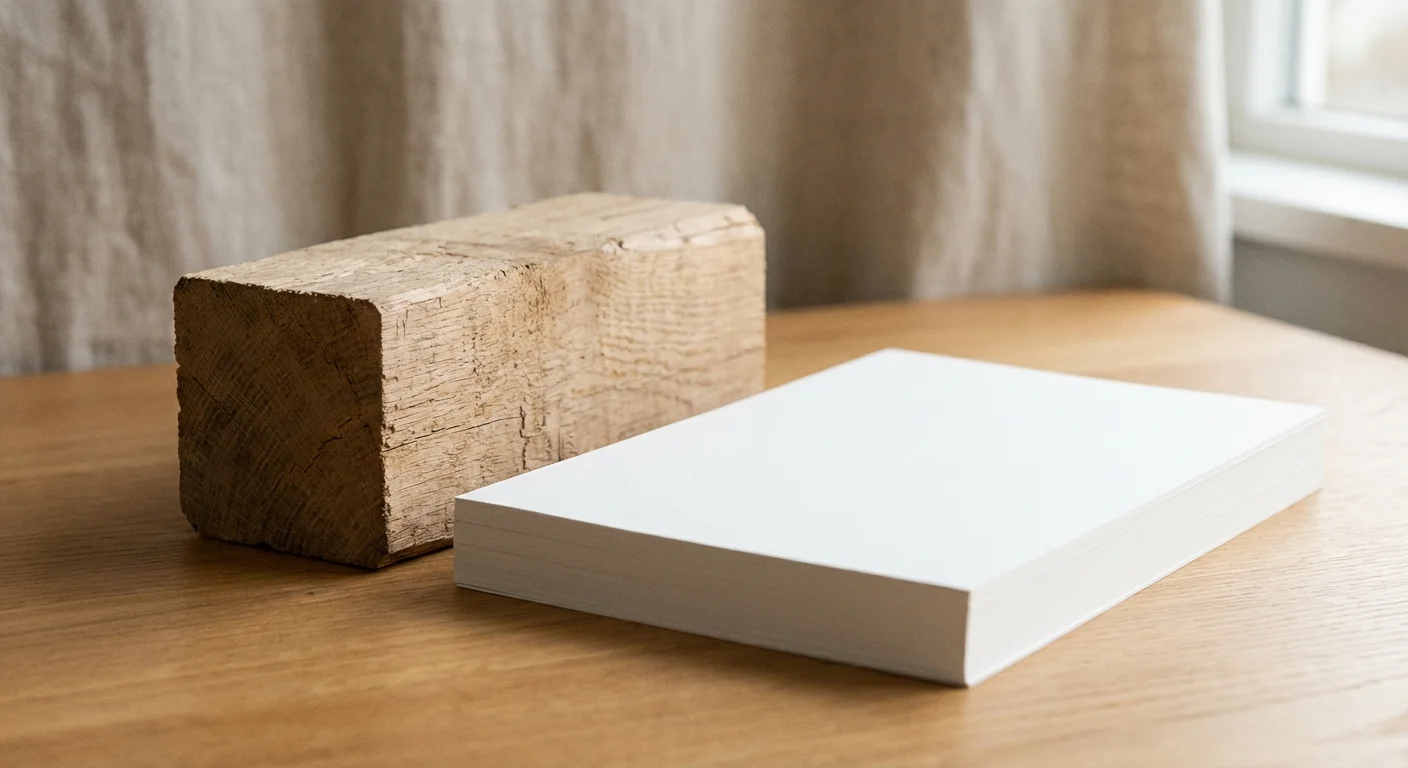
To understand why specific archival terms matter, you must first look at the history of paper manufacturing. Before the mid-19th century, most paper was made from cotton or linen rags. These materials are naturally low in acid and high in alpha-cellulose, which explains why a 200-year-old document often looks better than a newspaper from 1990. However, the surge in demand for paper led manufacturers to switch to wood pulp—a cheaper, more abundant source that brought along two primary culprits of destruction: acid and lignin.
Acid acts as a catalyst for “acidic hydrolysis.” In this process, the long chains of cellulose molecules that give paper its strength are broken down into shorter and shorter fragments. As these chains snap, the paper loses its structural integrity, becoming brittle enough to shatter at a touch. For your photographs, the danger is twofold. Not only does the storage container fall apart, but the acids also migrate. This phenomenon, known as “acid migration,” occurs when acids move from an inferior material—like a cheap scrapbook page—directly into your photograph, causing the image to fade, discolor, or develop “foxing” (those reddish-brown spots often seen on old paper).
Lignin is the organic polymer that binds wood fibers together; essentially, it is the “glue” that allows trees to grow tall. While essential for a forest, lignin is a disaster for photography. It is inherently unstable and light-sensitive. When exposed to oxygen and light, lignin breaks down and produces acidic byproducts. This is why a newspaper turns yellow and brittle after only a day in the sun. If your photos are stored in high-lignin paper, they are trapped in a micro-environment that is constantly generating fresh acid.
Acid-Free Defined: Beyond the Neutral pH
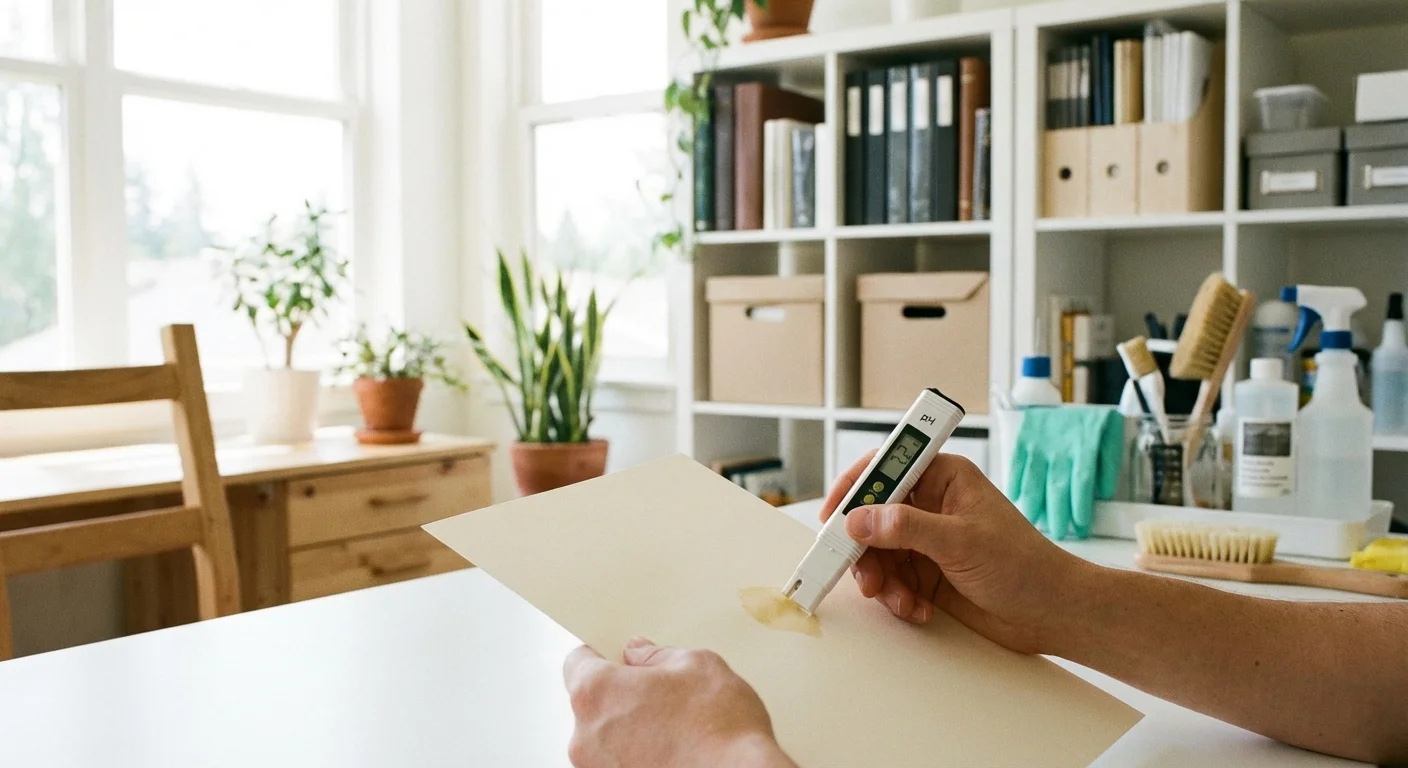
When you see a product labeled “acid-free,” it generally means the material has a pH of 7.0 (neutral) or higher (alkaline) at the time of manufacture. This is a significant improvement over standard office supplies, but the term can be misleading. A product can be rendered acid-free through chemical washes that neutralize the acids present during production. However, if the underlying raw materials are poor quality, that “acid-free” status might be temporary.
For a product to be truly effective for long-term photo storage, it must maintain that neutral pH for decades, not just weeks. This is why you should look for materials made from cotton linters or alpha-cellulose. According to the National Archives, archival-quality paper should be free of groundwood, unbleached pulp, and harmful impurities. When you purchase “acid-free” paper, you are ensuring that the storage environment doesn’t immediately begin attacking the emulsion of your photos, but you must pair this with “lignin-free” status to ensure long-term stability.
“The stability of a photographic image is inextricably linked to the chemical purity of its primary housing.”
Lignin-Free: Stopping the Source of the Problem
If you have ever found an old photo that looks like it has been “burned” by the paper behind it, you have seen the work of lignin. Choosing lignin-free materials is perhaps the most critical step in preserving 19th and 20th-century photographs. In the archival world, a product is considered “lignin-free” if it contains less than 1% lignin.
Think of acid-free as a temporary state and lignin-free as a permanent characteristic. A paper could be treated with a base to make it acid-free today, but if it still contains 20% lignin, it will inevitably become acidic again as that lignin degrades. This is why “lignin-free” is a much more rigorous and important standard for your photo albums and storage boxes. When you use lignin-free sleeves and boxes, you eliminate the source of the yellowing that plagues so many family collections.
Consider the “magnetic” photo albums popular in the 1970s and 80s. These albums used high-lignin cardboard pages coated with a tacky adhesive and a plastic overlay. The result was a chemical “perfect storm” that has ruined millions of family snapshots. The lignin in the cardboard turned the pages brown, while the adhesive became permanent, bonding the photo to the acidic backing. If you find photos in these albums, your priority should be removing them and placing them in lignin-free environments immediately.
Buffered vs. Unbuffered: Selecting the Right Protection
As you dive deeper into archival supplies, you will encounter the choice between buffered and unbuffered materials. This distinction is vital because choosing the wrong one can actually damage certain types of photos. Buffering refers to the addition of an “alkaline reserve,” usually 2% to 3% calcium carbonate. This substance acts like a sacrificial shield; as acids develop in the environment or migrate from other sources, the calcium carbonate neutralizes them, keeping the storage material safely alkaline.
While paper prints are common, you may also need to learn how to care for tintypes and other early metal-based formats that have different chemical sensitivities.
When to use Buffered materials:
- Black and White Silver Gelatin Prints: These are the standard B&W photos from the late 1800s through today. They thrive in buffered environments.
- Most Modern Color Prints: Modern RC (resin-coated) and fiber-based color prints are generally stable in buffered storage.
- Documents and Letters: Paper-based ephemera that isn’t a photograph benefits greatly from the extra protection of a buffer.
When to use Unbuffered materials:
Some photographic processes are sensitive to high alkalinity. A buffered environment (high pH) can cause a chemical reaction that shifts the colors or damages the image layers of specific types of media. You should use unbuffered storage for:
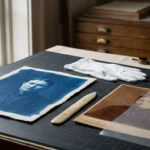
- Cyanotypes: These are “blueprints” or photos with a distinctive Prussian blue color. High pH will cause the blue to fade or turn yellow.
- Dye-Transfer Prints: These high-end color prints can be sensitive to pH changes.
- Protein-Based Materials: This includes items like silk or wool that might be stored with photos (such as in a military shadow box).
- Albumin Prints: While there is some debate among conservators, many prefer unbuffered or neutral-pH storage for 19th-century albumin prints to prevent yellowing of the highlight areas.
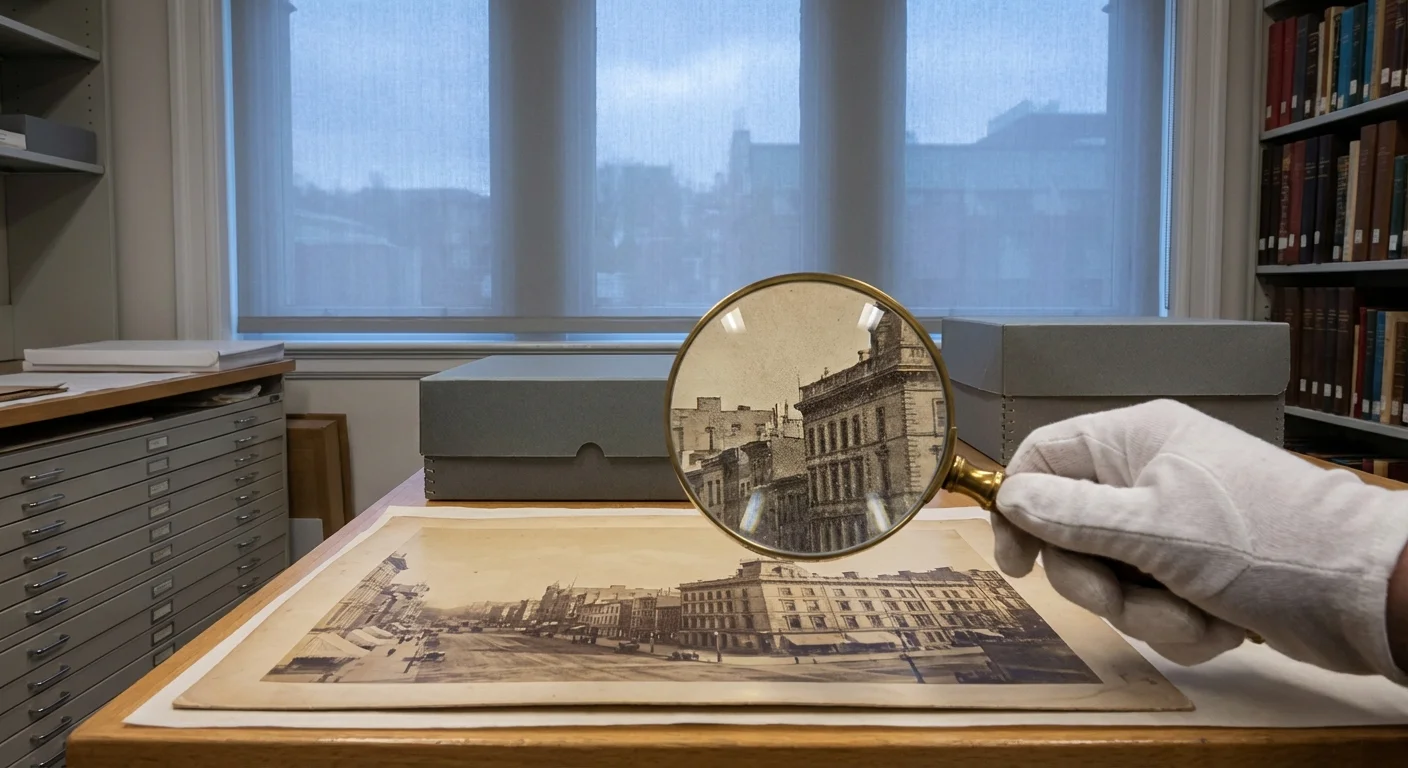
The PAT Test: The Only Guarantee of Safety
You might see a box that claims to be “archival,” but because that term isn’t strictly regulated by law, it can sometimes be used as a marketing buzzword rather than a technical guarantee. To find the highest level of certainty, you must look for the “PAT” label. The Photographic Activity Test (ISO 18916) is the international standard developed by the Image Permanence Institute to evaluate the safety of storage materials.
The PAT is a rigorous accelerated aging test. Scientists place a sample of the storage material (the paper, plastic, or adhesive) in contact with a detector that simulates a photograph’s sensitivity. They then subject it to high temperature and humidity to simulate years of storage. If the material causes fading or staining on the detector, it fails. If you see “Passed PAT” on a product, you can trust that it will not chemically react with your photographs. Always prioritize PAT-passed products for your most valuable or irreplaceable images.
| Term | What It Means | Best Used For |
|---|---|---|
| Acid-Free | pH of 7.0 or higher at time of manufacture. | Short-term storage or low-value items. |
| Lignin-Free | Contains less than 1% lignin; won’t turn yellow. | Long-term archival storage of all photos. |
| Buffered | Contains calcium carbonate to neutralize acids. | Standard B&W prints and most color photos. |
| Unbuffered | pH neutral without the alkaline reserve. | Cyanotypes and blueprints. |
| PAT Passed | Tested and proven not to react with photo emulsion. | Your most precious, irreplaceable memories. |
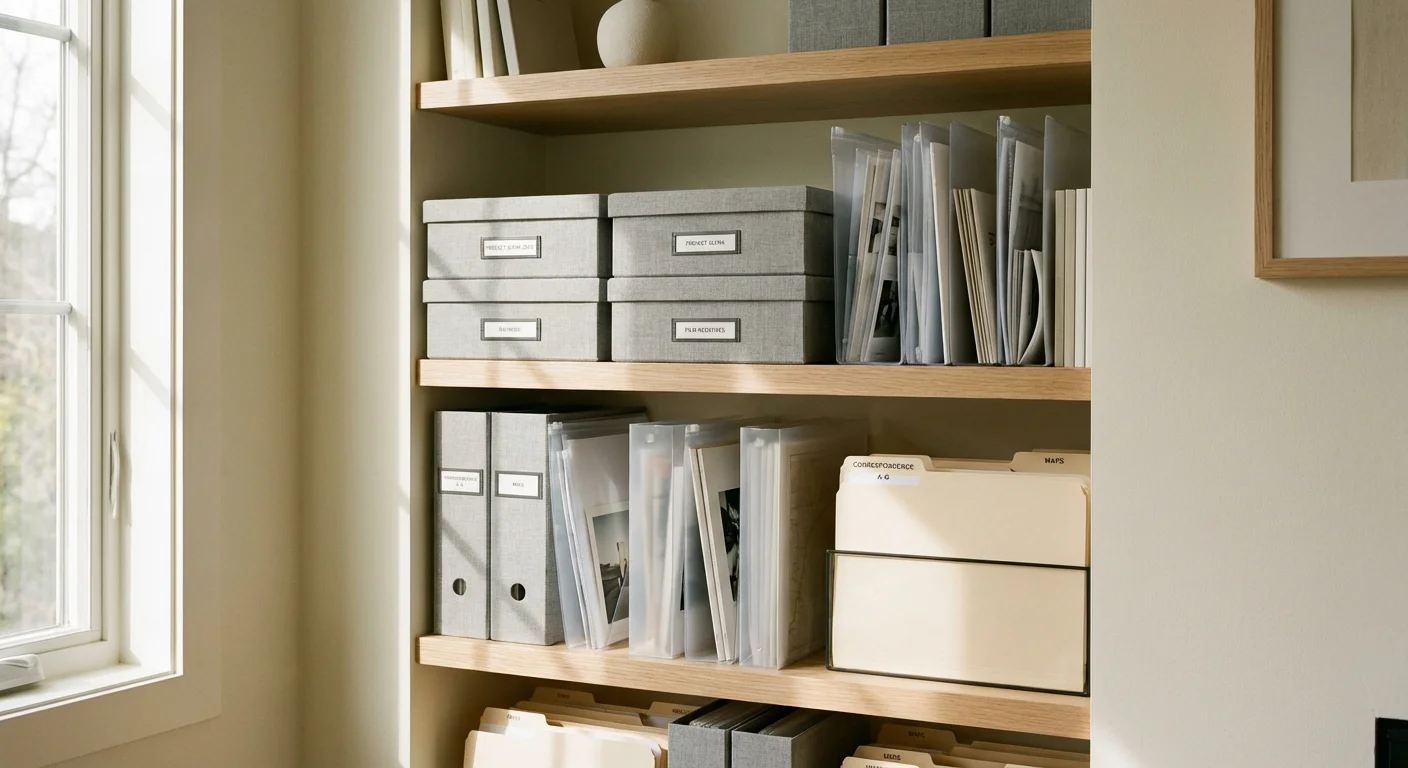
Practical Storage Choices: Boxes, Sleeves, and Envelopes
Now that you understand the terms, how do you apply them? Your storage strategy should follow a “layered” approach. Each layer provides a different level of protection, and knowing which materials to use for each layer will save you money and protect your photos more effectively.
When placing items in their new housings, ensure you use safe labeling pens to avoid ink migration or physical indentations on the image surface.
For bulk collections, choosing the best archival boxes ensures that your sleeved photos are protected from crushing and external pollutants.
Beyond choosing the right inner sleeves, selecting the best archival boxes for long-term storage will provide structural support and a secondary barrier against environmental hazards.
The Inner Layer: Sleeves and Envelopes
This is the material in direct contact with the photo emulsion. You have two main choices: plastic or paper. Plastic (specifically polyester, polypropylene, or polyethylene) allows you to see the photo without touching it, which is excellent for frequently viewed collections. Ensure any plastic you use is PVC-free. Polyvinyl chloride (PVC) releases hydrochloric acid gas as it degrades, which will destroy a photograph in a matter of years. If a plastic sleeve smells like a new shower curtain, keep it away from your photos.
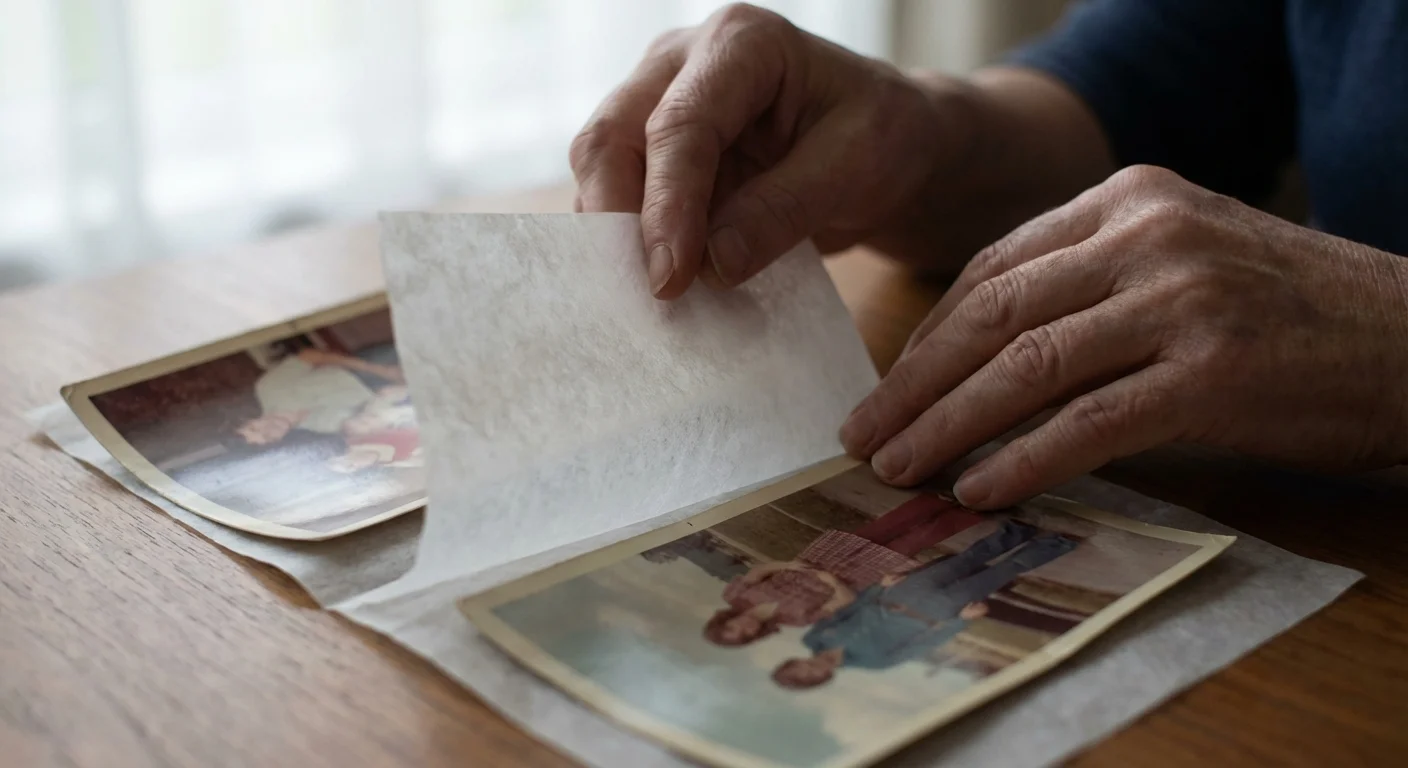
Paper envelopes are better for photos that might be fragile or for those you want to label easily with a pencil. Choose 100% alpha-cellulose, lignin-free, and PAT-passed paper. Paper is also “breathable,” which can prevent the buildup of gasses or moisture that sometimes occurs inside plastic sleeves.
The Middle Layer: Boxes and Binders
Once your photos are individually sleeved, place them in archival boxes. Look for “clamshell” or “drop-front” boxes made of acid-free, lignin-free, and buffered board. These boxes provide structural support and protect against light, dust, and minor water splashes. Using a box within a box (storing smaller organized boxes inside a larger archival trunk) provides an extra layer of thermal mass, which helps slow down temperature fluctuations.
The Outer Layer: The Storage Environment
Even the best archival box cannot protect your photos if you store them in a garage or attic. These areas experience extreme temperature swings and high humidity, which accelerate chemical reactions. A rule of thumb in the preservation world is: “If you wouldn’t want to sleep there, your photos shouldn’t either.” Keep your collection in a climate-controlled part of your home—ideally a dark closet on an interior wall.
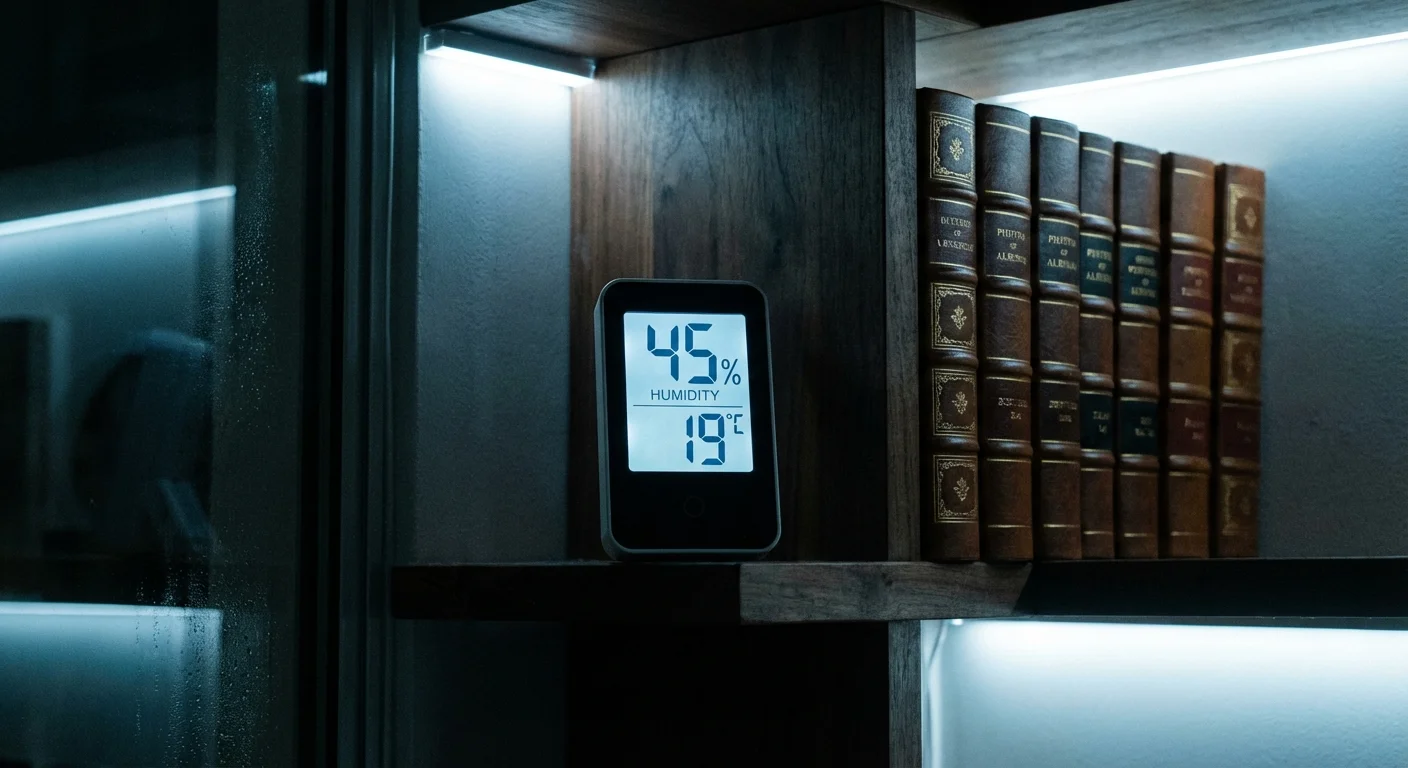
Environmental Controls: Humidity and Temperature
Chemistry happens faster when it is hot and wet. This is a fundamental law that governs the life of your photographs. High humidity (above 60%) can lead to mold growth and cause photo emulsions to become “sticky,” potentially fusing them to their storage sleeves. Conversely, extremely low humidity (below 15%) can cause photos to curl and become brittle.
If you live in a tropical region, you should also investigate specialized techniques for storing photos in high-humidity climates to prevent mold and foxing.
Even the highest-quality archival materials cannot stop decay if you don’t manage how humidity and temperature impact the storage area.
Even the highest quality materials cannot counteract the damage caused by extreme conditions, so understanding how humidity and temperature affect your photo collection is essential for complete preservation.
Temperature is equally important. For every 10-degree Fahrenheit drop in temperature, you roughly double the life of a color photograph. While you don’t need to turn your guest bedroom into a walk-in freezer, maintaining a steady temperature below 70°F (21°C) will significantly slow the chemical breakdown of both the photos and the storage materials. By combining high-quality acid-free and lignin-free materials with a stable, cool environment, you are giving your family’s history the best possible chance of surviving for another century or more.
“Preservation is not a one-time event but a continuous commitment to the environment in which our history lives.”
Frequently Asked Questions
Is acid-free paper always lignin-free?
No. A product can be chemically treated to be acid-free at the time of manufacture, but if it still contains lignin, it will eventually become acidic again as the lignin breaks down over time. Always look for both terms on the label.
Should I use buffered or unbuffered storage for my color photographs?
Most modern color photographs and black-and-white prints benefit from buffered storage, which neutralizes acids. However, for certain processes like cyanotypes or dye-transfer prints, unbuffered materials are safer to prevent pigment shifts.
What does the PAT (Photographic Activity Test) actually measure?
The PAT is an international standard (ISO 18916) that tests whether storage materials will chemically react with photographic emulsions. It ensures the paper, plastic, or adhesive won’t cause fading, spotting, or staining through accelerated aging simulations.
Can I use regular office envelopes for short-term photo storage?
You should avoid regular office envelopes because they contain high levels of lignin and acidic adhesives. These materials can cause permanent staining, yellowing, and “ghosting” on your photos in a very short amount of time, especially in humid conditions.
Disclaimer: This article is for informational purposes only. When handling valuable or irreplaceable photographs, consider consulting a professional conservator. Always test preservation methods on non-valuable items first.